Moon Phase Jewellery: What Each Phase Means and Why People Track the Moon on Their Skin
The oldest clock
Before watches, before calendars, before anyone had written a single word, people looked up. The moon was there. It changed shape every night, on a schedule so reliable you could plant crops by it, navigate oceans by it, plan festivals by it. It took roughly 29.5 days to complete its cycle, close enough to a month that we named "month" after it (from Old English "monath," which comes from "moon").
Every civilisation on earth has tracked the moon. Every mythology includes it. Every religion references it. And now, in 2026, people are wearing specific moon phases on necklaces, rings, and earrings, often the exact phase from the night they were born or the night they fell in love.
This isn't a fad that appeared from nowhere. The moon has been the single most consistent symbol in human culture for at least 30,000 years (the oldest known lunar calendar is carved into a bone from the Dordogne region of France, dated to roughly 28,000 BCE). What's changed is the delivery method. Instead of carving it into bone, we cast it in silver.
Here's everything the moon phases mean, where those meanings come from, and why so many people feel compelled to wear the moon against their skin.
The Eight Phases: A Complete Map of the Lunar Cycle
The moon doesn't produce its own light. It reflects sunlight. The phases we see are simply the result of the moon's position relative to the earth and sun, which changes how much of the illuminated side faces us. That's the astronomy. The symbolism people have layered on top of it is far more interesting.
New moon
The sky is dark. The moon is there but invisible, positioned between the earth and sun with its illuminated side facing away from us.
Symbolically, the new moon represents beginnings, intention-setting, and potential. It's the blank page. In traditions that assign meaning to lunar phases, this is the moment to start something: a project, a habit, a relationship. The logic is intuitive. If the moon is about to grow, your intentions grow with it.
In jewellery, the new moon is typically represented as a dark circle or a thin ring. It's the most abstract of the phases, since you're essentially wearing the absence of something. People drawn to new moon pieces tend to resonate with the idea of hidden potential, things not yet visible but already in motion.
Waxing crescent
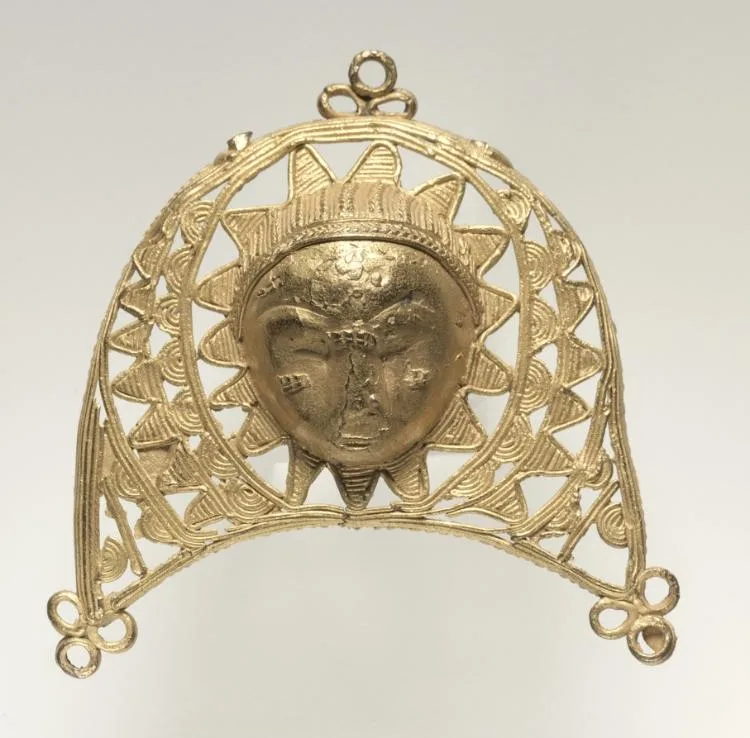
A thin sliver of light appears on the right side of the moon (in the Northern Hemisphere). This is the phase most people picture when they think "crescent moon," and it's by far the most popular shape in jewellery worldwide.
The waxing crescent symbolises growth, intention taking shape, and early momentum. You've set your course and the first evidence of progress is appearing. In many traditions, this is the phase of hope and emerging clarity.
The crescent is also the most ancient moon symbol in decorative art. Sumerian jewellery from 2600 BCE features crescent shapes. The crescent appears in Egyptian, Greek, Celtic, and pre-Islamic Arabian art. It's on flags, coins, architectural details, and religious iconography across dozens of cultures. When you wear a crescent, you're wearing a symbol that has been in continuous use for at least 4,600 years.
First quarter
Half the moon is illuminated. Despite the name "quarter," it looks like a half-moon. The term refers to the moon being one quarter of the way through its cycle.
Symbolically, the first quarter represents decision, action, and commitment. The easy beginning is over. Now you have to push. In agricultural traditions, this is when you tend and protect what you've planted. In personal symbolism, it's the phase of doing the work.
In jewellery, the half-moon is a strong geometric shape. It shows up in Art Deco designs, minimalist pendants, and modern asymmetric earrings. It appeals to people who like clean lines and decisive aesthetics.
Waxing gibbous
More than half illuminated, approaching full. "Gibbous" comes from the Latin "gibbosus," meaning "humpbacked," which describes the bulging shape.
This phase represents refinement, patience, and fine-tuning. You're almost there but not quite. The work now is about adjustment rather than big moves. It's the phase of editing your novel rather than writing the first draft.
The waxing gibbous is the least commonly represented phase in jewellery, partly because it's visually awkward (neither the clean half-moon nor the dramatic full circle) and partly because patience is a harder sell than beginnings or completions. But that's exactly why some people choose it. It says: I understand that the interesting work happens in the unglamorous middle.
Full moon
The entire visible face is illuminated. The earth is between the sun and moon, and we see the full reflected light.
This is the big one. The full moon represents completion, illumination, abundance, power, and heightened emotion. Nearly every culture on earth has associated the full moon with intensity. Festivals, rituals, harvests, and celebrations are timed to the full moon in traditions from China to Peru to Scandinavia.
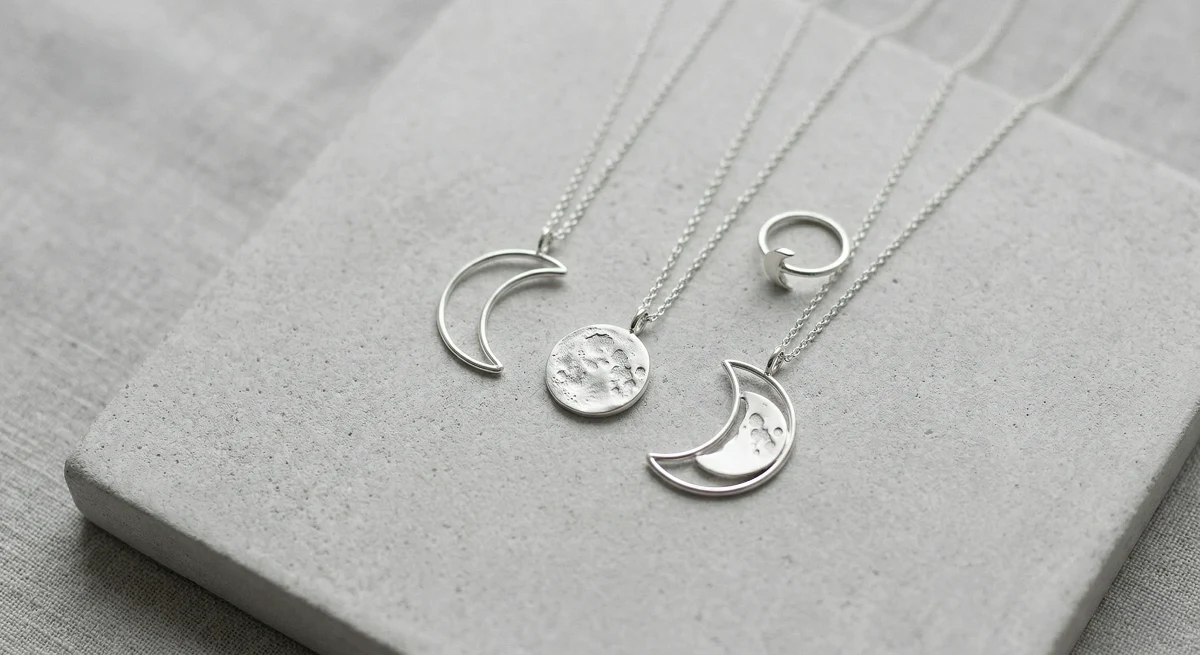
In jewellery, the full moon appears as a solid disc, sometimes textured with a surface meant to evoke the moon's craters. Full moon pendants and earrings are statement pieces. They say: I'm here, fully visible, holding nothing back.
The full moon is also the phase most associated with wildness and unpredictability (more on that in the psychology section). Wearing it can be a way of owning that energy rather than fearing it.
Waning gibbous
The full moon has passed and the light is receding. This phase is sometimes called the "disseminating moon."
Symbolically, it represents gratitude, sharing, and teaching. You've reached the peak and now you're distributing what you've gathered. In some traditions, this is when you share knowledge, help others, or give back.
Like the waxing gibbous, this phase is underrepresented in jewellery. It occupies a symbolic space that requires more thought than "beginnings" or "endings." People who choose it tend to be deliberate about their symbolism.
Last quarter
Half illuminated again, but now the other half. The mirror image of the first quarter.
The last quarter represents release, letting go, and clearing space. The cycle is winding down. This is the phase of removing what no longer serves you, finishing what needs finishing, and creating room for whatever comes next.
In jewellery, the last quarter half-moon is visually identical to the first quarter but symbolically its opposite. Some people specifically choose the "waning half-moon" to mark a period of deliberate release: leaving a job, ending a relationship, moving to a new city.
Waning crescent
The thinnest sliver of light remains before the moon goes dark again. Also called the "balsamic moon."
This phase represents rest, surrender, reflection, and preparation for renewal. It's the exhale before the next breath. In many spiritual traditions, this is a contemplative phase, a time for stillness, dreams, and integration.
In jewellery, the waning crescent is a thin arc, often used in delicate pieces. It has a different energy from the waxing crescent despite looking similar. The waxing crescent faces right (growing toward full), while the waning crescent faces left (diminishing toward new). Some jewellery designers are specific about this orientation. Others let the wearer decide.
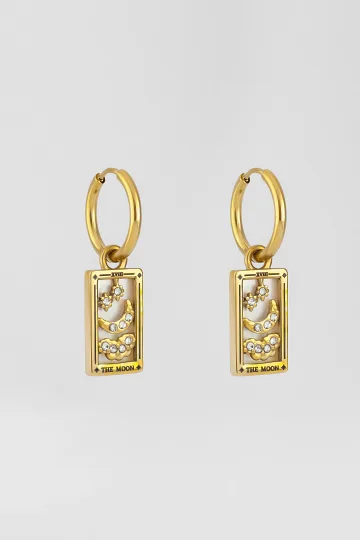
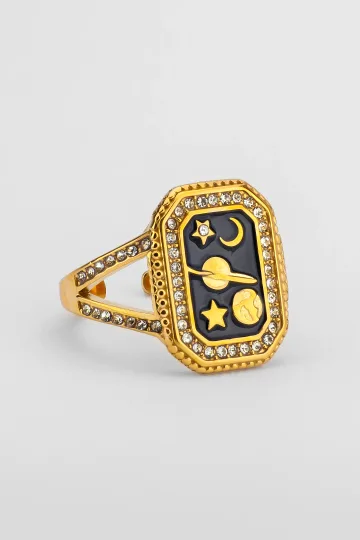
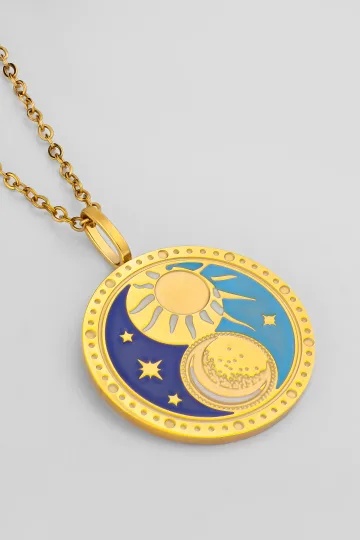
Wear the symbol, don't just read about it. These are in stock:
Ancient Moon Worship: When the Moon Was a God
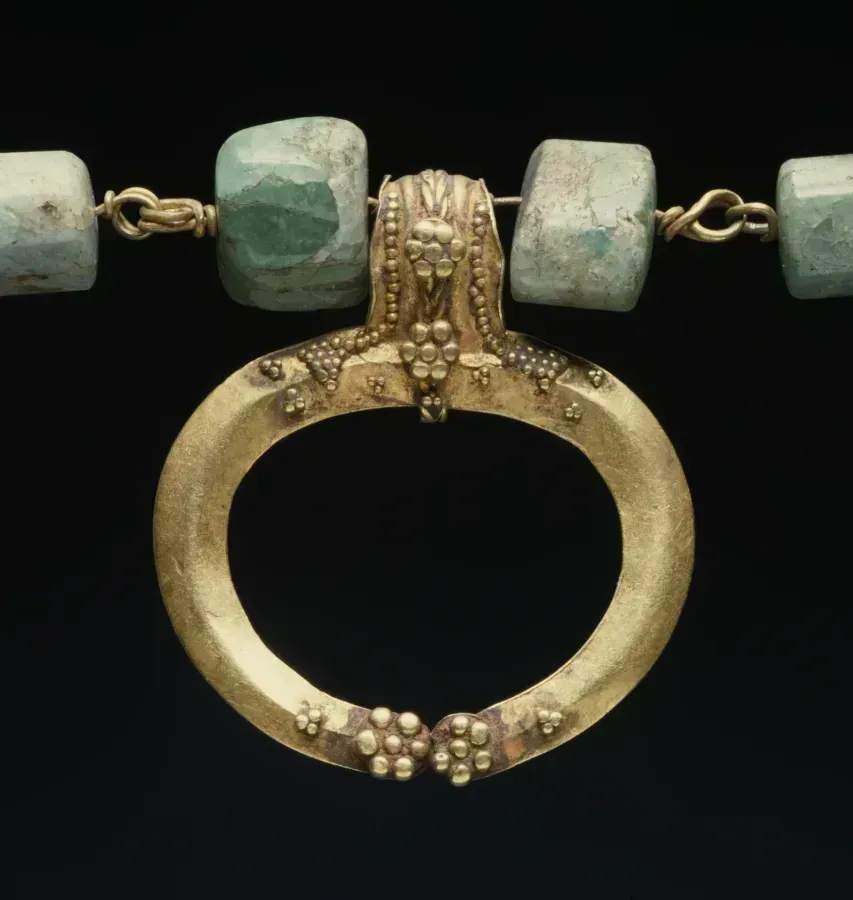
The sun and moon are the two most powerful celestial objects visible to the naked eye. But while sun worship gets more attention in popular culture, moon worship was often more practically important to ancient societies. The sun is reliable. It rises, it sets, it barely changes. The moon is dramatic. It changes shape, disappears, reappears. It controls tides. It illuminates the night, which is when most dangers lurked.
Mesopotamia: Sin and Nanna
In Sumerian mythology, the moon god was Nanna (later called Sin in Akkadian). And here's something that surprises people: in Mesopotamia, the moon god outranked the sun god. Nanna was the father of Utu/Shamash (the sun) and Inanna/Ishtar (the planet Venus). The moon was the patriarch.
The city of Ur, one of the most powerful in ancient Sumer, was Nanna's sacred city. The great ziggurat of Ur (built around 2100 BCE, still partially standing in modern Iraq) was dedicated to Nanna. The crescent moon was his symbol, and it appeared on cylinder seals, jewellery, and temple decorations throughout Mesopotamia.
Nanna was associated with cattle (the crescent looks like horns), fertility, wisdom, and the measurement of time. His monthly cycle provided the basis for the Mesopotamian calendar. Priests tracked his phases obsessively, using them to predict everything from weather to political fortune.
The crescent moon symbol used in Mesopotamian jewellery 4,500 years ago is essentially identical to the crescent moon symbol used in jewellery today. Some symbols genuinely don't change.
Egypt: Thoth and Khonsu
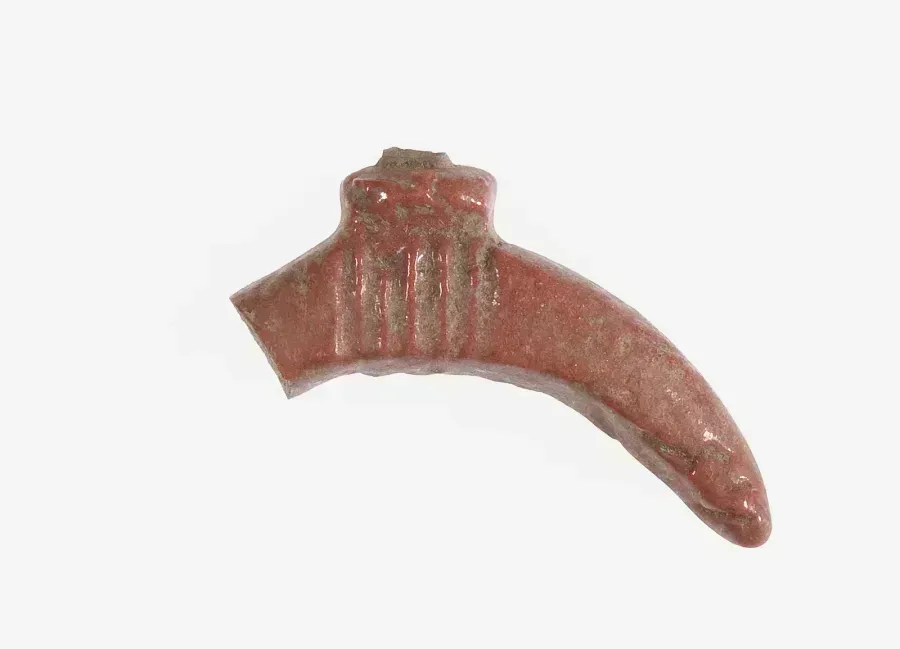
Egypt had not one but two major moon gods. Thoth (depicted with the head of an ibis) was the god of wisdom, writing, and the moon. The Egyptians believed that when the moon was full, Thoth's power was at its peak, and that the phases of the moon represented a cosmic game between Thoth and Set (the god of chaos) in which Thoth's eye was damaged and healed on a monthly cycle.
Khonsu, whose name means "traveller" (because the moon travels across the sky), was a younger moon god associated with healing and protection. His cult centre was at Thebes, and his temple at Karnak still stands. Khonsu wore a crescent moon cradling a full moon disc on his head, a symbol that became a popular amulet.
Egyptian moon amulets have been found in tombs dating back to 1500 BCE. They were believed to offer protection during the night, when dangerous spirits were thought to be most active. The logic was simple: if the moon illuminates the darkness, wearing its image keeps darkness at bay.
Greece: Selene, Artemis, and Hecate
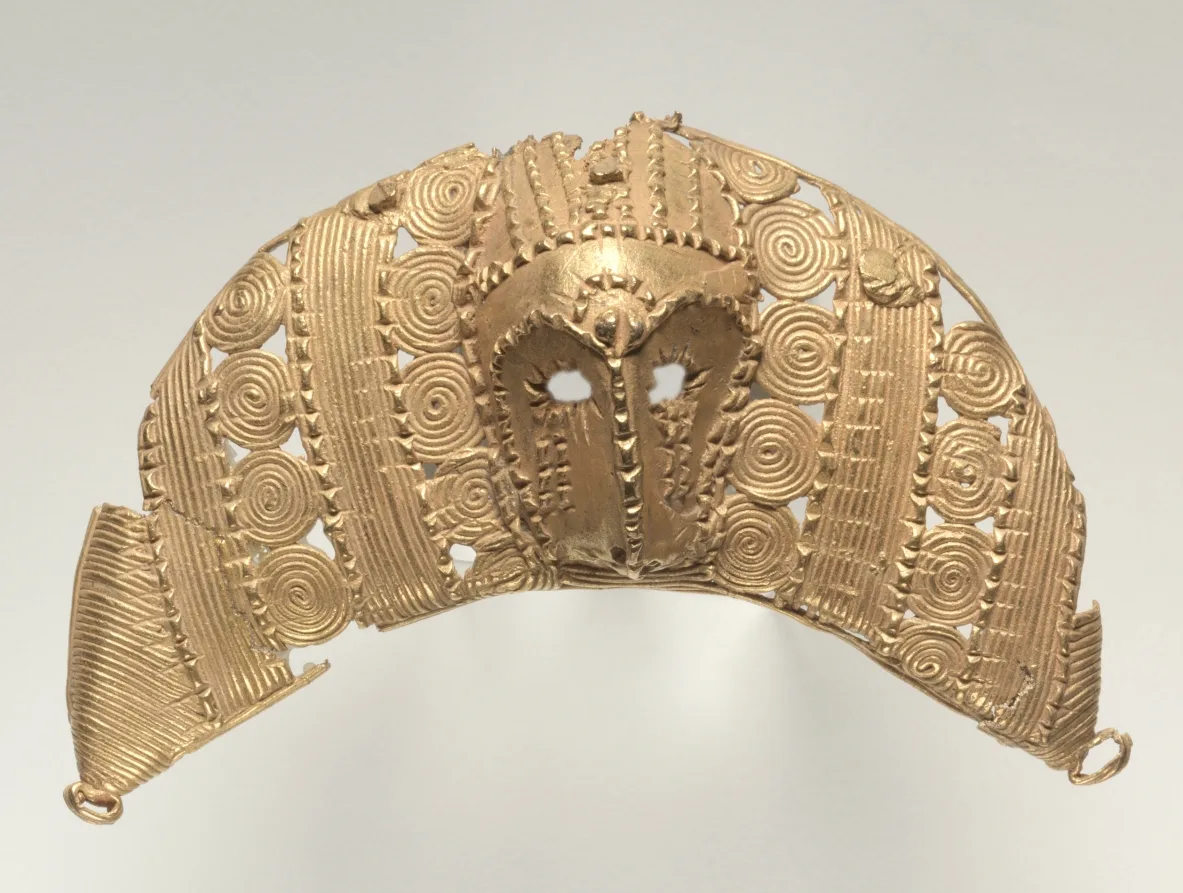
The Greeks took moon symbolism and added something that would echo through Western culture for the next 2,500 years: the triple goddess.
Selene was the moon goddess proper, the Titaness who drove her silver chariot across the night sky. She was the full moon: luminous, visible, and associated with romantic love (her most famous myth involves her affair with the sleeping shepherd Endymion).
Artemis, the huntress, was associated with the crescent moon. Independent, fierce, protector of young women and wild things. She carried a silver bow shaped like a crescent. In her role as moon goddess, she represented the waxing moon: growing, active, aimed.
Hecate was the dark moon goddess, associated with the new moon and the waning crescent. She guarded crossroads, knew the secrets of herbs and magic, and was invoked at transitions. She was depicted holding torches, illuminating what the absent moon could not.
Three goddesses, three phases: waxing (Artemis), full (Selene), waning/dark (Hecate). This triple correspondence became the foundation of the "triple goddess" concept that would later be central to Wiccan and neo-pagan practice.
In Greek jewellery, moon imagery was common. Artemis's crescent appeared on brooches, diadems, and pendants. Hecate's symbols (keys, torches, dogs) appeared on protective amulets. The full moon disc appeared in hair ornaments and temple dedications.
Customer reviews
Zevira is a real jewellery shop. Genuine payments, deliveries and customer thank-yous.
🥰🥰🥰 gracias
Ok, ¡gracias! 🙂
The Crescent in Islam: Symbol, Calendar, Identity
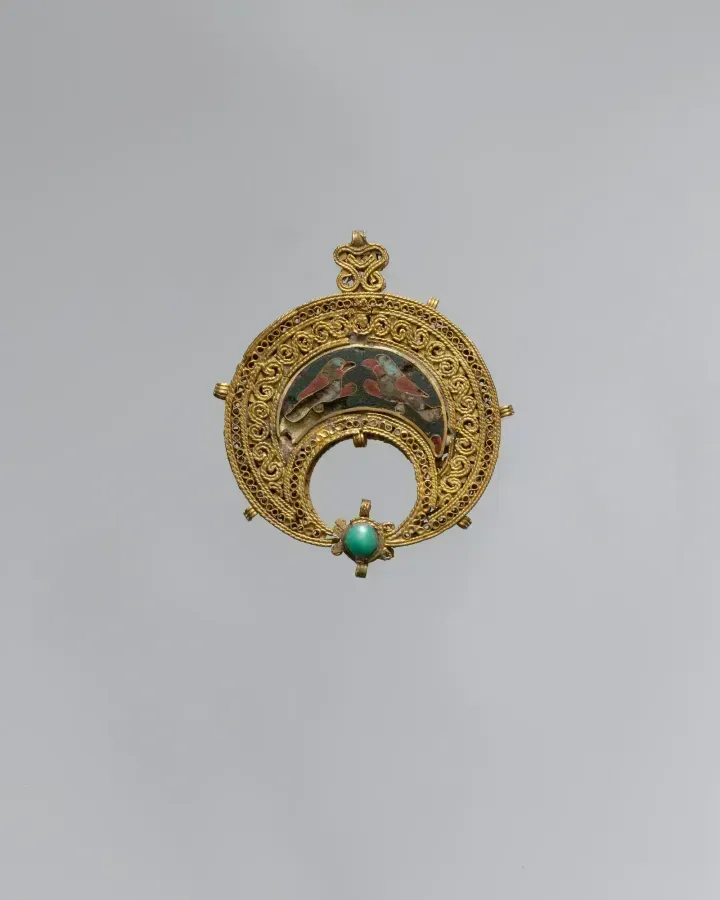
The crescent moon and star symbol is so closely associated with Islam that most people assume it comes from the Quran. It doesn't. The Quran mentions the moon repeatedly (it has an entire chapter called "Al-Qamar," meaning "The Moon"), but the crescent-and-star symbol has a more complicated history.
The crescent was already a symbol in the Middle East long before Islam. It appeared on Mesopotamian seals, Sassanid Persian coins, and Byzantine Constantinople's civic imagery (the city associated itself with the crescent moon and the goddess Artemis/Diana). When the Ottoman Turks conquered Constantinople in 1453, they adopted the city's crescent symbol. As the Ottoman Empire expanded, the crescent became associated with Ottoman power, and by extension, with Islam.
Today, the crescent appears on the flags of Turkey, Pakistan, Malaysia, Algeria, Tunisia, Libya, and several other Muslim-majority nations. But the crescent is not a religious symbol in the way the cross is for Christianity or the Star of David is for Judaism. It's a cultural and political symbol that became linked to Islamic identity through the Ottoman legacy.
What is genuinely Islamic is the lunar calendar. The Islamic calendar (Hijri) is purely lunar, meaning months begin at the sighting of the new crescent moon. Ramadan, Eid al-Fitr, Eid al-Adha, and all other Islamic observances are timed by the moon. This makes the crescent functionally essential to Islamic practice, even if its symbolic status is historical rather than scriptural.
For Muslims who wear crescent jewellery, the meanings can layer: cultural identity, connection to the lunar calendar, personal faith, and aesthetic tradition. For non-Muslims who wear it, the crescent carries its more universal lunar symbolism, but it's worth knowing the Islamic connection so you're wearing it with awareness rather than ignorance.
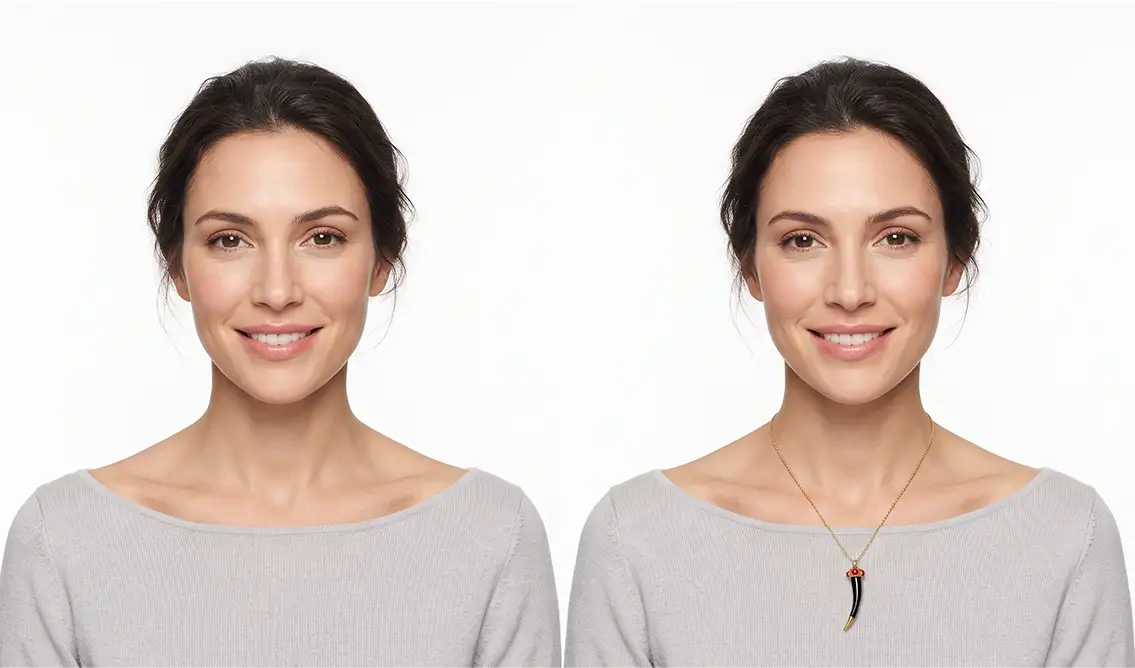
Turn on your camera, pick earrings, a pendant or a ring, and see the piece on yourself in real time.
Switch items in one tap.
Everything runs in your browser: no photo or video is ever uploaded.
The Moon in Wicca and Neo-Paganism
If you've been on any jewellery site in the last decade, you've seen triple moon symbols: a full moon flanked by two crescents (one waxing, one waning). This symbol comes directly from Wiccan and neo-pagan practice, and it's everywhere.
In Wicca, the moon is arguably the most important celestial body. The Wiccan calendar includes "esbats," ritual observances held at specific moon phases (most commonly the full moon). While the eight "sabbats" follow the solar calendar, esbats follow the lunar one, creating a dual calendar system.
The triple moon symbol represents the Maiden (waxing crescent), the Mother (full moon), and the Crone (waning crescent). These correspond to the three stages of a woman's life, the three aspects of the goddess in many Wiccan traditions, and the three Greek moon goddesses (Artemis, Selene, Hecate) discussed earlier. Gerald Gardner and Doreen Valiente, the founders of modern Wicca in the 1950s, drew heavily on classical Greek mythology when constructing Wiccan theology.
Full moon esbats typically involve "drawing down the moon," a ritual in which the high priestess invokes the moon goddess and is believed to become her vessel. This practice, whatever you think of its metaphysics, reflects a profoundly old human impulse: the desire to connect with the moon's perceived power.
Moon rituals in neo-pagan practice typically involve intention-setting at the new moon, gratitude and celebration at the full moon, and releasing practices at the waning moon. These map directly onto the symbolic meanings of the eight phases described earlier, which is no coincidence. The symbolic framework and the spiritual practice grew together.
The triple moon symbol in jewellery is popular far beyond practising Wiccans. Many people wear it simply because they like the design or resonate with the maiden-mother-crone idea as a metaphor for life stages. Others wear it as a deliberate statement of pagan identity. Both are valid. The symbol is flexible enough to hold multiple meanings.
The Moon and the Body: The 28-Day Question
The human menstrual cycle averages about 28 days. The lunar cycle is about 29.5 days. This near-overlap has been noted, discussed, mythologised, and debated for thousands of years.
In many traditional cultures, the connection was taken as fact. The word "menstruation" comes from the Latin "mensis" (month) and the Greek "mene" (moon). In Chinese, the colloquial term for menstruation literally translates to "monthly water." In French, the old expression is "le moment de la lune." The linguistic connections are everywhere.
Ancient Greek physicians believed the moon directly influenced menstruation. Aristotle wrote about it. Pliny the Elder devoted pages to it. Medieval European medicine took the connection as given and prescribed treatments accordingly.
Modern science is more cautious. A 2021 study published in Science Advances (Helfrich-Forster et al.) found that women with menstrual cycles longer than 27 days showed intermittent synchronisation with the lunar cycle, particularly with the full and new moon. But the synchronisation was sporadic, not constant, and younger women showed it less than older women. The researchers hypothesised that artificial light might disrupt whatever lunar influence exists.
A larger 2013 meta-analysis (Komada et al.) found no statistically significant correlation between menstrual onset and moon phase across the population.
So where does this leave us? The honest answer: the connection is real in language, mythology, and cultural practice but unproven in biology. The cycles are similar in length, and that similarity clearly captured human imagination for millennia. Whether it captured something deeper than coincidence remains an open question.
For jewellery, this connection matters because many women choose moon phase pieces specifically as a celebration of their body's cyclical nature. The moon becomes a symbol not of literal biological synchronisation but of the idea that cyclical change is natural, powerful, and worth honouring. That's a meaning that doesn't require scientific proof.
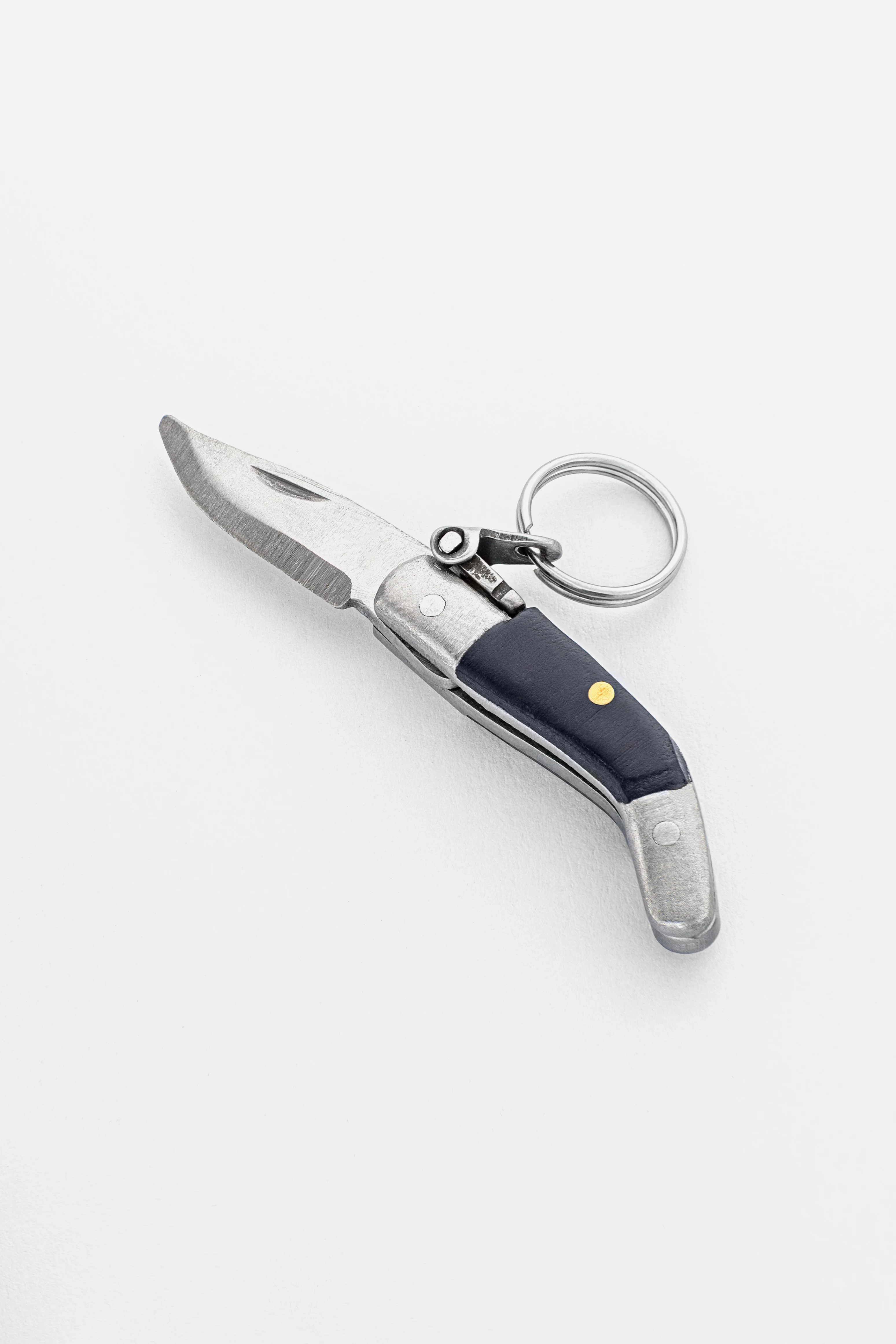
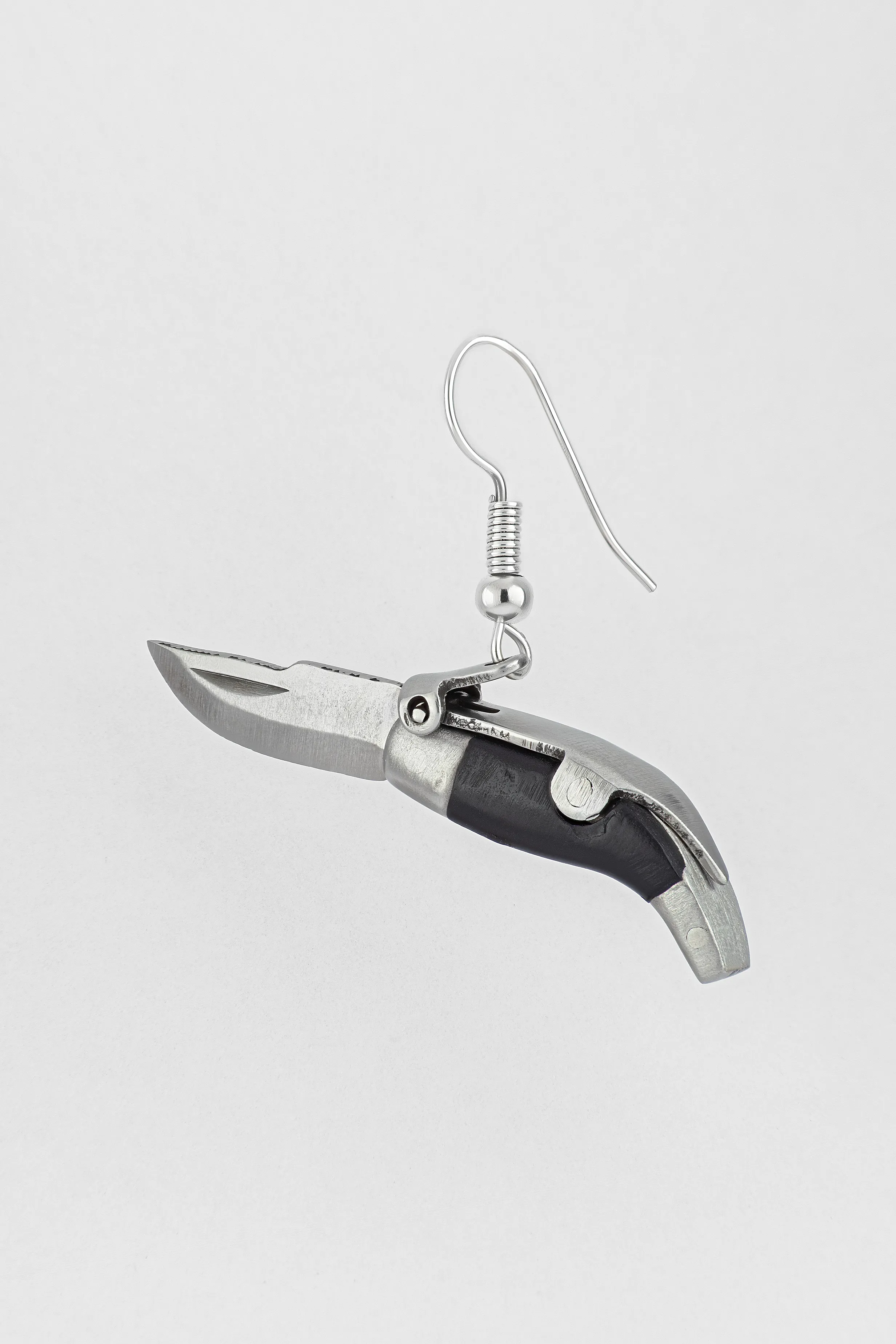
Artisan-crafted CAPAORA navaja pendant
A 40 mm stainless-steel navaja with a real folding mechanism and Palanquilla lock. An affordable gift to remember.
A code for blog readers:
10% off your first order
Authentic · Maker's guarantee · Ships from Spain
Your Birthday Moon: The Trend That Took Over Jewellery
In the late 2010s, a trend emerged that turned moon phase jewellery from a niche spiritual practice into a mainstream phenomenon: birthdate moon phase personalisation. The idea is simple. You look up what the moon looked like on the night you were born, and you wear that exact phase.
The appeal is obvious. Your zodiac sign is shared with roughly 8% of the population. Your birthdate moon phase is shared with about 3.6% (since there are roughly 28 distinguishable phases). It feels more specific, more personal, more yours.
Several apps and websites now let you input any date and instantly see the moon phase. This technology turned a concept into a product category. By the early 2020s, birthdate moon phase necklaces were one of the bestselling categories in personalised jewellery.
The psychological appeal goes beyond novelty. Your birth date is the one date that is absolutely, undeniably yours. Connecting it to a celestial event makes it feel cosmic, even if you're not particularly spiritual. "I was born under a waning gibbous" sounds more interesting than "I'm a Sagittarius," partly because fewer people know what it means.
There's also a subtlety to birthdate moon jewellery that zodiac jewellery lacks. A Scorpio pendant announces itself. A specific moon phase pendant is private. Only you know what it represents unless you choose to explain it. It's personal symbolism that doesn't broadcast itself, which is exactly what a lot of jewellery buyers want in 2026.
Leave your email, we'll send your discount code. No spam, unsubscribe anytime.
The code arrives by email, valid on your first order.
Couples Moon Phase Jewellery: The Night You Met
Building on the birthdate trend, couples began ordering moon phase jewellery for the date they met, their first date, or their wedding day. Some designs place two moon phases side by side: the phase from each person's birthday. Others feature a single phase marking a shared moment.
This is, in a practical sense, a tattooing impulse translated into jewellery. Couples have always wanted to mark their story with symbols. Initials, dates, coordinates. The moon phase adds something those don't: an image that's beautiful on its own terms, even if you never explain it.
Some couples wear matching pieces showing the same phase. Others deliberately choose complementary designs: one wears the crescent from the night they met, the other wears the matching crescent that "completes" the moon. It's romantic in a way that doesn't require explanation, and it works for any kind of relationship, not just marriages.
The trend has also extended to memorial jewellery. People wearing the moon phase from the night a loved one died, or was born, or got married. The moon becomes a timestamp, a way of freezing a moment in the sky and carrying it with you.
Farming by the Moon: From Ancient Fields to Biodynamic Wine
Before moon symbolism became a jewellery trend, it was an agricultural practice. Planting by the moon is one of the oldest farming techniques in human history, and it's still used today by millions of farmers worldwide.
The basic principle: plant crops that produce above the ground (tomatoes, lettuce, grains) during the waxing moon (new to full). Plant crops that produce below the ground (carrots, potatoes, onions) during the waning moon (full to new). The reasoning varies. Some traditions cite the moon's gravitational pull on water in the soil (similar to how it pulls ocean tides). Others frame it in terms of "rising" and "descending" energy.
Scientific evidence for lunar planting effects is thin but not entirely absent. A 2012 study from the University of Zurich found small but statistically significant differences in germination rates based on lunar phase, though the researchers cautioned against overstating the results. Most agricultural scientists consider lunar planting calendars to be folk tradition without reliable scientific support.
But here's the thing: biodynamic agriculture, which is a certified, internationally recognised farming system used by some of the world's most prestigious wineries, explicitly incorporates lunar cycles. Rudolf Steiner developed biodynamic agriculture in 1924 in Germany, and its lunar planting calendar is a core component. Domaine de la Romanee-Conti, one of the most expensive wine producers on earth, follows biodynamic principles including lunar timing. So does Bonny Doon in California and Cullen in Australia.
Whether the moon actually affects plant growth or whether biodynamic farming works for other reasons (increased attention to soil health, reduced chemical inputs, careful timing), the practice connects jewellery wearers to an agricultural tradition that stretches back to the Babylonians. When you wear a moon phase, you're wearing a farmer's calendar, a sailor's tide chart, and a gardener's planting guide, all compressed into a silver disc.
The Moon in Psychology: Lunacy, Full Moon Myths, and What Science Says
The word "lunatic" comes from the Latin "luna" (moon). The word "lunacy" entered English law in the 13th century, when it was genuinely believed that the full moon could cause madness. British law distinguished between "lunatics" (whose insanity was intermittent and linked to the moon) and "insane" persons (whose condition was permanent).
This belief wasn't marginal. Paracelsus, the 16th-century physician considered a founder of modern medicine, wrote that the moon had the power to "throw men into lunacy." The belief persisted in psychiatric practice well into the 18th century. Some hospitals reportedly restrained patients more heavily during full moons.
The idea that the full moon causes strange behaviour is still widely believed, even among people who work in healthcare. Surveys have repeatedly found that many nurses and doctors in psychiatric settings say they feel the full moon affects how their patients behave, a perception that endures despite the evidence below.
But what does the research say? Multiple large-scale studies (Raison et al., 1999; Rotton & Kelly, 1985; numerous others) have found no statistically significant correlation between the full moon and emergency room admissions, crime rates, suicide rates, psychiatric hospital admissions, or birth rates. The connection doesn't hold up when you look at actual data rather than anecdotal reports.
So why do so many people believe it? Psychologists point to confirmation bias. If you expect the full moon to bring chaos, you notice and remember the chaotic nights that happen to fall during a full moon. You don't notice or remember the chaotic nights that fall during a crescent moon, or the perfectly calm full moon nights. Over time, your selective memory constructs a pattern that isn't there.
There's a poetic irony in this. The moon's psychological power over humans turns out to be a psychological phenomenon in itself. We don't go crazy because of the moon. But we believe we go crazy because of the moon, which tells us something fascinating about how human minds work.
For jewellery, the full moon's association with wildness and heightened emotion is part of its appeal. Wearing a full moon piece is a way of embracing intensity, even if the intensity is symbolic rather than astronomical.
Send a friend a discount code, they save on their first order.
Moon Jewellery: What to Look For
Moon imagery appears across nearly every category of jewellery: pendants, earrings, rings, bracelets, and brooches. Here's what distinguishes good moon pieces from forgettable ones.
Detail matters. The best moon jewellery captures the actual texture of the lunar surface, or at least nods at it. A smooth silver disc is a circle. A textured silver disc with subtle cratering is a moon. The difference is in the craft.
Phase accuracy. If you're buying a specific phase (especially for birthdate or couples jewellery), check that the design accurately represents that phase. A waxing crescent should curve to the right (Northern Hemisphere convention). A last quarter should be illuminated on the left. Getting this wrong undermines the whole point.
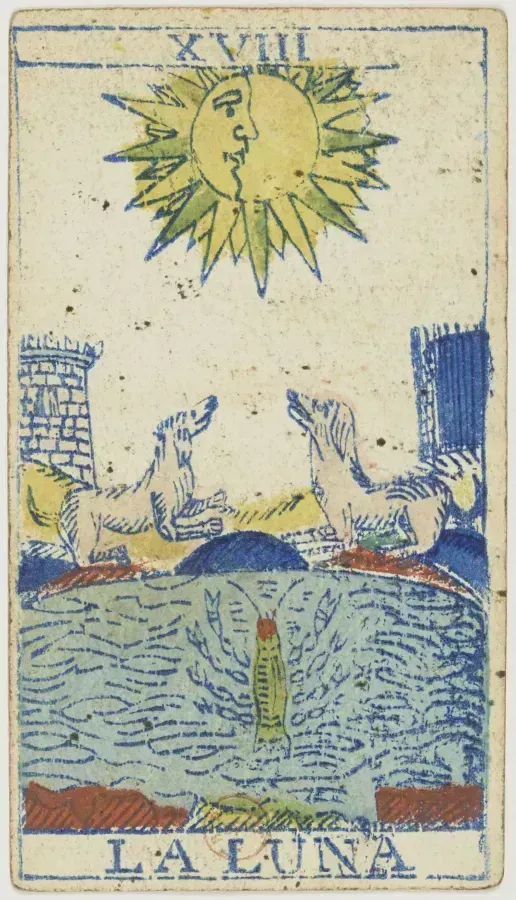
Symbolic layering. Moon jewellery works beautifully with other celestial and symbolic pieces. Stars, suns, and zodiac symbols complement moon phases without competing. Tarot-inspired pieces (particularly The Moon card, which depicts a full moon with a lobster, two towers, and a winding path) pair naturally.
The products we make that carry moon energy:
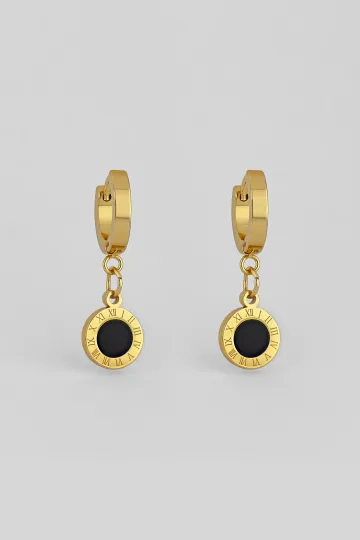
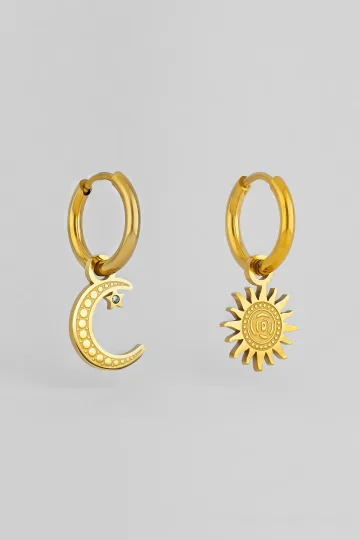
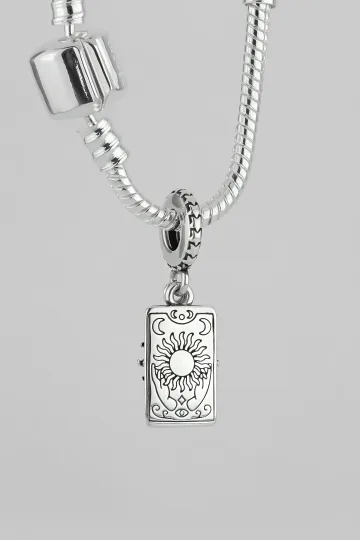
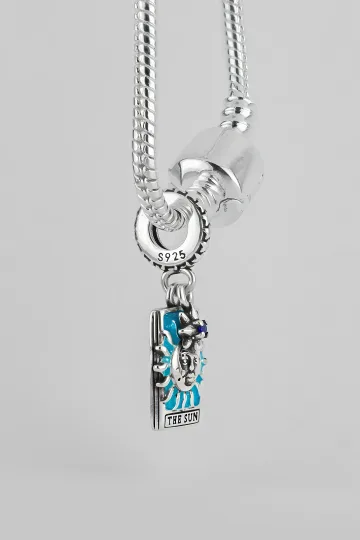
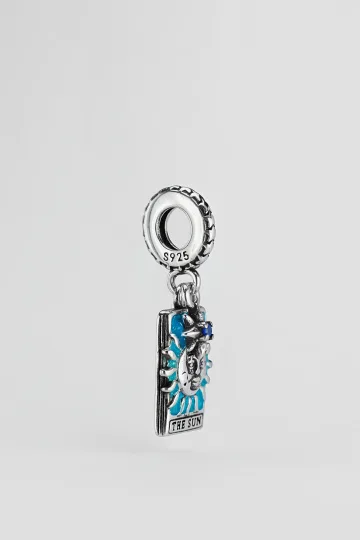
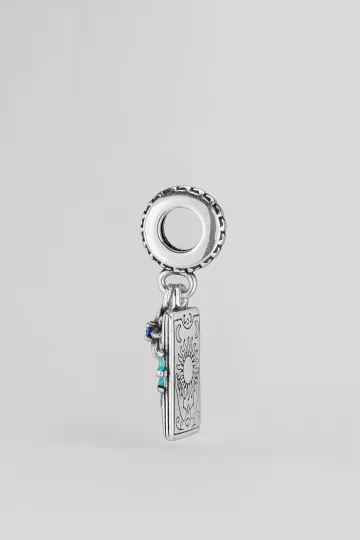
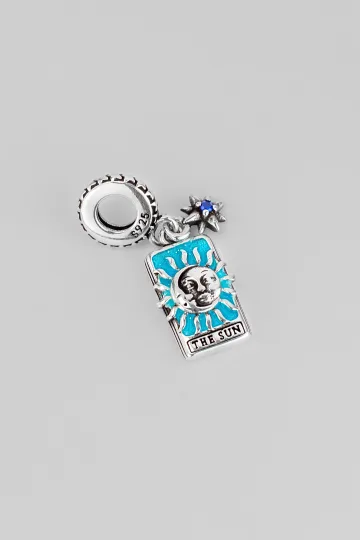
The Moon Tarot Card Hoop Earrings depict the iconic imagery of the 18th Major Arcana card, a piece that carries all the dreamlike, intuitive symbolism of both the tarot and the moon itself. The Sun and Moon Tarot Earrings pair the two great luminaries together, representing the balance of conscious and unconscious, day and night, logic and intuition. The Sun and Moon Ring carries that same duality on your finger. And the Midnight Clock Earrings capture the specific moment when one day becomes another, when the moon rules and time feels different.
Frequently Asked Questions
What does a crescent moon symbolise? The crescent moon is one of the oldest symbols in human culture, dating back at least 4,600 years to Sumerian jewellery. It symbolises growth, change, and transition. A waxing crescent (opening to the right) specifically represents new beginnings and emerging potential. A waning crescent (opening to the left) represents release and contemplation. In Islamic culture, the crescent carries additional significance as a cultural symbol connected to the lunar calendar.
What moon phase is best for jewellery? There's no objectively "best" phase. It depends on what resonates with you. The crescent is the most popular because it's visually striking and symbolises growth. The full moon is popular for its associations with completeness and power. For personalised jewellery, the "best" phase is the one from your birthday, your wedding, or another date that matters to you.
Can you really look up what the moon looked like on any date? Yes. Lunar phase calculators are widely available online and as apps. The moon's cycle is mathematically predictable, so you can find the exact phase for any date in history with high accuracy. This is what makes birthdate moon phase jewellery possible.
Is the triple moon symbol religious? It comes from Wiccan and neo-pagan tradition, where it represents the Maiden, Mother, and Crone aspects of the goddess. But many people wear it outside any religious context, simply as a symbol of life's phases or feminine power. Its roots in Greek mythology (Artemis, Selene, Hecate) predate Wicca by thousands of years.
Does the full moon actually affect people? Despite widespread belief, large-scale scientific studies have consistently found no significant correlation between the full moon and emergency admissions, crime rates, births, or psychiatric episodes. The belief persists because of confirmation bias: we notice and remember events that confirm our expectations. The psychological impact is real, but it comes from our beliefs about the moon, not from the moon itself.
Why do so many cultures connect the moon to women? The near-overlap between the menstrual cycle (averaging 28 days) and the lunar cycle (29.5 days) was noticed independently by cultures worldwide. This led to widespread associations between the moon, femininity, fertility, and cyclical change. Linguistically, "menstruation" derives from the same root as "moon" in many languages. Modern science hasn't confirmed a biological link, but the cultural connection spans virtually every civilisation.
What's the difference between moon phase jewellery and zodiac jewellery? Zodiac jewellery is based on sun signs (your birth month), which is shared by about 8% of the population. Moon phase jewellery based on your exact birth date is more specific (shared by about 3.6% of people) and feels more personal. Moon phase pieces also tend to be more visually subtle, since not everyone can identify a specific phase at a glance, giving them a private, personal quality.
Silver and gold jewellery, wedding bands, symbolic pendants, paired sets.
The light we borrow
The moon doesn't generate light. It borrows it from the sun, reflects it, transforms it into something softer and stranger. In a way, that's what moon symbolism does too. It takes the raw material of astronomy, the mechanical orbit of a rock around a planet, and transforms it into meaning.
Every culture has done this. Mesopotamian priests charting the crescent. Egyptian healers crafting moon amulets. Greek poets splitting the moon into three goddesses. Islamic scholars timing Ramadan by the first visible sliver. Wiccan priestesses drawing down the full moon's power. Farmers planting potatoes in the dark of the moon. Lovers wearing the phase from the night they met.
None of these people are looking at the same moon, in the sense that they all see different things in it. But they're all doing the same thing: finding human meaning in something inhuman. Making the cosmic personal. Turning light borrowed from a star into a story they can wear on their skin.
That's what moon jewellery is, when it's done right. Not a fashion accessory. Not a spiritual claim. A very old human habit of looking up, noticing that the sky is beautiful and strange and always changing, and wanting to carry a piece of it with you.
Wear the symbol, don't just read about it. These are in stock:
About Zevira
Zevira makes jewellery by hand in Albacete, Spain. Lunar imagery runs through our whole celestial collection, and we treat a moon phase as a personal timestamp rather than a fashion badge. The exact night someone wants to wear on their skin, whether it marks a birth, a first meeting, or a date that mattered, can be set into metal precisely.
What you'll find with us on the moon theme:
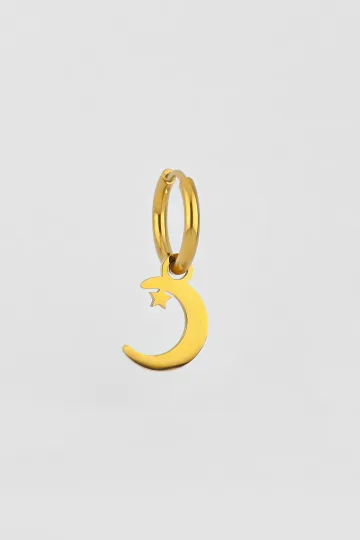
- Crescent pendants in both waxing and waning orientations
- Pendants with the textured surface of a full lunar disc
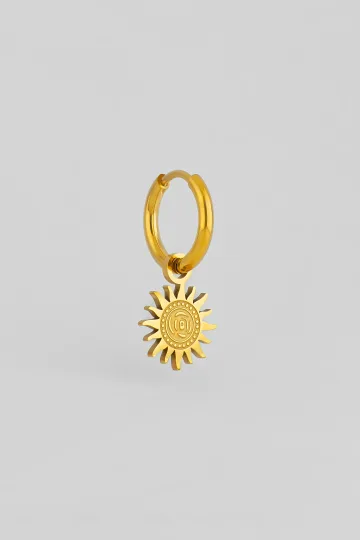
- Earrings and rings with the sun and moon motif
- Paired sets carrying a phase for two dates
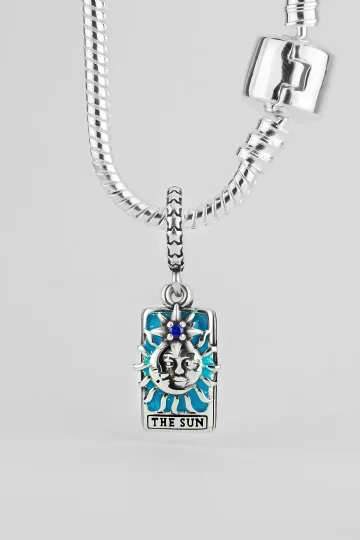
- Pieces with The Moon tarot card for anyone who likes to layer their symbols
- Celestial designs with stars and zodiac signs to pair with a moon phase
Every piece is made by hand, with the option of personal engraving. Sterling silver 925 and 14 to 18K gold.