Alexandrite in Jewelry: The Stone That Changes Color in Daylight and Lamplight
In daylight, the stone gleams with emerald-green brilliance. Turn on the lamp in the evening, and before you lies something entirely different: a fiery-red or crimson jewel. Alexandrite does not fake this magic, nor does it require special lighting tricks. It truly changes color depending on the light source. This is not optical illusion but a rare physical phenomenon called pleochroism. That's why alexandrite is known as the stone of transformation: day becomes night, and its appearance transforms with you.
The discovery of this marvel began in the Urals in the 1830s. In mines near Ekaterinburg, miners found an unusual chrysoberyl crystal with such rare properties that it was named after the young Alexander, the future Tsar Alexander II. The imperial herald declared it a stone of fortune for the Romanov dynasty. Since then, alexandrite has never ceased to amaze jewelers, collectors, and people who believe in stone energy. Rarity, beauty, and the philosophy of transformation are what make alexandrite one of the most sought-after coloured gemstones.
History of Alexandrite: From Discovery to Modern Era
Birth of a Legend in the Ural Mines
Alexandrite arrived in the jewelry world remarkably recently, in historical terms. While diamonds, sapphires, and emeralds have been known for millennia, alexandrite was officially discovered only in 1831. The setting: mines near Sverdlovsk (the old name for Ekaterinburg), specifically along the Tavatuy River. Local miners found unusual green crystals that appeared to be simply beautiful gemstones.
The miracle occurred in the evening, by candlelight. A gem trader noticed that the largest crystal had changed color from green to red. At first, they thought it was an optical illusion, perhaps caused by flickering candlelight. But experienced specialists confirmed: this was no deception but genuine physics. The stone lived a double life.
Word of the wonder-stone reached the imperial court. Tsar Nicholas I was ruling then, and his attention was drawn to the young Tsarevich Alexander, the future Tsar Alexander II. Court jewelers presented rare stones as gifts. One of them, this miraculous Ural gemstone, impressed the court so much with its transformation that it was named after the Tsarevich: alexandrite. The stone became a symbol of imperial power and greatness. Later in Russia, it was called the stone of kings.
Spread and European Legends
News of alexandrite quickly spread across Europe. By the late 19th century, the Ural gemstone had become a coveted treasure among English aristocracy, French nobility, and Russian merchants. Its price climbed rapidly, since deposits were small and demand was enormous.
During the Victorian era, alexandrite became a luxury hallmark. It was engraved with monograms, set in platinum, crafted into rings, brooches, and lockets. European jewelers understood that the material marketed itself, simply showing the color change was enough to make clients willing to pay any price. By the 1870s, alexandrite sold for more than diamonds of equivalent size.
The legend of transformation captivated minds. People believed that a stone capable of changing its appearance possessed magic, foresight, and the power of adaptation. In Russia, it became linked to the philosophy of day and night, the idea of life's duality, the balance of masculine and feminine principles. In the West, with aristocracy and exclusivity. Whoever wore alexandrite joined the elite. It was a privilege.
The 20th Century and the Disappearance of Ural Alexandrite
By the early 20th century, Ural reserves of alexandrite had been nearly exhausted. The last significant finds date to 1900-1910. Afterward, Ural alexandrite became legend. Today, genuine stones from that era are beyond price, museum treasures. At auctions, they fetch more than many paintings.
Yet humanity did not surrender to supply shortages. The rarer and more expensive alexandrite became, the more geologists scoured the globe. Brazil, Sri Lanka, Zimbabwe, Myanmar, each of these countries held deposits of pleochroic chrysoberyl.
But quality from these new sources was lower. Ural alexandrite possessed perfect clarity and the brightest color contrast: pure grass-green by day, vivid crimson by lamplight. Alexandrites from other lands were often darker, cloudier, with less dramatic contrast. So the Ural remains the king, even when nearly impossible to find.
Modern Revival
Interest in alexandrite is returning today. This stems from growing enthusiasm for jewelry alternatives, with people seeking rare stones beyond traditional diamonds. Alexandrite appeals to collectors and to those who value uniqueness and philosophy.
Fine alexandrite is among the more costly coloured gemstones, with prices varying widely depending on origin, size, and purity of color transformation.
Understanding Chrysoberyl and Global Deposits
Chemistry and Physics of Chrysoberyl
Alexandrite is a variety of chrysoberyl, a mineral with the formula BeAl₂O₄. Beryllium in its composition, a rare element found in less than 0.01% of Earth's crust, already guarantees that any stone containing it will be expensive. The rarity of beryllium alone ensures the value of these gems.
Yellow chrysoberyl is simply called chrysoberyl and valued for beauty but not rarity. Yet when chromium traces, barely a fraction of 1%, enter the crystal lattice, magic happens. Chromium so fundamentally alters the stone's optical properties that it becomes capable of transmitting different light wavelengths depending on direction and source.
The result: pleochroism. Under natural sunlight (cool spectrum), the stone absorbs red waves and appears green, blue-green, or yellow-green. Under lamplight (warm spectrum with red dominance), it absorbs green waves and becomes red, crimson, or pink. No trick, no coating, no deceit. This is fundamental molecular physics.
Chromium's Special Role
Chromium is one of few elements with such unique abilities. Its electron configuration makes it exquisitely sensitive to light's spectral composition. Even minimal chromium (often below 1% by volume) suffices for vivid pleochroism.
Other stones show pleochroism, some sapphires, tourmalines, cordierites. Yet none displays such dramatic, complete color change as alexandrite. In alexandrite, contrast is maximal: nearly monochrome green by day, nearly monochrome red by evening.
Luminescence as an Bonus Effect
Some alexandrite specimens (especially Ural stones) demonstrate faint luminescence: they glow red or orange under ultraviolet light. Chromium again plays this role, manifesting differently. Luminescence doesn't affect a stone's grade but adds mystique.
If you have a quartz UV lamp (blacklight), you can test alexandrite yourself. Quality Ural stones emit bright-red glow. This is an excellent authentication method.
Global Deposits: From Urals to Worldwide Sources
The most legendary alexandrite source lies in the Urals near Sverdlovsk, along the Tavatuy River. Dating to approximately 280-300 million years ago, this deposit formed during continental collision, mountain building, and high-pressure mineral crystallization.
Ural deposits were distinguished by exceptional purity. Transparent, large crystals without fractures emerged. Quality from this source became the world standard.
By the late 19th century, Ural supplies dwindled dramatically. Mining nearly ceased. Today, small specimens are occasional luck; large crystals are legendary.
Brazil became the primary 20th-century source. Minas Gerais and Espírito Santo states contain significant chromium-bearing chrysoberyl. Brazilian alexandrite often shows darker green by day and less vivid red by evening than Ural stones. Yet the finest Brazilian specimens rank among the world's finest.
Sri Lanka remains a historic source. Ceylonese alexandrite (as it's marketed) appears frequently in listings. Quality ranges from modest to excellent, but rarely matches Ural standards.
Zimbabwe, Myanmar, Madagascar, minor sources with inconsistent quality but occasional fine finds.
The essential fact: alexandrite deposits are limited. Far fewer quality stones exceeding 1 carat reach the market than diamonds, which are mined in millions of carats yearly. That scarcity is a large part of alexandrite's enduring fascination.
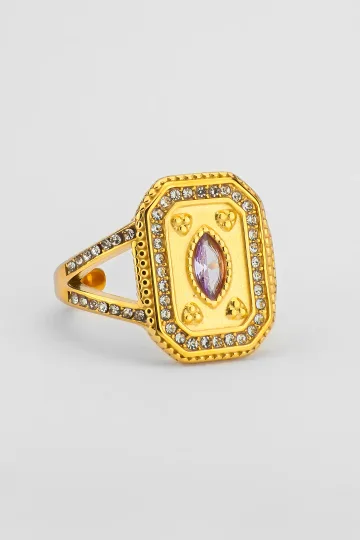
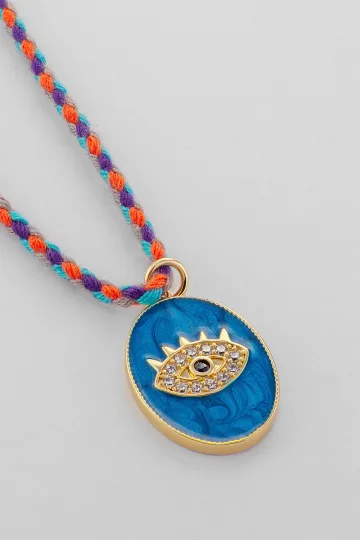
Wear the symbol, don't just read about it. These are in stock:






Pleochroism: Why and How the Stone Changes Color
Light Physics and Material Properties
Pleochroism (from Greek "pleios", many, "chroma", color) means a crystal can absorb and transmit light differently based on ray direction. Every crystal possesses specific structure, symmetry axes, and lattice parameters. When light passes through different crystal axes, it interacts with atoms' electrons differently.
Imagine light as a wave, and electrons in the crystal lattice as fences arranged precisely. One wave orientation passes easily through gaps; another encounters obstacles, reflects, absorbs, disperses.
In alexandrite, chromium ions are the star players. They embed in chrysoberyl's lattice, creating energy levels that selectively interact with visible spectrum wavelengths.
In daylight (cool spectrum, more blue and green), chromium ions excite such that they absorb reds and transmit greens. Result: green stone.
In lamplight (incandescent bulbs, warm spectrum, red-rich), chromium ions excite differently, they absorb greens and transmit reds. Result: red stone.
Why Chromium Specifically?
Chromium is among few elements with such unique sensitivity. Its electron configuration makes it incredibly responsive to light's spectral composition. Even tiny chromium amounts (usually below 1% of stone volume) create vivid pleochroism.
Besides alexandrite, some other stones show pleochroism: sapphires, tourmalines, cordierites. Yet none reaches alexandrite's dramatically complete transformation. Alexandrite's contrast is near-total: nearly solid green by day, nearly solid red by evening.
Luminescence: A Bonus Phenomenon
Several alexandrite samples, particularly Ural-origin stones, display weak luminescence: they glow red or orange under UV light. This again involves chromium but manifests differently. Luminescence doesn't impact a stone's grade but adds mystical appeal.
If you have a quartz UV lamp (blacklight), test alexandrite yourself. Quality Ural gems produce bright-red fluorescence. This is an excellent authentication method.
Daytime Alexandrite: Green in the Sun
Shades of Green
By day, under natural sunlight, alexandrite displays various green hues. The finest specimens show pure grass-green like young May leaves, not dark, not yellow, but clean green.
Ural alexandrite often demonstrates emerald-green with a slight blue cast. This is considered the ideal. Brazilian may be darker, sometimes yellowish. Ceylonese typically appears yellow-green.
Changing viewing angles (an effect called pleochroism in narrow terms) causes slight daytime color shifts: the stone may appear more green or blue-tinted. This adds depth and liveliness. The gem doesn't look flat or one-dimensional.
Viewing Daytime Color Correctly
When examining alexandrite in daylight, use natural light or daylight-spectrum lamps (around 5500-6500K). Under incandescent bulbs (2700K), the daytime effect weakens. Under cool LED, the effect intensifies, the stone may appear blue-green.
Daytime color quality is a primary assessment criterion. Dull, dark, cloudy green indicates low quality. Bright, pure, transparent grass-green signals high quality.
Daytime Color: Philosophy of Growth
In stone therapy and philosophy, alexandrite's green daytime hue symbolizes nature, growth, renewal, the heart center. When the stone is green during day, people wear it to attract healing, development, harmony with nature. Green associates with youth, hope, new beginnings.
Some wear an alexandrite pendant by day as reminder that each day offers growth opportunity, transformation potential, self-improvement. By night, when red emerges, focus shifts to inner energy, passion, deep self.
Customer reviews
Zevira is a real jewellery shop. Genuine payments, deliveries and customer thank-yous.
🥰🥰🥰 gracias
Ok, ¡gracias! 🙂

Nighttime Alexandrite: Red in Lamplight
Shades of Red
Evening, under incandescent or candlelight, alexandrite transforms. The finest specimens become vividly red, sometimes crimson, sometimes with pink tint. Quality Ural stones show nearly fluorescent red, appearing to emit light internally, supernatural beautiful.
Brazilian alexandrite often displays less vibrant red, more brownish-red. Ceylonese may be pinkish, even orange-red.
Angle changes cause slight red-tone shifts, becoming more red or purple. This is called dichroism (when only two colors appear at different angles).
Luminescence and Self-Glow
When the main lamp turns off in darkness, some alexandrite specimens continue faintly glowing. This isn't magic but luminescence, the stone continues emitting red light from prior UV or visible light exposure. The effect lasts minutes, gradually fading.
This makes alexandrite one of few stones that literally glow in the dark. Historically, this connected to magic, divine signs, the stone's power over darkness.
Nighttime Color: Philosophy of Transformation
In symbolism, red means energy, passion, transformation, awakening of hidden power. When alexandrite turns red at night, people wear it to attract dynamism, courage, capacity for change.
Red alexandrite suits those ready to be reborn, shed old skin, walk new paths. It's the stone of initiation, transformation, alchemy. In old alchemy, red signified the final stage of the Great Work, when black becomes red, death becomes resurrection.
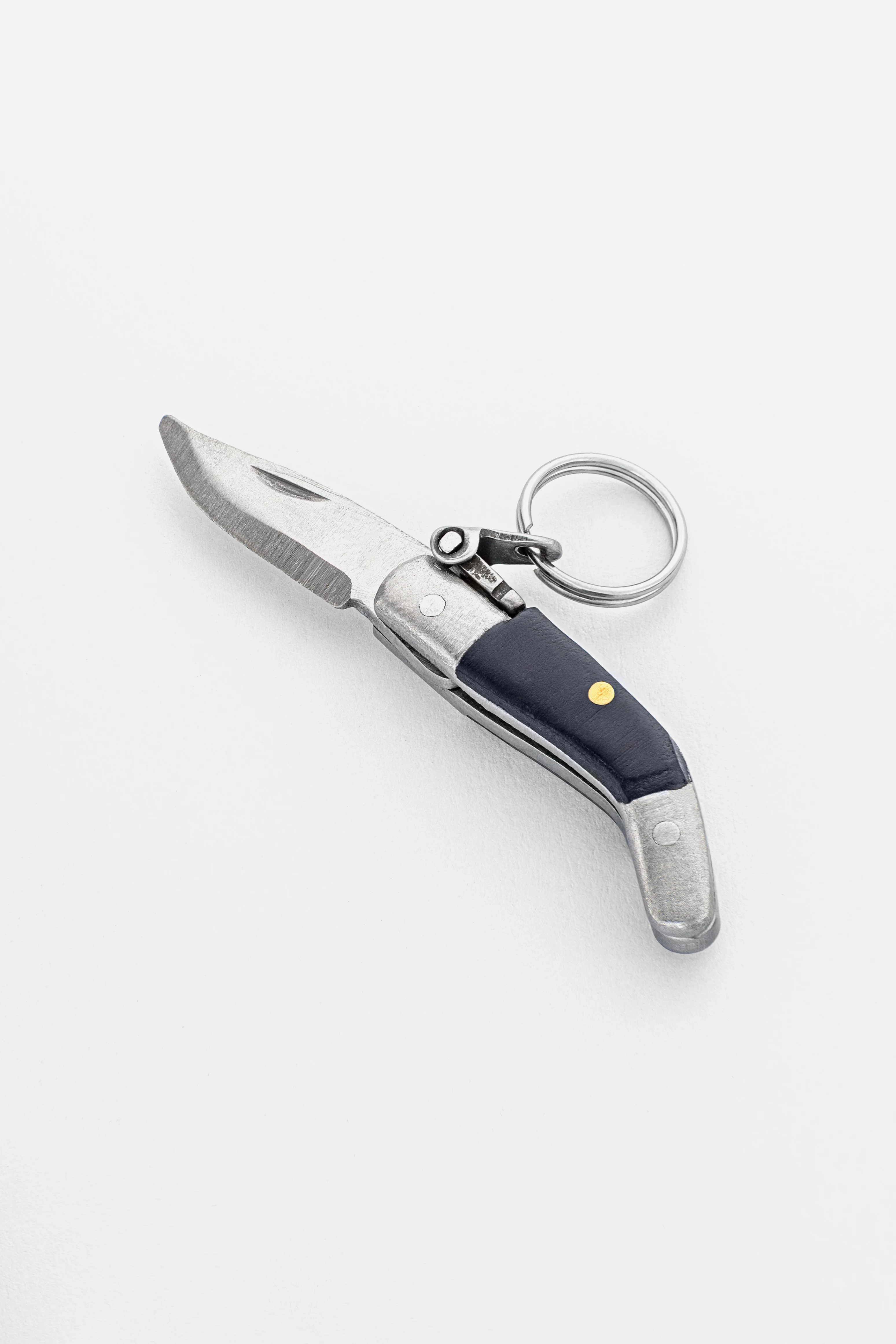
Artisan-crafted CAPAORA navaja pendant
A 40 mm stainless-steel navaja with a real folding mechanism and Palanquilla lock. An affordable gift to remember.
A code for blog readers:
10% off your first order
Authentic · Maker's guarantee · Ships from Spain
Philosophy of Transformation and Duality
Day and Night as Two Sides of One Whole
Alexandrite embodies the philosophy of day and night. It proves that one object can contain two completely opposite aspects. Day represents activity, clarity, growth. Night represents rest, reflection, inner focus. Both are necessary. Both are beautiful.
Wearing an alexandrite pendant means wearing a visual symbol of this duality. By day, the stone reminds of clarity, active light. By evening, it speaks of deep processes, inner worlds.
Masculine and Feminine Principles
Eastern philosophy links day to masculine (yang, activity, clarity), night to feminine (yin, receptivity, mystery). Alexandrite, uniting both, symbolizes gender harmony, inner balance, regardless of wearer's gender.
Women wearing alexandrite often speak of feeling their full personality, strong, decisive, bright (green by day), and deep, mysterious, passionate (red by evening). The same applies to men.
Transformation and Adaptation as Survival
Alexandrite teaches adaptation. If you adapt to varying conditions, shift approach situationally, you survive. You don't break. You thrive.
A stone capable of being both green and red shows flexibility philosophy. Unlike static gems appearing always the same, alexandrite requires you to perceive reality's facets, see multiple aspects of single situations.
Modern Shift: From Imperial Talismans to Zen Philosophy
In 19th-century Russia, alexandrite signified state power, imperial monarchy symbols. Over time, its philosophy deepened. In the 20th century, as Eastern philosophy and Jungian psychology grew popular, people reappraised alexandrite as self-development and transformation tool.
Carl Jung wrote of integrating psyche's light and dark sides. Alexandrite became a visual integration symbol.
Luxury Jewelry with Alexandrite
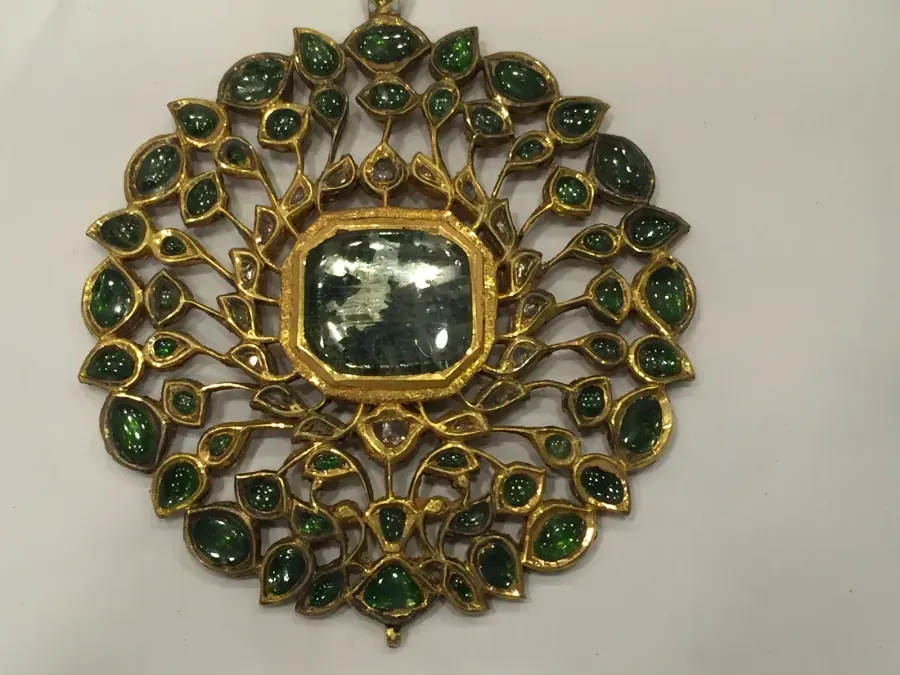
Pendants and Lockets
Alexandrite pendants are the most popular form. Because the stone changes color, pendants never look boring. Even wearing the same pendant daily, daytime shows one jewel, evening another.
Classic luxury pieces feature white gold (18K) or platinum settings. Stone sizes range 1-5 carats. Beyond 5 carats of good quality, rarely found, accessible only to the very wealthy.
Cut shapes: usually step-cut (emerald cut) for color or brilliant cut for sparkle. Top jewelers prefer step-cut for alexandrite.
Pendant prices vary enormously depending on origin, purity, and color-transformation intensity, from entry-level pieces to museum-grade rarities.
Rings
Alexandrite rings are even more luxurious. In daily rings, the stone demonstrates transformation hundreds of times. You look at your hand, see green stone by day; by evening lamplight, this same stone turns red. The effect is magical.
Classic luxury alexandrite rings feature solitaire, one stone, no others. Settings may be intricate (white gold or platinum with filigree) or minimalist.
Ring stone size typically smaller than pendants, since rings contact skin constantly. 0.5-2 carats is normal.
Ring prices reflect the stone's size, origin, and quality, and span a wide range.
Brooches
Alexandrite brooches are rare, beautiful. Brooches typically hold larger stones since they don't contact skin or endure frequent impacts.
Classic Victorian luxury brooches: central alexandrite surrounded by diamonds or pearls, with enamel and filigree work. New examples are rare; collectors seek antique auction pieces.
Modern brooches often feature minimalist design, simple form, single stone, fine gold or platinum.
Earrings
Alexandrite earrings are practical luxury. The stone sits at face level, so transformation is visible frequently.
Classic style: stud earrings with one alexandrite each, diamond-rimmed white gold setting. Ring stone sizes are modest: 0.5-1.5 carats each.
Hanging earrings appear less frequently, large alexandrite is heavy; extended earrings create discomfort over time.
Bracelets
Exclusively alexandrite bracelets are rare. More often, alexandrite appears in mixed jewelry where it neighbors diamonds, other stones, pearls.
Classic: Art Deco bracelet with square or rectangular alexandrite alternating diamond blocks, all platinum-set.
Leave your email, we'll send your discount code. No spam, unsubscribe anytime.
The code arrives by email, valid on your first order.
Rarity and Why It Matters
A Genuinely Scarce Gem
Quality alexandrite exceeding 1 carat is far less common than diamonds, which are mined in millions of carats annually. That scarcity is central to the stone's appeal among collectors.
Ural alexandrite is especially rare. The last significant find was over a century ago. Today, a quality Ural alexandrite over 3 carats is among the rarest coloured stones you can encounter.
Brazilian alexandrite mining yields more, but good-quality material still appears in modest quantities.
What Drives Demand
Fine alexandrite tends to be costly because of several factors at once:
- Limited and largely exhausted deposits (especially Ural)
- Strong collector interest
- Growing curiosity about rare stones as diamond alternatives
Prices for individual stones vary widely with origin, size, clarity, and the strength of the color change, so any figure quoted in one listing rarely matches another.
Collecting vs. Wearing
If you collect, prioritize origin, purity, size, and certification. Uncertified stones generally appraise lower.
For everyday wear, origin matters less. A good-quality Brazilian or Ceylonese alexandrite looks no worse on your hand than a Ural stone.
Best advice: buy the stone that moves you emotionally. Choose one that is beautiful, well cut, and genuine, and enjoy wearing it. Treat any future market value as uncertain rather than guaranteed.
Synthetic Alexandrite and Value
Labs synthesize chromium-bearing chrysoberyl displaying pleochroism. Synthetic looks identical to natural, requiring special testing to distinguish.
Synthetic alexandrite typically costs a fraction of natural material on the market.
For beautiful jewelry, synthetic is an excellent choice. If natural origin matters to you, choose certified stones.
Historic Finds and Royal Jewelry
The Ural Treasure: 19th-Century Royal Pieces
Silver, gold, engagement rings, symbolic jewellery, paired sets.
Historic 19th-century pieces set with Ural alexandrite survive in important state and museum collections. Period jewelry typically pairs the stone with diamonds in platinum or gold, reflecting the taste of the imperial court that first prized it.
The finest historic pieces, when they appear at major auctions, are among the most valuable coloured-stone jewels offered, with prices tied to size, provenance, and craftsmanship.
Age of Exploration: First Specimens in Museums
Several natural history museums hold alexandrite specimens dating from historic 19th-century discoveries. Many are unique, valued as much for their documentation of the early Ural finds as for their beauty.
The largest and best-preserved Ural specimens are treated less as ornaments and more as historical records of the deposit that gave the stone its name.
Modern Exceptional Finds
Occasionally, modern mining yields an exceptional large alexandrite, vivid green by day and richly red by evening, with high clarity confirmed by a recognized gemological laboratory.
When such stones reach the major auction houses, they can command sums comparable to fine diamonds of similar size, underscoring just how rare large, top-colour alexandrite remains.
Energy of Transformation: Meditation and Practices
Meditation on Change
If you believe in stone power, use alexandrite as a transformation meditation tool. Simple practice:
Hold the stone in daylight. Meditate on qualities you wish to develop: clarity, activity, growth. Repeat mentally: "I'm green by day, growing, developing, clear in purpose."
By evening lamplight, hold the same stone and meditate on inner transformation: "I'm red at night, awakening my inner power, my temperament, my passion, my deep self."
Practice for a week or two. A color-changing stone helps you realize transformation is natural, not illness or weakness.
Destiny Change and Transition Rituals
In some cultures, alexandrite serves as a transition-period talisman: job changes, relocations, relationship endings, entering new life stages. The idea: a stone changing appearance supports you through change.
Tradition stresses: don't gift alexandrite to someone fearing change. It suits those ready, understanding life as constant transformation.
Shadow Integration
Psychological approach: wearing alexandrite visualizes "shadow" integration, Jungian terminology. Day represents social self, what we show. Night represents unconscious, sometimes-rejected aspects. Alexandrite reminds that both must coexist, no "bad" or "good" sides exist, only different aspects of one whole.
Wearing alexandrite, some report better understanding personal contradictions, greater calm with mood shifts, clearer motivation understanding.
Practical Selection and Authentication Tips
Testing Pleochroism
When examining alexandrite rings or pendants at a jeweler's, request viewing under two lights:
- Natural daylight (or 5500K daylight lamp)
- Incandescent light (2700K) or standard room lamplight
If the stone noticeably changes (green-to-red or dark-green-to-light-red), that's positive.
If color barely changes or stays green both times, either quality is poor or it's not alexandrite.
Clarity and Transparency
Quality alexandrite should be transparent, with no visible inclusions even on close inspection. Hold it to light, look through the stone. Cloudiness, mistiness, black spots indicate flaws.
Best stones have clarity VS1-VVS1 (very clean, defects require microscope). SI (slightly included) stones cost noticeably less but may look flawless to the naked eye.
Cutting and Shape
Optimal alexandrite cut: step-cut (emerald), highlighting color. Round (brilliant) offers more sparkle but slightly less color saturation.
Cushion, classic for historical jewelry, excellent for large stones.
Oval and pear, less practical but more elegant-looking.
Weight and Size
Remember: price grows non-linearly. Two 1-carat stones together cost less than one 2-carat stone (for equal quality). Large stones are rarer, thus more valued.
On limited budget: buy one good 1-carat stone rather than one poor 3-carat.
Certificates and Origin
For any significant stone, insist on certification from reputable gemological institutes (GIA, AGS, CIBJO). Certificates should state:
- Origin (Russia/Urals, Brazil, Sri Lanka, etc.)
- Treatment (natural, unprocessed)
- Carat weight
- Clarity and color assessment
- Notes on luminescence and pleochroism
Certificates support a stone's value and reassure any future buyer of its legitimacy.
Synthetic vs. Natural
Professional equipment alone distinguishes natural from synthetic alexandrite. Visually, they're identical. Without certificates, you risk buying synthetic at natural prices.
Best protection: buy from reputable jewelers with authenticity guarantees and return policies.
Save the alexandrite for candlelight, not the office strip-lights. Flashing it at noon is like serving a great red chilled: simply not done.
How to Wear Alexandrite
A stone that changes colour by evening does not go into a look like an ordinary gem. After years on shoots I have a few rules that put alexandrite exactly into the right light and the right moment.
What do you wear alexandrite with at the office? For daytime I recommend a small stone, under a carat, in white gold or silver: the cool metal lifts the green daytime tone. A slim solitaire ring or small studs sit easily next to a grey or navy suit and a white shirt. The stone never argues with a work wardrobe, yet with each turn of the wrist it hints that you own something rare.
How do you bring out the red in the evening? For the evening I suggest an open neckline and dark, smooth fabric: black velvet, wine silk, emerald satin. Under warm lamplight and candles the stone turns crimson-red, and a pendant on a long chain in the décolleté reads best of all. Drop earrings that catch the light near the face work by the same logic.
Which metal do you choose for the stone? I choose a cool white metal, white gold or platinum: it lifts the green and does not fight the red. Warm gold I keep for special occasions, where white diamonds and pearls sit alongside, as in historic jewellery. One rule holds: one metal tone per look, and the colour change reads cleaner.
What do you wear for a special occasion? For a celebration I recommend setting alexandrite beside white diamonds or pearls in a warm gold mount. A pairing like this echoes the old jewellery tradition and keeps the stone centre stage. One strong accent always beats several coloured stones competing for the eye.
How do you layer alexandrite? If you want layers, I suggest a fine chain with alexandrite and a second, slightly longer one with a plain locket in the same metal. Stacked rings work too, as long as alexandrite stays the lead and the rest stay minimal and in one metal tone. For daytime, choose a setting open at the back so light passes through the stone and the green stays brighter.

Turn on your camera, pick earrings, a pendant or a ring, and see the piece on yourself in real time.
Switch items in one tap.
Everything runs in your browser: no photo or video is ever uploaded.
Send a friend a discount code, they save on their first order.
FAQ: 20 Questions About Alexandrite
Question 1: True that alexandrite changes from green to red?
Yes, absolutely. It's proven physics: pleochroism. The stone changes based on light's spectral composition. Daylight brings green; warm artificial light brings red.
Question 2: Why call it "stone of transformation"?
Because it changes appearance. Visual proof that one thing has two completely different sides. Philosophically linked to transformation, change, adaptation.
Question 3: Is alexandrite more expensive than diamond?
It depends on size and quality. Top-colour, top-clarity alexandrite is one of the rarer coloured gemstones and can sell for more per carat than a comparable diamond, but prices vary a great deal between individual stones.
Question 4: Where is alexandrite mined?
Historically: the Urals. Now: mainly Brazil, Sri Lanka, Zimbabwe. Ural alexandrite mining is essentially zero.
Question 5: How distinguish Ural from Brazilian?
Ural shows bright contrast: clean grass-green by day, nearly fluorescent red by evening. Brazilian often darker, less vivid. Certificates definitively confirm origin.
Question 6: Is synthetic alexandrite real?
Synthetic alexandrite is as "real" as synthetic diamond. Created in labs but identical mineral, same chemistry. Called synthetic because not earth-mined.
Question 7: How much more expensive is natural vs. synthetic?
Natural alexandrite generally costs many times more than lab-grown material of similar appearance, because natural stones are far scarcer.
Question 8: Can alexandrite tarnish?
No. Alexandrite (8.5 hardness, Mohs scale) doesn't tarnish, fade, lose properties. 200-year-old stones look new.
Question 9: Do all alexandrites luminesce?
Some specimens (especially Ural) show luminescence: glow red under UV. Not all, especially Brazilian or Ceylonese. Absence isn't a flaw, just variation.
Question 10: What UV wavelength tests luminescence?
Short-wave (254nm) or long-wave (365nm). Short-wave shows luminescence brighter. Long-wave (blacklight) common among gemologists. Home testing: UV flashlight.
Question 11: Does alexandrite hold its value?
Like any gemstone, alexandrite is not a financial instrument, and no future value is guaranteed. Collectors are drawn to it for its rarity and beauty rather than as a savings vehicle. If you buy, buy a stone you love.
Question 12: What size do collectors look for?
A minimum of 1 carat of good quality is typical, as smaller stones are harder to resell. Larger stones of 3 to 5 carats are much rarer and more prized.
Question 13: Is certification necessary?
For a significant purchase, yes. A report from a reputable institute such as GIA or AGS documents what you are buying and reassures any future buyer.
Question 14: Can alexandrite lack pleochroism?
Yes, it happens, and such stones are graded lower and priced accordingly. Some buyers choose them deliberately to spend less.
Question 15: How often clean alexandrite?
Like any jewelry. Weekly soft-cloth wipe. Monthly: warm soapy water and soft brush. Ultrasound and steam: safe. No special precautions.
Question 16: Can alexandrite cloud?
No, if genuine. If clouded, either it's not alexandrite or it cracked internally (microscopic fractures visible under magnification).
Question 17: Quality boundaries?
Quality: clean grass-green by day, vivid red by evening, clarity VS+, transparent.
Poor: cloudy, dark, non-color-changing, clarity SI or below, visible inclusions.
Question 18: Suitable as engagement ring stone?
Technically: yes, hard and durable. Traditionally: diamonds. But use alexandrite as alternative if you prefer rarity and philosophy. Often complementary to diamonds.
Question 19: Why did imperial Russia choose alexandrite?
Discovered in Russia, rare, beautiful, symbolic. Transformation (day-night) matched imperial power philosophy, ability to shift appearance contextually. Expensive, emphasizing status.
Question 20: Can one wear alexandrite without believing?
Absolutely. It's simply beautiful, rare jewelry. Even non-believers enjoy its beauty and rarity.
Choosing Luxury Quality and Verifying Authenticity
Luxury Quality Parameters
Luxury means:
- Origin: Ural or finest Brazilian
- Clarity: VVS1-VS1 (no visible flaws)
- Color: Vibrant, bright day-night contrast
- Cut: Precise, without errors
- Weight: 1+ carats
- Certificate: From reputable gemological institute
Authenticity Tests
Pleochroism test: view under different lights. Obvious color change = positive.
Luminescence test: under UV (365nm), stone should glow faintly red. Synthetic may glow; natural usually glows brighter.
Hardness test: alexandrite scratches glass but not by knife. (Use caution!)
Microscope test: at 10x magnification, observe clarity type and absence of synthesis signs (gas bubbles).
Magnet test: alexandrite is non-magnetic. Attraction means it's not alexandrite.
Red Flags
Avoid:
- Uncertified stones, especially cheap ones
- Stones named "alexandrite" that don't change color
- Fake origins ("Ural" but suspiciously cheap)
- Excessive sparkle (synthetic indicator)
- No UV luminescence when genuine usually shows some
Where to Buy
Reputable sources:
- Established jewelry houses with a track record
- Major international auction houses
- Certified gemologists with verifiable credentials
- Reputable museum shops
Avoid:
- Unknown online shops
- Street vendors
- Individuals without documents
About Zevira: Rarity, Transformation, Luxury
In Zevira's philosophy, each jewelry piece tells a story of rarity, what makes you unique. Alexandrite perfectly embodies this.
Wearing an alexandrite, you acknowledge your transformation capacity, adaptability, ability to shift contextually while remaining yourself. It's the stone for those unafraid of change, seeing opportunity in transformation rather than threat.
Zevira offers alexandrite pieces for people who value rarity. Owning fine alexandrite jewelry is an uncommon pleasure, a celebration of beauty and philosophy.
Where we supply certified alexandrite, the relevant pieces come with documentation of origin and grading, so you know exactly what you are wearing. We share the rarity, history, and philosophy of the stone, not just the stone itself.
Choosing alexandrite means choosing more than jewelry. You choose a transformation symbol, rarity, luxury. A stone reminding daily that life is constant becoming, and in that becoming lies beauty.