Why Jewellery Turns Your Skin Green and How to Fix It
The green mark on your neck is not an allergy
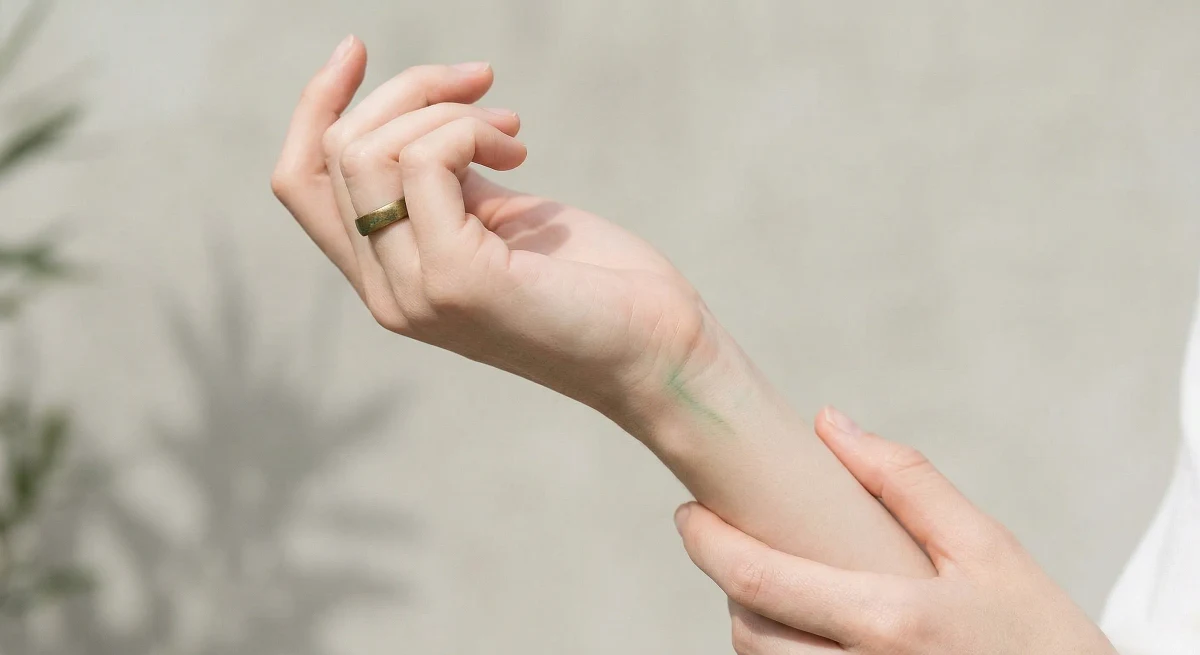
You took off your pendant in the evening, looked in the mirror, and there it was: a green line on your neck. Or a green spot on your finger under the ring. Or on the wrist under the bracelet. First thought: allergy. Second: the piece is defective. Third: I was sold a fake.
All three thoughts are wrong. The green mark is chemistry, not an allergy and not a defect. And it is worth understanding, because the panic of "I was sold a knockoff" makes people throw away perfectly good pieces.
Why It Happens: Chemistry in 30 Seconds
The culprit is copper. Not the piece, not the coating, not "cheap metal." Copper.
Copper is part of brass (60 to 70%), bronze (80 to 90%), sterling silver 925 (7.5%), rose gold (up to 25%), and many jewellery alloys. This is not an impurity or a cost-cutting measure. Copper is added deliberately: without it, silver would be too soft to hold its shape, brass would not exist as a material, and rose gold would not be pink.
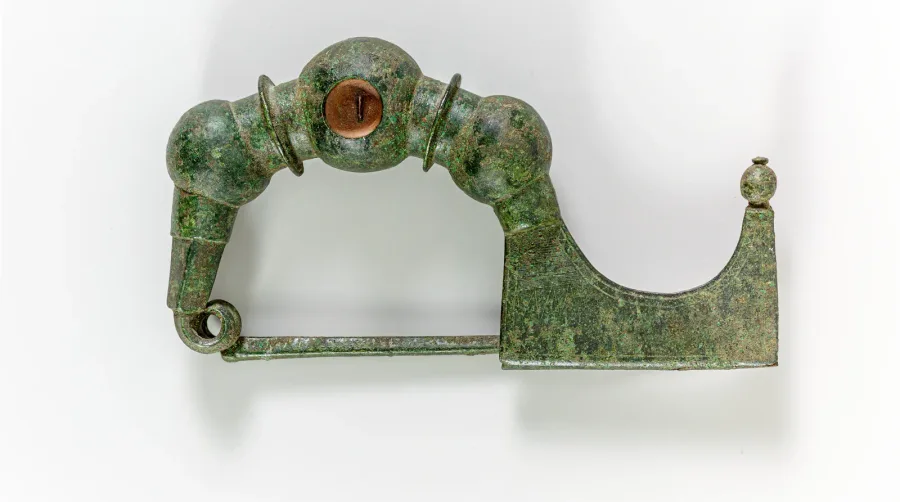
When copper contacts the acid in sweat (pH 4.5 to 7), it oxidises. The product is copper oxide and copper carbonate. The colour: green. The same green you see on old copper roofs, on the Statue of Liberty, on church domes across Europe. Patina.
On skin it looks like a green line or spot. Harmless. Non-toxic. Not contagious. Washes off with soap in 30 seconds. Not a sign of cheap jewellery, not a health hazard, not a reason to bin the piece.
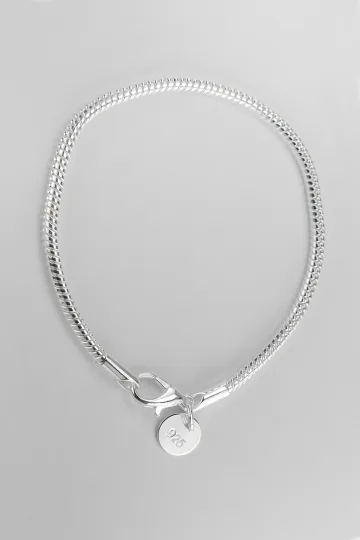
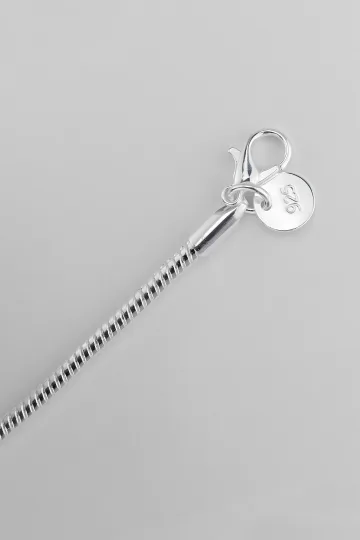
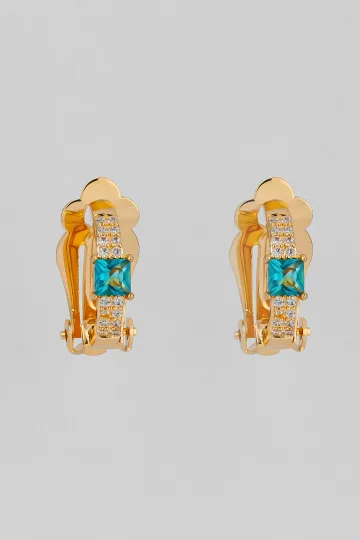
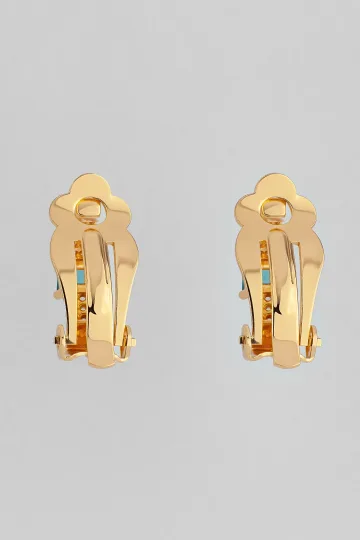
Wear the symbol, don't just read about it. These are in stock:


Which Jewellery Turns Green and Which Does Not
Contains copper (can turn green)
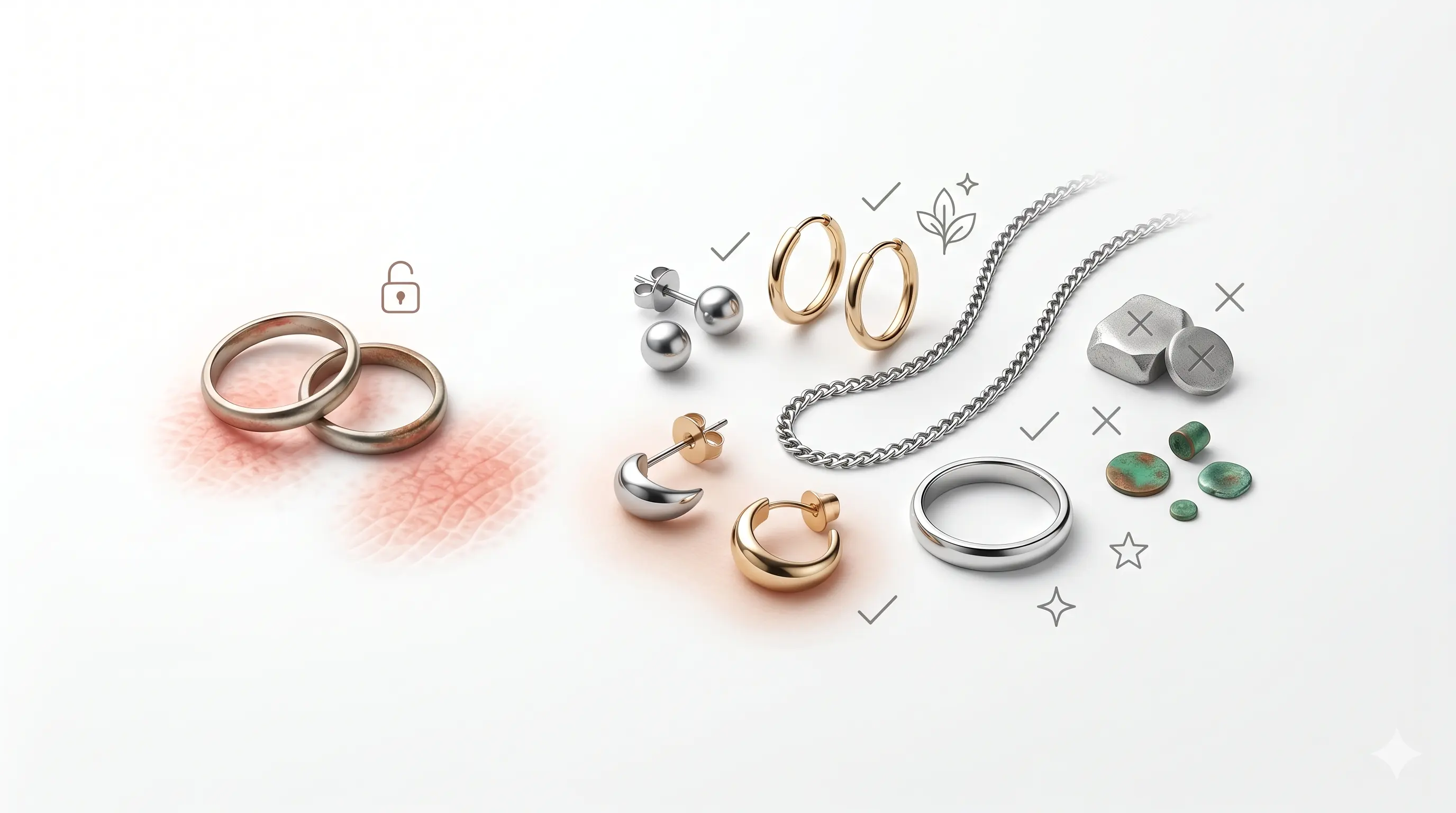
Bare brass. 60 to 70% copper. Turns green fastest. If you wear a bare brass pendant on skin in the heat, a green line can appear within a single day. Brass is the most reactive common jewellery metal.
Brass with worn coating. The coating (PVD, electroplating) creates a barrier between copper and skin. While the coating is intact, no contact, no green. When the coating wears through (1 to 5 years depending on care), copper reaches the skin and the reaction begins. More on coating care and tarnish prevention.
Sterling silver 925. 7.5% copper. Turns green rarely and mildly, because there is less copper. But with prolonged contact with sweaty skin (a ring worn through summer, a bracelet at the gym), it is possible.
Rose gold. Up to 25% copper, which gives it the pink colour. Can turn green, especially 10K and 14K rose gold (more copper than 18K).
Bronze. 80 to 90% copper. Almost guaranteed to turn green on prolonged skin contact.
Costume jewellery. Cheap alloys often contain copper in unpredictable proportions. Turn green quickly and aggressively. This is where the "green equals cheap" reputation comes from, but the chemistry is the same as in 925 silver.
No copper (cannot turn green)
Stainless steel 316L. Zero copper. Chromium plus nickel plus molybdenum plus iron. Nothing to turn green. Physically impossible. This is why stainless steel is the material of choice for people who react to copper. More on the comparison of metals.
Titanium. Zero copper. Absolutely inert. Used in medical implants because the body does not react to it at all.
Platinum. Zero copper (usually alloyed with iridium or ruthenium). The luxury "zero green" option.
Rubber, silicone, nylon. Zero metal at all. No reaction possible.
Pure gold 999. No alloy additions. But pure gold is too soft for everyday jewellery and priced accordingly.
Factors That Make It Worse (Or Better)
The same brass pendant on two different people gives different results. One gets a green line within an hour. The other wears it for a month with nothing. Why the difference:
Body chemistry
Sweat acidity. Everyone's sweat has a different pH, ranging from 4.5 to 7.5. The more acidic the sweat (lower pH), the faster the reaction with copper. Some people's sweat is so acidic that any copper-containing metal turns green within hours. Others have alkaline sweat and never see green. This is genetic, not something you can control.
Diet. Acidic foods (citrus, tomatoes, vinegar, wine) can temporarily lower sweat pH. A heavy pasta-with-tomato-sauce dinner might make your ring turn green the next morning. Not because the food "toxified" you, but because it shifted your sweat chemistry slightly.
Hydration. Dehydrated skin produces more concentrated sweat (higher salt, higher acid concentration). Drinking enough water dilutes sweat and can reduce the reaction. Not a miracle cure, but it helps.
External factors
Humidity. Water catalyses the reaction. In dry climates it happens more slowly. In humid ones (tropics, hot summer, gym, sauna) it is faster. A brass pendant that causes no green in an air-conditioned office may turn green within hours at the beach.
Perfume and creams. Chemical components of perfume (alcohol, aldehydes) and creams (acids, oils, fragrances) accelerate copper oxidation on skin contact. Apply cream to the neck, put on a brass pendant, and the green appears faster. The "last on, first off" rule applies: jewellery goes on after cosmetics have been absorbed.
Chlorine. Swimming pools are copper's enemy. Chlorinated water accelerates oxidation dramatically. If you swim with brass or silver jewellery, expect green.
Hot water. Showers, baths, hot tubs. Heat opens pores, increases sweat, and the water itself catalyses the reaction. Always remove copper-containing jewellery before bathing. More in the water and jewellery guide.
Climate. Living in a tropical climate versus a dry one makes a measurable difference. If you moved from London to Singapore and your jewellery suddenly turns green, the humidity is the explanation.
Medical and hormonal factors
Pregnancy. Hormonal changes during pregnancy alter sweat composition significantly. Many women notice that jewellery starts turning green during pregnancy even if it never did before. This is temporary and resolves after delivery, though it may take a few months.
Menstrual cycle. Some women notice their jewellery turns green at certain points in their cycle, particularly during the luteal phase (after ovulation, before menstruation), when progesterone levels are high and body temperature rises.
Medication. Certain drugs change sweat chemistry:
- Antibiotics (particularly tetracyclines) can increase sweat acidity
- Hormonal treatments (birth control pills, HRT) shift the hormonal environment that governs sweat composition
- Blood pressure medications can alter sweating patterns
- Thyroid medications can affect metabolic rate and sweat output
If you notice your jewellery started turning green after starting a new medication, it is not coincidence. The medication changed your sweat, and the sweat changed the reaction.
Thyroid conditions. Hyperthyroidism increases metabolic rate, body temperature, and sweating. People with overactive thyroid often report faster tarnishing of jewellery and more frequent green marks.
Menopause. Hot flushes increase sweating, and hormonal shifts change sweat composition. Women who never had green marks may start experiencing them during menopause.
Stress. Stress sweat (from the apocrine glands) has a different composition than exercise sweat (from the eccrine glands). Stress sweat contains more proteins and fatty acids, which can accelerate the copper reaction. A stressful week at work can produce more green than a week at the gym.
Customer reviews
Zevira is a real jewellery shop. Genuine payments, deliveries and customer thank-yous.
🥰🥰🥰 gracias
Ok, ¡gracias! 🙂
Is It Dangerous?
No. Copper oxide and copper carbonate on skin are harmless. Copper is a trace element your body consumes with food every day (1 to 2 mg). The amount of copper reaching the skin from jewellery is micrograms. Thousands of times less than you get from a handful of cashews.
The green mark is a cosmetic issue, not a medical one. Washes off with soap. Does not cause disease. Does not accumulate in the body. Does not penetrate deeper than the very top layer of skin (stratum corneum).
The one exception: if alongside the green you see itching, redness, a rash, or swelling, that is contact dermatitis (an allergic reaction). That is a different problem entirely, and the allergen is almost always nickel, not copper.
Green Mark vs Allergy: How to Tell Them Apart
This is the most important distinction in the article.
| Sign | Green (copper oxide) | Allergy (contact dermatitis) |
|---|---|---|
| Skin colour | Green | Red |
| Itching | No | Yes, often intense |
| Rash | No | Yes (small blisters, bumps) |
| Swelling | No | Possible |
| Pain | No | Possible (burning sensation) |
| Goes away after removal | Washes off immediately | Persists for hours or days |
| Culprit | Copper (brass, bronze, silver alloy) | Nickel (costume jewellery, some white gold) |
| Danger | None | Needs treatment |
| Solution | Wipe, change material or maintain coating | Eliminate nickel entirely |
If you have red, itchy, swollen, blistered skin under the piece, that is not copper. That is nickel. Remove the piece, apply antihistamine cream, and do not wear that particular item again. Switch to stainless steel 316L or titanium, which are hypoallergenic and contain no free nickel.
Nickel allergy affects roughly 10 to 15% of women and 1 to 3% of men. It is one of the most common contact allergies worldwide. If you have it, you know: the reaction is unmistakable. Green from copper is painless and washes off. A nickel rash is angry and persistent.

Turn on your camera, pick earrings, a pendant or a ring, and see the piece on yourself in real time.
Switch items in one tap.
Everything runs in your browser: no photo or video is ever uploaded.
How to Prevent the Green Mark
Option 1: Choose copper-free material
The most reliable approach. Stainless steel 316L: zero copper, zero green. Permanently. If the green mark genuinely bothers you and you do not want to think about it ever again, stainless steel is the answer. It does not react with anything on your body.
Option 2: Maintain the coating on brass pieces
Coated brass does not turn green while the coating is intact. PVD coating creates a physical barrier between the copper in the brass and your skin. To make the coating last as long as possible:
- Remove before shower, pool, gym, and sport
- Do not apply perfume or cream to skin directly under the piece
- Wipe with a soft cloth after every wearing (removes sweat and oils)
- Store in a dry place, separate from other pieces
- Avoid sleeping in jewellery (friction against sheets wears coating)
With careful handling, PVD coating lasts 3 to 5 years. With careless handling, 6 to 12 months.
Option 3: Clear nail polish barrier
Apply clear nail polish to the inside of the pendant, ring, or bracelet (the side touching skin). The polish layer creates a barrier between copper and skin. Cheap, effective, lasts 2 to 4 weeks. Then reapply. An old method, and it works.
Tip: apply two thin coats rather than one thick one. Thin coats dry smoother and last longer. Let the first coat dry completely before applying the second.
Option 4: Jeweller's sealant
A step up from nail polish. Jeweller's sealant (also called "ProtectaClear" or similar products) is a clear coating designed specifically for metal. It lasts longer than nail polish (2 to 3 months) and is more resistant to wear. Available from jewellery supply shops.
Option 5: Wear a cloth or leather barrier
If the piece is a bracelet, wear it over a thin shirtsleeve. If a pendant, let it rest on clothing rather than bare skin. No skin contact means no reaction. Not always practical, but effective for pieces you only wear occasionally.
Option 6: Accept it
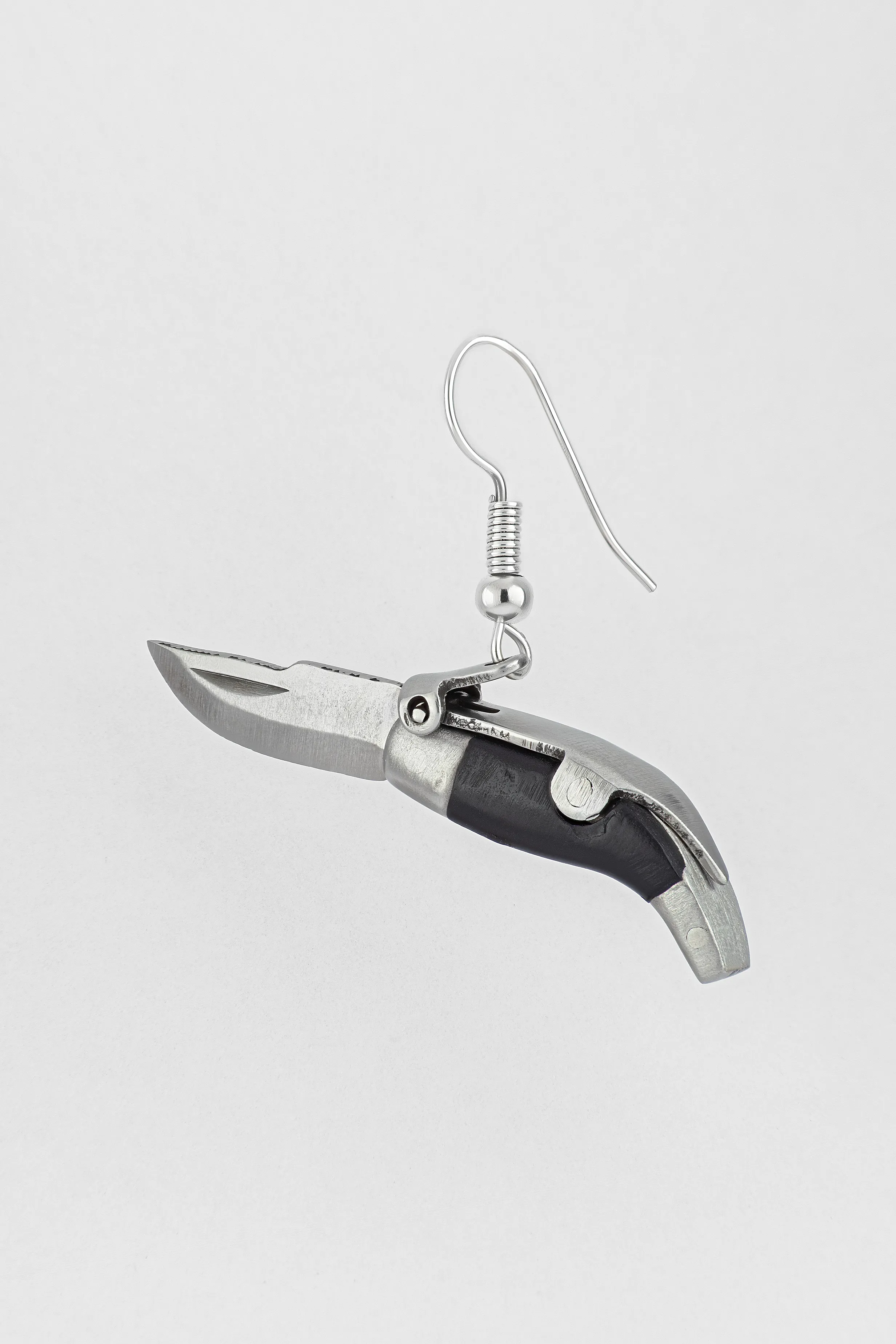
Patina on brass is not a defect. Many enthusiasts deliberately never clean their brass pieces, letting them darken and "age." The green line on skin is temporary (wash and forget). Patina on the pendant is lasting character. It is a matter of perspective. A capaora with patina looks like a working knife that has seen action. A tree of life with a darkened background gains depth.
How to Remove the Green Mark from Skin
Soap and water. Enough in 90% of cases. Ordinary soap, warm water, 30 seconds. The copper oxide dissolves easily.
Micellar water. If soap did not manage it. Micellar water dissolves oxides and lipids. Apply to a cotton pad, wipe.
Lemon juice. The citric acid dissolves copper oxide instantly. A drop of lemon on a finger, rub the green spot, rinse. Works on even stubborn marks.
Baking soda paste. Mix baking soda with a few drops of water to form a paste. Rub gently on the green mark. Rinse. The mild abrasive action removes the oxide layer.
Toothpaste. Mild abrasive plus whitener. Apply, rub for 10 seconds, rinse. Works on stubborn marks. Use white paste, not gel.
Rubbing alcohol. Dissolves copper compounds effectively. Apply to a cotton pad, wipe, rinse. Quick and clean.
What does NOT work: scrubbing with a rough cloth or brush. The green is not "stuck on" like dirt. It is a thin chemical deposit. Chemical dissolution (acid, soap, alcohol) works better than mechanical abrasion.
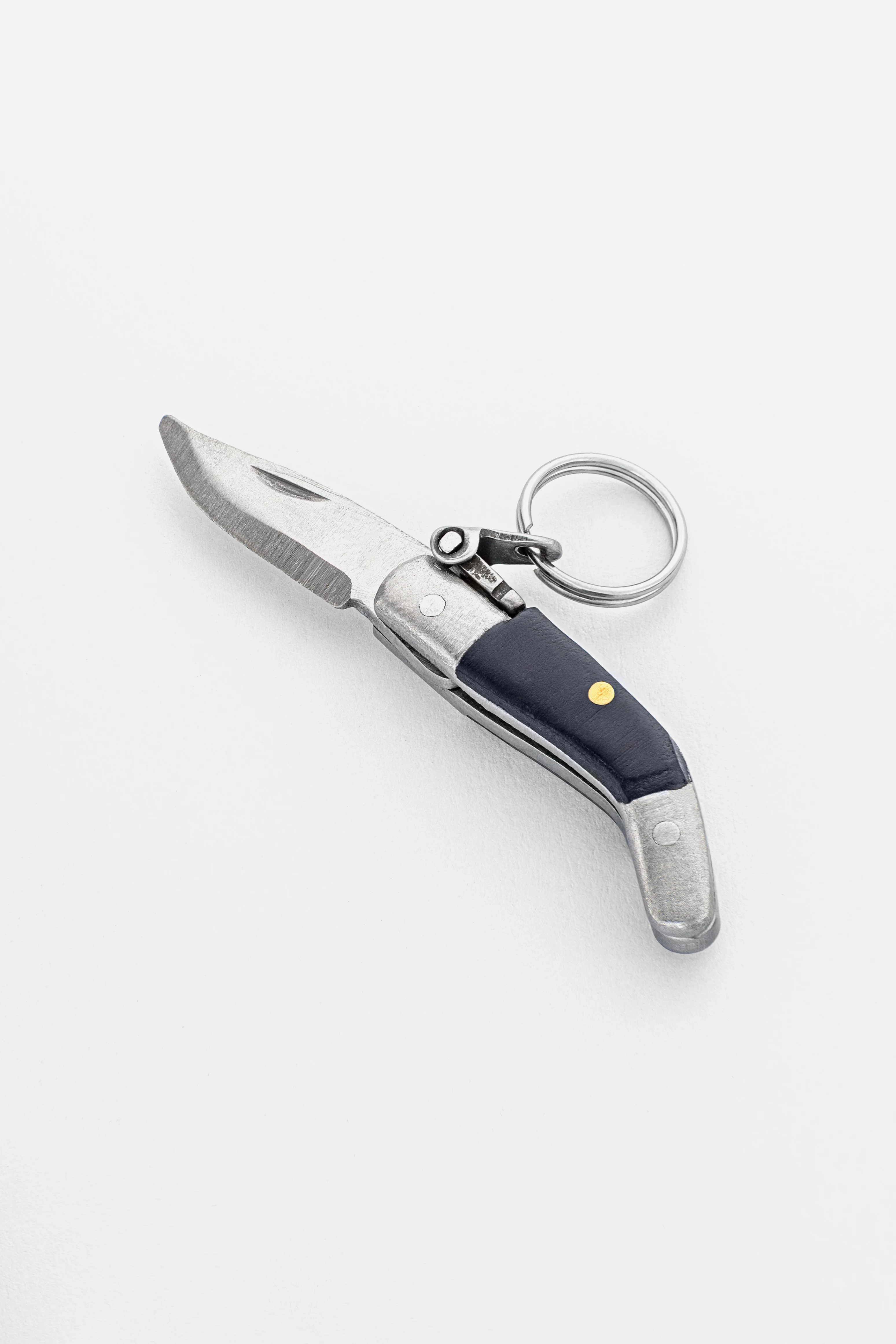
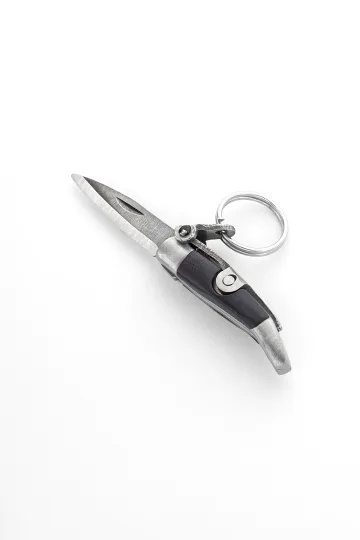
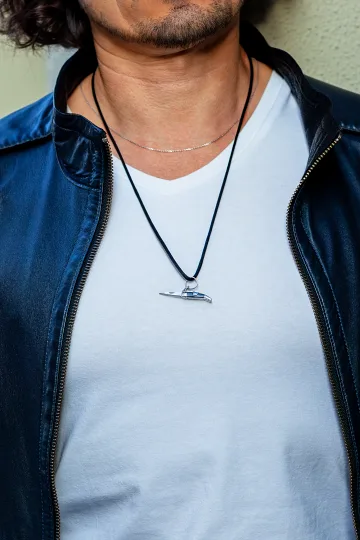
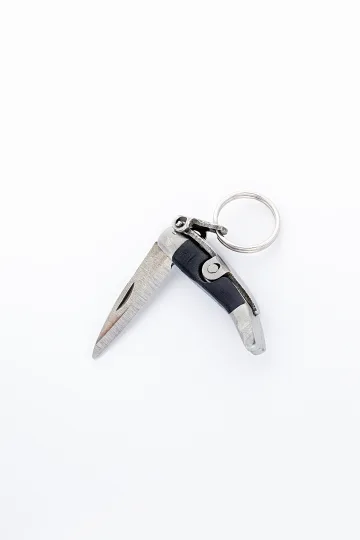
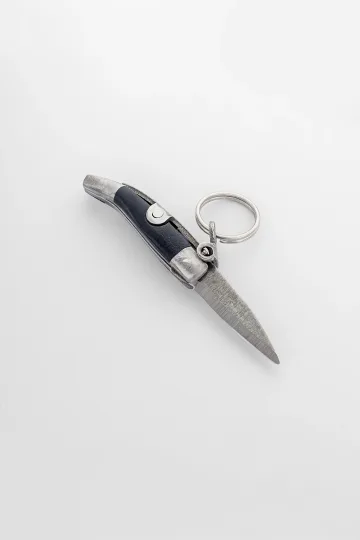
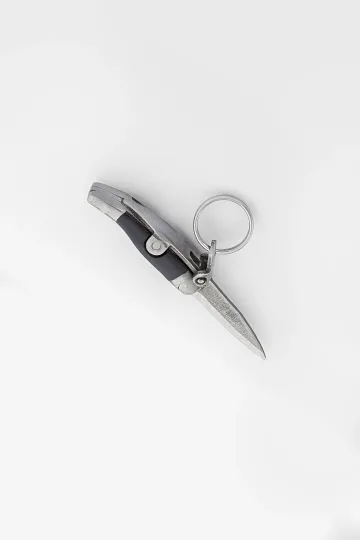
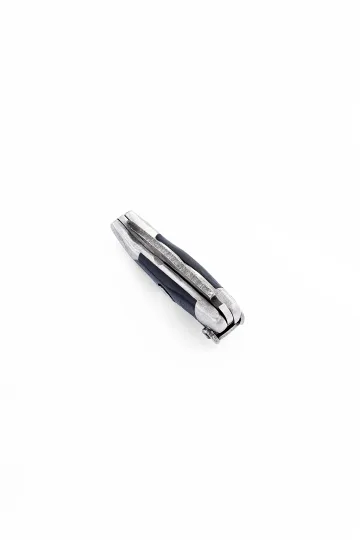
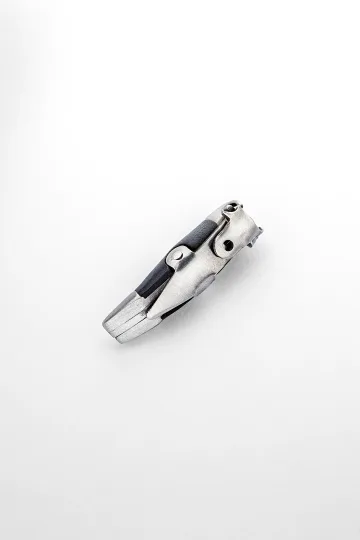
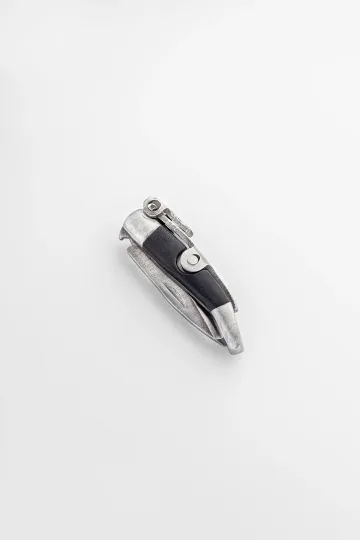
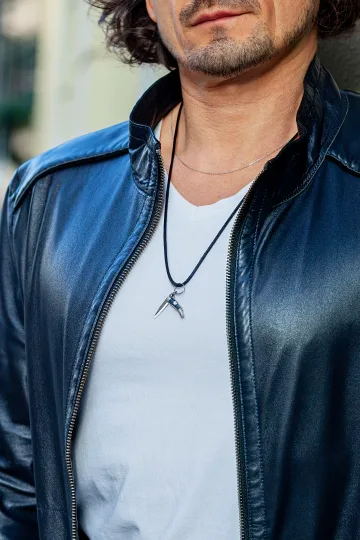
Artisan-crafted CAPAORA navaja pendant
A 40 mm stainless-steel navaja with a real folding mechanism and Palanquilla lock. An affordable gift to remember.
A code for blog readers:
10% off your first order
Authentic · Maker's guarantee · Ships from Spain
How to Restore a Green Piece of Jewellery
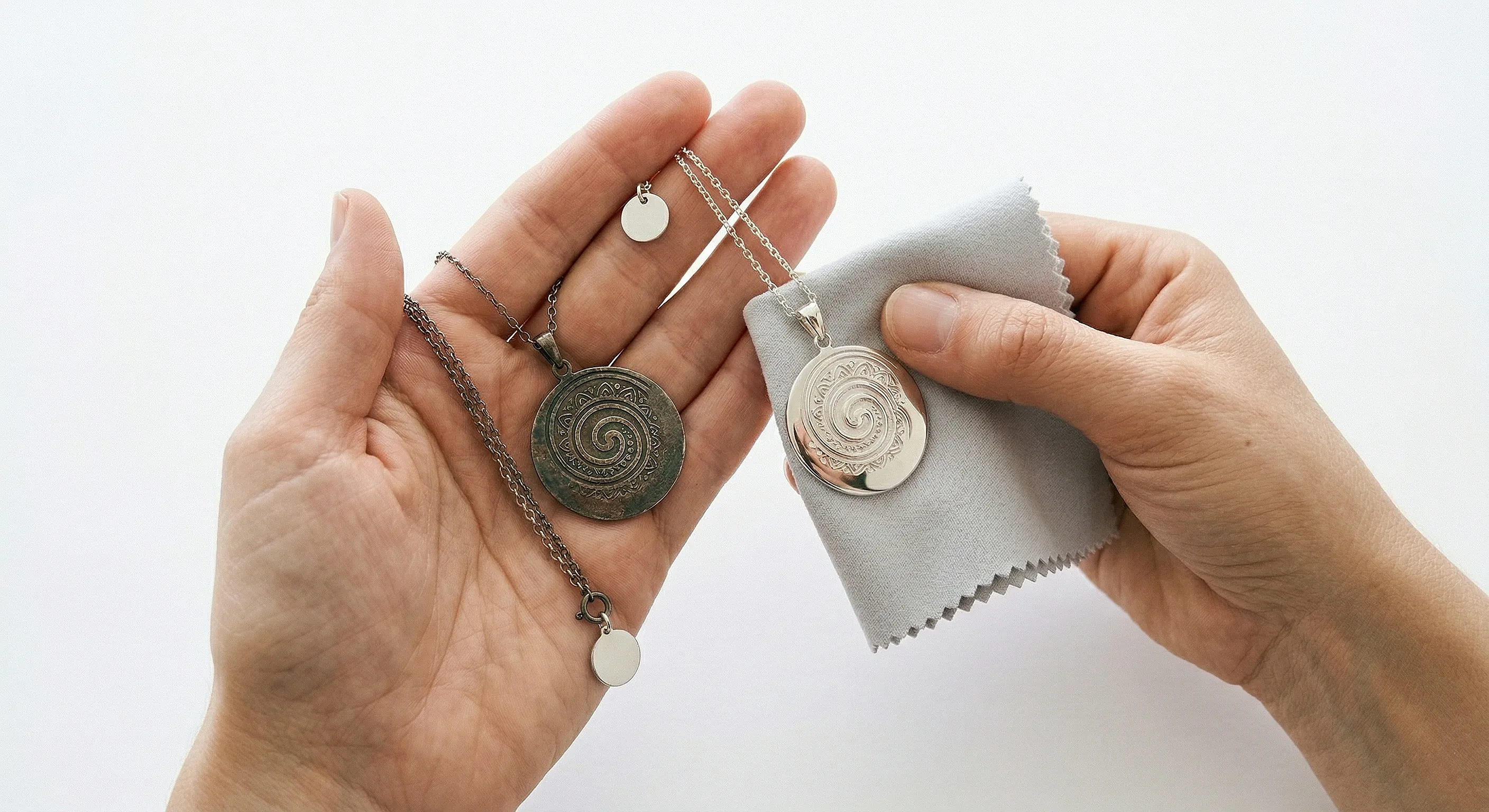
Green on the piece (not on skin) is the same patina. Remove or keep is your choice.
To remove:
- Baking soda plus lemon juice. Apply the paste, scrub with a soft brush, rinse. Shine returns in a minute.
- Vinegar plus salt. Soak for 5 minutes. Rinse. Wipe. Very effective on heavy patina.
- Ketchup. Yes, seriously. The acid in ketchup (vinegar plus citric acid) dissolves copper oxide and carbonate. Spread, wait 5 minutes, rinse. A proven home method that has been used for generations.
- A brass polishing cloth from any hardware or jewellery shop.
- Worcestershire sauce. Similar to ketchup, the acid content dissolves copper compounds. Soak for a few minutes, rinse.
To keep: Patina on brass is like wear marks on a leather jacket. A sign of life, not damage. Some craftspeople deliberately patinate brass during production using chemicals or ammonia fumes. You can let time do it for you. Each piece develops a unique patina based on how it is worn, what it touches, and the environment it lives in. No two patinated pieces look identical.
Leave your email, we'll send your discount code. No spam, unsubscribe anytime.
The code arrives by email, valid on your first order.
Why Expensive Jewellery Turns Green Too
"I paid 200 pounds for this ring and it turns green! That means they cheated me!"
No. If the ring is sterling silver 925, it contains 7.5% copper. It can turn green. If it is 14K rose gold, it contains up to 25% copper. It will turn green. If it is 18K yellow gold, it contains 25% alloy, part of which is copper. It can turn green.
Price does not protect from chemistry. The Statue of Liberty cost millions and she is green. Pure gold 999 does not turn green, but it is not used in jewellery (too soft to hold a setting). Everything else is an alloy with copper. The question is how much copper and how your specific sweat reacts with it.
The only materials that are guaranteed never to turn green regardless of price: stainless steel, titanium, platinum. None of them contain copper. If "no green ever" is your priority, these are your materials.
Seasonal Patterns: When Green Is More Likely
Summer: higher temperatures, more sweating, more humidity, more sunscreen and moisturiser on skin. Summer is the green season. If your jewellery turns green only in July and August, heat is the explanation.
Gym days: exercise sweat plus body heat plus friction from movement. A brass ring during a workout will turn green faster than the same ring during a desk day.
Holiday travel: tropical destinations plus sunscreen plus pool chlorine plus ocean salt. The perfect storm for copper oxidation. Consider switching to stainless steel for holidays or wearing jewellery over clothing.
Winter: cold weather, dry air, less sweating. Many people find their jewellery causes no green at all in winter. If you love brass but hate green, winter is your season to shine.
The Psychological Side
The green mark causes disproportionate distress relative to its harmlessness. Among the common complaints jewellery wearers raise, green skin discolouration is one of the most frequent, often ranking alongside tarnishing, allergies, and breakage.
Part of the problem is perception. A green line on the neck looks like something is wrong. It triggers contamination instincts. "Something is being deposited on my body" feels invasive even when it is entirely benign.
Understanding the chemistry helps. Once you know that the green is just copper meeting sweat, the same way the Statue of Liberty meets rain, it stops feeling like a problem and starts feeling like a minor inconvenience. Because that is all it is.
Material Comparison: What Happens With Each Metal
Not all copper-containing metals react the same way. The copper content determines the speed and intensity of the green discolouration. Here is a detailed breakdown.
Brass (Cu 60-70%, Zn 30-40%). The most reactive jewellery metal. The high copper concentration means that skin contact without coating almost always produces a reaction. Speed depends on sweat acidity: with acidic sweat, within hours. With alkaline sweat, after days or weeks. The patina on the piece itself develops from light gold through honey to a dark bronze that can become almost black over time.
Sterling Silver 925 (Ag 92.5%, Cu 7.5%). The reaction here is significantly slower because the copper content is low. The main issue with silver is not the green on skin but the tarnishing of the piece itself. Silver oxide and silver sulfide form in air and create the typical dark patina. This has nothing to do with skin. It happens in a drawer too. The green on skin from silver is mostly a summer phenomenon: prolonged skin contact in heat and sweat.
Rose Gold (Au 75%, Cu 25% at 18K). The pink colour comes directly from the copper. The lower the karat, the more copper, the pinker and the more reactive. 10K rose gold has up to 40% copper and reacts accordingly. 18K rose gold with 25% copper reacts more moderately. The pink colour itself is the proof of copper. If it is pink, it contains copper. If it contains copper, it can turn green. Simple as that.
14K Yellow Gold (Au 58.5%, alloy balance). The alloy balance typically includes copper and silver in varying proportions. The more copper in the mix, the warmer the gold tone (redder). The more silver, the cooler (greener-yellow). A warm-toned 14K gold ring has more copper and is more likely to turn green than a cooler-toned one.
Stainless Steel 316L (Fe, Cr, Ni, Mo). Zero copper. Zero reaction. The chromium content (16-18%) creates a passive oxide layer on the surface that prevents any reaction with skin. This is the same principle that makes stainless steel resistant to corrosion in general. It is not that steel "doesn't react." It is that it creates its own protective shield.
Send a friend a discount code, they save on their first order.
Home Remedies That Actually Work
The household tradition has some proven methods against green discolouration that have been passed down through generations.
Chalk in the jewellery box. A piece of white chalk next to the brass piece absorbs moisture and slows oxidation. Old-fashioned but effective. Replace the chalk every few months.
Potato water. The water in which potatoes were boiled contains starch that acts as a mild polishing agent. Soak brass pieces briefly, wipe off. A classic household tip that actually has chemistry behind it.
Flour-vinegar-salt paste. Equal parts flour, vinegar, and salt mixed into a paste. Apply, let dry for an hour, wash off. This method appears in old household books as a "brass remedy" and works reliably.
Buttermilk. Soak brass in buttermilk for 30 minutes, rinse, wipe. The lactic acid dissolves copper oxide gently. Smells unpleasant during the process but works well.
For stainless steel, none of these remedies are necessary. Stainless steel needs nothing except a damp cloth. That is one of the reasons why stainless steel is often the smartest choice for a first jewellery purchase: zero green, zero care, zero remedies needed.
The EU Nickel Regulation: What It Means For You
If you are concerned about skin reactions from jewellery, it is worth knowing about the EU nickel directive. EU Directive 94/27/EC limits the nickel content in jewellery that has prolonged skin contact. This is one of the strictest regulations worldwide and protects particularly sensitive skin.
The regulation applies to any jewellery sold in the EU, regardless of where it was manufactured. It limits nickel release to 0.5 micrograms per square centimetre per week for items in prolonged contact with skin. This means that any jewellery legally sold in Europe has been tested to meet this standard.
Why does this matter? Because nickel allergy is the most common contact allergy in the world, affecting 10-15% of women and 1-3% of men. The green mark from copper is cosmetic and harmless. A nickel reaction is medical and requires treatment. Knowing the difference, and knowing that EU regulations protect against the dangerous one, helps put the harmless green in perspective.
A Note On Patina as Character
There is a growing movement among jewellery wearers who deliberately never clean their brass pieces. They let them darken, develop texture, gain what they call "character."
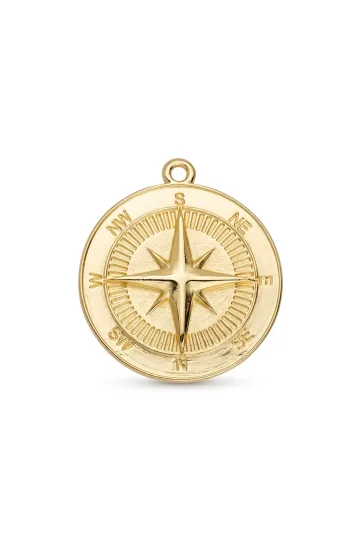
This is not negligence. It is a choice. A capaora with patina looks like a working knife that has seen action. A tree of life with a darkened background gains depth and contrast. A compass pendant that has traveled through three countries with its owner carries the journey in its surface.
The Japanese concept of wabi-sabi, finding beauty in imperfection and transience, applies here. A brass pendant is not meant to stay pristine forever. It is meant to age with you. The patina is not a flaw. It is a record. The green, the dark spots, the wear patterns: they tell the story of how the piece was worn, where it went, what it survived.
If you choose this path, embrace it fully. Stop worrying about the green mark. Wash it off in the shower and forget about it. The pendant is doing what metal does when it lives on a body. And that living is the point.
Silver and gold jewellery, wedding bands, symbolic pendants, paired sets.
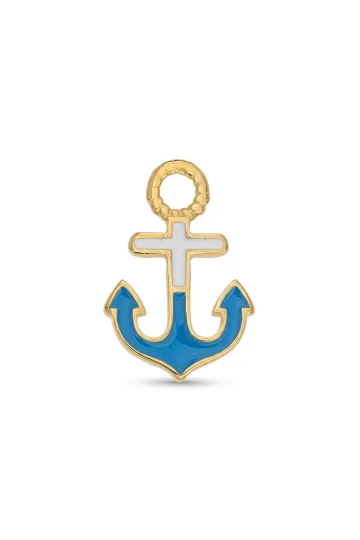
Wear the symbol, don't just read about it. These are in stock:
FAQ
Is the green mark from jewellery dangerous to health? No. Copper oxide on skin is harmless. Washes off with soap. Does not enter the body in significant quantities.
Why does the same piece turn my skin green but not my friend's? Different sweat acidity. Your sweat is more acidic, so the reaction with copper is faster. That is an individual trait, not a problem with the piece.
Does Zevira brass turn green? While the coating is intact, no. PVD coating creates a barrier. When the coating wears (after 3 to 5 years with careful handling), copper-to-skin contact becomes possible. Wipe after wearing, avoid water, and the coating lasts longer.
Does Zevira stainless steel turn green? No. Physically impossible. Zero copper in the 316L composition.
Can a brass piece be re-coated? Yes. Any jeweller can apply a new coating. Low cost, takes 1 to 2 days. Good as new.
Does ketchup really clean brass? Yes. The acid (acetic plus citric) in ketchup dissolves copper oxide. Spread, wait 5 minutes, rinse. A proven home method.
How do I prevent the green mark? Three main options: 1) wear stainless steel (zero copper), 2) maintain the coating on brass (avoid water, wipe after wearing), 3) clear nail polish on the inside of the piece (reapply monthly).
Does a green neck from a pendant mean the pendant is fake? No. The green means copper is in the composition. Copper is in brass, sterling silver 925, rose gold, and bronze. All of these are real, honest materials. Green equals chemistry, not counterfeit.
Will the green mark get worse over time? The coating on a coated piece will wear gradually, exposing more copper. But the mark itself does not "accumulate" on skin. Each time you wash it off, you are back to zero. It is a daily event, not a progressive condition.
Can I develop a green mark later in life even if I never had one before? Yes. Hormonal changes (menopause, pregnancy, new medication) can alter sweat composition. Climate changes (moving to a more humid area) can also trigger it. It is not that you became "allergic." Your body chemistry shifted.
About Zevira
Zevira makes jewellery by hand in Albacete, Spain. The green-mark question is not abstract for us: we pick our materials so you know exactly what to expect from each metal and never have to panic over the harmless chemistry of copper.
Here is what you will find with us if the green mark bothers you:
- Pendants and rings in 316L stainless steel: zero copper, zero green, physically impossible
- Sterling silver 925 pieces: very little copper (7.5%), so the green mark is rare and faint
- Brass with PVD coating: a barrier between copper and skin for as long as the coating holds
- Symbolic designs (compass, tree of life, the protective eye, sea motifs) offered in several metals to choose from
- Care notes for each material so the coating lasts longer
- The option to pick a hypoallergenic piece if your skin reacts to nickel
Every piece is made by hand by a craftsperson, with personal engraving available. Sterling silver 925 and 14 to 18K gold.