Swallow, Hummingbird, Dragonfly in Jewelry: Three Winged Symbols
Introduction: Three Small Creatures with Considerable Meaning
Three small winged creatures have appeared consistently in jewelry for the past 150 years: the swallow, the hummingbird, the dragonfly. All three are small, swift, iridescent, and associated with lightness, the present moment, and beauty without heaviness. Each carries its own distinct symbolic world, built up across millennia of mythology, folk observation, and artistic tradition from cultures spread across every continent.
The swallow stands for return home, faithfulness, the sea. The hummingbird for joy, resilience, the ability to achieve the impossible. The dragonfly for transformation, the brevity of life, seeing through illusion.
All three are experiencing a revival in the mid-2020s. Art Nouveau is returning: Rene Lalique celebrated all three extensively. Boho and cottagecore aesthetics have brought them back into fashion. Tattoos featuring these creatures rank among the most requested worldwide.
In American literary and folk tradition, the swallow held a particular place. Walt Whitman invoked birds in flight as emblems of freedom throughout Leaves of Grass. Victorian folk belief across Britain held that a swallow nesting in your eaves brought luck to the household and that to disturb the nest invited misfortune. The Liberty style that followed Art Nouveau into Edwardian England carried dragonfly motifs in brooches, combs, and pendants precisely because it united natural form with otherworldly suggestion. And the hummingbird, native exclusively to the Americas, arrived in European imagination through the reports of explorers as an almost mythical creature: too small, too brilliant, too fast to be entirely real.
This guide covers all three symbols: what to wear, what they mean, and how they differ.
Winged Creatures in Jewelry: Why These Three
Before breaking down each symbol individually, it is worth pausing on what connects them. The swallow, hummingbird, and dragonfly share something beyond the obvious fact of wings: each is a creature whose visible behavior in nature directly generates its symbolic meaning. The swallow genuinely does return every spring. The hummingbird genuinely does hover motionless and fly backward. The dragonfly genuinely does spend years invisible underwater before emerging into brilliant adult form. These are symbols that rest on observable natural fact, which gives them a stability that purely invented symbols lack.
They also belong, as a group, to a specific register of meaning: small, swift, iridescent, beautiful, and not domesticated. None of the three is a pet or farm animal. None is hunted or eaten. All three exist at a slight distance from human life: present, visible, but not owned. That quality of close but independent beauty is exactly what makes them effective as personal symbols. They can be observed, admired, and interpreted, but they belong to themselves.
For jewelry purposes, all three translate well across scale. A one-centimeter swallow silhouette and a six-centimeter Art Nouveau dragonfly brooch both work, because the shape of each creature is distinctive enough to be legible at any size. The forked swallow tail, the hovering hummingbird wings, the four-winged dragonfly symmetry are all immediately recognizable.
Swallow Jewelry
Swallow Pendant
- Small swallow in flight, 2-3 cm silver or 14K gold. Minimalist. Budget to mid-range.
- Swallow with wings spread more detailed, oxidized silver for a vintage feel. Mid-range.
- Paired swallows classic nautical tattoo style. Mid-range.
- Swallow with ribbon and name traditional tattoo style. Mid-range.
Swallow Earrings
- Small swallow studs paired. Mid-range.
- Drop swallow earrings as though taking flight from the lobe. Mid to premium.
- Asymmetric swallows one in flight, one perched on a branch.
Swallow Ring
- Slender ring with swallow accent minimalist. Mid-range.
- Statement ring with wings spread more noticeable. Mid to premium.
Swallow Brooch
A vintage favorite. Art Nouveau swallow brooches often feature enamel and mother-of-pearl. Antique or replica. Mid to premium.
Swallow Hair Pin
In Spanish and Italian tradition, bird-motif hair pins were worn above a comb or as a standalone ornament. A swallow in flight on a hair pin adds lightness to any style.
Hummingbird Jewelry
Hummingbird Pendant
- Realistic hummingbird in flight with detailed plumage. Mid-range.
- Minimalist silhouette clean form. Budget to mid-range.
- Hummingbird with flower the classic pairing. Mid to premium.
- Stylized hummingbird with enamel colored wings, mimicking the bird's natural iridescence. Mid-range.
- Hummingbird in pave stones rainbow effect from scattered small stones. Mid to premium.
Hummingbird Earrings
- Hummingbird-in-flight studs paired. Mid-range.
- Drop earrings with colored enamel hummingbirds for summer. Mid-range.
- Hummingbird drops suspended on fine chains. Mid to premium.
Hummingbird Ring
- Ring with single stone and hummingbird accent uncommon. Mid to premium.
- Cocktail ring with large hummingbird designer piece. Premium.
Hummingbird Brooch
A tradition of Art Nouveau and the Victorian era. Rene Lalique made celebrated hummingbird brooches with scattered brilliants and enamel.
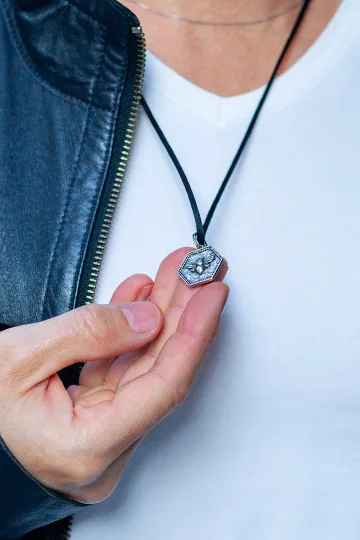
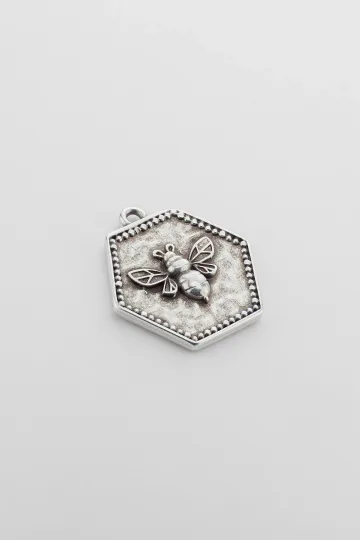
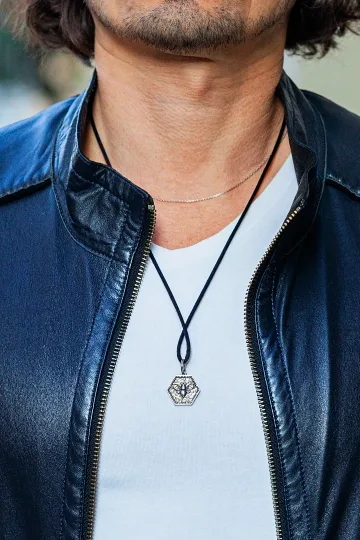
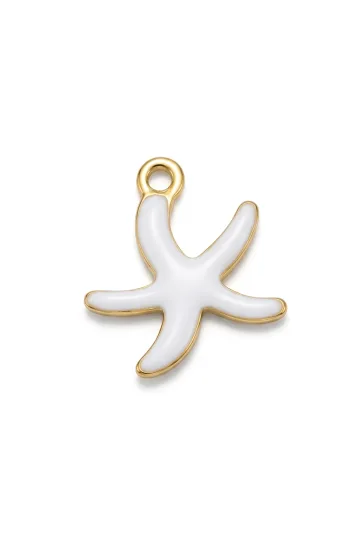
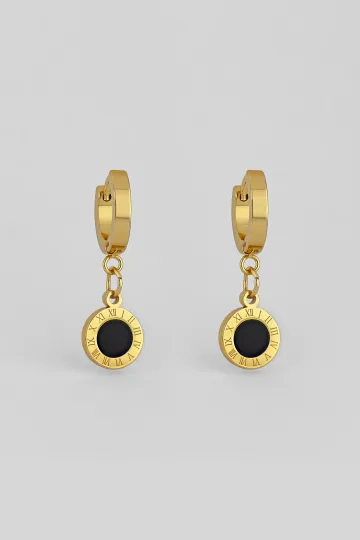
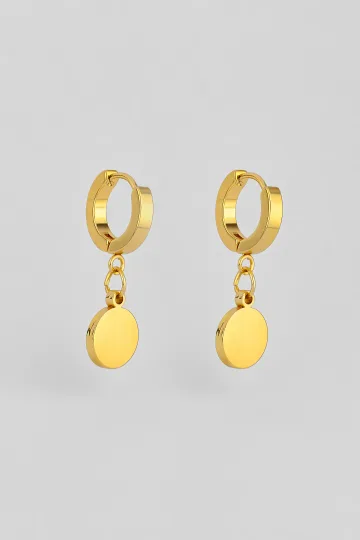
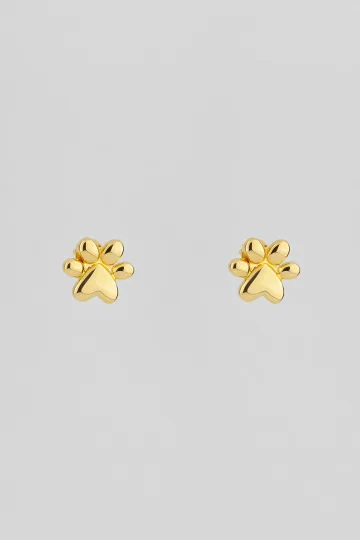
Wear the symbol, don't just read about it. These are in stock:
Dragonfly Jewelry
Dragonfly Pendant
- Minimalist stylized dragonfly silver. Budget to mid-range.
- Realistic with detailed wings mid-range.
- With plique-a-jour enamel classic Art Nouveau. Mid to premium.
- Large with stones on wings luxury. Premium.
- With opal wing inserts the iridescence of opal mirrors dragonfly wing shimmer. Mid to premium.
Dragonfly Earrings
- Small dragonfly studs paired. Mid-range.
- Wing drops elegant option. Mid to premium.
- Ear-cuff in dragonfly form runs up the ear. Mid to premium.
Dragonfly Ring
- Wrap ring dragonfly wraps the finger, wings to either side. Mid to premium.
- Cocktail ring with large dragonfly statement piece. Premium.
Dragonfly Brooch
An icon of Art Nouveau. One of the most celebrated forms in the history of fine jewelry. Lalique's "Dragonfly Woman" brooch (1897-1898) stands as one of the greatest works of the Art Nouveau era. Contemporary replicas of the form are executed in plique-a-jour enamel: the enamel transmits light through a metallic lattice exactly as stained glass does.
What the Swallow Symbolizes
Return Home
The primary meaning. The swallow is migratory: it leaves in autumn, returns in spring. It always returns.
The classic sailor's tattoo: a mark of safe return home. A sailor who had crossed 5,000 nautical miles (a transatlantic crossing) earned the right to one swallow tattoo. Crossing the Pacific Ocean earned a second. Two swallows signify an experienced, long-serving sailor and the luck of survival.
The nautical tattoo tradition of the 19th and early 20th centuries was a strict system of signs. The swallow, anchor, compass, heart, and rose each carried specific meaning within a community of people whose lives depended on the sea. The swallow occupied a particular place in that system: not about professional status, as the anchor was, but about the personal. About coming back. About those who wait.
Greek Mythology: Procne and Philomela
In Greek mythology, the sisters Procne and Philomela were transformed into birds: Procne became a swallow, Philomela a nightingale. From this myth the swallow inherited the meaning of family grief, devotion, and the impossibility of silencing truth. A bird that always returns and carries a story with it.
Christian Symbol of Resurrection
In medieval Christianity, the swallow was associated with Christ: return, resurrection, appearance after the "winter of death". The swallow arrives in spring as Resurrection follows Good Friday. In certain church texts of the thirteenth and fourteenth centuries, the swallow is called the bird of Resurrection outright, sitting thematically beside the phoenix that burns and is reborn.
Family and Kinship
Swallows build nests and return to them year after year. Symbol of:
- Family bonds
- The ancestral home
- Heritage
In British and American folk belief, the first swallow sighting of the year was a matter of note. Country people recorded the date and held that it predicted the character of the coming summer. A swallow building a nest on your house was considered good luck. Destroying the nest was an invitation to misfortune.
Faithfulness
"Swallows mate for life" (partly true in nature). Symbol of:
- A faithful marriage
- Constancy
- Long-term relationships
Freedom
Birds in flight equal freedom. The swallow, with its exceptional maneuverability, especially so. To watch a swallow in the air is to watch pure speed without apparent effort. The same motif runs through all wings as a symbol in jewellery: flight reads as lightness and aspiration upward.
Spring and Renewal
The return of swallows in spring symbolizes:
- The beginning of a new cycle
- Renewal
- Hope after winter
Good Fortune
In European folk traditions, a swallow entering a home brings luck to the family within.
Tattoo Tradition
Nautical tattoo style, American traditional: the swallow is one of the central emblems. The symbolism transfers naturally into jewelry.
The Swallow as a Symbol Across Cultures
In German-speaking countries, a swallow building its nest under the roof was said to protect the house from lightning and fire. In Greece, the return of swallows in spring was accompanied by children's songs sung door to door as a sign that winter was over. In Japan, swallows nesting under temple eaves are treated as guardians of sacred spaces. In Irish tradition, the swallow was sometimes called "the bird with no legs" because it never truly rests, always moving.
What is consistent across cultures is the emotional weight of return. The swallow leaves and comes back. The symbol carries both the departure and the homecoming. That tension is what makes it more emotionally resonant than a simpler "good luck" sign.
Customer reviews
Zevira is a real jewellery shop. Genuine payments, deliveries and customer thank-yous.
🥰🥰🥰 gracias
Ok, ¡gracias! 🙂
What the Hummingbird Symbolizes
Huitzilopochtli: the Aztec God
The most weighty of the hummingbird's symbolic meanings. Huitzilopochtli, Aztec god of the sun and war, was depicted with hummingbird attributes or as a hummingbird. According to Aztec belief, warriors who fell in battle returned to the world in the form of hummingbirds. A hummingbird in jewelry thus carries the soul of a warrior: strength inside a small form.
Messenger Spirit in South America
In the shamanic traditions of Amazonia and the Andes, the hummingbird is considered a spirit messenger: a creature that can pass between worlds. Its appearance is never accidental but always a communication. This gives the hummingbird in jewelry a depth beyond mere beauty: a symbol of attention, signal, and the presence of something unseen.
Darwin and the Galapagos (1835)
In 1835, Charles Darwin aboard the Beagle recorded the hummingbirds of the Galapagos Islands. The birds he observed there contributed to his thinking about adaptation and the origin of species. The hummingbird was not merely beautiful but part of one of the most significant scientific discoveries of the nineteenth century. A hummingbird ornament can carry this meaning too: curiosity, observation, discovery.
Joy and Lightness
The primary everyday meaning. The hummingbird literally hovers, performing maneuvers no other bird can manage. Symbol of:
- Joy in living
- Lightness of being
- Not taking everything too seriously
The Ability to Achieve the Impossible
The hummingbird can fly upside down, backwards, and hang motionless in air. It beats its wings up to 80 times per second. For such a tiny creature, this is extraordinary. Symbol of:
- "If you can imagine it, you can do it"
- Overcoming limitation
- Cheerful resilience
The Moment
Hummingbirds live intensely but briefly. Average lifespan three to five years. Symbol of:
- Seize the day
- The value of each instant
Resilience
Despite their small size, hummingbirds are extraordinarily tough. They migrate across the Gulf of Mexico without stopping. Symbol of:
- Outward lightness, inward strength
- "Do not underestimate the small"
The Soul of a Beloved
In certain Mesoamerican cultures, the hummingbird is the spirit of a departed loved one returning for a visit. A tragic and romantic association. A hummingbird piece can serve as a memorial: remembrance of someone gone who "returns" in a small natural signal.
Real Magic of Nature
The hummingbird is one of the most genuinely magical real creatures: its hovering flight, iridescent feathers, heartbeat of 1,200 beats per minute, all perfectly real, all apparently magical. Symbol of:
- The true magic of nature
- Moments of wonder
The Hummingbird as a Living Jewel: History in Western Culture
Hummingbirds are native exclusively to the Americas. For centuries, they existed in European imagination only through the accounts of explorers and preserved specimens shipped back across the Atlantic. When Spanish conquistadors first brought taxidermied hummingbirds to Europe in the 16th century, they were received as artifacts of a fantastical world.
The French naturalist Georges-Louis Buffon, writing in his Natural History in the 1770s, described the hummingbird as "the smallest of eagles and the greatest of nature's jewels." That phrasing anticipated exactly how the hummingbird would eventually be interpreted in jewelry: a living gem. Victorian jewelers took this literally, using actual hummingbird feathers in brooches, earrings, and bracelets. The iridescent shimmer that no enamel could convincingly replicate was too tempting to resist. That practice is now prohibited under CITES wildlife protection conventions, but the design challenge it represented remains. Contemporary jewelers still work to capture that particular quality of light through rainbow enamel, opal inserts, and scattered pave of multiple colored stones.
What the Dragonfly Symbolizes
The Oldest Flying Creature
Dragonflies have existed for 300 million years. This is not an exaggeration: the fossil record contains dragonflies with wingspans of up to 70 centimeters, flying over Carboniferous swamps long before the dinosaurs appeared. The dragonfly resting on your pendant today belongs to the same lineage of creature that witnessed the formation of the present continents. A dragonfly ornament contains this scale of time.
Japanese Symbolism: Akitsu
In Japan, the dragonfly is called akitsu and is a national symbol. The Japanese islands were historically known as Akitsushima, Isle of the Dragonfly. Samurai helmets were often decorated with dragonflies: the insect flies only forward, never backward. This made the dragonfly a symbol of the warrior who knows no retreat. It also symbolizes autumn, the end of summer, clear skies, and readiness for what comes next.
European Medieval Ambivalence
In medieval Europe, the dragonfly inspired mixed feeling. Its speed and suddenness were associated with unpredictability. In some traditions it was a witch's creature or a harbinger of rain. By the Enlightenment this ambivalence had receded and the dragonfly settled into being simply a creature of transition.
Transformation
The primary meaning. The dragonfly (like the butterfly) undergoes radical metamorphosis: from nymph beneath the water to airborne adult. Symbol of:
- Personal transformation
- Completing an old cycle
- New beginning
The dragonfly nymph lives underwater for months or years before emerging. A long hidden period followed by a sharp transition: a precise metaphor for certain passages in life. The waiting that precedes the change is part of the symbol. Many people find themselves identifying with the nymph stage, not yet the dragonfly, but already in preparation.
Illusion and Reality
Dragonflies have compound eyes (30,000 facets), seeing the world in a way quite unlike our own. Symbol of:
- Seeing through illusion
- Alternative perspectives
- Truth beneath the surface
Brevity of Life
Adult dragonflies live only a few weeks in the wild. A reminder of:
- Mortality
- The value of each day
- Memento mori in a gentle form
Art Nouveau Symbolism
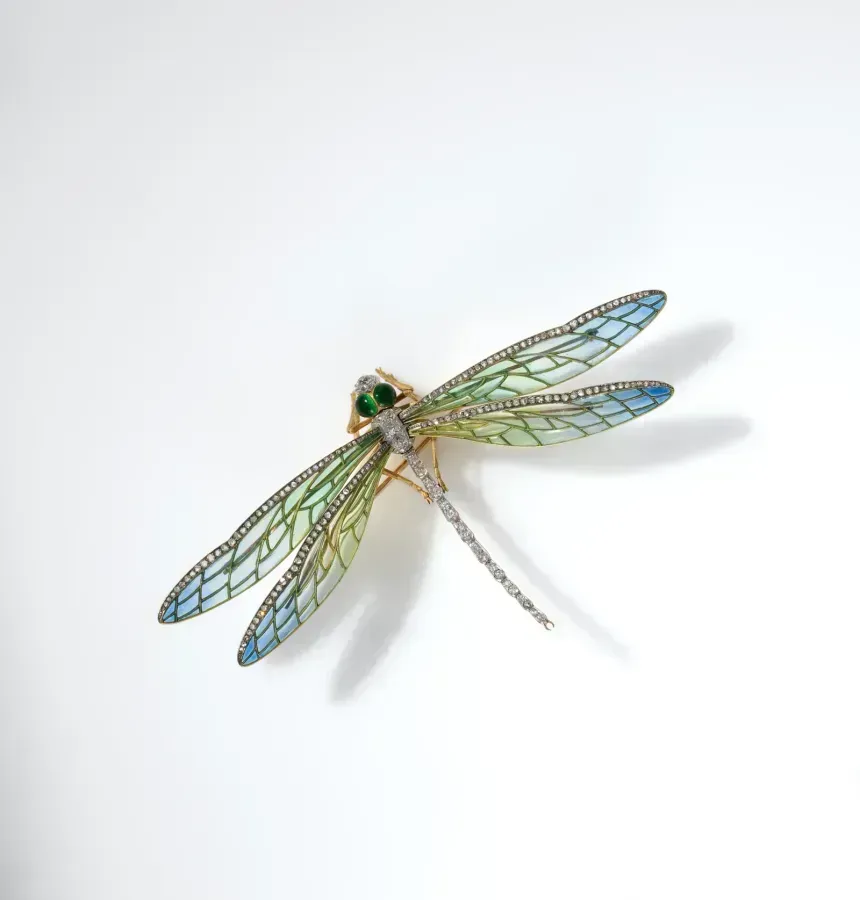
Lalique and his contemporaries loved the dragonfly for its:
- Structural beauty (geometric, crystalline wings)
- Iridescence (ideal for plique-a-jour enamel)
- Dual symbolism (nature plus transcendence)
In British Art Nouveau and the Liberty style, the dragonfly appeared on brooches, combs, and pendants precisely because it united natural form with otherworldly suggestion. The creature that spends its youth invisible underwater and then emerges as something brilliant and aerial appealed to the Symbolist sensibility of the era.
Emotional Maturity
In contemporary reading, the dragonfly symbolizes emotional maturity and "adult grace": the grace that comes from having been tested and having emerged rather than the untested lightness of youth.
Opal and the Dragonfly: the Perfect Material Match
Opal occupies a special place in dragonfly jewelry. The iridescent shimmer of opal, which changes color depending on the angle of light, reproduces the optical phenomenon that makes dragonfly wings glow over summer water. A white opal gives a warm, luminous effect. Black opal creates deep blue-green iridescence. Fire opal adds orange and red tones like sunset over a pond.
The reason opal works so well in dragonfly wing settings is that both are doing the same thing: light entering a semi-transparent structure and reflecting back through a spectrum. The effect in an opal and the effect in a real dragonfly wing operate through different physical mechanisms, but the visual result belongs to the same family of natural beauty.
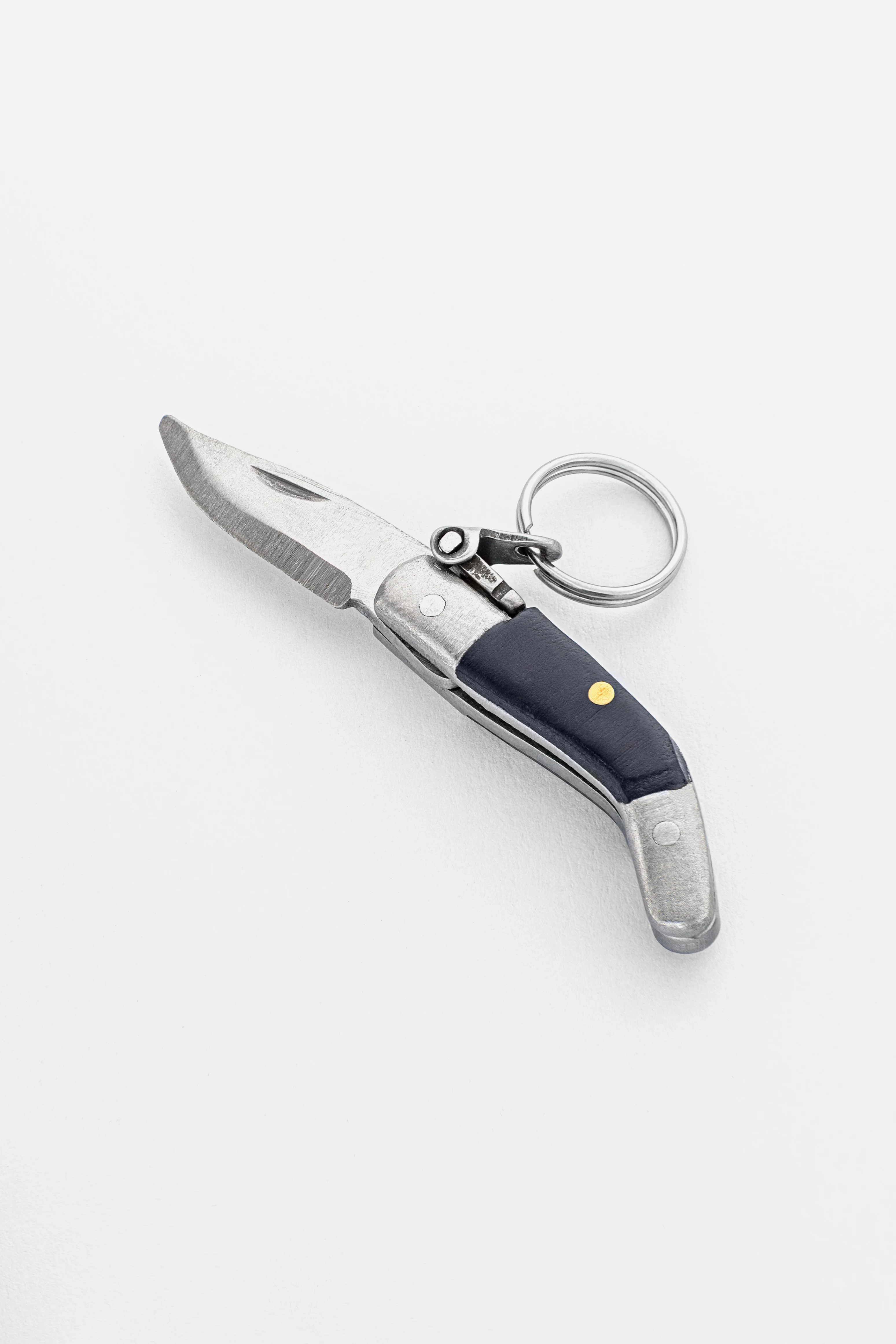
Artisan-crafted CAPAORA navaja pendant
A 40 mm stainless-steel navaja with a real folding mechanism and Palanquilla lock. An affordable gift to remember.
A code for blog readers:
10% off your first order
Authentic · Maker's guarantee · Ships from Spain
History of the Three Symbols in Jewelry
Antiquity
Dragonflies in ancient Egyptian and Minoan artifacts. In Japan, one of the oldest insect symbols.
Hummingbirds central to pre-Columbian American jewelry. Maya, Aztec, and Taino craftspeople made gold hummingbird pendants.
Swallows in Greek mythology (Procne transformed into a swallow) and in Roman tradition (sacred bird of Venus in certain accounts).
Art Nouveau: The Golden Age
1890-1910 was the era of all three symbols.
Rene Lalique:
- "Dragonfly Woman" (1897-1898): one of the greatest works of fine jewelry
- Hummingbird brooches and hair ornaments
- Swallow pendants
The plique-a-jour technique (enamel without a metal backing, transmitting light like stained glass) was ideal for the wings of all three creatures. The dragonfly in this technique became an icon of the era.
Art Nouveau was the first major style in fine jewelry to deliberately abandon the hierarchy of materials. Lalique valued glass, enamel, and horn alongside diamonds. A dragonfly with plique-a-jour wings cost as much as a conventional diamond piece because the craftsmanship was comparable. Natural forms became worthy of the highest jewelry execution.
An American glass artist of the period:
- Made dragonfly glass pieces in stained-glass technique
The Victorian Era
Swallows and dragonflies were popular in Victorian mourning jewelry (symbol of the soul in transition).
Hummingbird feathers were sometimes used in real Victorian jewelry (by today's standards unethical; now prohibited under CITES).
Nautical Tattoo Tradition (Twentieth Century)
Swallows became a central symbol of the tattoo world, passing from sailors into mainstream culture. By the mid-20th century, swallow tattoos had spread far beyond their original maritime context, retaining the symbolism of homecoming and loyalty.
1970s and 1980s
Dragonflies in hippie and boho jewelry, widely. The dragonfly suited the counterculture's interest in nature, transformation, and non-Western spiritual traditions, particularly Japanese aesthetics.
2025-2026: Revival
All three symbols return in:
- Minimalist jewelry (fine silhouettes)
- Boho-cottagecore
- Art Nouveau replicas
- Social media aesthetics
Choosing Between the Three Motifs
The choice between swallow, hummingbird, and dragonfly tends to happen through one central meaning that resonates with what is happening in your life right now.
The swallow speaks about returning and belonging. If you have been away and come back, if a long journey has just ended, if family or home are experiencing reunion, the swallow fits that moment most precisely. It also suits people for whom the word "home" carries a very specific physical meaning: the place you always return to, regardless of how far you have traveled.
The hummingbird speaks about living in the present through joy. If this period involves emerging from difficulty, finding lightness after weight, reminding yourself that joy is possible despite everything, the hummingbird fits most closely. It works particularly well for people who value intensity of experience: the hummingbird lives fast and fully.
The dragonfly speaks about transition between states. If you are completing something significant and beginning the next thing, if personal transformation has happened or is happening, the dragonfly most precisely captures that threshold. It also suits people who are drawn to depth of time: the dragonfly's 300 million years of unchanged form is a fact that puts human concerns in a different perspective.
All three together, on a charm bracelet or as a set of three small pendants, read as "the three seasons of life": spring of return, summer of joy, autumn of change. This works as a long-term piece because each symbol becomes most relevant in different periods. A bracelet purchased in a year of homecoming will read primarily as a joy symbol or a transformation symbol a few years later, depending on what you are going through.
Materials and Making
Swallow
- Sterling silver: classic, holds fine detail of the wing well
- 14K gold (yellow): warm tone suited to the "return home" idea
- Oxidized silver: conveys antique quality, the feel of a sailor's badge
Hummingbird
- Colored enamel: the essential material, imitating the bird's natural iridescence
- Pave stones: scattered small stones create a rainbow effect without enamel
- Rose gold: adds warmth, pairs well with bright colors
Dragonfly
- Plique-a-jour enamel: the definitive material for the dragonfly, descends from Lalique
- Pave with diamonds or zirconia: crystalline wing effect
- Blue or green enamel: classic colors of summer ponds
- Opal wing inserts: reproduce the iridescent shimmer of real dragonfly wings
On Opal in Dragonfly Pieces
The optical phenomenon of opal (light diffracting through a silica lattice) and the optical phenomenon of dragonfly wings (light passing through transparent, multi-layered membrane) are different physical processes that produce strikingly similar visual results. Both belong to the same family of naturally occurring iridescence. A dragonfly pendant with opal wings is not merely decorative: it is a piece in which two sources of the same kind of natural beauty reinforce each other.
Leave your email, we'll send your discount code. No spam, unsubscribe anytime.
The code arrives by email, valid on your first order.
Comparing the Three: What Each Motif Adds to a Look
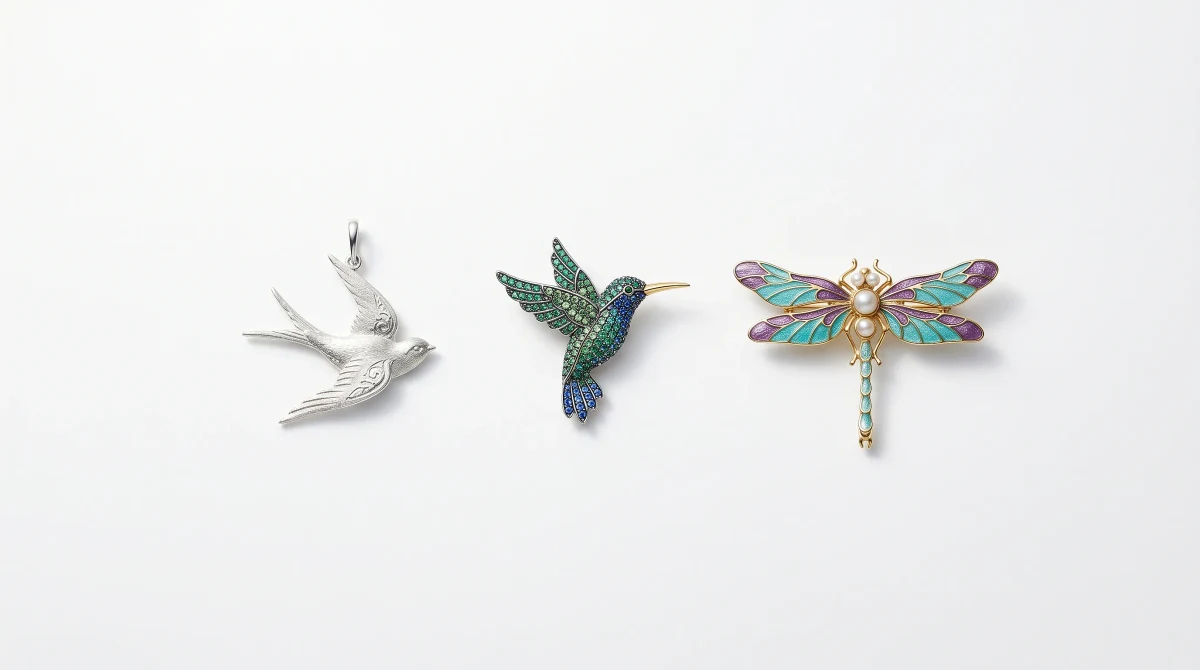
Visually, the three motifs have distinct characters. The swallow is aerodynamic and linear, with a pointed forked tail that reads as speed and direction. In jewelry, this creates a dynamic piece that implies motion. The hummingbird is rounder, more jewel-like, with its compact body and hovering wings suggesting concentrated energy. In jewelry, hummingbird pieces tend to read as vibrant and colorful. The dragonfly is the most architectural of the three, with four wings arranged symmetrically around a slender body. In jewelry, especially in plique-a-jour, it has the quality of a miniature stained-glass window.
Choosing between them is partly a question of personal symbolism and partly a question of visual character. If you want something that feels like motion, the swallow. If you want something that feels like color and radiance, the hummingbird. If you want something that feels like structure and light, the dragonfly.
Gifting Winged Motifs: What Each Piece Says
A winged pendant given as a gift communicates something specific, which is why the choice of motif matters more than it might for a neutral gift.
The swallow is the right gift for a homecoming: someone who has returned from a long period away, someone rebuilding after a separation or a move, someone whose sense of roots has been disrupted and is being re-established. It also works as a gift for a new home, carrying the folk meaning of the bird that brings good fortune to the house. For a sailor's anniversary, a military return, or any significant reunion, the swallow is the most precise choice.
The hummingbird suits someone who has come through a hard period and is finding their way back to joy, or someone whose character is genuinely characterized by intensity and vitality. It also works as a gift connected to the natural world: for a gardener, a birdwatcher, or someone who spends meaningful time in nature. Mothers receive hummingbird pieces frequently; the bird's combination of fierce protective energy and delicate beauty translates well into that context.
The dragonfly is the appropriate choice when someone is at a genuine threshold: finishing a significant chapter and beginning the next. A career change, a move, the end of a long project, an important birthday. The dragonfly's symbolism of emerging from an invisible preparatory period into brilliant adult form is precise for these moments. It also works as a memorial gift: the dragonfly's association with the soul in transition has deep roots in both Japanese and Victorian tradition.
Styling Across Seasons and Occasions
Winged motifs are not seasonless in the way that a plain gold band is. They carry associations of spring, summer, and transition, and that meaning shifts depending on when and how they are worn.
A swallow pendant worn in late winter reads as anticipation: the bird is not yet here but is coming. In spring it is in its natural moment. In autumn it takes on the departure meaning, something leaving but certain to return. In winter the swallow becomes a promise held in absence. A single piece cycles through these readings over the course of a year without requiring any change on the part of the wearer.
The hummingbird reads as a warm-weather creature in visual terms, suited to summer dresses and open necklines where its color and iridescence can show. But as a symbol of resilience and present-moment joy it is equally relevant in the middle of January. A small hummingbird pendant worn against a knit sweater is a private sign, not on display for visual effect but present as a personal reminder.
The dragonfly is the most formally versatile of the three. A plique-a-jour dragonfly brooch pinned to a dark coat in autumn or winter reads as a genuine statement piece: the translucent wings against dark fabric catch light in a way that a summer environment of competing color does not allow. The dragonfly came to prominence in part through its ability to hold visual attention in any context.
Engraving
Small pendants of any of the three creatures accept engraving well:
- Coordinates of home (birthplace, or the home you always return to)
- Date of a significant event: a return, a meeting, a birth
- A short phrase: "home", "fly", "here"
The swallow works especially well with coordinates: the meaning of return is literally inscribed.
Care of Delicate Winged Pieces
All three types carry fine details requiring care:
- Enamel wings are fragile. Do not drop on hard surfaces.
- Clean with a soft brush and warm water, no harsh chemicals.
- Plique-a-jour is especially vulnerable: no ultrasonic cleaning.
- Store separately from other pieces to prevent scratches.
- Silver darkens over time: polish with a soft cloth or have a jeweler restore it.
- Opal is sensitive to heat and dryness. Keep away from strong heat sources and store in a soft pouch.
- Fine chain settings around enamel wings: check clasps periodically. The wings themselves are the most fragile part, and a sudden fall can crack enamel that has survived years of normal wear.
- For plique-a-jour specifically: the enamel panel is held by a metal lattice with no backing. Inspect the piece twice a year against a light source. Any loss of enamel from a cell is visible this way and can be restored by a specialist before it spreads.
Who They Suit
Swallow
- Sailors, fishermen, anyone who lives by the sea or travels repeatedly and returns
- Family-oriented people with a strong sense of roots
- Tattoo enthusiasts and admirers of traditional aesthetics
- Travelers for whom "home" is the destination of every journey
- Those who have moved away and carry the place they left with them
Hummingbird
- Optimistic people
- Those who have been through difficulty and need a symbol of resilience
- Gardeners and birdwatchers
- Lovers of natural history and science
- Mothers (symbol of joy and protection)
- Those who want a reminder to live fully in the present
Dragonfly
- Those in a period of transformation or significant change
- Lovers of Art Nouveau and Japanese aesthetics
- Artists and creative people
- Those who value deep time and ancient lineages
- People drawn to water, summers, and the quality of light on a still pond
Send a friend a discount code, they save on their first order.
Combinations
A Flock of Swallows
Several small swallows on a single chain or bracelet create the effect of a flock in flight. Visually light, symbolically rich. Three swallows suggest a journey of some length; five or more read as pure decoration that happens to carry meaning.
One Statement Piece with Small Matching Earrings
A large dragonfly pendant in plique-a-jour enamel paired with small dragonfly studs. Or a large hummingbird as the focal piece with slender stud earrings. The rule is to let the statement piece carry the image and let the earrings echo it without competing.
All Three Together
A charm bracelet with three drops: swallow, hummingbird, dragonfly. Spring, summer, autumn of life. Return, joy, change. This combination works because the three symbols do not overlap in meaning: each occupies its own territory, and together they read as a complete personal vocabulary rather than repetition.
Nautical Set with the Swallow
Swallow as the central pendant, anchor on a bracelet, compass studs in the ears. This is an aesthetic system with very clear meaning: sea, voyage, return. All three elements have to be present for the full reading; any two of the three reads as incomplete.
Pendants, brooches, and earrings featuring the swallow, hummingbird, dragonfly, and other winged motifs in Art Nouveau style.
One swallow does not make a summer, and five across the chest do not make a necklace. One at the collarbone, that is all.
How to Wear Them
Over years on shoots and runways, dozens of swallows, hummingbirds and dragonflies have passed through my hands. Here is what actually works, sorted by occasion and by the character of the symbol.
What do I wear a winged pendant with every day? For daily wear I recommend a small silver swallow on a thin chain at the collarbone, over a plain tee, a linen shirt or fine knitwear. A light top lets the winged silhouette come forward, a dark one turns it into the accent. Under a V-neck the pendant lands in the centre, under a round neck I suggest a shorter chain so the bird rests on the fabric instead of hiding.
Is this right for the office? Yes, as long as you drop the bright enamel. I recommend a plain gold hummingbird under a shirt collar or silver dragonfly studs: they pass any dress code and read as personal taste, not jewelry on display. I keep the length around 45 to 50 cm so the pendant sits just under the top button.
How do I build an evening look? For evening I choose a dragonfly in plique-a-jour or with opal and a dark, smooth fabric to carry it: black silk, graphite wool, wine velvet. Translucent wings against dark catch light the way they never will on a busy summer print. One vivid piece here beats five.
How do I mix metals and colour? The rule is simple: one hero, everything else half a tone quieter. I suggest warm gold for the hummingbird, cool silver for the dragonfly and the swallow, and I keep one dominant tone per look. Balance coloured enamel with plain clothing so the colour comes from the piece, not the fabric.
How do I choose between the three if I like them all? I look at meaning and at character. I recommend the swallow to anyone with a story of home and travel, the hummingbird to the warm and lively who love colour, the dragonfly to a restrained taste that values structure and the play of light. And one rule that never fails: no more than one large winged motif at a time, two heroes in a look cancel each other out.

Turn on your camera, pick earrings, a pendant or a ring, and see the piece on yourself in real time.
Switch items in one tap.
Everything runs in your browser: no photo or video is ever uploaded.
Frequently Asked Questions
What is the main difference between the three?
- Swallow: family, return, faithfulness
- Hummingbird: joy, lightness, resilience
- Dragonfly: transformation, illusion, ancient wisdom
Can you wear all three?
Yes. Either different pieces (pendant plus brooch plus earrings) or a charm bracelet with three drops. The symbolism of "sunny seasons of life".
What material works best?
- Swallow: silver (minimalist) or yellow gold (classic)
- Hummingbird: enamel in bright colors or rose gold
- Dragonfly: silver with blue or green plique-a-jour enamel, or with stones, or with opal inserts
Are these pieces gender-neutral?
Yes. None of the three carries inherent gender associations. The sailor's swallow was historically worn by men. The dragonfly in Art Nouveau was equally popular across all. The hummingbird is neutral. The form of the specific piece (a large brooch or a slender stud) determines how it reads more than the motif does.
Which is most popular in 2026?
By search volume, the dragonfly leads (Art Nouveau is returning). The hummingbird is second (boho popularity). The swallow is third, but stable thanks to the tattoo community.
Are any suitable for an engagement ring?
Hummingbird and dragonfly are sometimes chosen (especially in Art Nouveau style). Swallow less often. All three are an unconventional choice but work for a truly individual engagement.
How do I choose if I like all three?
Ask which of the three meanings resonates now. If the idea of returning home or faithfulness matters, the swallow. If you are in a transformation, the dragonfly. If you need a symbol of joy and resilience, the hummingbird. If all three, a charm bracelet with three drops resolves the question.
Is a dragonfly appropriate as a mourning gift?
Yes. The dragonfly symbolizes the soul in transition. It is appropriate for condolences and memorial jewelry.
Is a swallow the same as a seagull?
No. The seagull is a scavenger with rougher associations. The swallow is streamlined, elegant, with its distinctive forked tail.
Why these three together?
Three small winged symbols that frequently appear together in collections (Art Nouveau, boho, cottagecore). A visual and symbolic kinship, especially when paired with larger winged motifs such as Pegasus or the classic bee.
How do I know if a dragonfly piece uses real plique-a-jour?
Hold it up to a light source. Real plique-a-jour enamel transmits light through the wings: you see the metallic lattice clearly, the way you see the leading of a stained glass window. Pieces using ordinary opaque enamel do not transmit light. Weight is another indicator: genuine plique-a-jour is denser than it looks because of the metal framework. A very light piece claiming plique-a-jour is using a different technique.
What chain length works best for a swallow pendant?
A 16-to-18-inch chain places a small swallow pendant at the collarbone, where it reads as jewelry rather than hidden. A longer chain, 20-22 inches, lets the bird sit at the center of the chest, which works better with open necklines. For the "under clothing" personal-symbol wearing, chain length matters less than the fact of the piece being there.
Can a hummingbird piece be worn year-round?
Yes. The visual associations of the hummingbird are warm-weather, but the symbolic content, joy, resilience, living in the present, has no season. Many people find that a hummingbird piece is most meaningful precisely in the colder, harder months as a reminder rather than a seasonal decoration. The enamel colors that make hummingbird jewelry striking remain vivid against winter clothes.
Famous Works
"Dragonfly Woman" by Rene Lalique (1897-1898). One of the greatest jewelry pieces of the Art Nouveau era. In the Gulbenkian Museum, Lisbon.
Victorian hummingbird brooches with real feathers in the nineteenth century. Now prohibited (CITES), but antique examples remain in collections.
Nautical swallow tattoos and associated jewelry: an American tradition.
Aztec gold hummingbirds: pre-Columbian treasures in museums.
Conclusion
Swallow, hummingbird, dragonfly: three small winged creatures carrying considerable symbolic weight. Art Nouveau loved them for their beauty and fluidity. The contemporary market is bringing them back into mainstream jewelry.
The choice between them depends on your values: returning home (swallow), joy through difficulty (hummingbird), transformation (dragonfly). Or all three as small symbols of the "seasons of life."
What makes these three symbols distinctive among the many natural motifs in jewelry is that each has a real counterpart whose actual behavior is worth knowing. The swallow genuinely always comes back. The hummingbird genuinely does things that should be physically impossible. The dragonfly genuinely has been flying, virtually unchanged, for 300 million years and sees the world in a way we cannot. When a piece of jewelry rests on that kind of natural fact, it carries something beyond mere form.
About Zevira
Zevira is a Spanish jewelry brand from Albacete. The line featuring winged symbols (swallow, hummingbird, dragonfly) is one of the categories in the catalog. Current pieces and full details are in the catalog.