Children's Jewelry: Safety, Style, and Developing Taste
The Psychology of Jewelry: When Mom's Bracelet Becomes Your Own Identity
A three-year-old girl borrows her older sister's bracelet and wears it all day. She won't take it off. For her, it's not about looking pretty. It's about stepping into the adult world, saying "I'm ready to be beautiful, to choose, to care for something." Psychologists know this: children's jewelry isn't about appearance. It's about identity, responsibility, and the right to make choices about their own body.
But here's where parents freeze with anxiety. How do you choose a piece that won't injure? Won't get lost in the first week? Won't look cheap or, worse, look like you spent too much on something a child might outgrow in months? Which materials are safe when kids still chew on everything? How do you navigate the gap between wanting to nurture their emerging sense of style and protecting them from actual harm?
This guide covers everything: from toxicity of materials to age-appropriate choices, from first bracelet to investment pieces for teenagers, from school dress code to hypoallergenic solutions for sensitive skin.
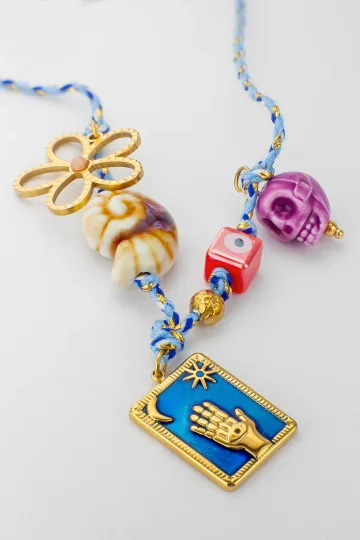
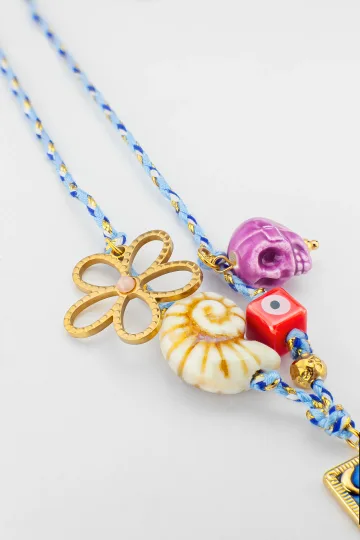
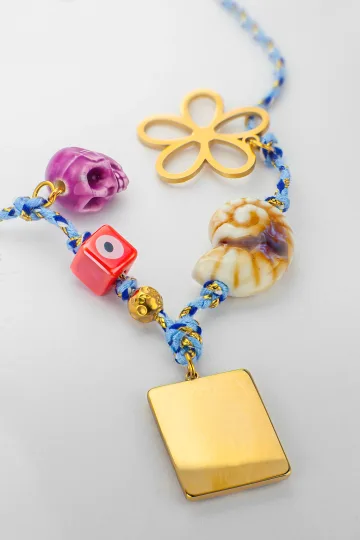
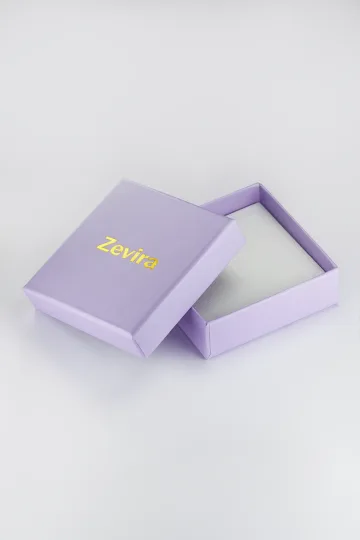
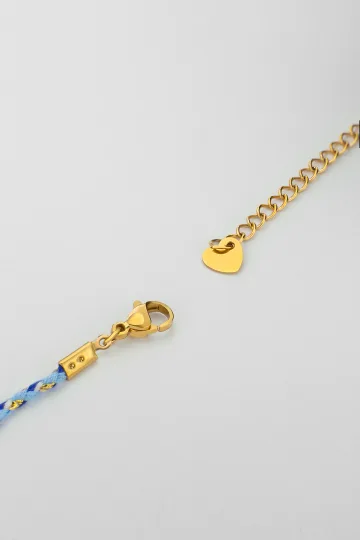
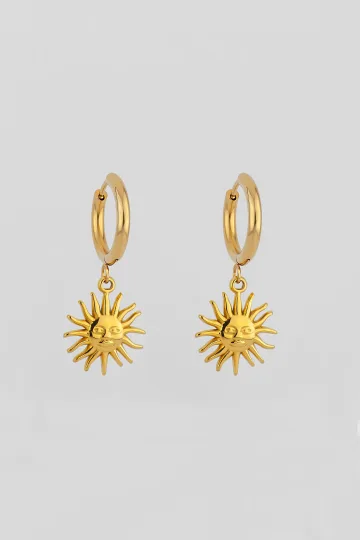
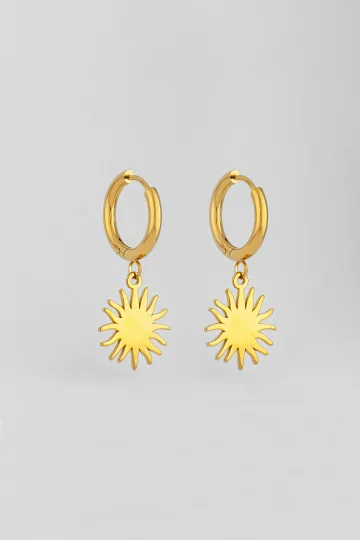
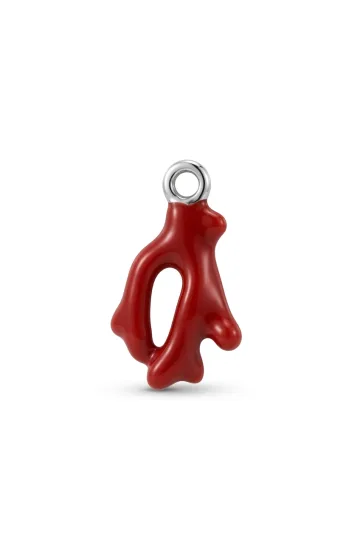
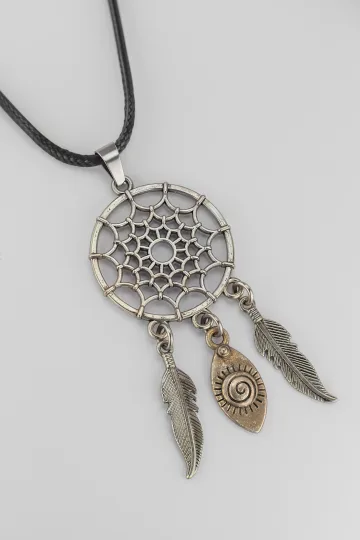
Wear the symbol, don't just read about it. These are in stock:
Age Hierarchy: What's Safe at Each Stage
Birth to 3 Years: When Jewelry Is Plaything
Until three, jewelry is a dangerous object. Children taste everything. That first gold bracelet often meets molars before wrists. The second problem: small detachable parts. A loose clasp, a poorly soldered charm, a weak attachment point can separate and become a choking hazard.
Safe options at this age:
- Silicone or soft plastic bracelet (more habit than accessory, but gentle). It's soft, won't shatter when dropped, and silicone is non-toxic even if swallowed.
- Pendant on textile cord with no metal. Cotton cord, wooden bead, or eco-resin bead. Your child can chew freely.
- Soft cord chain, supervised only. Remove before sleep and active play.
Never:
- Earrings (piercing heals slowly, infections are common).
- Sharp edges or protruding elements.
- Anything with detachable small parts.
- Nickel, which triggers dermatitis even in healthy newborns.
Ages 3-7: The First "Real" Piece
This is when children are developmentally ready. They understand jewelry is adornment, not food. They want to be like their parents. This is the window for first bracelet or simple pendant.
Safe materials:
- Sterling silver 925 or higher: hypoallergenic, lightweight, non-oxidizing in child skin. Allergies are rare, roughly 0.5% of population (defect on silver itself, not impurities).
- Medical-grade stainless steel (316L) is even safer. Doesn't tarnish, requires no maintenance, nearly impossible to trigger allergy.
- Eco-resin and soft materials still work if your child is active.
- Wooden jewelry with food-safe coatings is beautiful and allergy-free.
What to buy in this phase:
- Bracelet 14-15 cm (adjustable or sized to fit). Kids grow fast, and the bracelet should grow with them or at least survive the season.
- Pendant on soft chain, but with metal details now. Popular: nazars, hamsa, simple geometry shapes.
- Multiple simple pieces he or she can choose between independently.
Clasp selection matters:
Clasp choice is the knot of child jewelry complexity. Can your toddler fasten it independently? Not yet. For 3-7, you need clasps that are:
- Visible and large (tiny spiral clasps require adult coordination).
- Intuitive visually ("this goes in, this twists closed", done).
- Reliable (falling off mid-school day isn't an option).
Magnetic clasps, click-locks, adjustable chains work for 6-7. For 3-4, skip fastening altogether: slip-on bracelets only.
Ages 7-12: Style Emerges, Responsibility Grows
A seven-year-old can now wear jewelry at school, lose it, find it, care for it. The door opens wider. Earrings, rings, chains, bracelets all become possible.
Earrings at this age:
Ear piercing before seven is medically risky. After seven, it becomes a choice for your child and a medical decision. If you decide to pierce, choose a certified doctor or piercer, not a mall cosmetics shop.
First three months post-piercing: only sterling silver 925 or medical-grade steel. Studs (tiny sterilized stud earrings on posts) are not just beautiful but necessary for healing.
Bracelets and rings:
A ring for a 7-year-old is now a real accessory, not a toy. Sizes change rapidly, so adjustable rings (spiral or chain adjusters) beat fixed-size pieces.
Bracelets must be practical for school: not interfering with writing, not catching sleeves, not disappearing between desks.
School-appropriate jewelry:
- Thin chain or beaded bracelet, unobtrusive and age-appropriate.
- Simple geometric pendant, visible but not distracting.
- Small earrings for pierced ears only, on posts, no dangling pieces.
For celebrations and events:
Here children can experiment with something bolder: costume jewelry with stones (cubic zirconia, not diamonds), more dramatic designs, possibly gold-plated pieces.
Ages 12-17: Nearly Adult Jewelry, With Training Wheels
A teenager can wear almost like an adult. But taste is still forming. Jewelry is now a style statement, a declaration of identity and musical taste.
This is when first real gold or quality silver makes sense. The piece will last years, not seasons. Real investment.
Materials become more delicate: pearl, semi-precious stones (amethyst, garnet), enamel. Your teenager is old enough to care for them properly.
Safe Materials: Complete Parent Checklist
Sterling Silver 925: The Gold Standard for Kids
One of the safest metals for sensitive skin. 925 means 92.5% pure silver, rest is copper or zinc for durability. Allergies are extremely rare, roughly 0.5% of people (defect on silver itself, not impurities).
Downside: tarnishes over time. The black layer (silver oxide) isn't dirt, it's chemistry. Easily cleaned with damp cloth or single drop of liquid soap. Kids can learn to do this. It takes two minutes, no special knowledge.
Medical-Grade Stainless Steel: Allergy-Proof
316L or 304 steel doesn't tarnish, requires no maintenance, virtually impossible to trigger allergy. Slightly heavier than silver, but perfectly light enough for children.
One caveat: scratches more easily than silver on impact. Fine for jewelry wear, but if pristine appearance matters, choose silver.
Nickel: The Enemy
Nickel is present in cheap "alloy" jewelry (Chinese imports, coffee-price accessories). It causes contact dermatitis, a red rash where jewelry touches skin. For children, dangerous because they'll scratch it and infect it.
Check: If description says just "alloy" without specifying composition: probably nickel. Good makers always write "stainless steel" or "medical iron."
Gold Plating: Temporary but Safe
Gold plating is a thin layer of gold (0.5-5 microns) over silver or steel base. Doesn't last long. With intensive wear, even careful children wear through plating in 1-2 years.
Perfect for child jewelry though. Gold is safe, looks expensive, and when plating wears, just buy a new piece. For transition ages (10-13), plating is ideal.
Wooden Jewelry: Underrated Choice
Eco-wood (beautifully painted, safe non-toxic finishes) is excellent for school-age kids (7-10). Lightweight, beautiful, not cold like metal, zero maintenance. If lost, no regret.
Just ensure coating is safe (marked "non-toxic," "safe for children"). Untreated raw wood can splinter.
Cubic Zirconia: Almost Real, Actually Affordable
Cubic zirconia (also called CZ, fianite) is synthetic crystal, visually identical to diamond, but 1/100 the price. Perfect for kids. Beautiful earrings with stones, a pendant with a "diamond" that looks expensive but costs pennies.
Downside: gets cloudy with heavy wear over time. But for one season, a school dance, a graduation, it's the ideal choice.
Customer reviews
Zevira is a real jewellery shop. Genuine payments, deliveries and customer thank-yous.
🥰🥰🥰 gracias
Ok, ¡gracias! 🙂
Hypoallergenic Jewelry: When Your Child's Skin Demands Special Care
What Contact Dermatitis Actually Is
Contact dermatitis isn't food allergy. It's skin irritation from direct metal contact. Can be triggered by:
- Nickel (championship allergen)
- Copper (when jewelry sweats and oxidizes)
- Low-karat gold (3-5% gold, rest unknown alloy)
- Cobalt
How to spot it:
- Ring is red only where it touches.
- Earrings are weeping, itchy after 2-3 hours wear.
- Bracelet leaves black residue, and itching starts.
Hypoallergenic Materials: Complete List
- Sterling silver 925+, the standard.
- Medical stainless steel 316L, even better than silver.
- Titanium, rare in kids' jewelry but the best choice for extremely sensitive skin.
- Gold 18 karat and higher, real gold, not alloy. Expensive for kids, but perfectly hypoallergenic.
- Platinum, rarest and most hypoallergenic. For heirloom-quality pieces.
What to Avoid Absolutely
- "Metal" jewelry without material specifications.
- Jewelry where copper shows (copper/brown gleam under thin plating).
- Cheap earrings with microscopically thin plating on unknown base.

Turn on your camera, pick earrings, a pendant or a ring, and see the piece on yourself in real time.
Switch items in one tap.
Everything runs in your browser: no photo or video is ever uploaded.
School Jewelry: What Passes, What Stays Home
School Dress Code for Jewelry
Every school is its own country. Ask the teacher first.
Universal safe rules though:
Typically allowed:
- Simple ring design (no sharp edges, no large stones).
- Thin chain with pendant (pendant under 5 cm, not flashy, not shiny).
- Single bracelet (one per wrist, no bells or charms).
Usually not allowed:
- Earrings in elementary school (catch hair, distract).
- Large pendants with stones (reflection, catching, desk snagging).
- Bracelets with charms or decorative elements (noise, distraction).
- Multiple rings on all fingers (looks sloppy, interferes with writing).
School Event Jewelry
Here different rules apply. Dress, shoes, jewelry are ensemble. Dress up rules apply.
For 7-10-year-old girls:
- Small-stone earrings (cubic zirconia or pearl).
- Beaded or crystal bracelet.
- Delicate-shape pendant (star, moon, flower) with subtle shine.
For 11-14-year-olds:
- More serious earring design (not teardrop, but sophisticated).
- Thin chain, not chunky men's chain.
- Gold-plated or real gold bracelet (if budget allows).
Metal color matters:
- Silver-toned metals with cool-tone dresses (blue, black, white).
- Gold-toned metals with warm dresses (pink, peach, cream).
- Don't mix metal tones on one child. Looks unpolished.
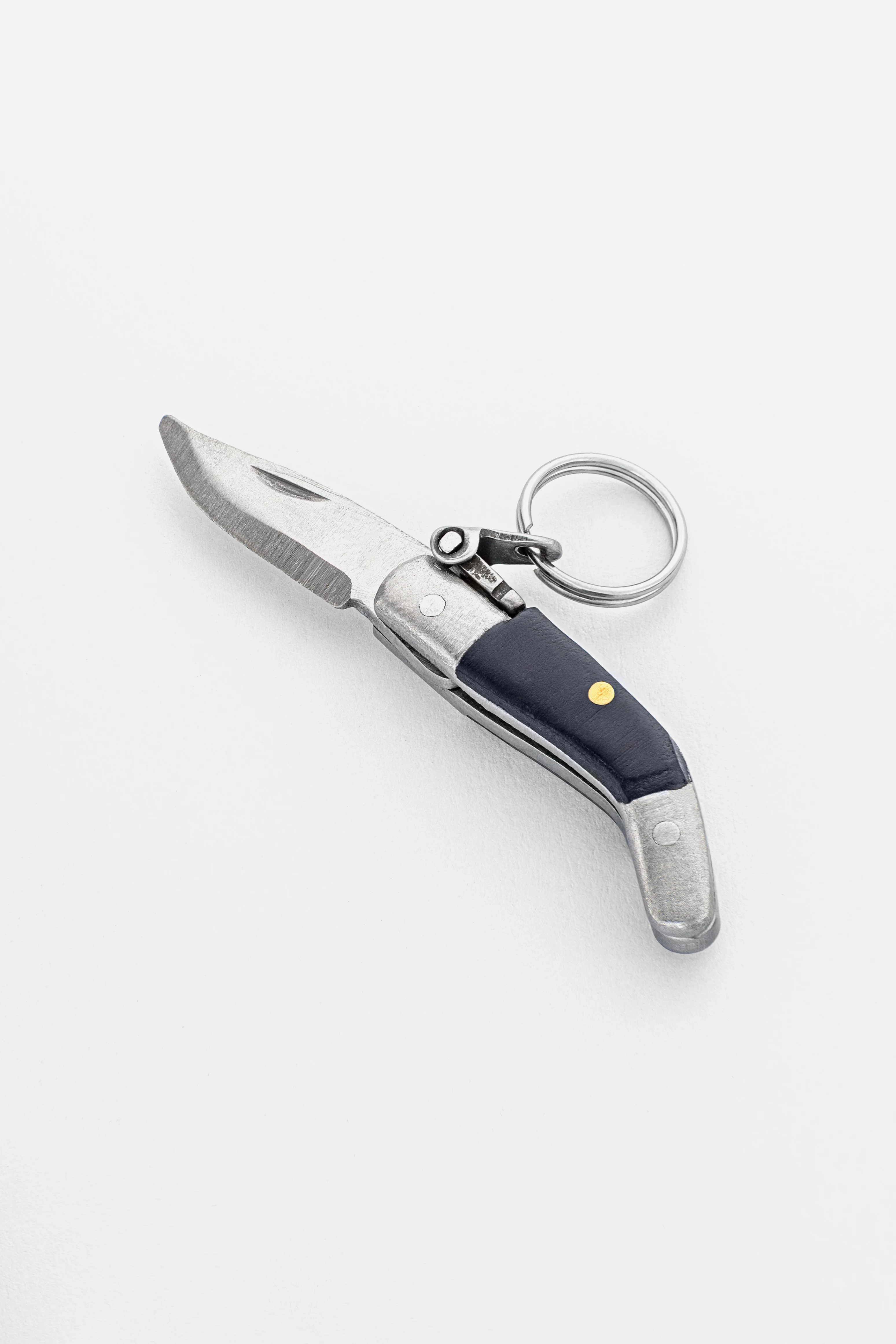
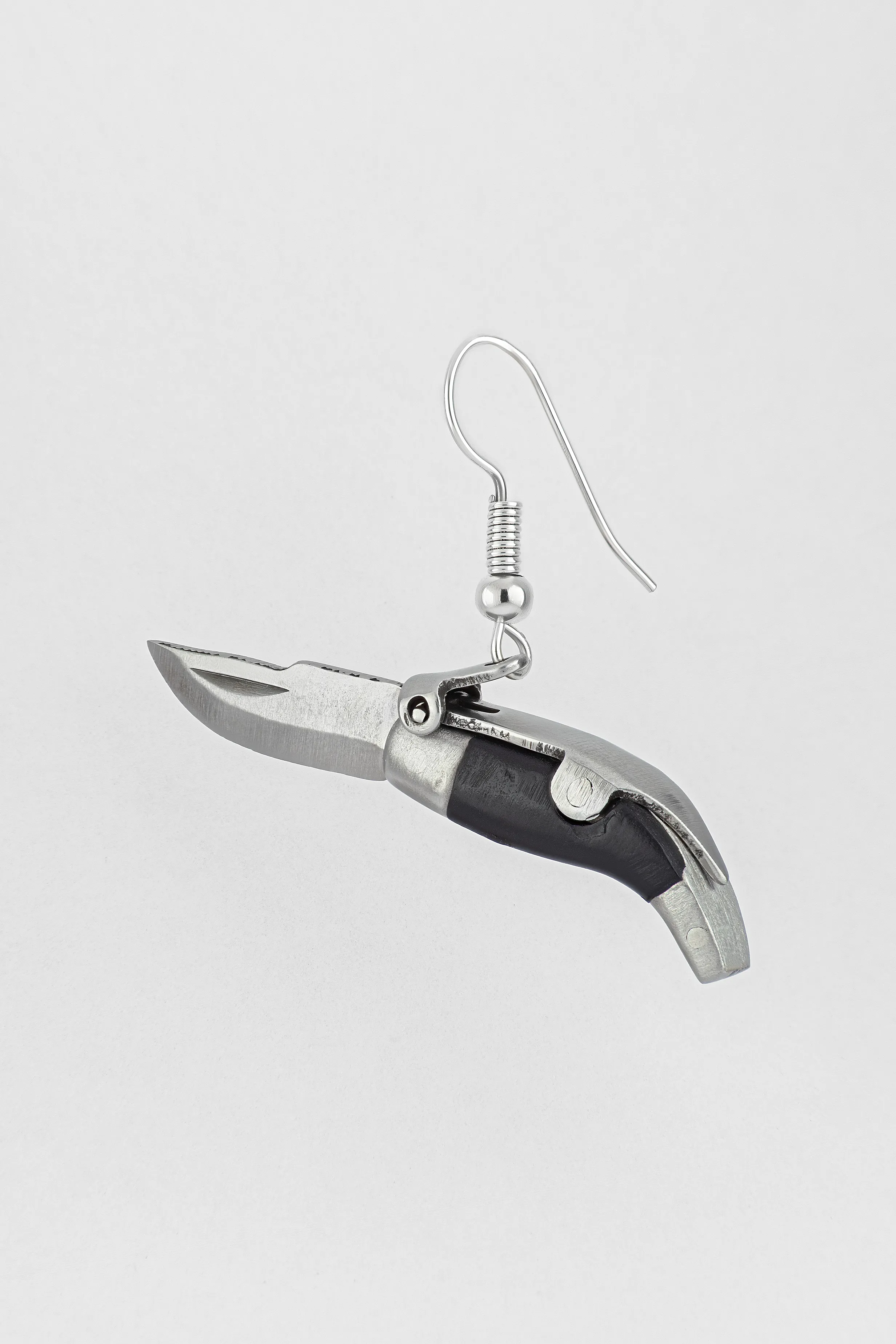
Artisan-crafted CAPAORA navaja pendant
A 40 mm stainless-steel navaja with a real folding mechanism and Palanquilla lock. An affordable gift to remember.
A code for blog readers:
10% off your first order
Authentic · Maker's guarantee · Ships from Spain
Choosing Jewelry by Age and Personality: Step-by-Step
Ages 3-5: Interest, Not Collection
What to look for:
- Bracelet 15 cm (adjustable or custom-sized).
- Pendant on soft cord (max 20 cm long).
- Materials: sterling silver 925, medical steel, eco-resin wood.
Where to buy:
- Specialty kids' lines from major jewelers (they know what they're doing).
- Ethical wood jewelry shops.
- Online with material guarantee (Etsy sellers specify exact purity).
What not to buy:
- Multiple pieces at once.
- Anything with nickel.
- Hand-me-downs from older kids (dirt, wear).
Ages 6-8: First Real Choice
Now you can ask: "Do you want a bracelet or necklace? What color?" Let them choose.
Buy:
- Beaded bracelet or chain (18 cm, adjustable option).
- Symbol pendant they like (animal, star, moon, simple cross).
- First earrings if pierced (small studs, silver, no stones or pearl only).
- Simple adjustable ring.
Teaching responsibility:
"This is your jewelry. You keep it safe, don't lose it, wash it before bed. If you lose it, we'll search first, then buy a new one. If you break it from carelessness, we'll fix it, but that's your mistake."
Most children take this conversation seriously. Jewelry becomes first responsibility.
Ages 9-12: Style Starts Forming
Now ask "Which style appeals to you? Minimal or more colorful?"
By style:
Minimalist:
- Thin silver anchor chain (1.5mm thick, 40cm).
- Simple geometric pendant (tiny circle, triangle, star).
- Metal-only ring, no stones.
Nature-inspired:
- Wood or amethyst bracelet.
- Leaf or flower pendant.
- Wood ring.
Colorful:
- Gold-plated silver bracelet with colored enamel.
- Pendant with colored cubic zirconia.
- Pearl or garnet earrings.
Athletic:
- Steel bracelet or silicone.
- Thick steel anchor chain (2mm) for weighted pendant.
Ages 13-17: Nearly Adult, But Not Yet
Teenager can wear almost like adult. But allow for transition:
- Real gold or quality gold-plated silver (plating lasts 1-2 years with active wear).
- Jewelry with higher-value stones (garnet, amethyst, real pearl).
- Hoop earrings, elongated styles, chain bracelets.
- Pendants with personal meaning.
Consider investment piece now. Thin gold chain bought at 15 will be worn at 25, then passed down. Sense to invest in quality.
Leave your email, we'll send your discount code. No spam, unsubscribe anytime.
The code arrives by email, valid on your first order.
FAQ: Every Parent Asks This
Q: My child sweats. Jewelry gets black from sweat. Normal?
A: It's oxidation. Silver reacts with sweat and tarnishes. Totally normal. Just wash jewelry weekly in soapy water. Shine returns instantly.
Q: Earrings were clean, now the earlobe is red. Allergy?
A: Either metal allergy (switch to medical steel) or infection (dirty hands, unwashed piercing site). Wash the earlobe with soap, switch to sterile studs, observe for 3 days. If it persists, see a doctor.
Q: Left jewelry at school. How to recover?
A: Lost and found, classmate's desk, teacher's office, school administration. If valuable, ask administration. If cheap, probably lost for good. Ask friends to look.
Q: Can kids scratch jewelry if it's gold?
A: Gold is soft. Scratches more easily than silver. That's why gold plating is perfect for kids. When plating scratches, buy a new piece. When the child grows up, give real gold.
Q: Can child wear jewelry while sleeping?
A: Generally yes, but remove chains (tangle risk) and anything sharp first. Studs are fine. Delicate pieces better stored away overnight.
Q: Child eats jewelry (chews, mouths it). Dangerous?
A: Silver or steel pose no serious danger. But microcracking develops, durability drops. Explain jewelry isn't a toy. Kids under 3 get supervised wear only.
Q: How to clean kids' jewelry without damaging?
A: Wet cloth with soap is usually enough. Silver can be gently brushed with a soft toothbrush if tarnished. For cubic zirconia, use a gentle cloth only, no scrubbing.
Q: Gold-plated piece already flaking after 3 months. Defect?
A: Probably. Good plating lasts minimum 6 months with kids. Demand replacement. If it's lasted 1+ year, that's normal wear and acceptable.
Q: Child wants cheap shiny earrings like friend's. How to explain nickel risk?
A: Honest: "Those are beautiful but the metal can make ears red and itchy. Let's find similar ones in safe material." Then show comparable design in quality material. Often just 20% more expensive, looks better.
Myths About Kids' Jewelry: What Actually Works
Myth: "Real gold is too expensive for children"
Truth: Thin gold chain (2-3g) costs less than quality gold-plated silver lasting only 1-2 years. Gold is forever.
Myth: "Silicone is plastic, it's harmful"
Truth: Medical silicone (FDA-approved) is safer than most metals. Used in pacifiers. Food-grade.
Myth: "Green skin from jewelry means metal poisoning"
Truth: Pure chemistry. Copper oxide stains skin but isn't harmful. Just sign of lower-quality jewelry.
Myth: "Remove earrings at night or hole closes"
Truth: Pierced earlobe doesn't close overnight. Modern piercing stays open months without jewelry. Old myth from manual piercings causing infection.
Myth: "Cheap jewelry teaches bad taste"
Truth: Good design is design. Wooden piece with beautiful form teaches more than poorly-designed expensive item. It's about craft, not price.
Send a friend a discount code, they save on their first order.
Teaching Care: Making Jewelry Their Responsibility
First piece = first responsibility
When giving jewelry: "This isn't a toy you abandon. It's like Mom's jewelry. You put it on, take it off before sleep, wash weekly. If you lose it, we search first, then buy new. If you break it from carelessness, we fix it, but you learn the consequence."
Care routine:
- Remove at night. Jewelry goes in box or cup.
- Weekly wash. Soapy water, soft brush (toothbrush works), dry on cloth.
- Storage. Separate box so it doesn't scratch, doesn't get lost.
First year, this is enough. Once they demonstrate care, allow more delicate materials and expensive pieces.
Investment Pieces: Thinking Long-Term
If buying for 14-17, ask: Is this for memory? For years? Then choose:
- Material: Gold 18k+, real pearl, natural stones (garnet, amethyst, topaz).
- Design: Timeless, not trendy. Not thin chains with current-moment pendants. Something classical.
- Engraving: If engraved with name or date, it's already an heirloom.
Gold chain bought at 15 will be worn at 25, passed to their child. Gold-plated silver lives 2-3 years. Choose based on intention.
Conclusion: Jewelry as First Autonomy
Children's jewelry isn't about looking pretty. It's about identity. They choose to wear it. They select which style. They learn to care for something beautiful and fragile.
From age three borrowing a bracelet to seventeen choosing their first real gold piece, it's a path of developing taste and responsibility. It starts with a parent finding time, choosing safe materials, and saying: "This jewelry is for you. You're beautiful and you're ready to wear it."
The rest happens naturally.
About Zevira
Our catalog includes jewelry for children of all ages: from silicone bracelets to gold chains with engraved names. Every piece passes safety checks for material toxicity, allergens, and sharp edges.