Gift for an Athlete: Jewelry with Character for the Win, the Career and the Path
A medal gets shown, jewelry gets worn
A medal goes on a nail or into a drawer, and that is usually where it stays for a long time. A piece of jewelry engraved with the result gets worn every single day. The difference is not in the material. The difference is in who the object is meant for.
A medal needs to be shown to someone: parents, the coach, a neighbor. Jewelry is only for you. The standard athlete gift says "you are sport." Jewelry says "you are a person who does this." Those are different messages.
This article is about choosing jewelry for an athlete with care: the right symbol, the right engraving, the right occasion. No kitsch with trainers dangling off a chain, no empty phrases. We will go through every occasion in turn: the child reaching their first grade, the adult athlete at the marathon and at the championship, the coach, the partner, the team. And separately, the symbols, the engraving and specific sports.
The athlete and their identity: sport as a way of being yourself
Sport shapes a person in a particular way. The psychologist Erik Erikson described the crisis of adolescence as the search for an answer to the question "who am I?" In sport that answer arrives through the body, through wins and losses, through the feeling of belonging to a team or fighting alone. It is one of the few routes where identity is built not from words and not from beliefs, but from physical experience. The body knows itself before the head manages to put it into words.
For a child who has trained since the age of six, the sporting identity is often the first one that is genuinely their own. Before "good student," before "the one who draws," before "the reader." What comes first is exactly this: I am a swimmer. I am a gymnast. I am a wrestler. That self-definition through the body comes before any other.
Erikson wrote about the conflict between industry and a sense of inferiority during the school years: the child looks for a field where they are competent, where their effort is seen and rewarded. Sport delivers that with unusual clarity: the result is measured in seconds and kilos, in belts and grades. There is no subjectivity of a teacher's mark here. Either you cleared 1.85 or you did not.
For an adult athlete that bond is no smaller. A marathoner knows themselves through the distance. A swimmer sees themselves in the seconds and in the length of the stroke. A judoka carries the ladder of belts inside as a story of growing up: white at six, black at twenty-three. Each belt is a layer of personal history that goes nowhere.
Sport structures time: there is a season, there are competitions, there is a peak, there is a slump, there is an ending and the start of a new cycle. That structure becomes the architecture of an entire life. When an athlete ends their active career, they often lose both the activity and the very structure of time. It is a serious loss, underestimated by people who never trained seriously.
That is why a gift for an athlete that ignores their sporting identity always lands slightly off. Good perfume or an expensive jumper is lovely and pleasant, but it does not reach what the person considers themselves to be. Jewelry with the right symbol reaches it precisely.
The symbol on the jewelry says: I see not what you do, but who you have become through what you do. Those are different things. You can do something for years without becoming it. An athlete, as a rule, becomes it. And a gift that acknowledges this is valued differently.
The psychology of the trophy: why jewelry sometimes works better
The trophy appeared in the ancient world literally as a trophy (Greek tropaion): a stand bearing the weapons of the defeated enemy, raised on the spot of the victory. Winners fixed the moment of triumph in space. It was a mark for history, for the gods, for posterity.
The modern sports cup continues that logic, but with one substantial change: it does not move. The trophy stands at home, on a shelf, in the club cabinet. It remembers the event but does not walk with the person. It is a relic, not a companion.
Jewelry walks. That is its key difference from a trophy.
A bracelet engraved "4:11 / 26.04.2026" travels with the marathoner to the next start, to the shop, to a meeting with a friend. A pendant with a laurel wreath hangs around an athlete's neck at the national championship that comes after the win. A ring with the coach's initials carries every day what words said only once.
There is another difference. A trophy needs context. If you walk into someone's home for the first time and see a cup, you do not know exactly what it is for. You have to ask. Jewelry with a well-chosen symbol tells its story on its own, without questions, if the person looking has eyes and a little imagination.
A third difference: a trophy ages one way, jewelry ages another. A cup gathers dust, the gilding flakes, the name plates oxidize. A silver bracelet takes on a patina, becomes livelier and warmer from being worn. The trophy reminds you of the past and increasingly stays there. Jewelry moves into the future with you.
There is a fourth difference, rarely spoken about plainly. A trophy carries official recognition: an organization, a federation, a club hands it over as an institutional sign. That matters, but it is a public gesture. Jewelry carries personal recognition: a specific person who chose a specific symbol, ordered a specific engraving, bought exactly this. That is a completely different language. Sometimes personal recognition weighs more than the public kind.
This does not mean trophies are bad. They matter as institutional recognition. But a personal gift from someone close, from a coach, from the team, from yourself, often fits better in the form of jewelry. Because it is wearable. Because it goes further.
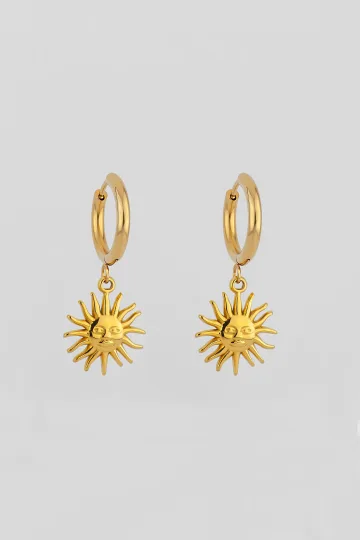
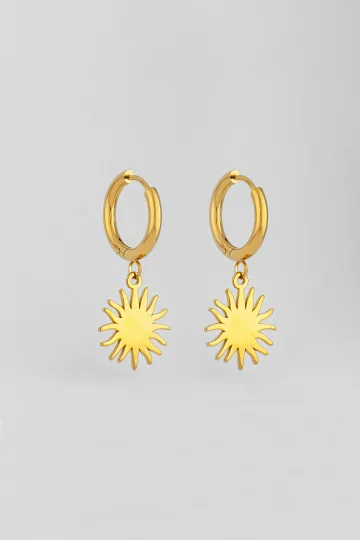
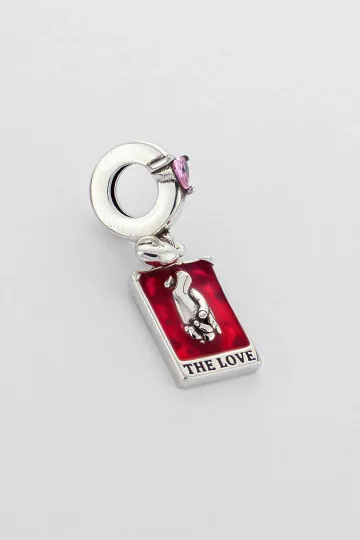
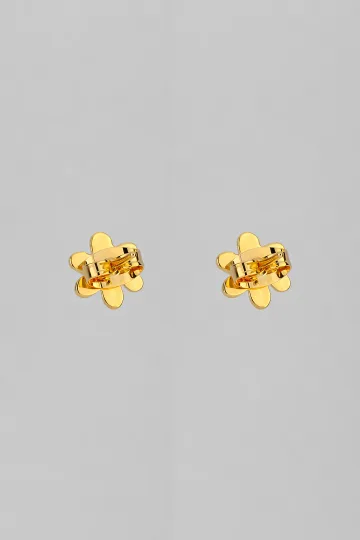
Wear the symbol, don't just read about it. These are in stock:
Why the medal is an athlete's first piece of jewelry
A medal is wearable, but it is rarely worn: mostly it hangs on a nail or lies in a box. And yet it is the medal that draws the strongest emotional reactions. The reason is simple: the medal is the first piece of jewelry an athlete receives in their life, and the first experience of "wearing" a victory. It is where the understanding begins that an achievement can be made into a tangible object placed on the body.
A piece of jewelry continues that line, but completes what the medal lacks by definition, and that is the subject of the next section.
Categories of occasions: when jewelry fits
Not every moment in a sporting career suits a jewelry gift equally. There are occasions where jewelry lands exactly, and occasions where something else is better. Understanding that difference helps you make the right choice.
Exact hits for jewelry: The first serious achievement (a grade, a first medal, a first finish). The peak achievement (a championship, a record, a first international start). The end of a career. The return after an injury. An anniversary in sport (ten, twenty, thirty years).
Occasions where jewelry works but needs precision: The end of a successful season (yes, but it needs the right symbol). The athlete's birthday (good, if you tie it to the sporting identity). Graduation from a sports school (good).
Occasions where another format is better: Before an important start (better a practical gift or a word of support; jewelry can create pressure). After a defeat (jewelry with a victory symbol in the moment of defeat reads awkwardly, unless it is a phoenix with a direct conversation about coming back).
Understanding the context is part of the choice. Jewelry at the right moment is remembered. Jewelry at the wrong moment simply goes into a drawer.
A gift for a child athlete: when and what
The first grade: the border between a hobby and a calling
The step from junior sport to the first serious competitive recognition marks a real border. The jump from "I do sport" to "I am an athlete." Up to that moment the child trains. After that first recognition they already carry a sporting standing, and that changes something in how they relate to themselves.
That border is usually crossed between the ages of twelve and seventeen, depending on the sport. It is a period when identity weighs especially heavily. To give the right signal in that moment is to say: I see who you have become. Not "well done for taking part," but "you are already an athlete." That is different.
The jewelry gift for that moment should be modest in size but precise in meaning. A bulky piece looks absurd on a thirteen-year-old swimmer or a fourteen-year-old wrestler. The right choice: a thin chain with a small pendant, a bracelet with a single detail, a small ring. The size matches the age, the symbol matches the achievement.
The symbol matters. The laurel wreath for a winner in competition: a symbol that passed through the Greek Olympic Games, Rome, the Renaissance and survived to our day as a universal sign of victory. A wreath on the neck of a teenager who has just crossed that border says: you enter the line of those who won before you.
The crown for the one who has just come first in their category. Not a monarch's crown, but the one that in a sporting context reads as "champion of this level." More on the symbolism of the crown.
Infinity for the athlete who understands that the first grade is not a finish but a beginning. A sign of the continuous path, of the next trainings, of the next victories. It works especially well when the child grasps this themselves and says so out loud. The history of the infinity symbol.
The engraving at this stage: the year and the grade. Something short and absolutely exact on the inner side of the bracelet. Twenty years from now it will not be a detail, it will be a document.
The first international start
Going out to an international competition is a different milestone. It is not about a grade, it is about scale: you have crossed the borders of your own country. You represented something larger than a club or a city. It is the moment the sporting identity widens.
The gift here should speak of that widening. A compass or a wind rose: a symbol of navigation, of finding yourself in the wider world. Symbolism of the compass and the wind rose. The first international start is the first step into a space where the borders are no longer regional.
Engraving: city, country, year. "Budapest 2026" or "Lisbon 2026" on the back of the pendant. The place that became the starting point of a new scale.
Graduation from a children's sports school or academy
This is a special moment that often goes without the right jewelry sign. The child has finished a course lasting several years and received a professional base, a system of values, discipline. The one who leaves a sports academy enters adult sport, or life, with a particular foundation.
Jewelry for graduation: a gift guide looks at this moment in detail for different institutions. For someone leaving a sports academy, the combination works especially well: a laurel wreath as victory plus a compass as direction in the life that comes next. It is a gift with the message "you have arrived and now you know where you are going."
A team gift from the club
Sometimes the coach or the parents of a section want to mark a whole group: the athletes of one intake who finished their first year, the graduates of a children's sports school, the team after its first win. In that case the gift should be the same or similar for everyone: bracelets with one symbol, an engraving with the year, small identifying pendants.
The engraving here works as glue for memory: "Class of 2026" or simply the year on the inner side of the bracelet. That person will find the bracelet twenty years later and remember at once: the hall, the trainings, the teammates.
What matters with a team order: all pieces must be of the same quality. A difference in quality within one group is always noticed and creates a hierarchy that there is no reason to create.
Customer reviews
Zevira is a real jewellery shop. Genuine payments, deliveries and customer thank-yous.
🥰🥰🥰 gracias
Ok, ¡gracias! 🙂
A gift for an adult athlete: three key moments
The marathon and high-level amateur sport
Over the last fifteen years amateur sport has changed. People who never called themselves athletes run marathons, finish an ironman, climb high peaks, swim across straits. It is not professional sport, but it is a genuine achievement that demands months and years of preparation, discipline, and not rarely the overcoming of physical and psychological crises.
A person who has run a marathon, climbed Ben Nevis or a higher summit, swum across a strait or finished an ironman wants one thing: for it to be fixed forever. The finisher's medal does that officially. The jewelry gift does it personally.
The best engraving for this case: distance, time, date. A bracelet with the inscription "42.2 km / 26.04.2026 / 4:11" says more than any cup. Because these are the exact coordinates of a specific day, a specific body, a specific victory over oneself. No one else ever ran exactly that time on exactly that day for exactly that distance.
Symbols for the amateur marathoner:
The phoenix for the one who came back after injuries or a long break. The person who told themselves "I will never manage again" and then did, knows what it means to rise from the ashes, not as a metaphor but physically. Further on in this article three recurring examples will appear: the runner Daniel, the young champion Emma, and the coach Thomas. Daniel ran his marathon after three years of rehabilitation, and for him the phoenix is not a pretty image but literally what happened. The phoenix as a symbol of rebirth.
Infinity for those who see amateur sport as a way of life. The person who has run eight marathons and plans another twelve wears infinity on the wrist as evidence: this will not end. The next start, the next season, the next goal. The history of the infinity symbol.
The compass for those who found their direction in sport. Especially for those who came to amateur sport late, after forty, after illness, after a stretch when the body felt foreign. Sport became the compass that returned their bearings. Symbolism of the compass.
The championship and serious competitive sport
An athlete who has won a national championship, an international tournament or a league deserves a gift that matches the scale of the event. This is not a moment for a modest little pendant. This is a moment for something that speaks of the achievement head on.
A large pendant with a laurel wreath. A ring with a shield, a symbol of victory in a serious fight, not of decorative presence at a tournament. A crown as a sign of primacy at one's own level. The shield in jewelry: history and meaning.
Engraving: the year, the name of the tournament, or the simple word "champion" plus the year. Long inscriptions are not needed. Precision matters more than volume. "National Champion 2026" or simply "2026" with a symbol understood only by those who were close.
The metal matters. Gold reads as the highest step, which suits a championship. Silver with oxidization works too: dark metal with a notched symbol looks serious and without pomp. Gold 14K or 18K for the most significant wins.
A special case: the first championship. That event happens once. The first time you became the best at your level. After that there can be a second, a third, a fourth. But the first time is always special. The gift for the first championship should be more noticeable than the ones that follow. Because the first championship is the proof to oneself that it is possible, and before that moment the certainty was not there. And jewelry with that year carries that proof permanently.
The end of a career
This is the hardest gift moment in sport. The person ends what they were. The sporting identity does not vanish, but it transforms: now they are not an athlete but someone who was an athlete. That change calls for recognition and a symbolic mark.
A common mistake: giving something for this event that underlines the end. Memorial albums, compilations of the best moments of the career. That is not bad, but it is a look backward. A more precise gift is a look forward, from the position of a person who carries with them everything that was.
The phoenix fits here precisely as a symbol not of the end but of the passage. The bird that burns and is born again speaks not of loss but of continuation in another form. An athlete, closing their career, does not die: they pass into a new quality. A coach, an expert, simply a person who knows their own body as few do.
A shield with the years of the career engraved: "1996-2026." Thirty years of life in figures on a ring. It is a document.
A sword as a symbol of readiness and honor. A person who closed their career with dignity may wear a sword by full right: their honor is not in question. The sword in jewelry: meaning of the symbol.
The compass: a new direction after the close. It is a gift with the message "your path has not ended, it has only changed its bearing." Especially good for athletes who move into coaching or another activity tied to sport.
A gift for the coach: recognition that is worn
The coach is a special case. Their role in an athlete's life often weighs more than the competitions themselves. The coach sees you every day, knows your weak spots and your room to grow, carries responsibility for your safety in the hall and at the start. This is not a classroom teacher leading thirty people through a syllabus: this is someone who works with your body and your will at the same time, often over many years.
The coach-athlete relationship is among the most intense long-term human relationships. The coach knows things about you that no one else knows: how you react to pressure, what happens to your body under load, where your real limits are and where the limit is one you invented for yourself.
The gift to a coach should be worthy of the depth of that relationship, while respecting the professional distance: the coach remains a mentor, not a friend in the ordinary sense of the word.
What works as a gift for the coach
A pendant with a laurel wreath or a crown: the coach is a winner too, through their pupils. Their victory is always collective and a little delayed: it happens when the pupil climbs the podium. But it is no less real for that. The coach who raised a champion carries that laurel wreath by right.
The shield: a symbol of the protector. That is exactly what a coach does in the broad sense: protects from mistakes, from injuries, from burnout. The coach as a shield is an image clear to any athlete who has worked with a real coach.
The names of pupils engraved on the inner side of the bracelet, or simply "from your team, 2016-2026." A coach with thirty years of experience who receives a bracelet with the names of their first five pupils to reach champion level receives something that cannot be bought in a shop. It is the list, by name, of what they achieved. A record in metal.
The sword: if the coach was a serious athlete themselves, the symbol of the fighter will be close and clear to them. It carries the honor of a specific path.
The compass: the coach is the navigator of the pupil's sporting path. The symbol of the direction pointer works here in the literal sense.
How to organize a team gift for the coach
A team giving jewelry to a coach should think about the unity of the message. Not "we chipped in and bought something," but "we chose this because..." The explanation at the moment of giving matters more than the price of the jewelry. "We chose a shield because you protected us" is a moment that will stay in the coach's memory longer than any sum of money.
What does not work
Gifts that are too domestic (mugs, planners with themed slogans) lower the value of the moment. They say "we bought something with the symbol of your profession." Jewelry says "we thought about you."
A gift that is too expensive from a single pupil can create awkwardness. The right balance: the strength of the symbol and the engraving matters more than the monetary value.
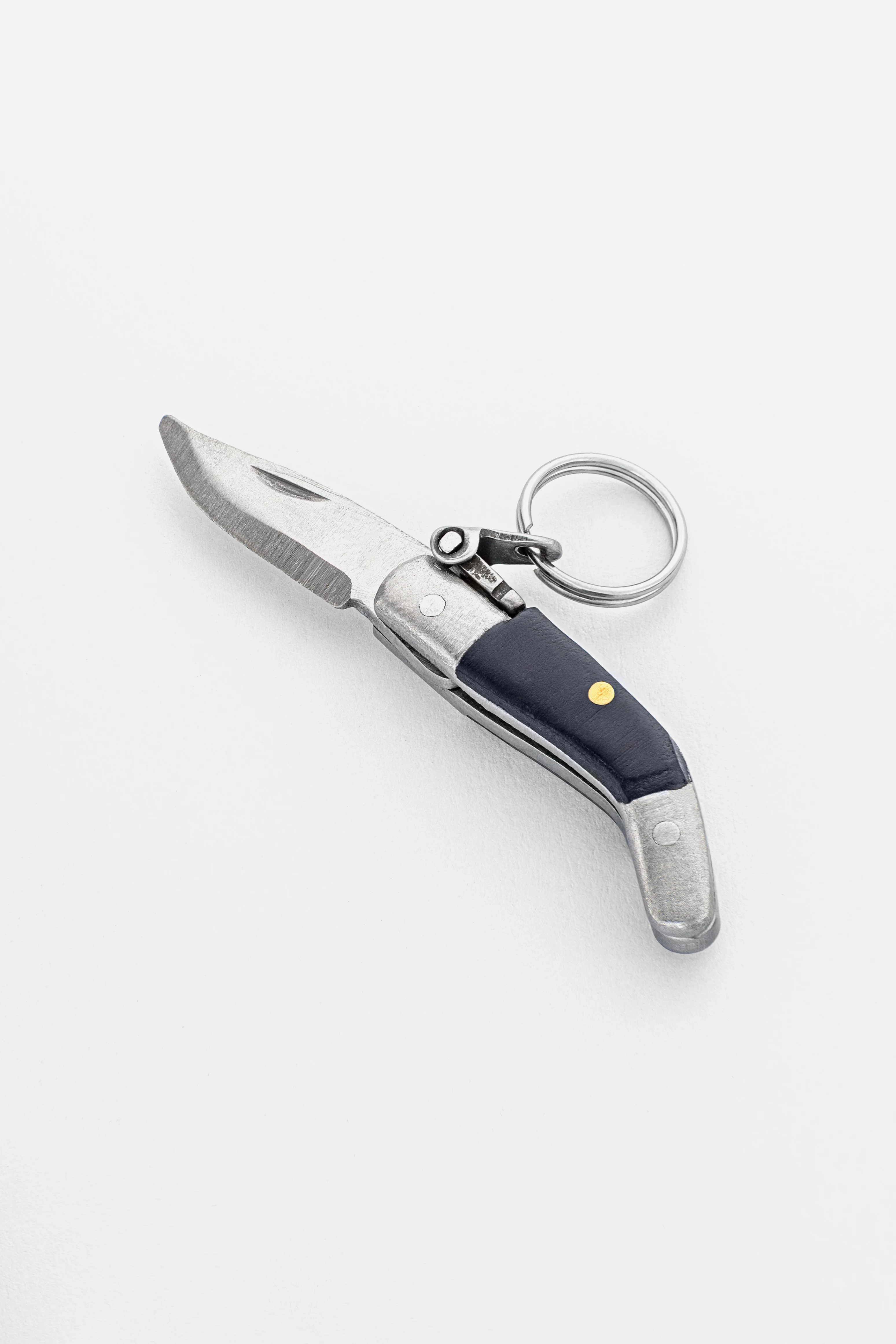
Artisan-crafted CAPAORA navaja pendant
A 40 mm stainless-steel navaja with a real folding mechanism and Palanquilla lock. An affordable gift to remember.
A code for blog readers:
10% off your first order
Authentic · Maker's guarantee · Ships from Spain
A gift for an athlete partner
A paired pendant after the first start together. Bracelets with one symbol for the two of you after the marathon you ran together. Rings engraved with the date of the first shared tournament.
Paired jewelry works especially well in a sporting context, because shared sporting experience is one of the most intense ways to come to know another person. You have seen each other in the effort, at the limit, before and after the win, before and after the defeat. You have seen how the other reacts when it gets hard. It is a rare knowledge of a person, one that ordinary life together gives slowly and sport gives fast.
Infinity as a paired symbol in a sporting context reads precisely: not "we will be together forever" in the romantic sense, but "we went through something real and it will not disappear." A shared start, a shared effort, a shared finish line.
The phoenix for a couple who got through the injury of one partner together, a long stretch without competing, the rehabilitation. To rise again as a pair is a different experience from rising alone.
The compass for partners who found each other through sport and keep moving in the same direction. One compass, or two compasses pointing to the same cardinal point.
The shield: a couple who cover each other's backs in a team sport know that symbol in the literal sense.
Engraving: the language of precision
Engraving turns jewelry into a monument. Without engraving, jewelry is beautiful. With engraving, it becomes a personal document that belongs only to this person.
What to engrave for an athlete
The date of the start. The date of the first marathon, the first championship, the first international start. The format DD.MM.YYYY fits on any surface. A short year works too.
The finish time. For a marathon, a triathlon, a swim, a cycle race. "3:47:22" is the exact coordinates of a specific day. Only this person, on this day, with this body, posted exactly this time.
The distance. "42.2" on a marathoner's bracelet. "3.8+180+42.2" on an ironman's. "50m" on a swimmer's pendant. People who understand these figures catch them at once. There is no need to explain to the others, and that is part of the value.
The year of the championship. A plain year on a ring or inside a bracelet. Laconic and absolutely exact. "2026" on a ring with a laurel wreath says everything.
The coach's initials. An athlete who gives a coach a bracelet engraved with their own initials makes the coach the keeper of another person's name. It is a gesture of trust.
The coach's personal phrase. Every good coach has a phrase they repeated at every training. It goes on the inner side of the bracelet and no longer leaves. "One more time" or "hold on" or whatever concrete thing the coach said to you in particular.
The number in the team. For team sports. A simple number on a pendant or a ring. Only someone who was in that team knows what exactly that number means.
The place of the start. "Boston," "Berlin," "London." A place name that says everything to those who know. To the others, just a fine-sounding word.
A short line from the coach, or a quote that matters to the athlete. Not a long quote from a great figure, but your own. Concrete. The one that held you up in a hard moment.
What not to engrave
Long inspirational quotes pulled off the internet sit badly on jewelry. They blur the accent and read like a mass product. The best engraving is short and precise.
Words that are too generic ("Winner," "Champion" without context) lose their force. Add the year or the distance and they work again. Without context they sound like a sticker you put on yourself.
Leave your email, we'll send your discount code. No spam, unsubscribe anytime.
The code arrives by email, valid on your first order.
Symbols for the athlete: what to wear and why
Choosing the symbol is the conversation about what exactly you want to say to the athlete with this gift. Different symbols say different things: about the win, about resilience, about the path, about rebirth. The right symbol lands without explanation.
A lot of prejudice has built up around jewelry for athletes: that it is kitsch, that you cannot give it to a man, that without diamonds it is not serious. Let us go through the most common.
The laurel wreath: victory as a state
The laurel wreath is the most direct and oldest symbol of victory. The Greeks crowned the winners of the Olympic Games with it. The Romans laid it on generals returning in triumph. Poets wore it as a sign of the highest creative achievement. The Renaissance built the wreath into academic symbolism, and since then it has been present everywhere it is needed to say "the highest point of achievement."
For the athlete the laurel wreath says exactly: "you have reached the summit." You can win by chance. You can reach the summit only through work. The wreath speaks of the work, not of the luck.
To wear the laurel wreath around the neck is a reminder to oneself: I got there and I want it again. The wreath does not say "you are already ready," it says "you already know what it is like." The difference is substantial.
In the tarot, the image of the laurel wreath appears on the Six of Wands: the figure of the victor on horseback, with the wreath on the head, a procession behind. It is the image of public triumph, of recognition by others.
The crown: first among equals
The crown in jewelry today does not mean monarchy, but first place. It is the sign of "number one in this space." For the champion of a specific level: the championship of a district, a region, a country.
It works especially well for young athletes who are just beginning to win: the crown says "you are already first here, and this is only the beginning." For a teenager who receives a crown as their first serious piece of jewelry, it is a message about their own worth that gets remembered. A full guide to the symbolism of the crown.
The crown also works well as a gift from the team to its captain, or from pupils to their leading coach.
The shield: I came through this
The shield in a sporting context reads as the sign of the one who held. Held the load, held the pressure of competition, held the recovery after an injury. The shield is not attack, it is solidity. A quality that in long-haul sport matters more than talent.
It is especially fitting as a gift for an athlete who has come through a long, hard stretch: a serious injury, a failed season, a period of doubt. The shield says: you held. That is an achievement in itself, regardless of the result. The symbolism of the shield in jewelry.
In a team context the shield speaks of collective defense: a team that does not break under pressure is a shield-team. Bracelets with a shield for the whole team after a hard season are the right statement.
The sword: readiness for action
The sword is a symbol of readiness. In the sporting sense it is the fighter who stepped onto the field, the tatami, the court in full combat readiness. No doubts, no reservations. With the readiness to act.
The sword also speaks of honor: a clean fight, a clean win. In sports of direct confrontation, combat sports, fencing, tennis, that sense is especially exact. The sword as a symbol in jewelry.
Another context: the sword as a symbol of discipline. The master of the blade demands thousands of repetitions. The athlete who has reached a high level knows this better than anyone.
Infinity: a path without end
For the athlete who treats training as a way of life rather than a means to a result, the infinity sign is exact. It says: this will not end. The next start, the next season, the next goal.
It works especially for long-time participants in mass races, amateur triathletes, open-water swimmers. People for whom sport is not a career but a way of existing. Not for the medals, but for the process itself. The infinity symbol: history and meaning.
Infinity also works well as a paired symbol for partners, for a coach and a pupil who have worked together for many years.
The phoenix: rising after an injury
A sporting injury is one of the psychologically hardest experiences for a person whose identity is built on the body. A torn cruciate ligament, fractures, stress fractures, a long rehabilitation are a physical and psychological crisis at once. Who am I without sport? What happens to me if I cannot do the thing I am?
The phoenix, for such people, is not a pretty image. It is literally what happened: there was the fire of the pain, there were the ashes, then there was the rebirth. To wear a phoenix around the neck after the return from an injury is a sign clear without words to anyone who has been through something similar. The phoenix: the full history of the symbol.
The phoenix also fits the athlete who came back after a long break not because of injury but because of life: after having children, after a move, after a stretch when sport was impossible. The return is a rebirth too.
The compass: direction in the career
The compass or the wind rose for the athlete speaks of the path, of finding one's own direction. It works especially as a gift for the young athlete standing before an important choice: whether to take sport seriously, whether to change discipline, whether to move for the career. Or for the adult athlete closing their career and looking for what to do next.
It also fits the coach: their work is to point the direction to their pupils. The compass as a symbol of the coach's role is exact and respectful at once. The wind rose and the compass: the history of the symbol.
What to wear in training without losing the meaning
A separate subject: active training and jewelry. Briefly: surgical-grade 316L steel and silicone rings.
Stainless steel 316L does not darken from sweat, does not react with the chlorine of the pool, does not scratch against the bar, does not degrade under impact loads. A bracelet of 316L steel with a symbol can be worn in training and needs to come off only for the sports where jewelry is banned by safety rules (combat sports, gymnastics). Silicone rings replace metal ones in the gym without losing the symbolic meaning.
Silver, gold, delicate settings are better kept for outside training time. These materials are beautiful but call for careful handling.
Jewelry against the other gift options: an honest comparison
Before moving to the comparison table, it is worth setting out exactly where jewelry wins and where it yields to other formats of a gift for an athlete.
Jewelry against the trophy. The trophy is official, the jewelry is personal. The trophy stands, the jewelry is worn. The trophy is the same for all winners of the level, the jewelry is unique. For a personal gift from one person to another, jewelry wins. As an institutional sign, the trophy is irreplaceable.
Jewelry against sports gear. Gear is utilitarian: it serves the training, wears out, becomes outdated. Jewelry is lasting in the sense that you do not use it until it is worn away. Good running shoes are a fine idea too, but in two years they will be worn through and the bracelet will remain. For marking an event and the memory, jewelry wins.
Jewelry against a trip. A trip as a gift gives experience. Jewelry gives memory. They do not compete: they are about different things. But if it matters that the gift stays with the person in the literal sense, jewelry is more exact.
Jewelry against sports nutrition and supplements. Sports nutrition is practical. Jewelry is symbolic. One runs out, the other stays. For a commemorative gift they do not compete.
Jewelry against a gift of money. Money is universal but impersonal. Jewelry is chosen for this person in particular, with a symbol, with an engraving. For an athlete to whom recognition matters, the choice of a specific symbol speaks of the giver's attention.
Five sports: specific gifts and symbols
Football: the team shield and the personal number
Football is a team sport, and a gift to a footballer almost always carries a collective meaning. The shield as a symbol of team defense, of the ability to take the blow with the whole squad. The sword for forwards: attack as the readiness to act first, to take on the responsibility for the goal.
Engraving: the player's number, the year of the first professional contract, the year of the cup won. For a young footballer who has just reached the first team: the date of the debut, the number, the club's initials. "AFC / 77 / 2026" on the inner side of the bracelet.
A team gift at the end of the season: bracelets with the same symbol and a different number on each player. The shield as the single symbol of the team, the number as the personal identifier. It does not have to be expensive: a batch of fifteen identical bracelets with different numbers works as a team ritual and as a collective memory.
For the veteran of the team, who has played ten or twenty years at one club: a ring engraved with the years, or a pendant with the emblem and the dates. It says: you are the spine of this place.
Academies and youth prospects: the gift to the one who leaves the academy when they move into adult football. The compass as a symbol of finding one's own path in professional sport. Or the laurel wreath with the year of leaving: you are ready, you have come through this stage. That gift from the academy to the player carries a message of belonging and of pride in the path walked together.
Tennis: the laurel wreath and the precision of figures
Tennis combines an elite culture with a hard individualism. The tennis player, unlike the footballer, wins or loses alone. That shapes the kind of gift that suits them: more personal, more precise, less about the team and more about the individual path.
The laurel wreath: the victory of a specific tournament, the first ranking place, the first category tournament won. The crown: for the one who came first in their league or age category. The compass: for the young tennis player choosing between the professional tour and another life.
Engraving: the name of the tournament and the year. For the lovers of precision: the score of the final match. "Roland Garros 2026 / 6:4 7:5" is a specific detail that says "I was there and I know it exactly." Or simply "Roland Garros 2026," if the place became an important point.
On the court you need jewelry that does not get in the way of movement: a thin chain under the shirt or a small bracelet, not a large pendant.
Swimming: time to the hundredth
Swimming works with time to the precision of a hundredth of a second. It is a particular culture: swimmers remember their personal bests for decades. "I did the hundred in 52.4 back in the day," says a fifty-year-old former competitor, and that one line holds everything.
Engraving for the swimmer: distance, time, date. "50m / 24.87 / 14.03.2026" is an absolutely exact and absolutely personal document, one no one else needs, but which for this person weighs more than any official medal. You can add the stroke: "50m free / 24.87 / 14.03.2026." For amateurs: "1500m / 22:14 / open water / 2026."
Symbol: infinity for the one who has swum for years. The phoenix for the one who came back to the pool after a break: a swimming break is especially hard, because the body forgets the technique fast. The compass for the teenager choosing between the pool and another sport or their studies.
Material: given that swimmers spend many hours in the water, for the training piece it is better to choose 316L steel. Silver for the gift on a special occasion, not for training.
A special case in swimming: the masters swimmers in older age. These are athletes who swam seriously when young, then left high performance, and have now returned to veterans' competition. For them a piece with the symbol of the phoenix or of infinity carries a special meaning: you came back, the body remembers, the path continues.
Combat sports: honor and the belt
Judo, wrestling, boxing, mixed martial arts carry a particular system of values inside them: honor, respect for the opponent, discipline, the acceptance of defeat as a teacher. These values reach back at once to the samurai codes and to the Greek athletic tradition.
The sword works here with the greatest exactness: it speaks of the readiness for direct confrontation and of that confrontation happening by the rules, with honor, with respect for the opponent. A sword without honor has no meaning in this system of values.
The shield for the one who came through hard bouts, lost a lot, but did not leave. Solidity in combat sports often matters more than a quick win. The champion who lost twenty times before winning knows the shield in a deeper sense than the one who always won.
Engraving: the year the belt was earned in judo, Brazilian jiu-jitsu, karate, or the year of the first international appearance. In jiu-jitsu the belt takes years: the purple belt is an event that happens on average after three to five years of work. It is a moment worthy of a piece of jewelry.
For the fighter closing their career: a phoenix with the years in the sport engraved. A person who gave twenty years to combat sports deserves something that speaks of the whole path: of the wins, the losses, and of reaching the end without losing themselves.
A team gift in combat sports: the club gives jewelry to the coach. The sword as a symbol of the master of martial arts lands exactly. A judo or karate coach who receives a sword engraved "from your pupils, 2010-2026" carries all their teaching in that symbol.
Running: the personal best on the wrist
Running has become a cultural phenomenon of the last two decades. Millions of people who would never have called themselves athletes now call themselves runners. Mass starts, city races, marathons from Tokyo to London: it is a space with its own language, its rituals and its system of achievements.
Engraving for the runner: the finish time and the date. It works for all levels, from the first 5K to the official marathon. "5K / 28:44 / 07.09.2025" for someone who a year ago could not run a kilometer without stopping is a real trophy. No worse than "42.2 / 3:47 / Boston 2026" for an elite amateur.
Symbol: the phoenix for the one who started running after illness, excess weight, a difficult period. These people are especially many among amateur marathoners: the running community is saturated with stories of transformation. Infinity for the one who can no longer imagine life without the morning outing. The compass for the one who found their direction in running, literally: the first marathon often becomes a turning point of a whole life.
A paired gift for runners who trained together: identical bracelets with the shared date of the first finish together. That moment is part of their common story.
A separate category in running: ultramarathoners and trail runners. Distances from fifty to a hundred and fifty kilometers, mountain routes, multi-day races. For these people jewelry is especially meaningful precisely because their achievements are hard to explain to ordinary people. To run a hundred kilometers through the mountains with five thousand meters of positive elevation: how do you even describe that? The bracelet with the engraving does not describe it. It simply says: it happened. And that is enough.
Team gifts: from the league to the veteran
When a club, a league or a federation wants to recognize a veteran athlete, an individual piece of jewelry works better than yet another diploma or statuette.
Engraving: "City FC, 2006-2026. Thank you for 20 years" on the inner side of the bracelet. That is what gets kept. The diploma will go into a folder, but the bracelet with that inscription gets put on at the weekend.
A pendant with details engraved according to the number of seasons or major wins. It is more complex to make, but it gives the gift a completely different personal scale.
A ring with the club's symbol and the years of service engraved. Some professional clubs already do exactly this, when official ceremonies are replaced by something more personal. It follows a worldwide trend in professional sport: championship rings as a tradition took root long ago in the NBA, the NFL, the MLB. In the European context it is still an uncommon practice, which makes such a gift special.
For a team gift from teammates: a bracelet with a brief list of the season's wins. Not a long text, but a list of dates or scores. "14.02 / 07.05 / 22.09 / 12.11." Everyone who was there knows what is behind those dates.
A special case: the team gives jewelry to an athlete who is leaving because of injury. It is a hard moment, and the gift should know it. The phoenix here is not false hope but recognition: what you lived through is also a path. A bracelet with a shield and the years in the team says: you held. We saw it.
A gift to oneself: why athletes buy jewelry for themselves
A category that is far from minor and rarely talked about in the context of gifts: the athlete buys jewelry for themselves. By themselves. After the win, after the finish, after closing a hard season.
This is not narcissism or self-reward in the weak sense of the word. It is recognition. When there is no one left to say "I see what you went through," the person says it to themselves. And the jewelry becomes the material witness of that conversation with oneself.
Daniel, with his marathon, did exactly that. No one bought him the bracelet: he bought it himself, chose the symbol, ordered the engraving, put it on the day he registered for the next start. It is an act of self-recognition that carries a special value.
In sport, external recognition is often overvalued and internal recognition undervalued. The federation's medal matters. The applause of the crowd matters. But the moment when you yourself say "yes, this was a real achievement, you deserve a sign" often matters more than everything else.
Jewelry bought for oneself after an important achievement works as a permanent reminder of one's own competence. It says: you have already done this. You know how it feels. The next time will be harder or easier, but you have the experience. That metal on you is the document of that experience.
Buying jewelry for oneself also covers a psychological need that external rewards cannot cover: the need for recognition from oneself in particular. Not from the judges, not from the coach, not from the spectators. From oneself. It matters especially for those whose achievements went without public recognition: amateurs, veterans of amateur sport, those who trained in the shade, without media and without a crowd.
How to give yourself a gift the right way
Buying a symbolic piece for oneself is a separate ritual. It calls for honesty with oneself: which symbol speaks exactly of what happened?
The choice of symbol should match what exactly happened. The phoenix after the return from an injury. The laurel wreath after the first championship or the first finish. Infinity after the decision "this is a way of life, not a passing hobby."
The engraving is essential. A piece without engraving, when bought for oneself, loses half its meaning. Without engraving it is a beautiful object. With engraving it is a personal document.
The moment of putting it on matters. Not "opened the box, put it in a drawer." But "put it on the day that means something": the day of the next registration, the first day of a new training program, the day you announced to yourself that the next level has begun.
How to choose the right piece of jewelry: a practical guide
Choosing jewelry for an athlete can be broken down into a few questions that help you decide fast and precisely.
First question: what event or quality needs to be recognized?
This is the most important question. Everything else depends on the answer.
A specific victory (a championship, a marathon finish, a first grade): a laurel wreath or a crown. A symbol of victory, unambiguous and direct.
Resilience and overcoming (an injury, a hard period, long work without a visible result): a phoenix or a shield. Symbols that speak not of the win but of the passing through.
Path and direction (a young athlete, the choice of a career bearing, an ending and the start of something new): a compass. A symbol of finding one's own path.
Continuity and a way of life (sport as a constant practice, a many-year amateur): infinity. A symbol of what does not end.
Readiness and action (before an important start, before a new season): a sword. A symbol of the readiness to act.
Second question: who is the recipient?
A child or a teenager: a smaller size, a simple and clear symbol, silver or steel, a short engraving.
A young adult athlete: more options, a more complex symbol possible, gold 14K for special wins.
An experienced adult athlete: can carry a more serious symbol, an engraving with concrete detail, the quality of the material matters more than the size.
A coach: professional restraint in the choice, an engraving about the pupils or the contribution, no sentimentality.
Third question: what format of jewelry?
A pendant on a chain: universal, worn hidden or visible, works for all genders and ages.
A bracelet: more visible, speaks of belonging (team spirit), convenient for engraving on both sides.
A ring: the most ceremonial format, for significant wins and the closing of a career.
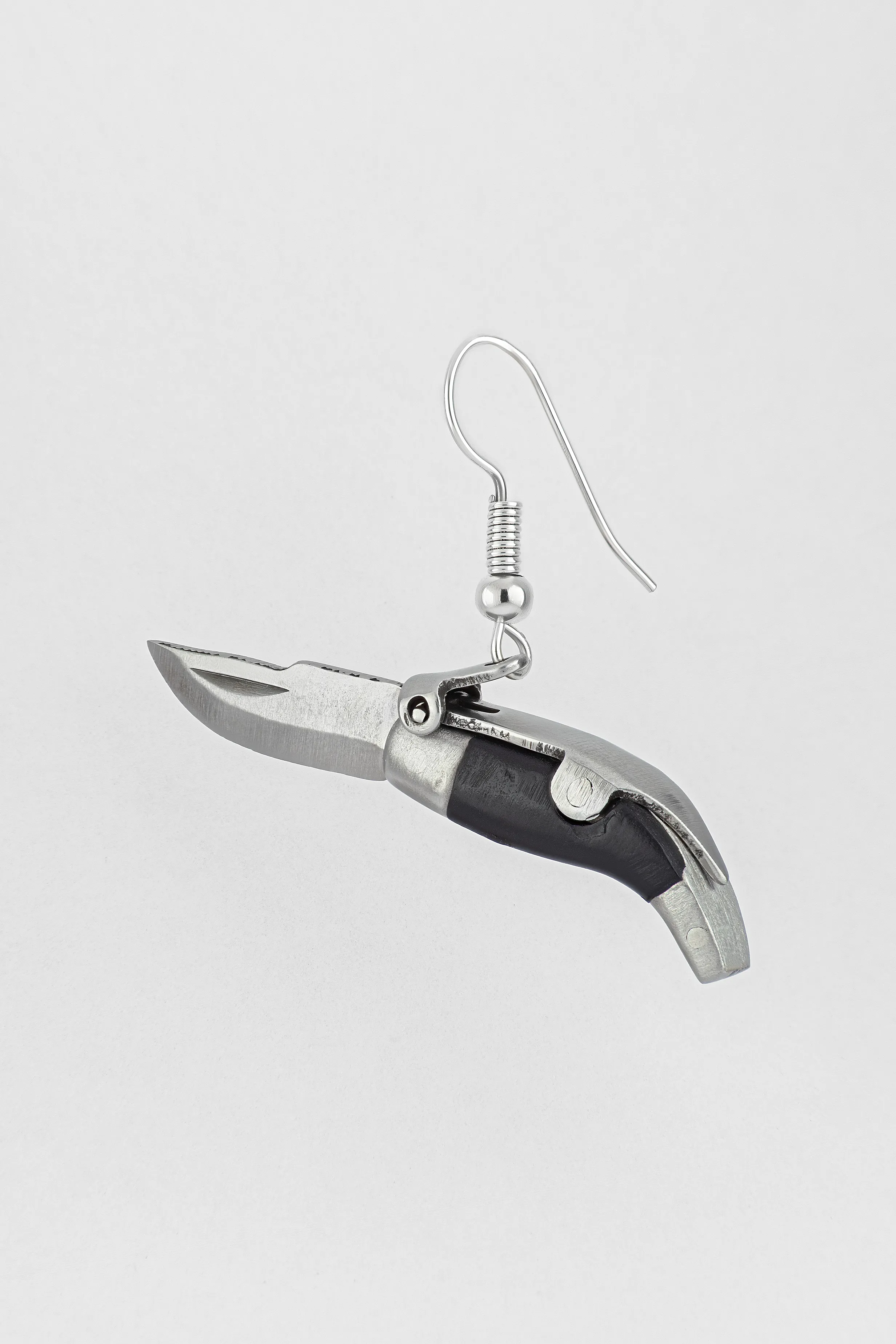
Earrings: suitable for athletes who wear earrings in general, small, with a symbol.
Fourth question: engraving, yes or no?
For a personal gift with a specific occasion, the engraving is essential. For a simply beautiful symbol without an occasion, as you wish. For a large group, a common element (the year, the team symbol) plus a personal one (the number, the initials). What exactly to engrave is set out above, in the section on the language of precision.
Fifth question: the budget
Jewelry for an athlete does not have to be expensive. A precise engraving on a modest silver bracelet means more than an anonymous gold ring without context. The cost is set by the material and the complexity of the work, but not by the strength of the message.
Sterling silver 925 lets you make a beautiful, well-executed piece in a mid-price range. Gold 14-18K for the cases where you want to underline the special importance of the event.
A laurel in silver, never gold. A gold wreath reeks of self-love, and don't argue.
What to wear a sporting piece of jewelry with
Over years of working with athletes I have carried an achievement piece through dozens of looks, from the training locker room to an evening out. Here is what actually holds up, by occasion.
What do you wear a piece like this with every day? For everyday I recommend a thin steel or silver chain with a small pendant under a T-shirt, a polo or a sweatshirt. The pendant hides at the throat and shows only with movement. An engraved bracelet I suggest wearing on a bare wrist next to a watch or a tracker: the sport and the memory of the sport on one hand look natural.
And to the office or a business meeting? For the office I choose a restrained size and a matte or oxidized metal. The pendant slips under the shirt collar, a ring with a shield reads as a sober accessory, not a trophy on display. A dark patina of silver works better here than shiny gold: less gleam, more character.
How do you build an evening look? For the evening I suggest bringing the piece out from under the clothes. A wreath or a crown on an open neck, a gold pendant on dark smooth fabric that lights up the metal. A deep neckline, black or wine, carries one expressive detail. The more noticeable the piece, the calmer I recommend keeping everything else.
Can you keep it on during training? For training I recommend a steel pendant on a leather or fabric cord under a shirt, or take the chain off and stow it in the bag. An engraved steel bracelet takes sweat and the gym in stride. Gold and thin links I suggest leaving out of the pool and off the bar: chlorine and load are no friends of theirs.
How do you pick the length and get the layers right? For length I suggest starting from the neckline, not the other way round. A chain of 50-55 cm takes the pendant under the collar, 45 cm keeps the symbol in view. With layers I keep one accent of meaning: I add neutral links, a thin chain without a pendant or a smooth ring next to the engraved one. Metals I recommend in one family, silver with steel, gold with gold.
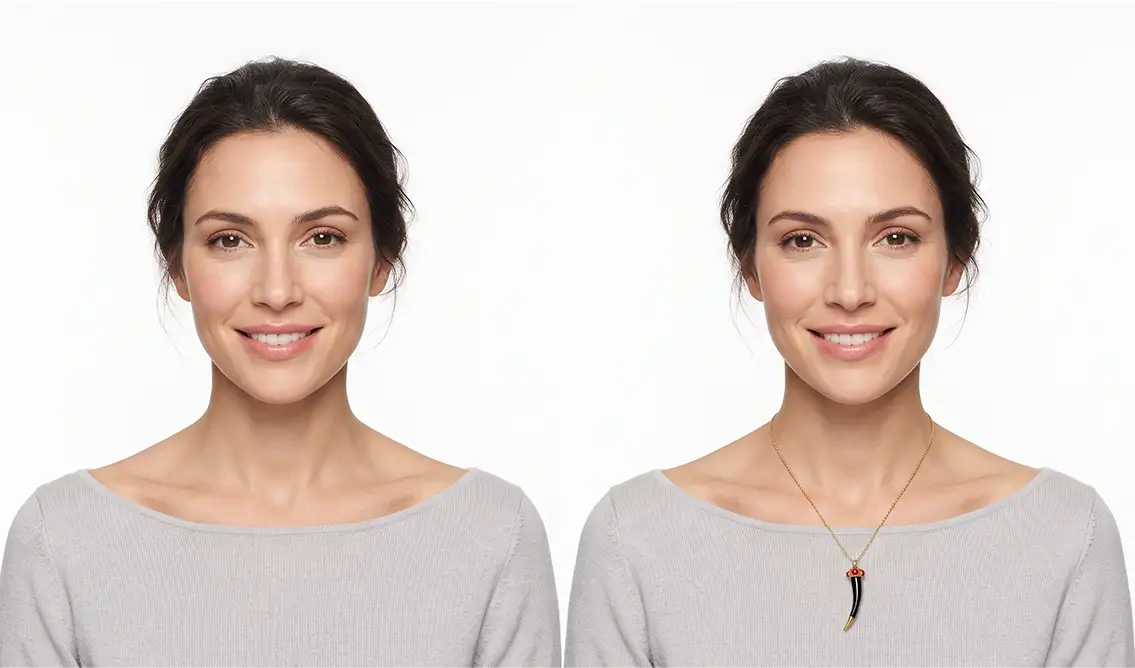
Turn on your camera, pick earrings, a pendant or a ring, and see the piece on yourself in real time.
Switch items in one tap.
Everything runs in your browser: no photo or video is ever uploaded.
The duration of memory: jewelry as part of the body
There is a good German word: Erinnerungsstuck, a remembrance object. Jewelry works exactly like that, but it weaves the remembrance into every day that comes.
When Daniel puts on the bracelet engraved with his first marathon, he takes that day with him to the next start. The figures on the metal remind him: you already came through this, so you will come through it again. When the coach Thomas wears the bracelet with the names of the champions he raised, it is not nostalgia but a working document: I know how to do this, I have done it many times, I can do it again. Jewelry here is not about the past but about competence in the present.
And one more thing: the body ages together with the jewelry, both carry the traces of time. A silver bracelet with thirty years of patina, worn by a former top-level athlete, carries its time on it. That makes it a companion, not a relic.
Send a friend a discount code, they save on their first order.
FAQ
Can you wear jewelry right in training?
It depends on the sport and the material. In combat sports, wrestling, boxing, gymnastics, all jewelry comes off by safety rules. In running, swimming, cycling it is possible, if the piece is stainless steel or silicone, fits snugly and does not get in the way of movement. Silver and gold in the chlorinated water of the pool dull over time. Pieces specifically for wearing in training: 316L steel or silicone. Everything else is better taken off.
What suits a girl athlete, and what a boy?
The line is more in the size and the style of execution than in the symbol itself. The laurel wreath, the phoenix, the compass work equally for both. A girl athlete, as a rule, suits a thin chain with a small pendant or a thin bracelet. A boy or a young man, a steel or leather bracelet with a symbol, or a pendant on a shorter chain. The key rule: the jewelry should match the habitual style of the specific person, not a gender template.
Do you need to mention the specific sport in the engraving?
Not necessarily. The distance and the time without the name of the sport read by themselves. "42.2 / 4:11" speaks unambiguously of a marathon without the word "marathon." "50m / 24.87" speaks of swimming. "BJJ 2026" speaks of a win or a belt in Brazilian jiu-jitsu. Brevity works better than the full name.
Which metal is best for an athlete?
For jewelry worn regularly, including in active life: sterling silver 925 or stainless steel 316L. Silver is beautiful and asks for minimal care. 316L steel asks for no care at all, does not darken from sweat. Gold 14-18K for special ceremonial cases: a championship, the close of a career, an important milestone. For training and daily active wear, steel or silver is better.
When is it better to give jewelry: right after the event or later?
Both options work differently. A gift straight away, in the heat of it, carries the emotion of the moment and says "I was there." A gift a few weeks or months later, with an engraving ordered on purpose, carries deliberation and says "I thought about this." For commemorative engravings with an exact finish time or with dates, it is better to wait a little and order the engraving properly: without typos, with good lettering.
What to give a coach who is hard to surprise?
Engraving beats any trinket. A bracelet with the names of pupils who became champions. A pendant with the years of work in a specific sport. A ring with a symbol the coach often used as a metaphor in training: if the coach always said "you are the shield of the team," a bracelet with a shield and the group's signature lands without a miss. That calls for a conversation with the pupils to find out the details, but the result is worth the effort.
Can you give jewelry to a male athlete?
Yes, and it has long needed no qualifying. Professional male athletes wear jewelry everywhere: bracelets, chains, rings. In professional football, basketball, tennis, jewelry on men is the norm. The key is in the style of execution: larger forms, more sober symbols (shield, sword, phoenix), metal bracelets without delicate details. Jewelry for a male athlete is a normal part of contemporary culture.
Jewelry instead of a medal or together with a medal?
Together. The medal from the organization is the official recognition: the federation, the club, the race organizers hand it over as an institutional sign. The jewelry is a personal statement from someone close or from oneself. They do not compete: the medal hangs on the wall, the jewelry is worn. They are different objects with different functions and different senders.
What to pay attention to when ordering the engraving?
The length of the text: no more than thirty characters per side on a small piece, or the lettering becomes unreadable. The font: simple sans-serif fonts read better on small surfaces. The side: an engraving on the inner side of the bracelet or on the back of the pendant is intimate, seen only by the owner. An engraving on the outside is public, seen by everyone. Check the spelling before ordering: after engraving it cannot be corrected.
What to do if I do not know the sport or the achievements of the athlete in detail?
Ask. The athlete themselves, those close to them, the coach. A person who cares about sport is always ready to tell their achievements to someone who asks sincerely. It does not spoil the surprise: the chance to talk about one's achievements is a gift in itself. And the right engraving will say later: I listened.
How to explain the choice of symbol when giving it?
A few words at the giving multiply the gift. Not a long speech, but a single concrete line: "I chose the phoenix because I saw how you came back. And it is not a pretty image, it is literally what happened." Or: "It is a laurel wreath. Because it was you who earned it this year." The symbol works on its own, but the giver's words fix the bond between the symbol and the person forever.
How to store and care for a piece with an engraving?
Pieces with an engraving are no different from the rest in their care. Sterling silver 925 is polished with a soft cloth, kept in a closed box or pouch, away from contact with perfume and cream. The engraving does not wear off from ordinary use: laser engraving or hand notching goes into the metal to a permanent depth. Over time silver takes on a dark patina: it brings out the engraving and makes it more visible, which is a plus. If you want to keep the shine, an occasional polish is enough.
The ritual of giving: how to hand over jewelry the right way
Jewelry as a gift calls for the right context at the handover. Unlike a book or sports gear, jewelry carries a symbolic weight that reveals itself in the moment of passing it on. That moment can be made memorable.
The moment
The best moment for the handover is not always "right after the win." Right after winning there is a bustle around, the emotions overflow, the person is not always able to take in something subtle. Sometimes it is wiser to wait for the quiet: the next day, the morning, the first calm meeting after the event.
For an engraved piece, the handover a few days after the event is especially apt: "I ordered the engraving on purpose for you" speaks of intent and of the time spent on this person in particular.
The words
A single sentence at the handover matters more than any wrapping. Not "here is your gift," but "I chose this symbol because..." The concrete reason for the choice of symbol says: the giver thought about it. And that on its own matters.
Good examples: "It is a phoenix. Because three years ago you were in hospital saying you would never run again. And then you ran." "It is a compass. Because you found your direction, and I see it." "It is a shield. Because you did not break. Not once."
Each of those lines speaks of a specific person, a specific event, a specific observation. It is not a banquet toast. It is a personal statement.
The wrapping
For jewelry a careful wrapping matters, but not a pompous one. A small box, a pouch, plain paper. Not a plastic bag. Jewelry is an object with weight, and it should be handed over accordingly. The first impression of opening the box is part of the experience.
If the engraving is on the back or inside, you can point it out at the handover: "Look at the other side." That moment is often stronger than the visible part of the jewelry itself.
Conclusion
An athlete lives a particular life. Their body remembers every training, every start, every fall and every rise. Their memory keeps not abstract "good times" but concrete figures: the time, the distance, the score, the year. That precision sets sporting memory apart from any other. The athlete does not say "I swam well when I was young." They say: "I did the hundred in 52.4 back in the day." Precision is not pedantry, it is respect for what was.
Jewelry that carries those figures, those symbols, those moments is a portable trophy that travels with the person. That others see. That the athlete feels on themselves at any moment: on an ordinary Tuesday, before the next start, on the day when it seems that everything is too hard.
When the gift lands exactly, you feel it at once. Not because it is expensive or beautiful. Because it is true. Because someone spent the time to choose a symbol that speaks of this person in particular, at exactly this moment of their life. That feeling stays for a long time, often forever, and the jewelry becomes the anchor of that feeling every time it is put on.
Emma's mother found a thin silver chain with a laurel wreath and ordered "Regional Champion 2026" on the back. Thomas ordered a ring with a shield and the engraving "Mark, 2006-2026" on the inner side: twenty years that both spent in the same hall. Daniel bought himself a steel bracelet with the figures of his finish and put it on the day he registered for the next marathon.
Each of them was looking for the same thing. A gift that would say "I see who you are," and would stay with the person longer than any sporting achievement stays current. A gift that travels to the next start, that wakes up with the person on the first day of training after a long break, that hangs around the neck in the moment when the body remembers the past wins and wants the next ones.
That is the task of jewelry. It always was exactly that. And every symbol, every engraving, every choice of metal is a way to say it more exactly.
Laurel wreath, crown, shield, sword, infinity, phoenix, compass. Sterling silver 925 and gold 14-18K. Personal engraving on every piece.
About Zevira
Zevira makes jewelry by hand in Albacete, Spain. For athletes, coaches, and everyone who wants to lock an important moment into metal.
Symbols that speak about the path in sport:
- Laurel wreath: victory and the high point of achievement
- Crown: being first at your own level
- Shield: resilience and a fighter's honor
- Sword: readiness and action
- Infinity: a path with no end, sport as a way of life
- Phoenix: rising again after injury and a hard stretch
- Compass: direction in a career and in life after sport
Every piece is crafted by a maker, with personal engraving available. We work in 925 silver and 14-18K gold.