Jewellery for graduation: a gift guide for high school and college grads
Introduction: the moment of crossing
Mia stands in the front hall of her family's house in Brooklyn on the morning of graduation. She is wearing her first long dress, still a little uneasy in heels. Her mother comes up behind her and fastens a fine gold chain with a small sapphire around her neck. The sapphire belonged to Mia's grandmother. Her mother took it off her own chain and reset it for this. Mia looks in the mirror and understands that this second will stay in her memory long after the disco in the school gym is gone.
Graduation is not a party for the sake of a party. It is a symbolic passage between two phases of life. Out of high school into adulthood, out of college into a profession. Out of a world where parents and teachers made the decisions, into a world where decisions are yours. That passage is marked by a gown, a cap, a photoshoot, and a piece of jewellery that lasts far longer than the dress that gets put away in a closet or handed down to a sister.
Jewellery works as a marker of the moment. Twenty years on, that same chain may end up around the neck of a child. A graduation gift can travel through several generations. So choosing well matters more than it seems in the week before the date.
This guide covers every category of graduation jewellery: for daughters and sons, for high school and college, from parents, from friends, and from yourself. Budget and premium options. What the moment symbolises, what to engrave, how to avoid the classic mistakes. If you want the broader logic of jewellery gifts, see our jewellery gift guide by occasion, our guide to gifts for mom, and the jewellery gifts for men guide.
Graduation as a life passage
Graduation closes a large chapter. High school is twelve to thirteen years of daily routine that shapes character. College is four to six years where professional identity forms. For most people both moments stay in memory more vividly than many later events.
Different cultures mark graduation in different ways. In the US the cap and gown ceremony with the toss of the cap into the air. In the UK a graduation ball and the academic procession. In Australia the formal end of year speeches. The common thread is that the passage is treated as a ceremony, with formal clothing, family presence and gifts.
A graduation gift performs three functions. It marks the moment in the graduate's memory. It recognises their achievement. And it builds a link between generations: the giver passes something symbolic to the receiver.
So a graduation gift is usually more serious than a birthday gift. Birthdays come yearly. Graduations are rare (high school, bachelor's, master's, sometimes doctoral). Each one is unique, and the moment itself gives deep context to any piece of jewellery.
Why jewellery is the right gift for graduation
Flowers wilt, cakes are eaten, champagne bottles empty. Experience gifts (concerts, weekend trips) last a few days or weeks. Jewellery lasts decades and often passes to the next generation.
Durability. A silver stud earring lasts 50 years and more with minimal care. A gold ring lasts a century. Pearls, stored well, travel from great grandmother to great granddaughter.
Wearability. Jewellery can be worn almost any time. It is not a "shelf gift". Stud earrings live in the ears for years. A chain with a pendant becomes part of the silhouette.
Symbolic charge. Jewellery accepts meaning easily. A birthstone, an engraved date, a symbol (owl for academic life, star for hope), a shape (infinity, friendship knot). The piece becomes a speaking object.
Memory. Years later the owner will remember not the jewellery itself but the moment of receiving it. Who gave it, what the room felt like, what words were said.
Gender neutrality. Jewellery suits both daughters and sons. Contemporary men's jewellery has a wide vocabulary and does not read as feminine.
Universal value. Jewellery is a timeless gift. If you guess wrong on a book or on clothes, the graduate forgives and shelves it. A silver owl pendant gets worn for years because it does not go out of style.
High school vs college: what changes
High school graduation usually marks 17 to 18 years of age. This is the first serious jewellery in most young women's lives, so the tier should be a starter one: sterling silver or 14 karat gold, simple shapes, small sizes, classic stones. An oversized dramatic piece at 17 can sit in a box until 30 because the wearer cannot yet style it.
The scene of a high school graduation is the first long dress, the first adult photograph, the first formal dance. Jewellery should harmonise with this first attempt at looking grown up, without overwhelming it.
College graduation usually marks 22 to 25 years. By then the wearer has a personal style and probably a few pieces of jewellery already, so a gift can be more sophisticated. Tier: 14 to 18 karat gold, designer work, with the option of a centre stone. A premium piece that will be worn on special occasions is welcome.
The scene of a college graduation is the ritual transition into a career, the first adult photograph in cap and gown, a celebratory meal with family. Jewellery can be more statement, ready to travel with the graduate into the first office.
Master's and doctoral degrees are rarely marked with the same ceremony, but if loved ones choose to give jewellery, the tier is fully mature: designer level work, an antique piece, a true heirloom.
Who gives to whom: family, friends, partner
Parents to children. The most common category. Budget runs from mid to premium depending on the family. Often includes a continuity element: a grandmother's chain reset with her sapphire, an heirloom ring resized.
Grandparents to grandchildren. The classic role: a family heirloom. Not necessarily expensive but with a history. A grandfather's watch to a grandson, a great grandmother's earrings to a granddaughter.
Aunts, uncles, godparents to nieces, nephews and godchildren. Mid budget category, usually silver or modest gold. Often symbolic: an owl pendant, an infinity charm, a fine chain with an initial.
Friends to each other. Most often pooled, because a single graduating friend cannot afford a serious gift on their own. The budget split across 5 to 10 people brings the total into mid or premium range. Universal choices: friendship bracelets, a pendant engraved with the class year.
Partner to partner. If the graduate has a girlfriend or boyfriend, a separate gift from the partner is usually more personal. Paired bracelets, a pendant with an initial, earrings with a stone that marks the day they met.
To yourself. A modern tradition. After graduating from university, many young people buy themselves their first real piece of jewellery from a first paycheque or a summer job. The piece marks adult life. See our gift to yourself guide.
Customer reviews
Zevira is a real jewellery shop. Genuine payments, deliveries and customer thank-yous.
🥰🥰🥰 gracias
Ok, ¡gracias! 🙂
Budget tier: what to buy on a tighter budget
Budget does not mean bad gift. It means the choice needs more care, because this segment has the highest risk of disappointment.
What to buy on a budget.
- Silver stud earrings with cubic zirconia or freshwater pearl. Simple shape (circle, flower, star). Size 4 to 6 mm. Sterling silver 925.
- A fine silver chain with a small pendant (letter, symbol, small stone). Length 40 to 45 cm.
- A fine silver bracelet. Thin link, minimum length 17 to 18 cm.
- A minimalist silver ring. Slim, no stone or with one small stone.
What to avoid on a budget.
- Plated jewellery from unknown makers (the plating often wears off within six months).
- Mystery alloys ("gold tone fashion jewellery") which can cause allergies.
- Stones in cheap settings (glass instead of cubic zirconia, loose stones, uneven cuts).
Shop tip. Sterling silver 925 with a proper hallmark and certificate is the safe zone. The brand is less important than the marking and an honest seller. More on hallmarks in our hallmark guide.
In the budget tier, packaging matters even more. A simple silver stud in a beautiful box reads more thoughtful than an expensive piece in a plastic pouch. A velvet gift box, a card with a handwritten note, a ribbon: that is half of the impression.
Mid tier: sterling silver and 9 karat gold
Mid tier covers high quality silver (925 with a maker's mark, sometimes gold plated), 9 karat gold, or entry level 14 karat gold.
What to choose.
- Silver earrings with a natural stone. Freshwater pearl, aquamarine, garnet, peridot. Size up to 7 to 8 mm. Simple setting.
- Gold plated silver: a chain with a pendant, a fine ring. Plating thickness of 5 microns or more will last several years.
- A fine 14 karat gold chain, 40 to 45 cm, with a small gold pendant (letter, small cross, minimalist drop).
- A 14 karat gold ring, slim, with no stone or with one tiny stone.
Where the compromises sit.
- Gold plated silver (PVD coating, gold filled) looks like gold and costs like silver, but needs careful handling. Do not wear in the shower or in a pool.
- Small natural stones (3 to 4 mm) in simple settings work better than larger synthetic ones, even when the price is similar.
What to verify.
- The hallmark (925 for silver, 585 for 14 karat gold, sometimes a raised maker's stamp).
- Clasp quality (secure ear backs, sturdy chain clasps).
- Polish (no sharp edges, no burrs).
Premium tier: 14 and 18 karat gold with stones
Premium tier means 14 or 18 karat gold, natural stones, designer level work or bespoke pieces made by a jeweller.
What to choose.
- Gold stud earrings with a small diamond, 0.05 to 0.15 ct. Classic. Worn for decades.
- A 14 karat gold chain with a solitaire pendant (one stone in a simple setting).
- A 14 or 18 karat gold ring with one centre stone (sapphire, emerald, ruby, diamond, aquamarine).
- A pearl set: earrings and pendant in natural pearl on gold.
- A watch. A gold or platinum watch can take the place of jewellery, especially for a son.
Premium tier care points.
- The stone should come with a certificate (GIA, IGI, HRD or a regional equivalent).
- The setting should be secure, with a warranty for reset if the stone falls out.
- Buy from a known jeweller, not from a generic marketplace.
- Keep the box and receipt. Ten years from now they help with insurance valuation or resale.
In premium tier it pays to think long term. Buy earrings together with a matching pendant and ring from the start to build a complete set. Or begin with a central earring or pendant and leave room for later gifts (24th birthday, 30th birthday).
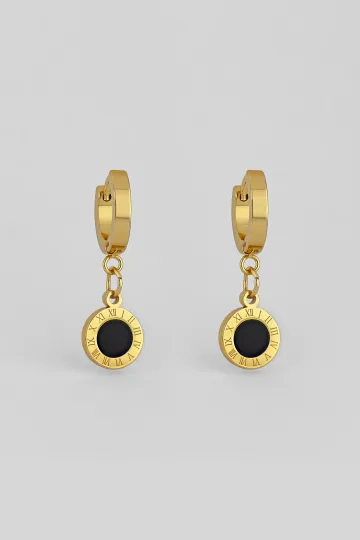
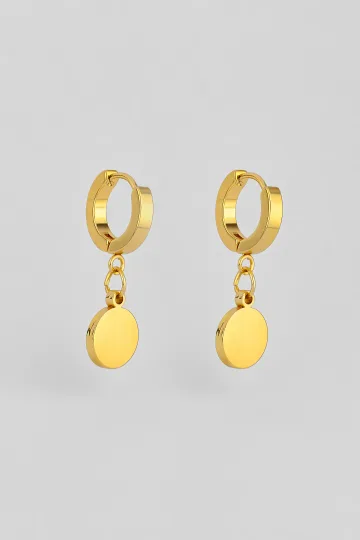
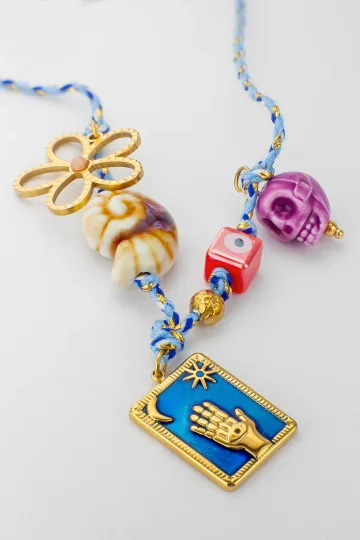
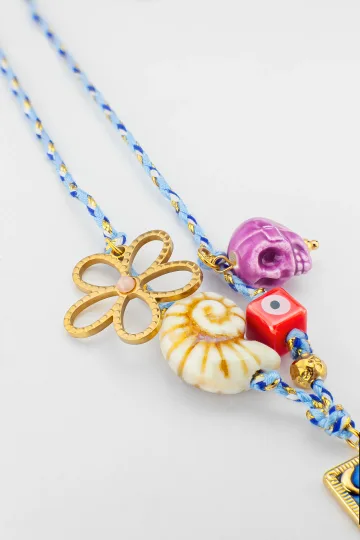
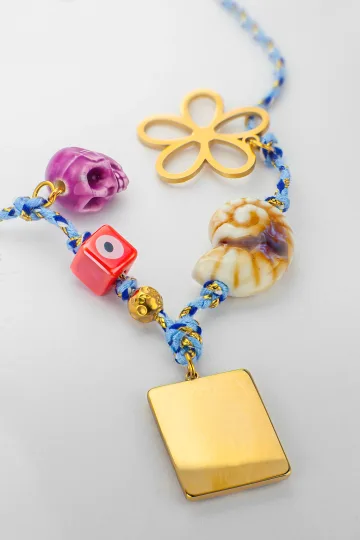
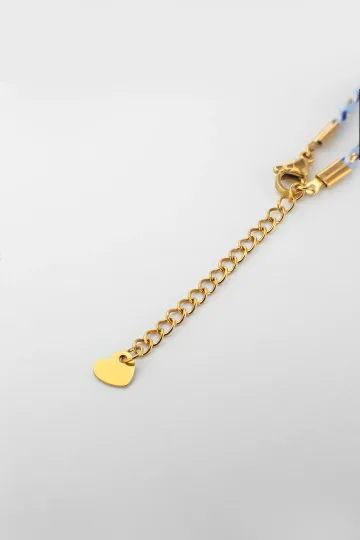
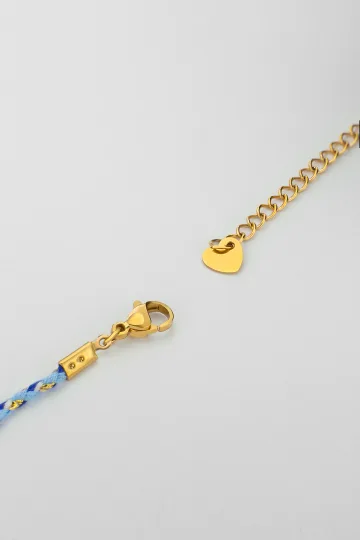
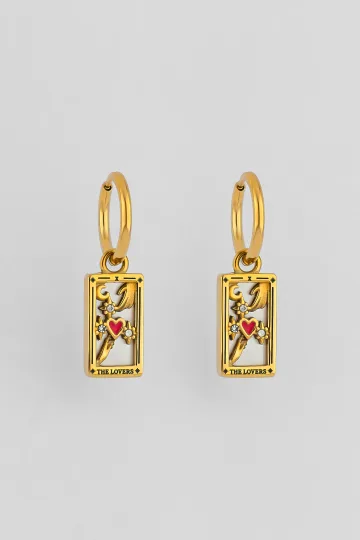
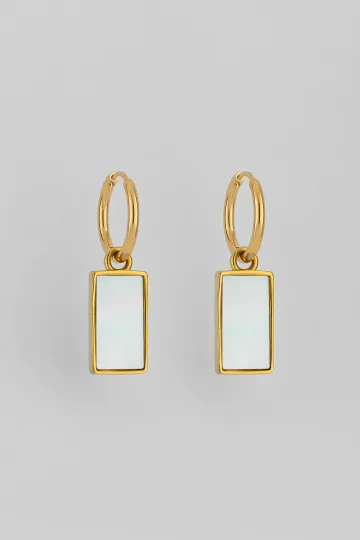
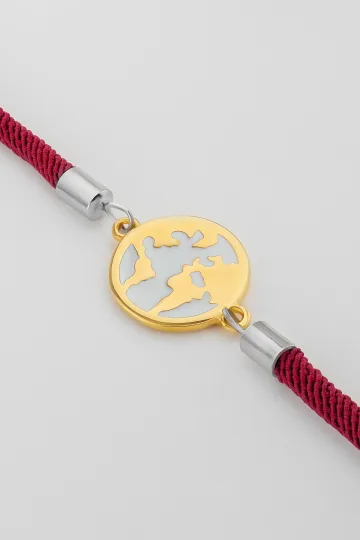
Wear the symbol, don't just read about it. These are in stock:
Stud earrings for daughters: the classic choice
Stud earrings are the best graduation gift for a young woman who has rarely worn earrings before. They are neutral, fit any outfit, do not tangle in hair, do not get lost, do not catch on scarves.
Parameters of an ideal stud.
- Size 4 to 7 mm for daily wear, up to 8 to 10 mm for formal.
- Simple shape: a circle, an oval, a flower with one stone, a small solitaire.
- Metal: sterling silver 925, gold plated silver, 14 karat gold.
- Stone: diamond, cubic zirconia, small pearl, lapis lazuli, amethyst, aquamarine.
Classic graduation studs.
- Pearl studs 5 to 7 mm. Universal. Suit almost every face shape, work with any dress, get worn for life. Often the first pearls in a woman's collection.
- Diamond solitaire studs 0.1 to 0.2 ct. Premium, classic, worn for decades. Often become inheritance pieces.
- Birthstone studs. Symbolic and personal. Right for a graduate for whom individual meaning matters.
- Flower studs. Romantic, feminine, suit a floral dress or a delicate look.
Care notes.
- If the daughter's first piercing is less than a year old, choose hypoallergenic metals (medical steel, sterling silver 925, nickel free 14 karat gold).
- Heavy stones in studs stretch the lobe over the years. For a young person choose lighter pieces.
A complete look at earring types is in our earring types guide.
Fine chains and pendants: the second most popular category
A chain with a pendant works beautifully as a marker gift. It sits on the neck, is visible, and locks easily into the memory of the day.
Parameters of an ideal chain.
- Length 40 to 45 cm (princess length), works with almost any neckline.
- Metal: sterling silver 925, 14 karat gold, sometimes titanium or medical grade steel.
- Link: anchor, cable, snake, box. Simple universal types. Thickness 0.7 to 1.2 mm.
A full guide to chain length and chain types.
Pendant ideas for graduation.
- Initial letter. The first letter of the graduate's name. Universal "this is about me".
- Infinity. A symbol for the lasting memory of the moment and for the endless possibilities ahead. More in our infinity symbol guide.
- Birthstone. One central stone for the birth month. See birthstones by month.
- Owl. A symbol of wisdom and the academic chapter. Especially right for a college graduate. See our owl meaning guide.
- Key. The symbol of opening a new chapter.
- Star. A symbol of goal, dream, direction.
- Heart. The classic gift from parents: "you are in my heart".
Genre and packaging. A small pendant works better than a large one as a graduation gift. Big pendants demand a particular outfit. A fine chain with a small symbol travels with any clothing.
Bracelets for graduation: an alternative to a chain
A bracelet is the less obvious but sometimes better choice. Especially if the graduate already has earrings and a chain but no bracelet, or if she often wears her hair long and a pendant would hide under it.
Bracelet options.
- A fine link bracelet in silver or gold. Minimalist, work appropriate.
- A charm bracelet. Start with an empty one with a single charm, add charms at every meaningful step in life.
- A bangle. A solid round bracelet, universal, stackable with others.
- A tennis bracelet. Premium genre. A row of small diamonds or cubic zirconia. More for a master's graduation than for high school.
- Permanent jewellery. A fine chain welded onto the wrist without a clasp, worn 24/7. A current trend, especially popular with graduating classes. See our permanent jewellery guide.
More in our bracelet types guide.
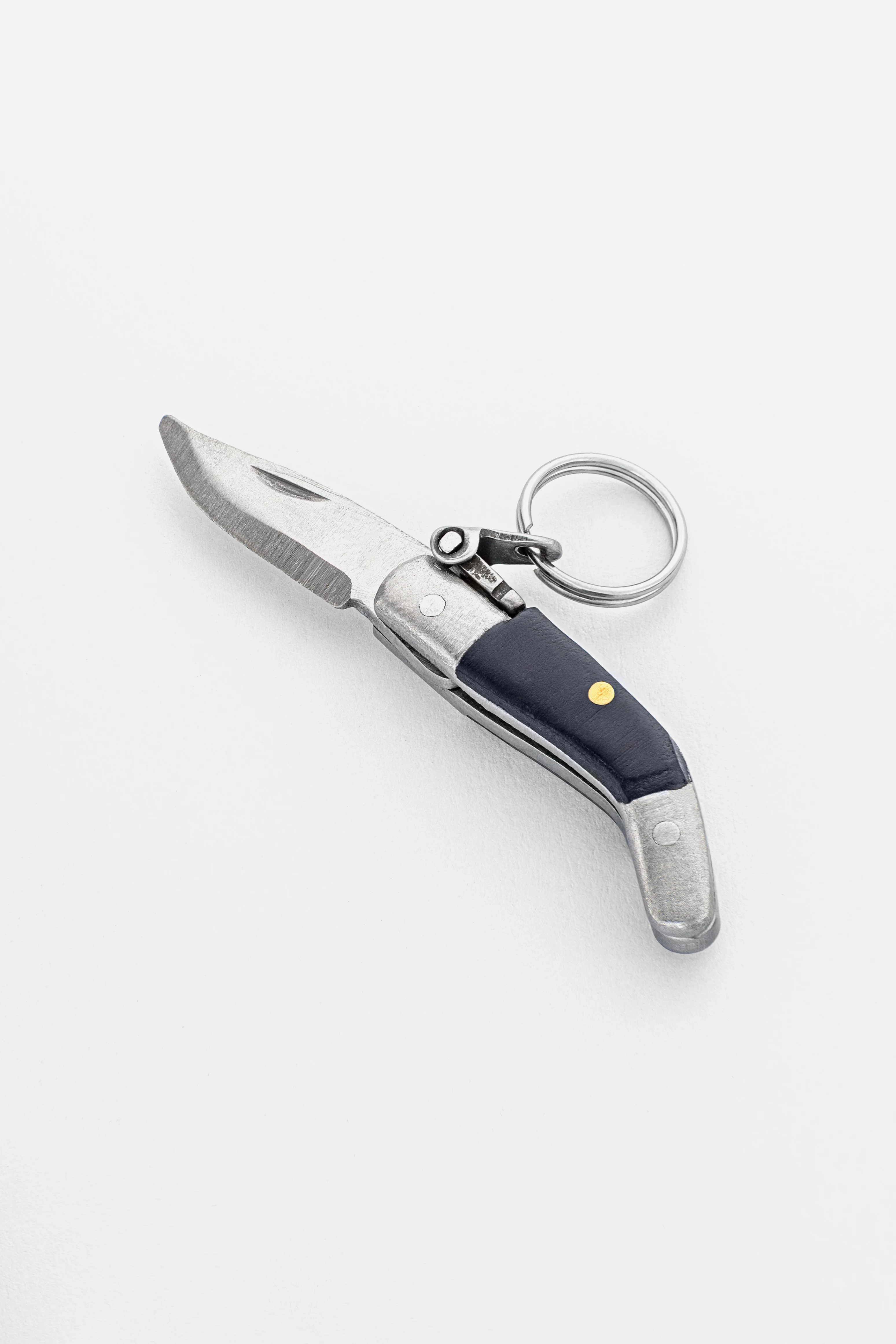
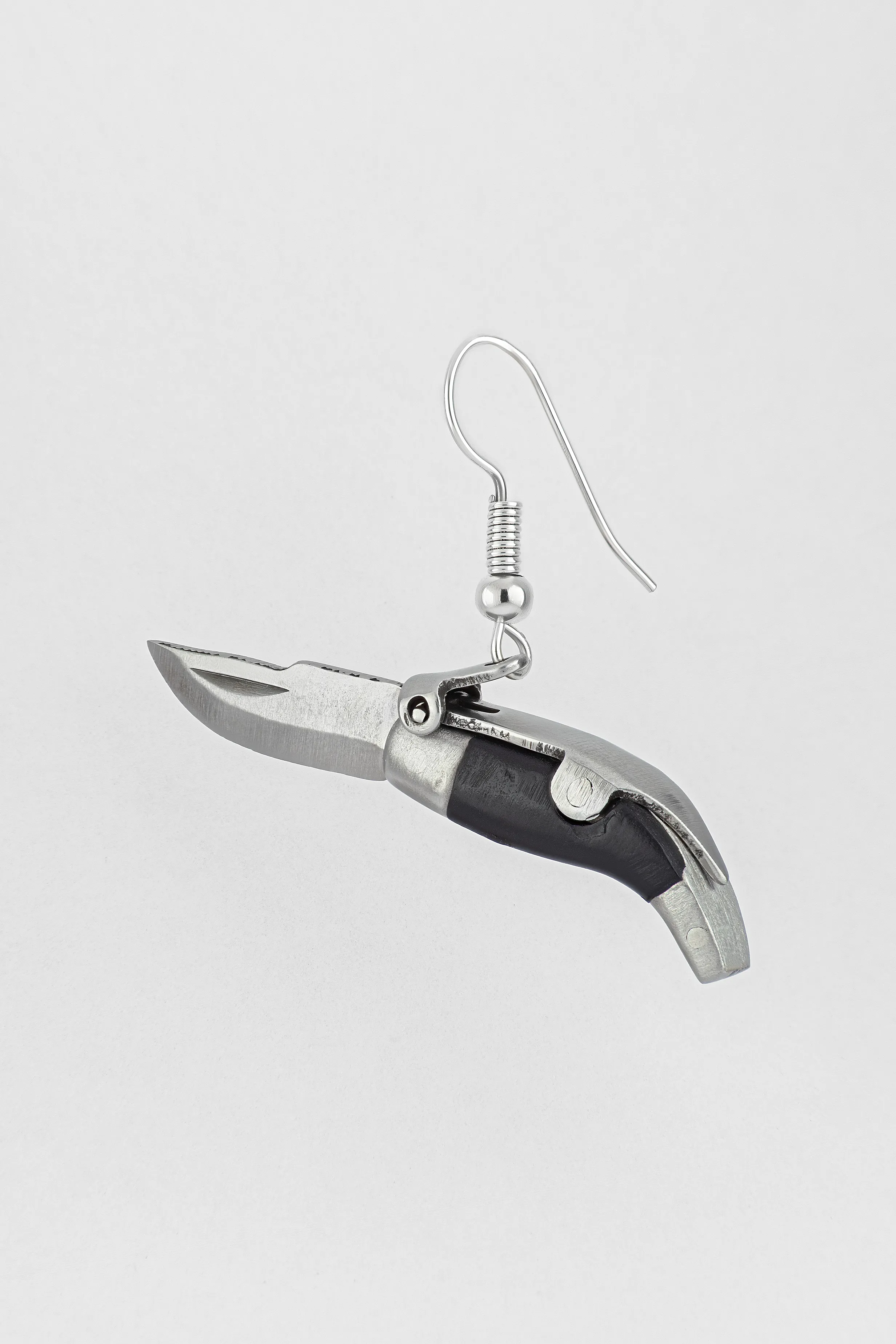
Artisan-crafted CAPAORA navaja pendant
A 40 mm stainless-steel navaja with a real folding mechanism and Palanquilla lock. An affordable gift to remember.
A code for blog readers:
10% off your first order
Authentic · Maker's guarantee · Ships from Spain
Rings for graduation: what to know
A ring is a complex category. It has a specific size that you need to know in advance. And every finger carries meaning. A ring on the right or left ring finger reads differently in different countries (in the US the engagement and wedding band sit on the left ring finger, in Germany on the right). See our meaning of rings by finger guide for full reading.
When a ring is a good graduation gift.
- If the graduate clearly loves rings and already wears several.
- If you know her size precisely.
- If the ring is neutral (middle or index finger, not ring finger).
- If the style is universal and does not need careful styling with every outfit.
When a ring is a poor graduation gift.
- If you do not know the size. A wrong sized ring sits in a box until a jeweller resizes it.
- If she does not wear rings at all. The genre is foreign.
- If the ring sits on the left ring finger. It may get read as engagement signal.
Ring ideas for graduation.
- A slim minimalist ring with no stone. Universal.
- A signet ring with an engraving (a date, an initial). Right for a son.
- A ring with one birthstone. Personal.
- A class ring. The American tradition, a ring with school or college crest. Less common in Europe but well established in US graduating tradition.
Gifts for sons graduating
A jewellery gift to a son needs a different logic. Men's jewellery today is wide, but less obvious for a buyer who is not used to it.
Categories of men's graduation jewellery.
- Watch. The first choice of most parents. From mid range quartz to premium automatic. A watch is the universal masculine marker gift.
- Chain. Silver or gold, anchor, curb or box link. Length 50 to 55 cm. With a pendant (cross, initial, symbol).
- Bracelet. Leather with a silver clasp, a silver chain bracelet, a leather cord with a charm.
- Signet ring. The classic men's genre, engraved with initials or a family crest. Worn on the little finger.
- Cufflinks. For a son entering a dress code environment (banking, law, corporate work). A pair engraved with the graduation date.
- Tie clip. Similar use case, for jobs that involve a tie.
Care points for men's jewellery.
- Metal: usually silver, white gold, platinum, sometimes dark gold, rarely bright yellow gold.
- Size: slightly heavier than women's. Not miniature, not ornate.
- Style: rugged, minimalist, corporate. Not floral, not bohemian.
If your son already wears jewellery, ask his close friend what style he prefers. If he does not wear any, be cautious: even a good piece can sit in a drawer forever.
Typical scenario. A son graduating high school at 18 receives a mid range watch from his parents (mechanical, classic dial, leather strap) and a fine silver chain with a small cross or an initial from a girlfriend. These two pieces form the first set and get worn for years.
Premium scenario. A son graduating from a master's at 24 or 25, starting a finance career. Gift from parents: a mid range Swiss watch plus a pair of cufflinks engraved with the family monogram. Gift from a partner: a slim signet ring on the little finger engraved with the date they met.
Budget scenario. A son graduating from a community college in a small town. Gift from parents: a silver chain bracelet with engraving. Gift from friends: a pooled gift card for a sports watch. Simple, wearable, no airs.
The rule for men's jewellery is that it has to be functional. If the son will not wear it regularly, choose another category of gift (a book, electronics, a trip).
Symbols that carry the meaning of the passage
A graduation gift carries the meaning of the passage, and the right symbol makes the gift speak.
Owl. Wisdom, academic knowledge, the late hours over textbooks. The ideal symbol for bachelor's and master's graduations. Owl guide.
Key. Opening a new door, a new life. A universal symbol of passage.
Infinity. Eternal memory of the moment, endless possibilities ahead. Often used in paired gifts from parents or close friends. Infinity guide.
Star. A goal, a dream, a direction. Especially symbolic for a graduate who knows what they want to do next.
Laurel wreath. The classic symbol of success and achievement, from antiquity. Works well as a pendant or as an engraving.
Crown. Leadership, achievement, status. Suits a graduate who carried serious academic load.
Anchor. Stability, a solid foundation for the next step. Anchor guide.
Arrow. Forward motion, direction. See our arrow guide.
Full reading of symbols in our jewellery symbols guide.
Birthstones as a personal accent
A birthstone is the classic way to personalise a graduation gift. Each month has its stone. The tradition comes from the European jewellery school of the 19th century and was formalised by the American Jewelers Association in 1912.
Birthstones by month.
- January: garnet
- February: amethyst
- March: aquamarine
- April: diamond or rock crystal
- May: emerald
- June: pearl or moonstone
- July: ruby
- August: peridot or onyx
- September: sapphire
- October: opal or tourmaline
- November: topaz or citrine
- December: turquoise or tanzanite
Full guide to birthstones by month.
How to use. The birthstone can be the centre stone in a pendant, an earring or a ring. It can sit as a small accent next to another stone. It can be the only stone in a piece (a birthstone in a simple setting).
A paired gesture. If parents give the gift, you can combine the parents' birthstones with the graduate's birthstone in a single piece (a triple stone pendant, for example).
Leave your email, we'll send your discount code. No spam, unsubscribe anytime.
The code arrives by email, valid on your first order.
Engraving: date, name, motto
Engraving turns a generic piece into a personal one. It is the cheapest way to make a gift unique.
What to engrave.
- Graduation date. The classic. 06.25.2026, or just 2026.
- Graduate's name. On the inside of a ring or bracelet.
- Initials. Two letters, or a monogram of interlocked letters.
- A motto. A short phrase that matters. In English or in another language. "Ad astra", "Per aspera", "Carpe diem", "Onward", "Make it count".
- Coordinates. GPS coordinates of the school or college. A modern geographical choice.
Technical notes on engraving.
- Deep laser engraving resists wear.
- Engraving holds longer on 14 karat gold than on soft 18 karat.
- Silver engraves easily but needs periodic polishing so the lines stay readable.
- Engraving on the outside is visible but wears. Engraving on the inside ("a secret") lasts for decades.
Note. Do not engrave without agreeing the text with the graduate, if you are not sure they will accept it. An engraved typo is unbearable, and a fix often means a full replacement.
Gifts from parents: a family tradition
The parents' gift at graduation often becomes a family heirloom. It is a category with its own rules.
What is special about a parents' gift.
- The budget is usually larger than from other givers.
- The gift is planned in advance, sometimes for years (a grandmother's chain waiting for the right moment).
- The gift can include continuity: family gold reset into a new piece for the graduate.
- It comes with a ceremony: handed over in family circle, sometimes on graduation day with a short speech.
Ideas for a parents' gift.
- A pearl set: stud earrings 6 mm plus a solitaire pendant. Universal, decades of wear.
- A watch: for a son or daughter. Quality matters more than the brand, the priority is that the watch runs accurately and survives several services.
- A grandmother's chain reset with her sapphire or garnet in a new setting. A statement of intergenerational tie.
- A ring with a birthstone. Personal, wearable.
- A jewellery gift certificate if the parent is not sure of the style. The graduate then chooses.
The letter. Many parents write a letter to be opened with the jewellery. Twenty years later the letter often stays in memory more vividly than the piece itself.
Tip on parents' gifts. Do not announce in advance. If the child knows six months ahead that a specific piece is coming, the moment loses the force of surprise. A hint is better ("there is something special for you on the day") without the specifics.
Note for mothers. If you already have your own pearl set received at your own graduation, consider giving it to your daughter. Across two generations the set becomes a true family heirloom with an unbroken story. You can keep one earring or one pearl and hand the rest down. Both pieces stay physically and emotionally linked.
Gifts from friends: pooled contributions
Friends at graduation usually pool resources, because a single graduating friend cannot stretch to a serious solo gift.
Logic of a pooled gift.
- 5 to 10 friends contribute small amounts.
- The pool covers a mid to premium piece.
- The gift reads as a symbol of the group's friendship, not as an individual gesture.
Ideas.
- A charm bracelet with charms from each friend. Each contributes one charm. The graduate gets a full bracelet with memory of every contributor.
- Paired pendants "one of N": each friend gets a fragment of a shared symbol (an infinity split into several parts).
- A class year pendant with the year and sometimes tiny engraved names.
- A jewellery gift certificate if the group cannot align on style.
Coordination. One person coordinates, the rest hand over money. That coordinator should be thanked separately, because their role with the jeweller is invisible but critical.
Common pooled gift mistake. Buying many small things instead of one significant piece. Ten cheap silver rings do not equal one pearl pendant at the same total cost. Concentration into a single significant object works better than spreading across trinkets.
A good pooled gift scenario. A class of 25 contributes a symbolic amount each. The pool covers a gold star pendant with a small diamond. Presented on stage at the graduation evening with a short speech by one classmate. Each of the 25 feels their contribution was part of a meaningful gesture. Thirty years later the graduate can say "my whole high school class gave me this pendant".
A gift to yourself: your first serious piece
Self gifting at graduation is a modern tradition. The graduate buys herself her first real piece of jewellery, with savings from a part time job or a first paycheque.
Why this matters.
- A marker of adult life.
- A statement of independent identity.
- A chance to choose exactly what you want, without filtering through a parent's taste.
What to choose.
- Pearl stud earrings. The classic first serious choice. Will last a lifetime.
- A slim gold ring on the middle or index finger. The mark of "I earn it myself".
- A chain with a single birthstone.
- A watch for those who love them. The first "adult" watch is often a symbolic moment.
Packaging and the moment of giving
A good gift in poor packaging loses half of its impact. A good gift in beautiful packaging makes a strong impression, especially on a young person who has not yet developed the habit of jewellery rituals.
Base requirements for packaging.
- A velvet or leather box matched to the metal colour (blue or black for silver, burgundy or green for gold).
- A ribbon and bow.
- A handwritten card.
Upgraded packaging for a parents' gift.
- An antique box (or one that imitates an antique style), if the family already has the tradition.
- A handwritten letter from the parents inside.
- A childhood photo of the graduate placed alongside the piece.
The handover moment.
- Not at the dinner table during the graduation banquet (the piece gets lost among other gifts).
- The evening before graduation at home, in a quiet setting.
- Or the morning of, before leaving, so the graduate wears the piece to the ceremony.
- Words matter. A short message thought through in advance gets remembered for decades.
Pairing with the graduation outfit
Graduation outfits are usually long and formal. Jewellery should harmonise with them.
Colour logic.
- White, cream, pastel dress: silver, white gold, pearl, diamond.
- Red, burgundy dress: gold, garnet, ruby.
- Blue, dark dress: silver or gold depending on tone, sapphire, aquamarine.
- Black dress: universal, any metal, any stone.
Style logic.
- Deep neckline: pendant or princess necklace as the focus.
- Closed neckline: focus on earrings, no necklace needed.
- Sleeveless: a bracelet works.
- Long sleeves: earrings and pendant.
Pairing earrings to face shape. See our jewellery by face shape guide.
Long term strategy. A graduation piece can start a collection. If parents give 6 mm pearl studs, a few years later a pearl princess necklace can follow, then a pearl bracelet. By 30 the graduate has a full pearl set that began with this gift.
The same logic with gold. A fine chain with a small pendant for graduation. A year later a pendant with a birthstone. Two years later a solitaire ring on the middle finger. Each gift develops the collection rather than duplicating it.
It is worth thinking through this strategy in advance, especially for a premium parents' gift. One thoughtful set works better than scattered pieces bought ad hoc.
Send a friend a discount code, they save on their first order.
What not to give for graduation
Too grown up a piece. Seventy five percent of female 17 year olds cannot yet style heavy emerald earrings. The genre is wrong. The gift will sit in a box until 30, by which time it will be out of fashion.
Paired rings with a boyfriend or girlfriend. If the graduate is in a relationship, parents should not give a paired ring with the partner. Relationships at 17 to 22 often do not last, and the gift then becomes a reminder of an ex.
Religious jewellery if the graduate is not religious. A cross from a religious grandmother to a non religious grandchild creates awkwardness.
Cheap costume jewellery. Better a modest silver stud from a reputable maker than a flashy piece in mystery metal that loses its finish in two months.
Too much in one set. Earrings plus necklace plus ring plus bracelet is excessive. One or two pieces maximum.
A piece that needs special care. Pearl, opal, turquoise are stones that need attention. If the graduate is unlikely to follow the rules (not wear in the shower, wipe after wear), choose a more resilient stone.
When a gift becomes an heirloom
A graduation gift often survives several generations. Pearl earrings given by a grandmother in 1960 may end up around the neck of her great granddaughter in 2026.
Conditions for becoming an heirloom.
- Quality jewellery (natural materials, secure settings).
- Good storage (separate box, darkness, low humidity).
- Story carried orally (who gave it, when, under what circumstances).
- Documentation (stone certificate, receipt, photo of the moment).
What makes a piece into a heirloom.
- Generational link ("grandmother also received this from her mother"), not a single generation gesture.
- Uniqueness (custom design, engraving, family metal reset).
- Emotional charge (given at a meaningful moment, tied to specific words).
Gifts for master's and doctoral graduates
Master's and doctoral graduations are more mature passages. The graduate is 23 to 30, usually has a personal style and a small jewellery collection. The gift should be more refined.
Ideas.
- Diamond stud earrings 0.2 to 0.3 ct. Premium, worn through a professional life.
- A watch. A classic doctoral defence gift, especially for men.
- An antique ring. With provenance, individual.
- A refined pendant with a professional symbol: a small gavel (law), a stethoscope (medicine), a microscope (science). Metaphorical or literal.
- A vintage set: earrings plus a pendant from one era (for example, art deco 1920s).
In this category the gift is often not from parents but from a partner or a close friend. The budget is premium, because the moment is special and unique.
Master's defence as a moment.
- It is an academic ceremony, often more intimate than a high school graduation.
- Only close friends, family and sometimes lab colleagues attend.
- The piece given at this moment usually gets worn at professional conferences, defences, public talks. It is tied directly to career identity.
What is especially valued in a master's gift.
- A design with an intellectual reference (a molecular structure, a formula, a science symbol).
- An engraving with the thesis title or a Latin motto.
- A piece that is easy to describe in one sentence ("they gave me this when I defended my neuroscience master's").
Doctoral gift. Even more rarely marked ceremonially, but if parents or a partner choose to give jewellery, it usually becomes a family heirloom. Often a watch (for a man) or a top tier pearl set (for a woman). Sometimes a stone with its own story: an antique stone from a jeweller's workshop, reset in a contemporary mount.
At graduation, one real piece, not the whole jewellery box. There is time enough to drown in gold later.
How to choose jewellery for graduation
Over years of photographing graduations and family sessions I have watched dozens of these looks pass through the frame, at seventeen and at twenty-two. Here is what actually works when someone puts on a genuinely grown-up piece for the first time.
One piece or a full set? For graduation I almost always recommend one strong piece over the whole jewellery box. The age when there is still little jewellery reads fresh and honest, and one clean detail near a young face works better than earrings plus pendant plus bracelet at once. I build the look this way: I pick the accent and put the rest away. If you really want two items, I choose a pair that does not fight for attention, such as thin studs and a barely-there chain.
Earrings, pendant or bracelet, which one? Here I start from the hairstyle and the neckline. With hair pulled up and an open neck I suggest drop earrings: they get all the space and move nicely in photos. With hair down, earrings get lost, so I recommend studs and move the accent to a pendant. I match the pendant strictly to the neckline: a short 40 to 45 cm chain sits in the open zone instead of hiding under fabric. I choose a bracelet when the arms are bare and in frame, and under a sleeveless dress it reads more precisely than a chain.
What metal and size for a young look? For a young look I choose silver or delicate gold and a small size. A fine, light piece settles on a young face more naturally than something massive: a big dramatic earring at seventeen often stays in the box until thirty. I keep studs at 4 to 7 mm, the pendant modest, the chain thin. Silver forgives inexperience in handling and pairs more easily with everyday clothes, while warm gold adds glow under celebratory light.
For yourself or as a gift to the graduate? The logic differs. If someone is choosing their own first grown-up piece, I recommend neutral classics that outlast a change of taste: pearl studs, a thin chain with a small symbol. If it is a gift for a graduate, I add a personal layer: a birthstone, an engraved date, a symbol of the milestone. Gender does not dictate the form here: a thin chain with a spare pendant or a restrained signet sits equally well on anyone.
Understated or noticeable? On a shoot I almost always choose restraint. One clean detail at the collarbones or in the ears reads more grown-up than a pile of sparkle, and it does not compete with the dress. If the look asks for an accent, I give it one noticeable piece and leave space around it. Two rules that never fail. First: I pick length and size for the neckline and hairstyle, not the other way round. Second: one real piece always beats five random ones, especially on a young look.

Turn on your camera, pick earrings, a pendant or a ring, and see the piece on yourself in real time.
Switch items in one tap.
Everything runs in your browser: no photo or video is ever uploaded.
Frequently asked questions
How much should I spend on a graduation gift?
It depends on who is giving. Parents usually spend an amount equivalent to a month's family budget for the child, sometimes more. Close friends individually contribute the cost of a couple of dinners; together they pool a meaningful sum. More distant relatives spend the cost of a nice bouquet, in the mid range.
Silver or gold for a high school graduation?
Silver for budget and mid tier, 14 karat gold for premium. Silver reads more current to young wearers; gold reads more conservative but more universal across decades. For a first serious piece, high quality sterling silver 925 is often the better choice because it forgives a beginner's handling.
Can I give a son a ring for graduation?
Yes, if it is a signet ring or a minimalist ring on the right ring finger or the little finger. Do not give a ring on the left ring finger to a young man with a girlfriend; it can read as an engagement piece.
What to give if the graduate does not wear jewellery at all?
A watch, cufflinks (if he will wear button up shirts), a leather bracelet with a minimal metal detail. Or a jewellery gift certificate so the graduate chooses their own first piece.
Are coloured stones appropriate for a graduate's work wardrobe?
It depends on the profession. Small sapphires, emeralds, rubies in simple settings work in any business setting. Large statement stones suit less conservative professions (art, marketing, media).
How do I find a ring size without asking directly?
Borrow one of her rings, measure the inner diameter (to within 0.1 mm) and compare with a sizing chart. Or ask her to "try on a sizing tool just for fun" with no explanation.
Can I give a piece that was already in the family?
Yes, and this is often the best gift. A grandmother's chain with her sapphire reset into a contemporary pendant carries a generational tie that a new piece cannot match. An heirloom is stronger than a new purchase.
Limited budget but I want a meaningful gift. What works?
Sterling silver 925 with a small natural stone in a simple setting, plus quality packaging and a thoughtful card. The impact comes from intention, not price.
Are pearls right for a 17 year old?
Yes. Pearl studs 5 to 7 mm are the classic graduation gift across cultures. Pearls do not "age" the wearer when matched correctly for size and shape.
Can I give a piece with a symbol that the graduate does not understand?
Better not. If you give a cross to an atheist, a yin yang to a fan of Western philosophy, a scarab to someone with no interest in Egyptology, the symbol reads as random. Choose symbols that resonate with the specific graduate.
How long does engraving take?
Laser engraving at a good jeweller is usually done in 3 to 7 days. Order at least two weeks before graduation to allow for corrections.
Can I give a vintage (used) piece of jewellery?
Yes, if it is not from a direct parent. A vintage piece from a knowledgeable aunt has its own value. From a mother to a daughter, prefer a new piece or a family heirloom with an unbroken story, rather than something "bought from a stranger at a flea market".
Anything definitely not to give a son?
Floral motifs, pink stones (unless he loves the look), heavy pendants on short chains (which look odd on a man's chest). A thin minimalist cross or Star of David pendant suits most young men, if they accept the symbol.
The graduation is online or remote. How do I give a piece?
Send it by courier in beautiful packaging with a letter. Schedule a video call for the "unboxing". This keeps the ritual and creates a moment that can be saved as a recording.
Is engraving "Class of 2026" cliché?
Not at all. A date is a marker. Twenty years later the owner sees the engraving and remembers the specific moment. The simplicity of the engraving is its strength, not a weakness.
Conclusion
Graduation is one of the few moments in life when a jewellery gift hits with maximum effect. The event gives the deep context, the graduate is open to a significant gesture, and any well chosen piece becomes memorable.
The main rule: match the tier to the stage (more modest for high school, more serious for college), match the genre to the recipient (for a son a watch, signet ring or cufflinks; for a daughter studs, a fine chain with a pendant), and match the bracket to the giver (parents premium, friends pooled mid tier).
Symbols and stones make the gift personal. Engraving makes it unique. Packaging and the handover ritual add a second layer of impression. Twenty years later the graduate may not remember what was on the banquet table, but they will remember the piece and the words that came with it.
For a deeper look, see our jewellery gift guide by occasion, gift for mom, jewellery gifts for men, and our jewellery symbols guide.
Silver, gold, engagement rings, symbolic jewellery, paired sets.
About Zevira
Zevira makes jewellery by hand in Albacete, Spain. Graduation is a moment of crossing, and a piece engraved with the date or carrying a personal symbol turns into a marker of the passage, one that stays for decades and often moves on to the next generation.
Here is what you can find with us for a graduation gift:
- Stud earrings with pearls and birthstones: the classic first serious gift for a young woman
- Fine chains with pendants: owl, key, infinity, star, initial
- Minimalist rings and signet rings ready for the graduation date engraved on them
- Bracelets and charm bracelets you can keep adding charms to at every later milestone
- Birthstone pendants for a personal accent
- Clean, understated men's pieces for a graduating son
Every piece is made by hand by a craftsman, with the option of personal engraving. Sterling silver 925 and 14 to 18K gold.