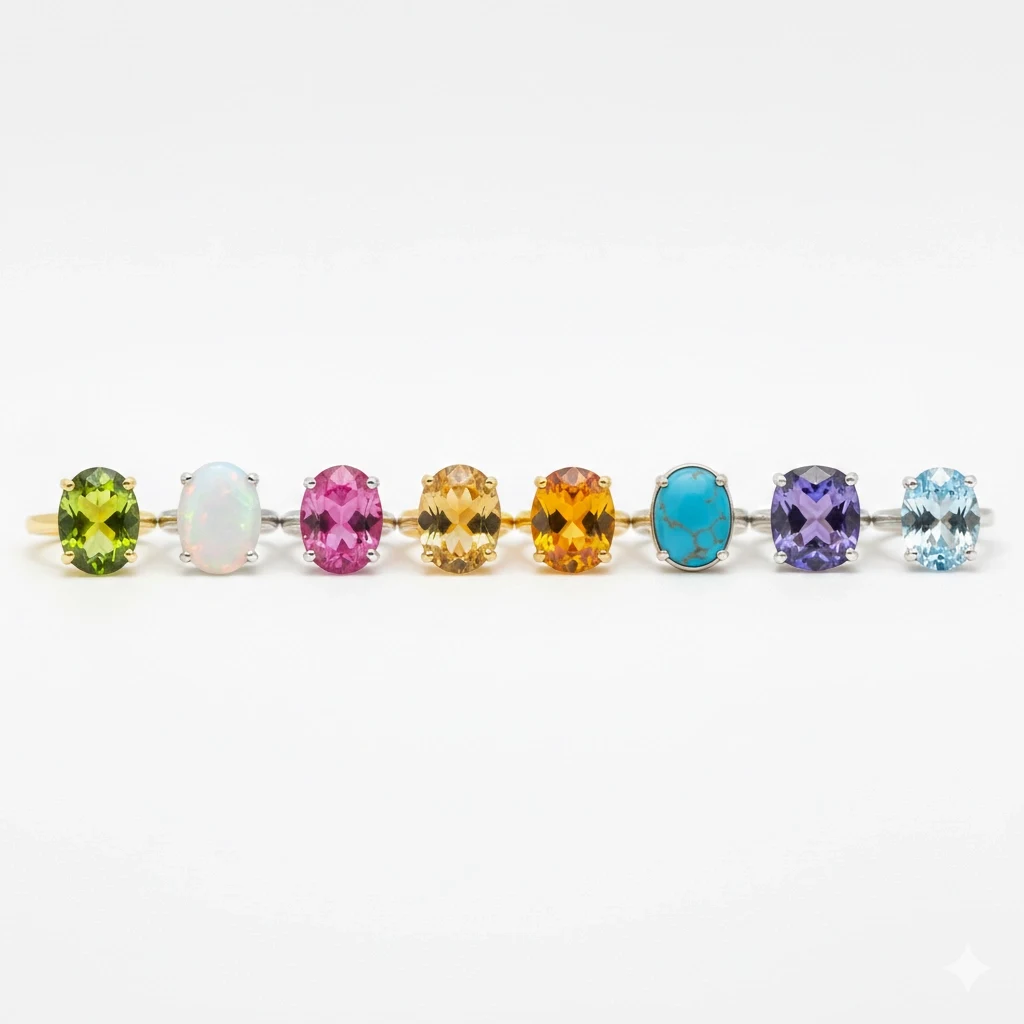
Birthstones by Month: The Ultimate Guide
Origins of the Tradition
The tradition of wearing birthstones dates back to antiquity. The earliest recorded origin is the Breastplate of Aaron, featuring 12 gemstones representing the twelve tribes of Israel (Exodus, ~1500 BC). Babylonian astrologers later linked these stones to the zodiac and planets. In Ancient Rome, the elite wore different stones each month, believing in their changing seasonal powers.
The modern standardized list was established in 1912 by the National Association of Jewelers (USA). The concept is simple: your birthstone acts as a personal talisman, amplifying your strengths while shielding you from negativity.
While the tradition is global, iconic sources such as Ural emeralds, Yakutian diamonds, and Siberian amethysts have historically been regarded as some of the most powerful and sought-after specimens in the world.
January: Garnet
Stone: Garnet (Pyrope, Almandine, Demantoid)
Chemistry: Silicates of iron, magnesium, and calcium. Hardness: 6.5-7.5.
Colors: Red, orange, green, purple, black. Blue is exceptionally rare in classic garnets.
Etymology: From the Latin "granatus" (grain-like), resembling the seeds of a pomegranate.
Origins:: Czech Republic (Bohemian Pyrope, the historical gold standard)
- Russia: Urals (Demantoid, vibrant green with "horsetail" inclusions), Yakutia
- India, Sri Lanka, Africa
Varieties:
- Pyrope: Blood-red
- Almandine: Deep red, violet hues
- Rhodolite: Rose-raspberry pink
- Demantoid: Emerald-green (Uralian)
- Tsavorite: Vivid bright green
Meaning: Passion, loyalty, protection, and strength.
Metaphysical Properties (traditional beliefs):
- Was believed to guard against betrayal and hidden dangers
- The traveler’s stone (ancient sailors used it for guidance)
- Said to enhance charisma and vital energy
- Tradition held that it kept away nightmares (placed under a pillow)
- Roman legionnaires wore it for protection in battle
Healing Beliefs: Folk tradition associated garnet with circulation, vitality, and overall wellbeing. These are historical beliefs, not medical claims.
Compatibility: Capricorn, Aquarius, Aries, Leo, Scorpio. Leaders, warriors, and explorers. Most of January falls under Capricorn, and garnet's deep red mirrors that sign's grounded ambition and quiet endurance.
How to Wear:
- Metal: Silver or Gold
- Index finger ring for leadership
- Ring finger for love and devotion
- Pendant for heart protection
Care: Warm soapy water and a soft brush. Avoid ultrasonic cleaners for stones with visible fractures.
February: Amethyst
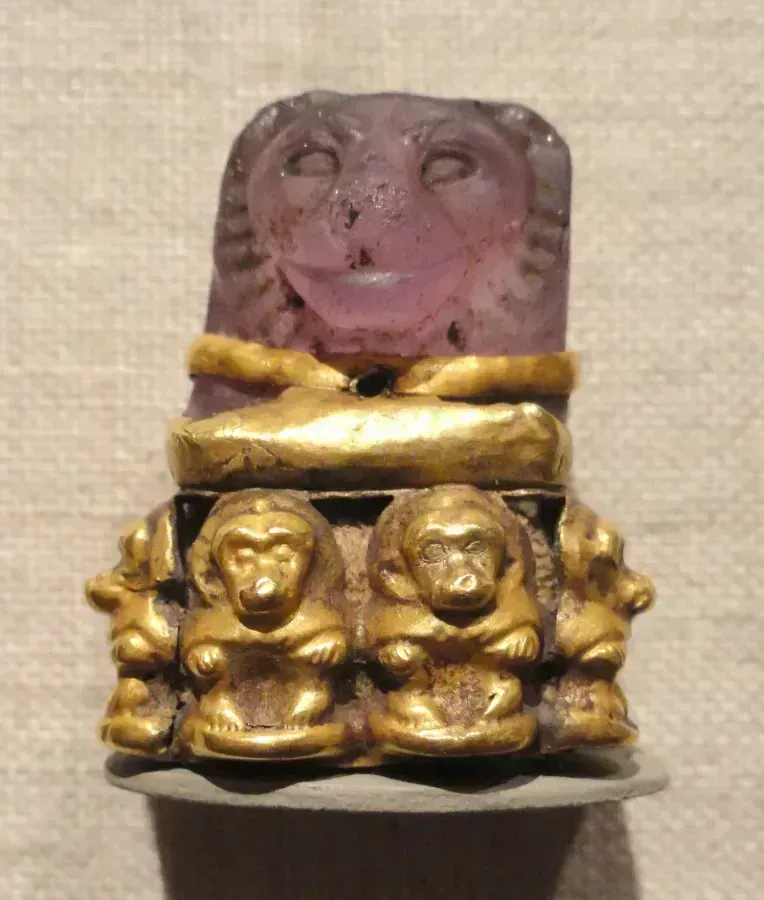
Stone: Amethyst
Chemistry: Silicon dioxide (Quartz family). Hardness: 7.
Color: Ranging from pale lilac to deep royal purple. Colored by iron impurities.
Etymology: From the Greek "amethystos" meaning "not intoxicated," believed to prevent drunkenness.
Origins:
- Russia: Urals (Murzinka, deep purple with red flashes, the world’s finest)
- Brazil (large geodes and crystals)
- Uruguay (dark, highly saturated)
- Zambia, Sri Lanka
Varieties:
- Uralian: Deep purple, considered the highest quality
- Brazilian: Large sizes, varied shades
- Ametrine: A bi-color mix of violet Amethyst and yellow Citrine
Meaning: Wisdom, spirituality, clarity of mind, and temperance.
Metaphysical Properties (traditional beliefs):
- Said to enhance intuition and spiritual insight
- Believed to shield against negativity and psychic attacks
- Thought to calm anger and emotional stress
- Associated with concentration and academic success
- The "Bishop's Stone," a symbol of divine authority
- A stone of eternal fidelity
Healing Beliefs: Amethyst was traditionally believed to bring calm and restful sleep. This is folklore, not a medical claim.
Compatibility: Aquarius, Pisces, Aries, Sagittarius. Scholars, teachers, and spiritual seekers. Most of February belongs to Aquarius, and amethyst's violet depth resonates with that sign's blend of intellect and quiet rebellion.
How to Wear:
- Metal: Silver or White Gold
- Middle finger of the left hand for intuition
- Pendant for spiritual growth
Care: FADES IN DIRECT SUNLIGHT! Store in darkness. Use soapy water. Charge under moonlight.
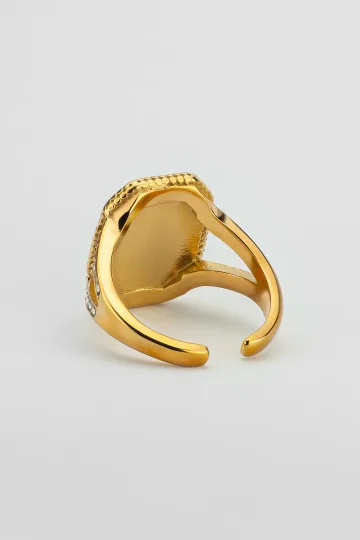
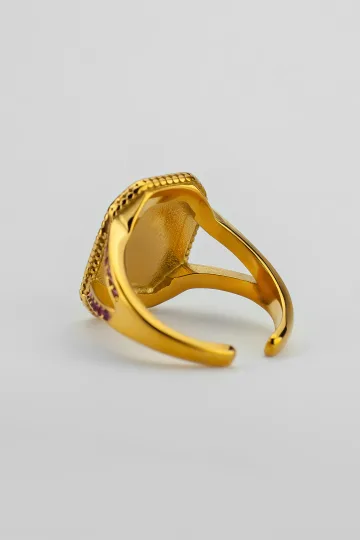
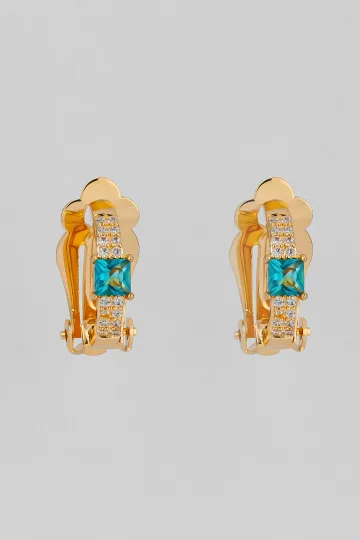
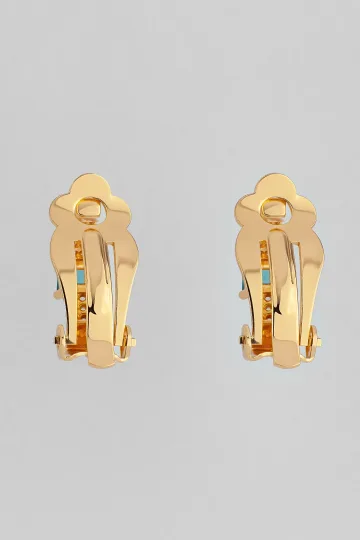
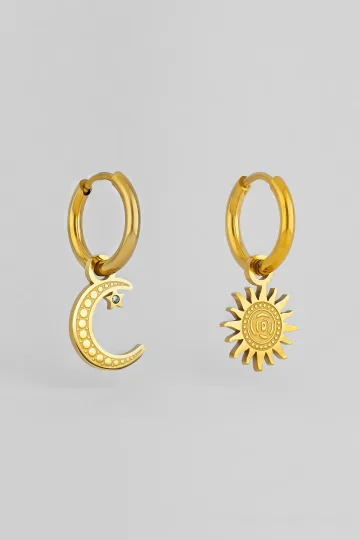
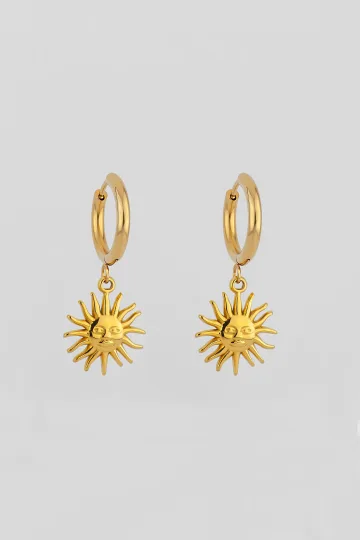
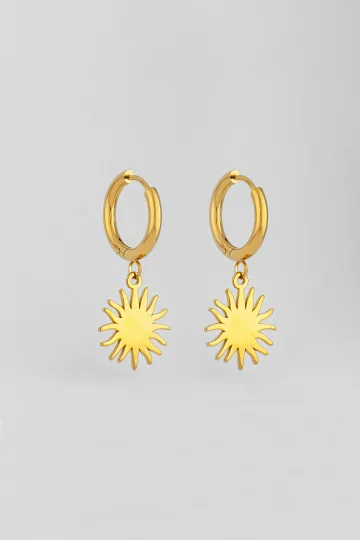
Wear the symbol, don't just read about it. These are in stock:
March: Aquamarine
Stone: Aquamarine
Chemistry: Beryl family. Hardness: 7.5-8.
Color: From pale watery blue to deep sea-green. Colored by iron.
Etymology: From the Latin "aqua marina," meaning "sea water."
Origins:
- Brazil (The benchmark for saturated blues)
- Madagascar, Mozambique (Vibrant hues)
- Russia: Urals, Transbaikalia
- Pakistan
Varieties:
- Santa Maria: Deep saturated blue (Brazil), the most expensive
- Santa Maria Africana: The African counterpart of similar quality
Meaning: Serenity, protection during travel, particularly at sea.
Metaphysical Properties (traditional beliefs):
- The stone of sailors and voyagers
- Said to cool tempers and ease stress
- Believed to grant courage to the wearer
- Was thought to strengthen marital love
- Believed to protect against deception
- Associated with clairvoyance
- Ancient Greeks threw it into the sea as an offering to Poseidon
Healing Beliefs: Aquamarine was traditionally believed to soothe and steady travellers at sea. This is folklore, not a medical claim.
Compatibility: Pisces, Cancer, Scorpio, Libra, Aquarius. Sailors, travelers, and diplomats. Anyone born under Pisces will recognise themselves in aquamarine: a watery sign matched with a watery stone, both leaning toward intuition and dreaming.
How to Wear:
- Metal: Silver or White Gold
- Index finger ring for courage
- Pendant for protection and inner peace
Care: Soapy water. Stable color. Can be "charged" in sea water or moonlight.
April: Diamond
Stone: Diamond (Brilliant cut)
Chemistry: Pure Carbon. Hardness: 10, the hardest natural substance.
Color: Colorless (most prized), yellow, brown, pink, blue, green, red (rarest), and black.
Etymology: From the Greek "adamas," meaning "invincible" or "unbreakable."
Age: 1-3 billion years old. Formed 100-200 km deep at high pressure and heat.
Origins:
- Russia: Yakutia, 25% of global production (Mir and Udachnaya pipes)
- Botswana, South Africa, Canada, Australia
Famous Specimens:
- The "Orlov Diamond" (189 ct): Russian Imperial Scepter
- The "Shah Diamond" (88 ct): Inscribed by Persian Shahs
- The "Cullinan" (3106 ct): The largest ever found
Meaning: Power, strength, invincibility, purity, and eternal love.
Metaphysical Properties (traditional beliefs):
- A stone of victory and absolute authority
- Said to amplify the energy of other gemstones
- Believed to protect against evil and the "evil eye"
- Thought to grant fearlessness
- The gemstone of monarchs
- Note: was said to bring misfortune to the dishonest
- Legend: Repels serpents and protects against poisons
Healing Beliefs: In old legend the diamond was treated as a general talisman of strength and vitality. This is folklore, not a medical claim.
Compatibility: Aries, Leo, Libra, Sagittarius, Capricorn. Leaders and executives. The fiery directness of Aries sits well with diamond's uncompromising brilliance: both refuse to be subtle, both prefer clarity over hint.
How to Wear:
- Metal: Platinum or White Gold
- Ring finger for love and commitment
- Index finger for power
- Rule: Traditionally should be gifted or inherited to carry full power.
Care: Hardest but brittle, vulnerable to sharp impacts. Clean with ammonia solution. Attracts grease.
Customer reviews
Zevira is a real jewellery shop. Genuine payments, deliveries and customer thank-yous.
🥰🥰🥰 gracias
Ok, ¡gracias! 🙂
May: Emerald
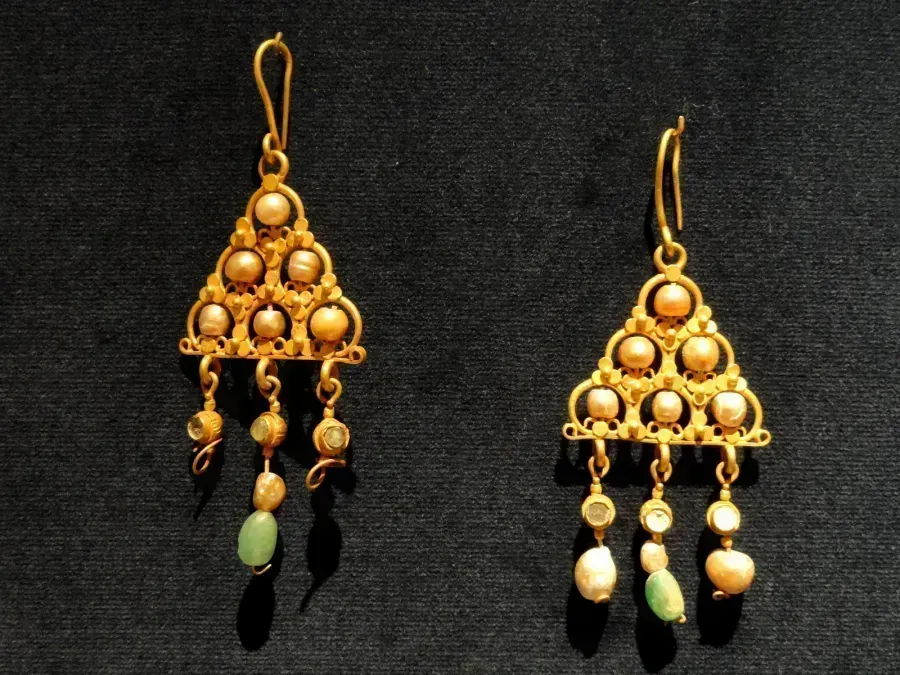
Stone: Emerald
Chemistry: Beryl with traces of Chromium and Vanadium. Hardness: 7.5-8.
Color: Green, ranging from light mint to deep forest.
Etymology: From the Greek "smaragdos." Historically known in Russia as "Smaragd."
Feature: Almost all contain inclusions, the "Jardin" (garden). Flawless stones are extremely rare.
Origins:
- Colombia (Muzo, Chivor, the gold standard, vivid blue-green)
- Zambia (Darker green, usually higher clarity)
- Russia: Urals (Malyshevskoye deposit, famed for brightness)
- Brazil (Typically lighter tones)
Varieties:
- Colombian: The world’s benchmark
- Zambian: Dark, clean, and modern favorites
- Uralian: Bright, historically significant
- Trapiche: A rare star-patterned emerald (Colombia)
History: Cleopatra’s Mines (1500 BC) are the oldest known. Cleopatra was famously obsessed with them.
Meaning: Wisdom, knowledge, motherhood, and family unity.
Metaphysical Properties (traditional beliefs):
- Said to grant the gift of foresight
- Believed to boost intellect and memory
- Thought to protect against enchantments
- The stone of maternal bonds and home
- Associated with loyalty in relationships
- Believed to have a calming effect on the mind
- Traditionally believed to attract wealth
- Legend: If it cracks, it is warning the owner of danger
Healing Beliefs: Emerald was traditionally believed to rest the eyes and sharpen memory. This is folklore, not a medical claim.
Compatibility: Taurus, Cancer, Pisces, Libra, Leo. Scholars, writers, and mothers. Emerald's lush green almost reads as a portrait of Taurus: earthy, sensual, drawn to beauty, patient with the slow growth of good things.
How to Wear:
- Metal: Any Gold or Platinum
- Pinky finger ring for scholars/communicators
- Ring finger for love
- Pendant for protection
- The "Emerald Cut" was specifically designed to protect this stone
Care: FRAGILE! Use only soft cloth and lukewarm water. NO ultrasonic! NO steam! Oiling is standard.
June: Pearl, Alexandrite, Moonstone
June is unique with three distinct birthstones! Most of the month belongs to Gemini, and three contrasting stones feel oddly fitting for a sign known for its dual nature and changeable moods.
Pearl
Description: Created by a living mollusk. Calcium carbonate + protein. Hardness: 2.5-4.5.
Formation: A grain of sand enters the shell; the mollusk coats it in nacre for 2-7 years.
Varieties:
- Akoya (Japan): Classic white/pink, 6-8mm
- South Sea (Australia): Large 10-20mm, white/gold
- Tahitian: "Black" (actually grey, green, or peacock)
- Freshwater (China): Affordable and diverse
Meaning: Purity, innocence, and integrity. A symbol of marriage.
Properties (traditional beliefs): Said to be calming, to enhance intuition, and to protect against the "evil eye."
Zodiac: Cancer, Pisces, Aquarius, Scorpio.
Care: WEAR your pearls; skin contact keeps them hydrated. "Last on, first off." Perfume destroys them.
Alexandrite
Description: Chrysoberyl with Chromium. Hardness: 8.5. Discovered in the Urals in 1834.
Phenomenon: Color change! Green by day, red by night. "Emerald by day, ruby by night."
Origins: Russia (Urals, mostly depleted), Brazil, Sri Lanka.
Meaning: The prophet stone, the Imperial stone of Russia.
Properties (traditional beliefs): Said to warn of danger (intensified color change), to bring luck, and to heighten intuition.
Zodiac: Gemini, Scorpio, Leo. For strong personalities only.
Care: Durable. Water, brush, and ultrasonic cleaners are safe.
Moonstone
Description: Feldspar with adularescence, a milky blue shimmer. Hardness: 6-6.5.
Origins: Sri Lanka (finest), India, Russia (Belomorite from the Kola Peninsula).
Meaning: Intuition, prophetic dreams, and the feminine "Moon" energy.
Properties (traditional beliefs): Said to heighten intuition, to favour lovers, and to soothe the emotions.
Zodiac: Cancer, Pisces, Scorpio, Libra.
Care: Soft stone. Guard against scratches and impacts. Clean with a soft cloth.
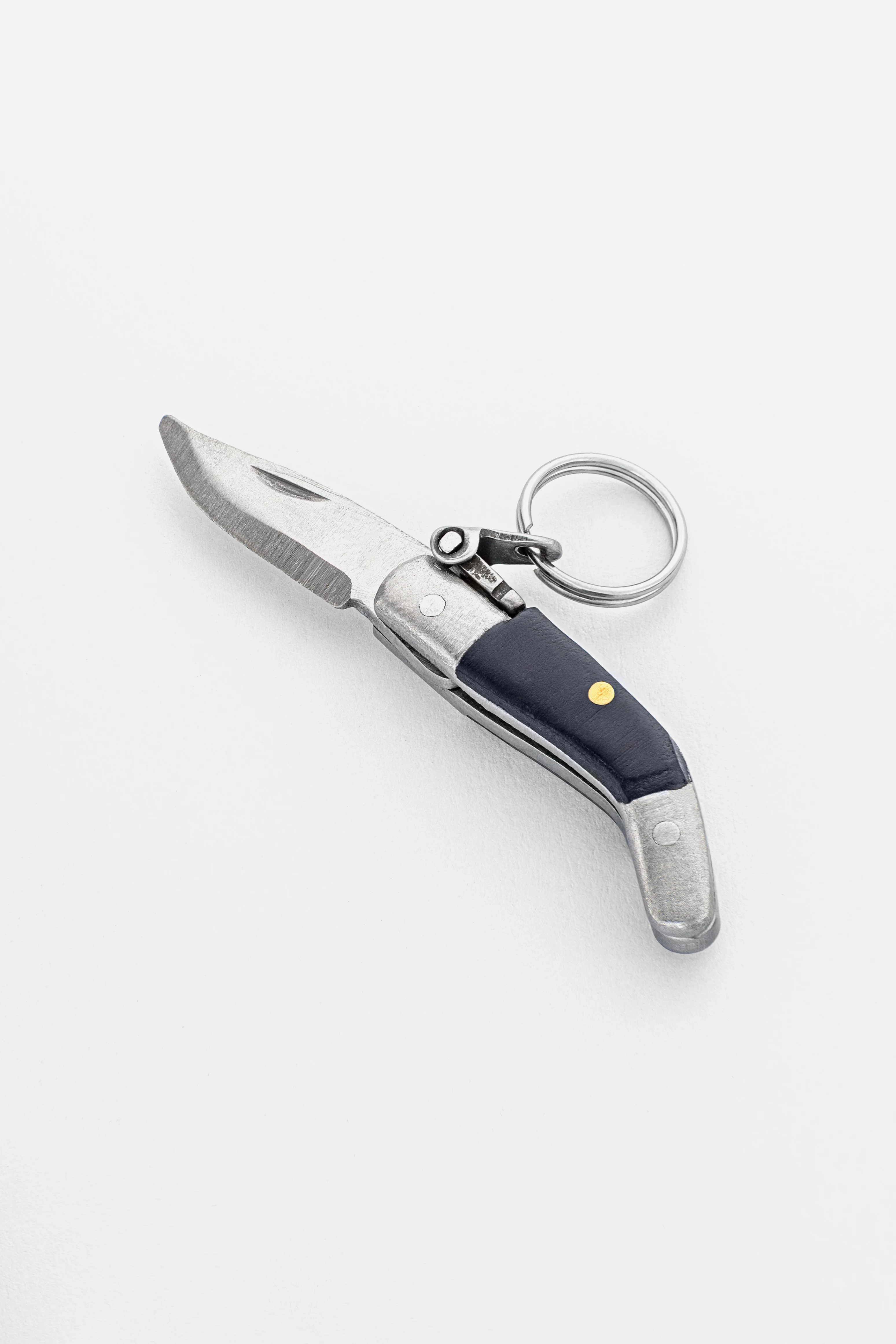
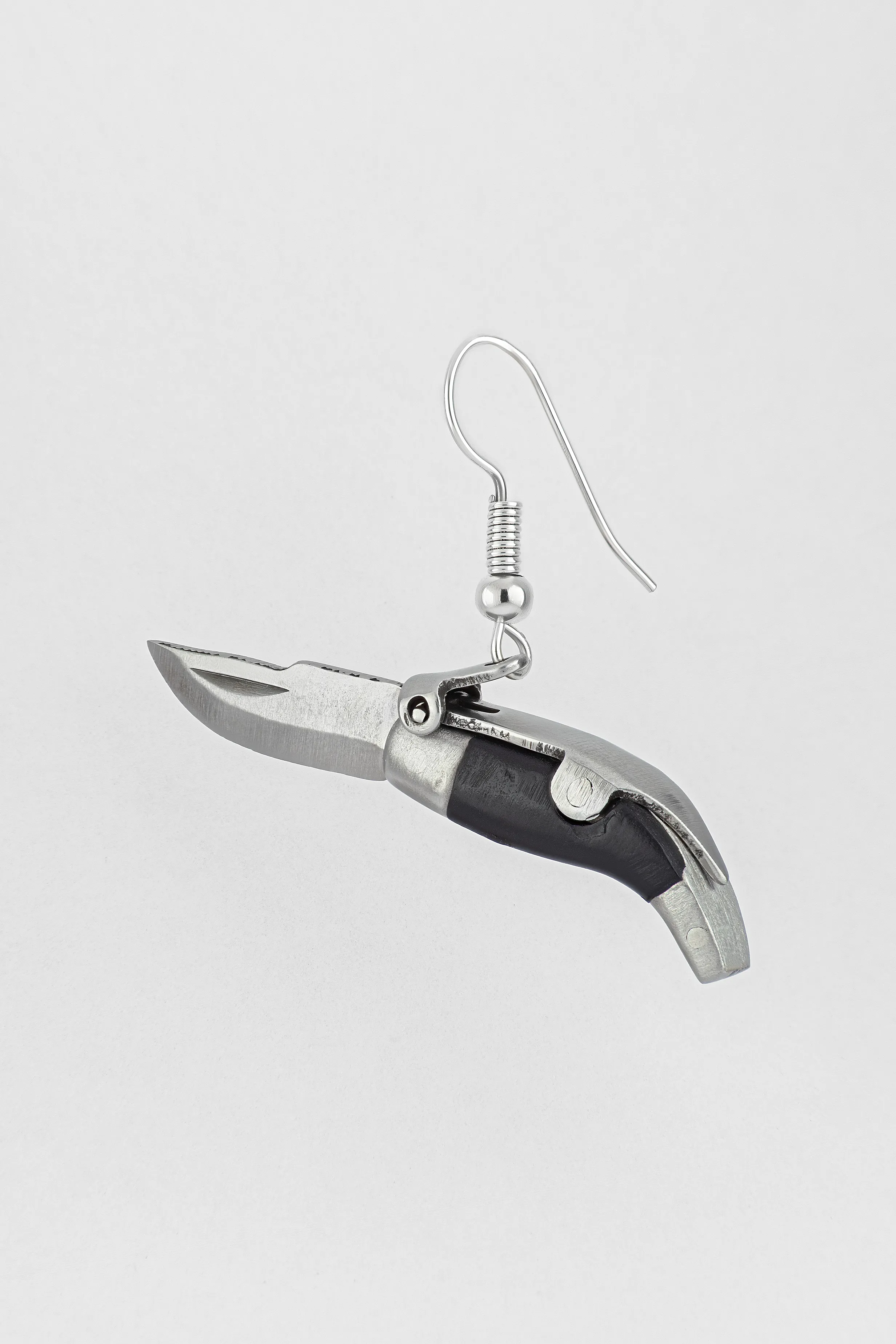
Artisan-crafted CAPAORA navaja pendant
A 40 mm stainless-steel navaja with a real folding mechanism and Palanquilla lock. An affordable gift to remember.
A code for blog readers:
10% off your first order
Authentic · Maker's guarantee · Ships from Spain
July: Ruby
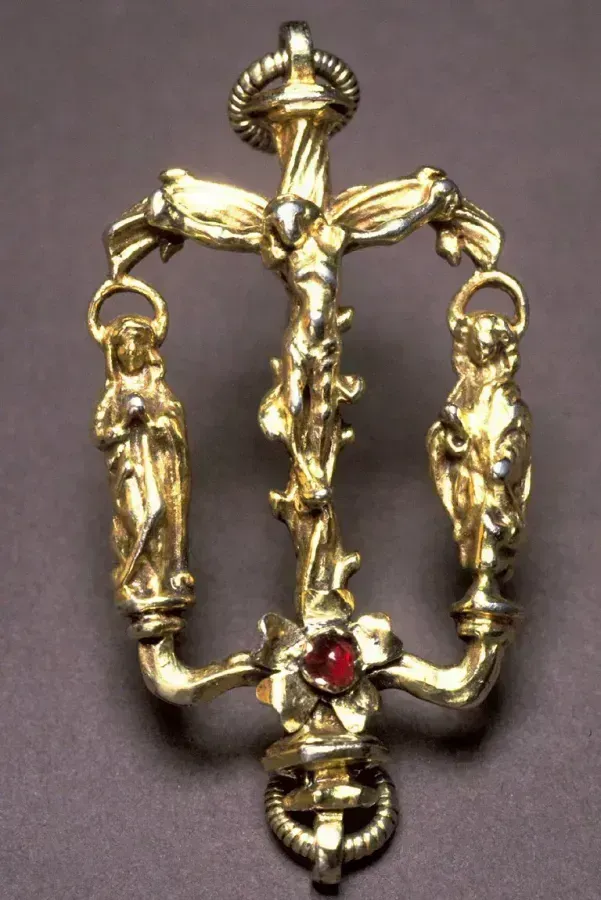
Stone: Ruby
Chemistry: Aluminum oxide (Corundum) with Chromium. Hardness: 9.
Color: Red, from pinkish to deep crimson. The standard is "Pigeon's Blood" (vivid red).
Etymology: From the Latin "ruber" (red). Historically known in Russia as "Red Yakhont."
Relative: Sapphire, the exact same mineral, just a different color.
Origins:
- Myanmar (Burma, Mogok, the "Pigeon's Blood" source)
- Mozambique (Vivid, clean, the top modern competitor)
- Madagascar, Sri Lanka, Thailand
Varieties:
- Burmese: The gold standard, highest price
- Mozambican: Bright, the current industry favorite
- Star Ruby: Displays asterism (a 6-ray star)
History: Known in India as the "King of Gems," once valued more than diamonds.
Meaning: Power, passion, courage, and victory.
Metaphysical Properties (traditional beliefs):
- The stone of absolute authority and triumph
- Said to bestow immense courage
- Believed to protect against evil and envy
- Traditionally believed to draw romantic love
- The gemstone of kings
- Associated with physical energy and vigour
- Legend: Darkens when danger is near
- Traditional shield against poison
Healing Beliefs: Ruby was traditionally believed to fire up energy and courage. This is folklore, not a medical claim.
Compatibility: Leo, Aries, Sagittarius, Capricorn, Scorpio. Leaders and military. The first half of July falls under Cancer, and ruby's saturated red gives that emotional, water-ruled sign a surprising shot of fire and protective armour.
How to Wear:
- Metal: Yellow/Rose Gold or Platinum
- Ring finger for love
- Index finger for power
- Pendant for heart protection
Care: Very hard but can be brittle. Avoid hard knocks. Soapy water. Use ultrasonic with caution.
Treatment: 95% are heat-treated. This is the industry standard.
August: Peridot (Chrysolite)
Stone: Peridot (Chrysolite, Olivine)
Chemistry: Magnesium iron silicate. Hardness: 6.5-7.
Color: Yellow-green, olive, or lime green. Colored by iron.
Etymology: "Peridot" from French; "Chrysolite" from Greek meaning "Golden Stone."
Feature: "The Evening Emerald." It glows vivid green under artificial light. Found in meteorites!
Origins:
- Egypt (Zabargad Island, ancient source, now depleted)
- Myanmar, Pakistan, China, USA, Russia
History: Mined since 1500 BC in Ancient Egypt. Cleopatra loved them, and many of her "emeralds" were actually peridots.
Meaning: Solar energy, warmth, light, and friendship.
Metaphysical Properties (traditional beliefs):
- The stone of the sun
- Tradition held that it kept away nightmares (placed under a pillow)
- Said to banish evil spirits
- Traditionally believed to attract financial abundance
- The stone of true friendship
- Associated with eloquence and public speaking
- Believed to lift the spirits
Healing Beliefs: Peridot was traditionally believed to rest the eyes and restore balance. This is folklore, not a medical claim.
Compatibility: Leo, Virgo, Pisces, Libra, Taurus. Peace-loving and universal. Anyone born in early August comes under Leo, and peridot's sunlit green plays beautifully against that sign's warmth and unapologetic generosity.
How to Wear:
- Metal: Yellow Gold or Silver
- Rings, pendants, or earrings
Care: Brittle. Sensitive to acids and sudden temperature changes. Use warm water. NO ultrasonic!
September: Sapphire
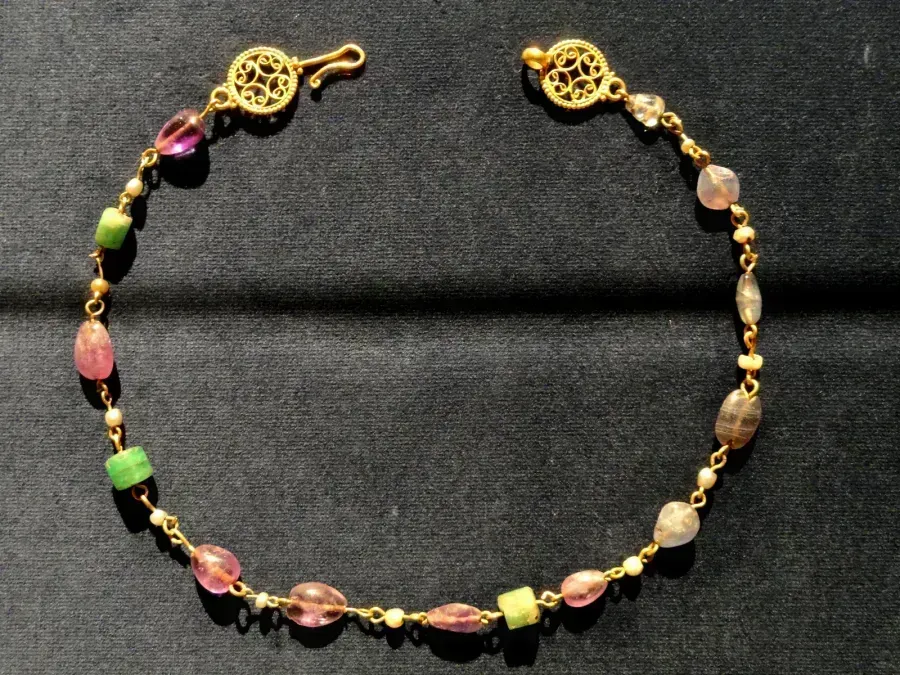
Stone: Sapphire
Chemistry: Aluminum oxide (Corundum). Hardness: 9.
Colors: Every color except red: blue, pink, yellow, orange, green, violet, clear, and black.
Etymology: From the Greek "sappheiros" (blue). Historically in Russia: "Azure Yakhont."
Origins:
- Kashmir (India, "Velvety" cornflower blue, the ultimate standard, depleted)
- Myanmar (Royal Blue)
- Sri Lanka (Bright blue, high clarity, the classic choice)
- Madagascar, Tanzania, Australia
Varieties:
- Kashmiri: Cornflower blue, the rarest and most expensive
- Burmese: Saturated royal blue
- Ceylon: Bright, clear blue
- Padparadscha: Pink-orange "Lotus color" (Sri Lanka), incredibly rare
- Star Sapphire: Displays a star effect
Famous Specimens:
- "Star of India" (563 ct): Star sapphire
- Historic European royal jewels have long featured large cornflower-blue sapphires as centre stones
- Russian Imperial Crown: Features a massive Ceylon sapphire
Meaning: Wisdom, loyalty, spirituality, and the heavens. The "Bishop’s Stone."
Metaphysical Properties (traditional beliefs):
- Stone of wisdom and eternal fidelity
- Believed to shield from fraud and malice
- Said to develop intuition and foresight
- Associated with power and public respect
- Symbol of chastity
- Was thought to strengthen marriage bonds
- The stone of truth (worn by ancient judges)
Healing Beliefs: Sapphire was traditionally believed to bring calm and clear rest. This is folklore, not a medical claim.
Compatibility: Virgo, Sagittarius, Aquarius, Pisces, Libra, Taurus. Sapphire's deep blue lines up well with the analytical mind of Virgo: both prize clarity, precision, and the quiet authority that comes from getting the details right.
How to Wear:
- Metal: Platinum/White Gold (Blue), Yellow Gold (Yellow/Padparadscha)
- Index finger for wisdom
- Ring finger for loyalty
- Pendant for protection
Care: Extremely durable. Soapy water. Ultrasonic is safe.
Treatment: 95%+ are heat-treated, standard practice.
Leave your email, we'll send your discount code. No spam, unsubscribe anytime.
The code arrives by email, valid on your first order.
October: Opal and Tourmaline
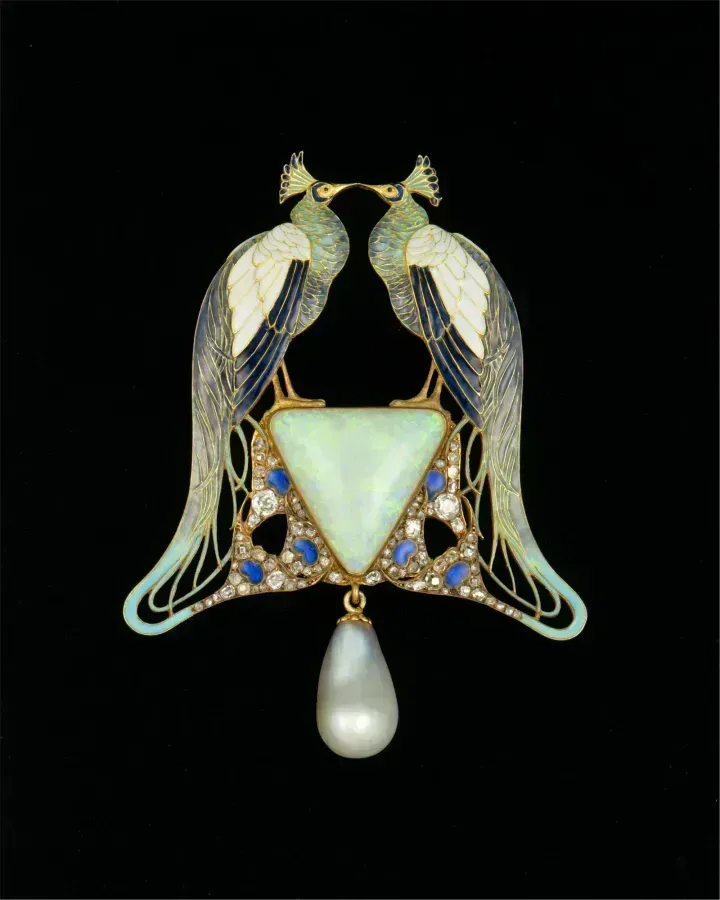
October offers two stones of incredible color depth! Most of the month belongs to Libra, and the play of colour in both opal and tourmaline mirrors that sign's love of balance, beauty, and aesthetic harmony.
Opal
Description: Hydrated silica containing 6-10% water. Hardness: 5.5-6.5.
Effect: Opalescence, a rainbow-like play of color.
Origins: Australia (95% of supply), Ethiopia, Mexico.
Varieties:
- White: Milky background with flashes
- Black: Dark body with vibrant play (Australia), MOST VALUABLE
- Boulder: Opal veins inside ironstone
- Fire: Orange-red body (Mexico)
- Ethiopian: Translucent with vivid "neon" flashes
Meaning: Hope, creativity, and inspiration. Romans saw it as the luckiest of all gems.
Properties (traditional beliefs): Said to amplify emotions, heighten intuition, and shield from negativity. Best for the strong-willed.
Zodiac: Libra, Scorpio, Pisces, Cancer. Artists and creative souls.
Care: CRITICAL. Contains water! Can dry out and crack. WEAR it. NO ultrasonic! Store in damp cloth.
Tourmaline
Description: Complex borosilicate. Hardness: 7-7.5.
Feature: One crystal often shows multiple colors. "Watermelon" is pink inside, green outside.
Colors: Literally EVERY color of the rainbow.
Origins: Brazil, Afghanistan, Mozambique, Madagascar, Russia (Urals).
Varieties:
- Rubellite: Pink to red
- Indicolite: Blue
- Verdelite: Green
- Paraiba: Neon blue (copper-bearing), RAREST, extremely valuable
- Watermelon: Pink center, green rim
- Schorl: Black
Meaning: Love (pink), prosperity (green), peace (blue), protection (black).
Properties (traditional beliefs): Said to cleanse the aura and to boost creativity and confidence.
Zodiac: Libra, Scorpio, and universal for all signs.
Care: Soapy water. Use ultrasonic with caution.
November: Topaz and Citrine
November celebrates the golden tones of autumn! Most of the month falls under Scorpio, and the warm gold of topaz and citrine offers an interesting counterweight to that sign's intense, water-ruled depths.
Topaz
Description: Aluminum fluorosilicate. Hardness: 8.
Colors: Clear, yellow, blue, pink, red, green, brown.
Origins: Brazil, Pakistan, Russia (Urals).
Varieties:
- Yellow (Golden): The classic November choice
- Imperial: Pinkish-orange (Brazil), MOST VALUABLE
- Blue: Sky, Swiss, and London Blue, mostly enhanced by radiation/heat
- Pink: Rare, fades in the sun
- Colorless: Once used as a "Slavic Diamond"
Meaning: Wisdom, serenity, and wealth.
Properties (traditional beliefs): Known in folklore as "The Merchant's Stone," said to attract fortune, protect travelers, and aid decision-making.
Zodiac: Scorpio, Sagittarius, Gemini, Leo.
Care: CAUTION. Perfect cleavage, can split if hit. Pink topaz fades in sun. NO ultrasonic.
Citrine
Description: Yellow Quartz (SiO₂). Hardness: 7.
Color: Yellow, from lemon to deep amber honey.
Fact: Natural citrine is rare! Most is heat-treated Amethyst. This is an accepted trade practice.
Origins: Brazil, Madagascar, Spain, Russia (Urals).
Meaning: Joy, optimism, and success in trade.
Properties (traditional beliefs): Known in folklore as "The Success Stone," traditionally believed to attract money and to boost self-esteem.
Tradition: Some keep a piece in a cash drawer or wallet in the hope of attracting wealth.
Zodiac: Gemini, Virgo, Leo, Aries.
Care: Soapy water. Can fade in intense sunlight, so store in the shade.
December: Turquoise, Tanzanite, Zircon
December offers a trio of stunning blues! The first part of the month falls under Sagittarius, which is fitting: turquoise has been the traveller's stone for millennia, and Sagittarius is forever heading somewhere new.
Turquoise
Description: Hydrated phosphate of copper and aluminum. Hardness: 5-6.
Color: Sky blue, teal, or green. Colored by copper and iron.
Feature: Changes color over time (turns green with light, oils, and age).
Origins: Iran (Nishapur, the sky-blue standard), USA (Arizona, Nevada), Egypt, China.
Varieties:
- Sleeping Beauty: Pure sky blue, no matrix
- Spider Web: With dark host-rock patterns
- Green Turquoise
History: Egypt (Tutankhamun’s mask), Persia (National stone), Native Americans (Sacred gem).
Meaning: Protection for travelers, victory, and reconciliation.
Properties (traditional beliefs): Said to ward off danger, to mend feuds, and to repel the evil eye.
Tradition: Attached to bridles so horses wouldn't stumble.
Zodiac: Sagittarius, Taurus, Scorpio. Explorers and travelers.
Care: VERY DELICATE! Avoid: water, cosmetics, and grease. Clean with a DRY cloth only.
Treatment: Stabilization with resin is standard. Watch for "Howlite" imitations.
Tanzanite
Description: Zoisite with Vanadium. Hardness: 6-7. Discovered in 1967.
Color: Blue-violet. Displays pleochroism (shows different colors from different angles).
Origin: ONLY found in the Merelani Hills, Tanzania.
Uniqueness: 1,000 times rarer than diamonds! The source is expected to be depleted soon.
Meaning: Spiritual awakening and transformation.
Properties (traditional beliefs): Said to develop intuition, support meditation, and bring a sense of calm.
Zodiac: Sagittarius, Aquarius, Libra.
Care: Brittle! Protect from knocks. Soapy water. NO ultrasonic! NO steam!
Treatment: Almost all are heated to reveal the blue. This is standard.
Zircon
Description: Zirconium silicate. Hardness: 6.5-7.5. DO NOT confuse with Cubic Zirconia!
Colors: Blue (December), yellow, orange, red, green, and clear.
Feature: High dispersion (fire) rivals the diamond! The oldest mineral on Earth.
Origins: Cambodia, Sri Lanka, Thailand, Myanmar.
Varieties:
- Blue Zircon: The December standard (mostly heat-treated)
- Colorless: The "Diamond's little brother"
- Hyacinth: Yellow, orange, or red-brown
Meaning: Wisdom, prosperity, and justice.
Properties (traditional beliefs): Said to heighten intuition, to protect travelers, and traditionally believed to attract financial success.
Zodiac: Sagittarius, Aquarius.
Care: Brittle edges. Soapy water. Use ultrasonic with extreme caution.
The Science Behind the Colours
Every birthstone owes its colour to chemistry. Understanding why stones look the way they do strips away the mysticism and reveals something arguably more fascinating: the periodic table at work inside crystals.
Red stones like ruby and garnet get their colour from chromium or iron. The same chromium that makes ruby red makes emerald green. The difference is the crystal structure surrounding the chromium atom. In corundum (ruby), chromium absorbs blue and yellow light, reflecting red. In beryl (emerald), the same element absorbs red and blue, reflecting green. One element, two completely different colours, depending on the atomic neighbourhood. Chemists call this "crystal field theory," and it explains why nature produces such a wild range of colours from a relatively small set of ingredients.
Blue stones like sapphire and aquamarine typically owe their colour to iron and titanium. The interaction between these two elements in the corundum crystal creates the charge transfer that absorbs red and yellow light, leaving blue. Aquamarine gets its blue from iron alone, in a different crystal structure (beryl), which is why it tends toward lighter, more watery blues compared to sapphire's deep royal hue.
Purple amethyst is coloured by iron that has been irradiated by natural gamma rays in the earth over millions of years. The irradiation changes the oxidation state of the iron atoms, creating colour centres that absorb green and yellow light. This is also why amethyst fades in direct sunlight: UV light can reverse the irradiation process, bleaching the colour back toward clear quartz.
The green of emerald comes from trace amounts of chromium and sometimes vanadium. The "jardin" (garden) of inclusions that characterises most emeralds is actually evidence of the turbulent geological conditions under which emeralds form. They crystallise in hydrothermal veins where hot mineral-rich fluids meet existing rock, and the process is messy. A flawless emerald is so rare precisely because the formation process almost never allows it.
Diamond's rainbow fire comes from dispersion: white light entering the stone separates into its component colours as it refracts through the crystal. The high refractive index of diamond (2.42, compared to glass at about 1.5) creates stronger separation, which is why diamonds flash more colours than most other transparent stones. The "fire" you see in a well-cut diamond is physics, not magic, but it is no less beautiful for being explainable.
Birthstones as Investment
A quick note before anything else: nothing in this section is financial advice, and gemstones should not be bought as an investment. Prices can rise or fall, past results never guarantee future ones, and a stone is only worth what someone is willing to pay for it on the day.
With that said, gemstones are first and foremost things to enjoy. The very rarest, top-quality specimens at the peak of their markets are sometimes discussed by collectors as stores of value, but that is a specialist world with thin liquidity and real risk.
Fine rubies, particularly Burmese "pigeon's blood" stones with no heat treatment, are among the most sought-after coloured gems at auction, and exceptional examples have changed hands for striking sums. That demand reflects genuine rarity rather than any guarantee of return.
Alexandrite with strong colour change from the original Ural deposits is famously scarce, because the mines are depleted and little new material reaches the market. Scarcity drives the prices collectors talk about, but it does not make any stone a reliable asset.
Colombian emeralds from Muzo with vivid colour and minimal treatment are highly prized, though the coloured-stone market is unpredictable.
Diamonds are a more complex story. Contrary to decades of marketing, most diamonds are not rare, and the second-hand market usually pays far less than the original retail price. Fancy coloured diamonds (vivid pink, blue, red) are genuine rarities, but they start at price points that exclude most buyers.
For everyone else, birthstones are best understood as personal, emotional, and aesthetic choices rather than financial ones. Buy what you love, wear what matters to you, and leave the spreadsheets out of it.
Birthstone Treatments: What You Should Know
Almost every coloured gemstone you encounter in a jewellery shop has been treated in some way. This is not fraud. It is industry standard practice, and knowing about it helps you make informed decisions.
Heat treatment is the most common. Roughly 95% of rubies and sapphires are heated to improve colour and clarity. Heating dissolves silk-like rutile inclusions and intensifies colour. An unheated fine ruby or sapphire commands a significant premium, sometimes 5 to 10 times the price of an equivalent heated stone, because unheated gems with good colour are genuinely rare.
Oiling is standard for emeralds. Nearly all emeralds are treated with cedar oil or resin to fill surface-reaching fractures and improve clarity. This has been done since antiquity (Cleopatra's emeralds were almost certainly oiled). An untreated emerald with good clarity is extraordinarily rare and priced accordingly. Minor oiling is expected and accepted. Heavy oiling that dramatically changes the stone's appearance is frowned upon.
Irradiation is used on blue topaz. Natural blue topaz is extremely rare. Nearly all blue topaz on the market is colourless topaz that has been irradiated and then heated to produce blue. Sky Blue, Swiss Blue, and London Blue are all produced this way. The treatment is permanent and stable, and the resulting stones are beautiful, but they are not "natural" blue.
Bleaching and dyeing is common with pearls. Akoya pearls are routinely bleached to achieve uniform white, then sometimes dyed pink or cream. Tahitian "black" pearls are usually natural colour, which is part of their premium.
The general rule: ask your jeweller about treatments. A reputable seller will disclose them willingly. Any seller who claims their rubies, sapphires, or emeralds are "all natural, no treatment" without a lab certificate to prove it is probably not telling you the whole story.
A January garnet belongs in warm gold against an open collarbone. Drown it in cold silver and you have only yourself to blame.
How to Wear Your Birthstone
I have handled all twelve months, from blood-red garnet to milky moonstone. A birthstone does not have to sit in a box waiting for one birthday a year. Here is what actually works in a real wardrobe.
Is my stone warm or cool, and why does that decide everything? This is where I always start. Garnet, citrine, ruby, peridot and fire opal are warm, and I set them in yellow or rose gold. Aquamarine, sapphire, blue topaz, turquoise and tanzanite are cool, so I recommend white gold, platinum or silver. Amethyst and tourmaline are versatile and carry either metal. Get the temperature wrong and even an expensive stone looks out of place.
Which stone survives daily wear? For a ring you never take off, I suggest a stone of hardness 7 or above: sapphire, ruby, topaz, garnet, amethyst. Delicate opal, pearl, turquoise, moonstone and tanzanite I move to earrings and pendants, where they dodge the knocks against a desk or a keyboard. If you truly want an opal in a ring, I choose a bezel setting, which shields the vulnerable edges.
What do I pick for the office and everyday? Minimalism. A thin pendant with a single stone or small studs will not fight a shirt or snag on a jumper. Cool stones sit calmly on grey, navy and white, warm stones lift beige, khaki and chocolate knits. Under a high collar I go for a longer chain, under an open neckline a short pendant that drops right into the notch.
And how do I build an evening look? In the evening the stone becomes the accent. Earrings with a large stone, bare shoulders, hair up, and the look is done. A cocktail ring with a rich ruby or emerald I let take the lead: keep the other fingers quiet, since one bold piece reads richer than three middling ones.
How do I wear several stones without turning into a display case? I keep a close temperature or one colour in different shades, so the layers look intended rather than accidental. I mix metals on purpose: yellow and white gold together look current if you echo the mix in at least two pieces for rhythm. More than three stones at once I recommend to no one but the stage.

Turn on your camera, pick earrings, a pendant or a ring, and see the piece on yourself in real time.
Switch items in one tap.
Everything runs in your browser: no photo or video is ever uploaded.
Send a friend a discount code, they save on their first order.
Caring for Your Birthstones: A Practical Summary
Not all stones are created equal in durability. Hardness (measured on the Mohs scale from 1 to 10) tells you how resistant a stone is to scratching. But hardness is not the same as toughness. A diamond is the hardest natural material (Mohs 10), but it can shatter if struck at the right angle along its cleavage plane. An emerald is reasonably hard (Mohs 7.5-8) but notoriously brittle due to its internal inclusions.
Here is a quick reference for daily wear suitability:
Excellent for daily wear (rings, bracelets): Diamond (10), ruby (9), sapphire (9), alexandrite (8.5). These stones can take a beating. They are suitable for engagement rings and pieces that get knocked around.
Good for daily wear with care: Aquamarine (7.5-8), emerald (7.5-8, but fragile), topaz (8), tourmaline (7-7.5), garnet (6.5-7.5). These work in rings but benefit from protective settings (bezel rather than prong) and should be removed for heavy manual work.
Better for pendants and earrings: Opal (5.5-6.5), moonstone (6-6.5), turquoise (5-6), pearl (2.5-4.5), tanzanite (6-7). These stones are too soft or fragile for ring wear unless you are very careful. Pendants and earrings protect them from the impacts that rings inevitably face.
General care rules: Warm soapy water and a soft brush work for most stones. Avoid ultrasonic cleaners for emeralds, opals, pearls, turquoise, and tanzanite. Avoid steam cleaners for all stones except diamond, ruby, and sapphire. Store stones separately so harder ones do not scratch softer ones. And never, ever expose opals to heat or let them dry out.
FAQ
Can you wear a birthstone from a different month? Yes, absolutely. There are no rules saying you must only wear your own month's stone. Many people feel drawn to gems outside their birth month, and that personal connection matters more than any calendar.
Are birthstones the same in every country? Not exactly. The modern list from 1912 is widely accepted in Western countries, but there are variations. Hindu astrology uses a completely different set of nine gems (Navaratna), and some Eastern European traditions include stones not found on the standard list.
Do men wear birthstone jewellery? Of course. Birthstone rings, cufflinks and pendants have a long history in men's jewellery. Signet rings set with garnets, sapphires or rubies were common among European nobility for centuries.
Which birthstone is the most expensive? Alexandrite and ruby compete for the top spot. Fine Burmese "pigeon's blood" rubies and colour-change alexandrites from the Urals regularly sell for more per carat than diamonds. Emeralds and Padparadscha sapphires also reach extraordinary prices.
Can birthstones be used in engagement rings? They can, and the trend is growing. Sapphires are the most popular alternative to diamonds for engagement rings, helped along by famous royal sapphire engagement rings that became globally iconic. Rubies, emeralds and aquamarines also work well if you choose a protective setting.
How do you care for softer birthstones like opal or pearl? Soft stones need gentler handling. Keep pearls away from perfume and hairspray, and put them on last. Opals contain water, so never let them dry out or expose them to heat. Store both in soft pouches away from harder gems that could scratch them.
What if I don't like my birthstone? Are there alternatives? Several months have two or three official birthstones already. June has pearl, alexandrite and moonstone. October offers opal and tourmaline. Beyond that, many stones come in surprising colour ranges. Garnet is not just red, it comes in green, orange and even colour-change varieties.
Do birthstones really carry the meanings people attribute to them? Birthstone meanings come from centuries of cultural tradition, folklore and personal belief rather than scientific evidence. Whether or not you believe in metaphysical properties, there is something genuinely powerful about wearing a stone that connects you to your personal history and identity.
Silver and gold jewellery, wedding bands, symbolic pendants, paired sets.
Summary
Birthstones are a timeless tradition bridging history, astrology, and Earth's raw energy. Your birth month stone is a lifelong personal talisman.
Key Takeaways:
- Your birthstone is your strongest energetic match.
- You can wear other months' stones if you feel a personal "pull" toward them.
- Activation: Cleanse with water, charge in light, and set your intention.
- Proper care ensures your talisman lasts for generations.
Zevira crafts jewelry with authentic birthstones, honoring ancient traditions through modern mastery. Every stone we set is a story waiting to become part of your life.
Explore our Talisman Collection →
#Birthstones #GemstoneGuide #ZeviraJewelry #TalismanGems #BirthstoneJewelry
About Zevira
Zevira makes jewellery by hand in Albacete, Spain. Birthstones are not an abstract topic for us: we choose every stone ourselves before it goes into a piece, so we know first-hand the difference between a temperamental opal and a near-indestructible sapphire, and we can point you to what actually suits your month and the way you live.
Here is what you will find with us around the theme of birthstones:
- rings, earrings, pendants and necklaces with coloured stones
- pieces with zodiac symbolism for every month
- options in 925 silver for both warm and cool stone colours
- 14-18K gold for the pricier stones and wedding bands
- paired and gift sets built around a personal stone
- custom engraving with a date or initials
Every piece is made by hand by a craftsman, with the option of personal engraving. Sterling 925 silver and 14-18K gold.