Hallmarks on Jewellery: What 925, 585 and 750 Mean and How to Read Them
Three Tiny Marks That Tell the Truth
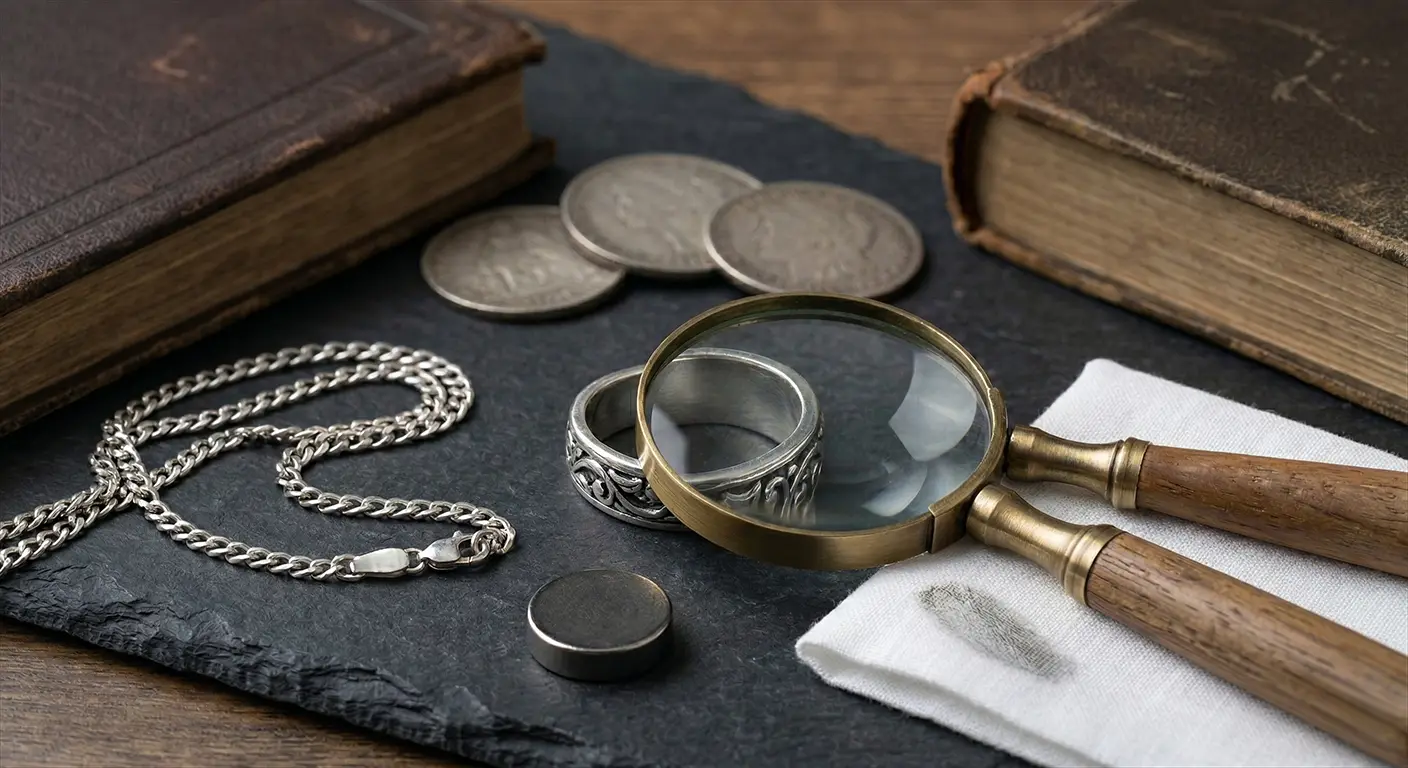
On the inside of a ring, there are marks. Small, barely legible without a magnifying glass. Most people never notice them. Those who do notice don't always understand what they mean.
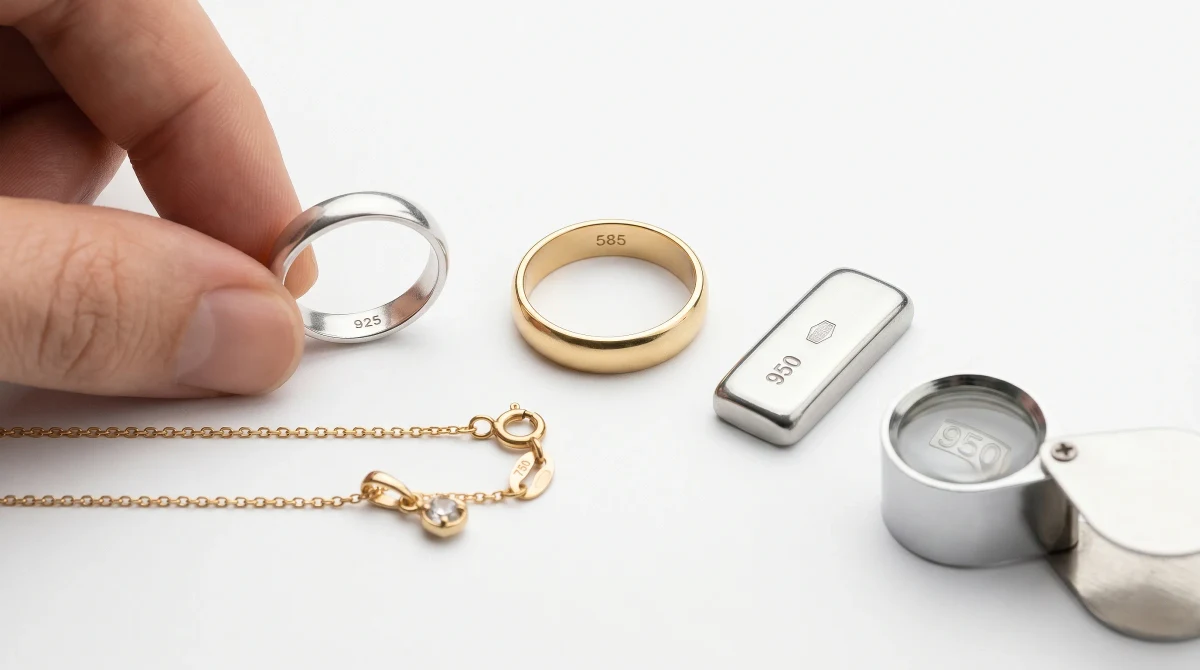
These marks are hallmarks. They tell you how much precious metal is in the alloy. 925 on a silver ring means 92.5% of the alloy is pure silver. 585 on a gold ring means 58.5% pure gold. 750 means 75%. The rest is other metals that make the alloy harder, stronger and wearable.
A hallmark is not marketing. In the United Kingdom, it is the law. The Hallmarking Act 1973 makes it a criminal offence to describe an article as being made of gold, silver or platinum unless it has been hallmarked by an authorised assay office. A fake hallmark carries a penalty of up to ten years in prison. When you see "925" on a piece of jewellery bought from a legitimate British retailer, it is not the seller's opinion. It is a fact verified by an independent testing authority.
But there are nuances. Many nuances. And this guide covers all of them.
Silver: 925, 958, 999
925: Sterling Silver
The most common silver standard in jewellery. 92.5% silver + 7.5% other metals (usually copper). The name "sterling" comes from the English currency: the pound sterling was originally a pound weight of this grade of silver.
Why copper. Pure silver is too soft. You could make a ring from it, but it would deform within a week of daily wear. Copper adds strength, making the metal practical for everyday jewellery. 7.5% copper strikes a balance: enough for durability, not enough for the metal to lose its silvery colour and lustre.
Tarnish. The copper in 925 silver causes the darkening. Copper reacts with sulphur in the air, producing copper sulphide: a dark layer. Pure silver also tarnishes, but more slowly. More on dealing with this in tarnish: how to restore.
Rhodium plating. Many 925 silver pieces are coated with a thin layer of rhodium: a platinum-group metal that does not tarnish. Rhodium-plated silver is brighter, whiter and doesn't darken while the coating lasts. But rhodium wears away over time (6-18 months with daily wear).
British hallmark. On sterling silver, you will see the lion passant (a walking lion): this has been the standard mark for sterling silver in England since the 14th century. In Scotland, the mark is a lion rampant (standing on hind legs). In addition, the assay office mark and the fineness number (925) will be present.
More detail in complete guide to silver 925.
958: Britannia Silver
95.8% silver. A higher standard than sterling, introduced in 1697 to prevent the melting of sterling silver coinage into plate. The hallmark is a figure of Britannia. Used today mainly by specialist silversmiths for high-quality flatware and artisan pieces.
999: Fine Silver
99.9% silver. Too soft for jewellery: it dents with finger pressure. Used for investment bars and coins, not rings. If someone sells you a "fine silver 999 ring for daily wear," it is either a misrepresentation or a ring that will lose its shape within a month.
Gold: 375, 585, 750, 916, 999
375: 9 Carat
37.5% gold. The minimum standard that may legally be described as "gold" in the United Kingdom. This is a distinctly British standard, and many other countries do not recognise 9 carat as gold at all. In Germany, the minimum is 8 carat (333). In France and Italy, the minimum is 18 carat (750) for most retail purposes.
Characteristics. Pale colour (less than half is gold), high durability (lots of alloying metals = hard alloy), relatively affordable. May cause allergic reactions because the alloy often contains nickel.
585: 14 Carat
58.5% gold. Popular in much of Europe and the standard in the United States (marked as 14K). Less common in British high-street jewellery than 9 carat, but widely available.
Colours of 585 gold:
- Yellow: gold + silver + copper. Classic warm colour.
- White: gold + nickel or palladium. Silvery colour. The nickel variant may trigger allergies. Palladium does not, but costs more.
- Rose (red): gold + copper (more than in yellow). The more copper, the redder the hue.
750: 18 Carat
75% gold. The international luxury standard. Heritage luxury maisons work predominantly with 750. In the UK, this is the standard for fine jewellery and engagement rings from established jewellers.
Characteristics. Rich, deep colour. Softer than 585 (more gold = softer). More expensive. Less prone to tarnish.
585 vs 750: visually, the difference is noticeable: 750 is brighter, warmer, richer in colour. By price, 750 is roughly 30-50% more expensive than 585 for the same weight.
916: 22 Carat
91.6% gold. The standard in India and the Middle East. Very soft, intensely yellow, expensive. Too soft for everyday rings and bracelets (they deform). For ceremonial jewellery worn on special occasions, ideal.
999: Pure Gold (24 Carat)
99.9% gold. Egg-yolk yellow, soft as wax. Scratches with a fingernail. Not used for wearable jewellery (except coins and bars). If sold as a "daily wear ring in 999 gold," the seller is misleading you.
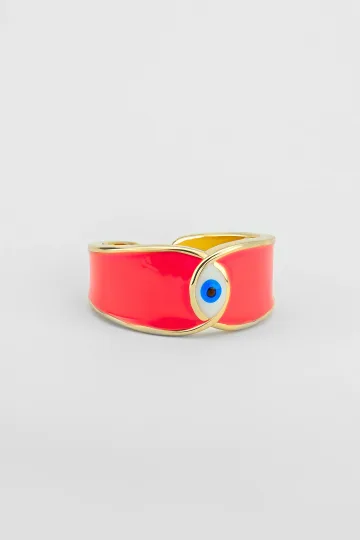
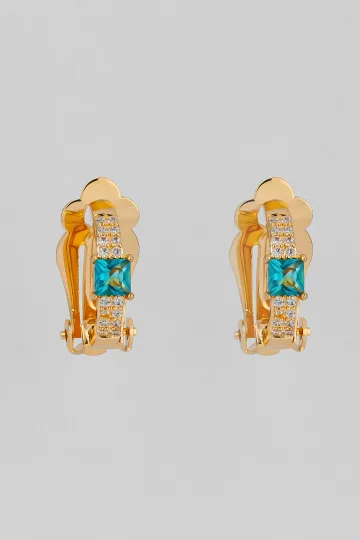
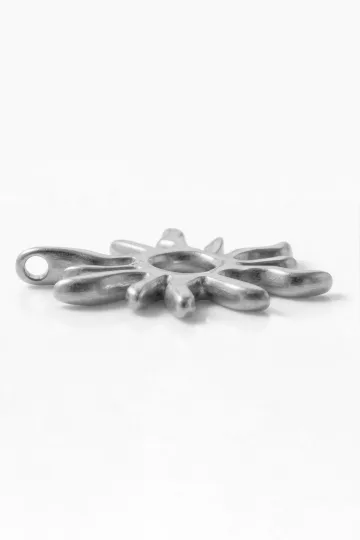
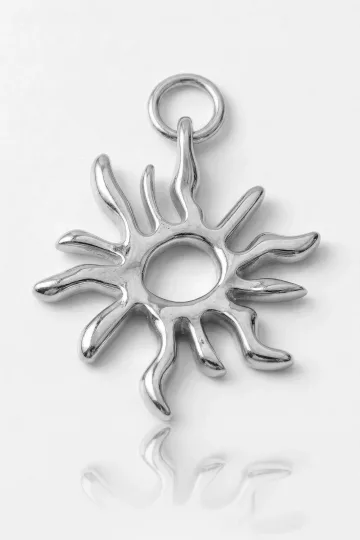
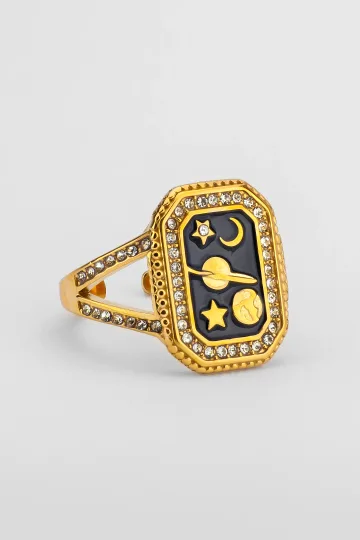
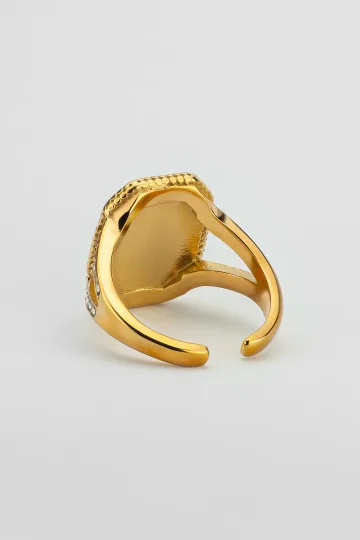
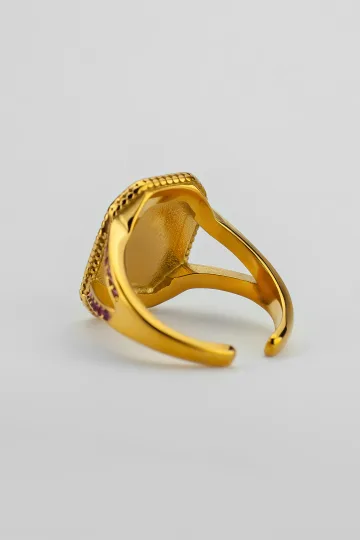
Wear the symbol, don't just read about it. These are in stock:
The Carat vs Fineness System
Fineness (millesimal). Used in continental Europe and most of the world. The number represents the parts per thousand of pure metal. 585 = 585 out of 1,000 parts = 58.5%.
Carat system. Used in the UK, US and Canada. 24 carats = pure gold. 18 carats = 18/24 = 75%. 14 carats = 14/24 = 58.3%.
| Carats | Fineness | Gold Content |
|---|---|---|
| 9K | 375 | 37.5% |
| 14K | 585 | 58.5% |
| 18K | 750 | 75% |
| 22K | 916 | 91.6% |
| 24K | 999 | 99.9% |
Note: "carat" (gold purity) and "carat" (diamond weight) are homonyms. An 18-carat gold ring and an 18-carat diamond are entirely different things. Gold carat = purity. Diamond carat = weight (0.2 grams). In American English, the distinction is sometimes made with spelling: karat (gold) vs carat (gemstones).
Why 585 rather than 583. Before 1999, the Soviet Union and several Eastern European countries used the fineness 583 (exactly 14 carats = 58.33...%). Russia switched to 585 in 1999 to align with the international 14K standard. The difference is 0.17% gold: imperceptible in practice, but legally significant. A piece stamped "583" is not a fake: it is authentic 14-carat gold made before the standard changed.
The British Hallmarking System
Britain has the oldest compulsory hallmarking system in the world. It dates to 1300, when King Edward I decreed that all silver sold in London must contain at least 92.5% pure silver and be tested at Goldsmiths' Hall, the Hall of the Worshipful Company of Goldsmiths. The English word "hallmark" comes literally from "mark from the Hall."
The reason was pragmatic: goldsmiths were cheating. They diluted silver with cheaper metals and sold it at the price of pure silver. Buyers could not tell the difference. A state-controlled hallmark solved the problem: if the piece bears the assay office mark, the composition has been tested. You can trust it.
The Four Marks
A full British hallmark consists of up to four marks, stamped together:
1. The Sponsor's Mark (Maker's Mark). The initials of the manufacturer or sponsor, in a distinctive shield shape. This identifies who made or submitted the piece for hallmarking. Every sponsor must register their mark with an assay office. The shield shape is unique to each office: London uses a plain oval or rectangle, Birmingham a square, Sheffield an octagon. If the same initials appear in different shield shapes, they belong to different makers registered at different offices.
2. The Fineness (Standard) Mark. This indicates the precious metal and its purity:
- Lion passant = sterling silver (925) in England
- Crown followed by fineness number = gold (e.g., 750 for 18 carat)
- Orb = platinum
3. The Assay Office Mark. This identifies which office tested and hallmarked the piece:
- Leopard's head = London (Goldsmiths' Hall, operating since 1300)
- Anchor = Birmingham (operating since 1773)
- Rose = Sheffield (operating since 1773)
- Castle = Edinburgh (operating since 1457)
The London leopard's head is the oldest assay office mark in continuous use anywhere in the world. If your ring carries a leopard's head, it was tested at the same institution that has been testing precious metals for over 700 years.
4. The Date Letter (optional since 1999). A letter in a specific font and shield shape indicating the year of hallmarking. Each assay office had its own cycle of letters and its own series of shield shapes that changed with each new cycle. Date letters were compulsory from the 15th century until 1999, when they became optional. They are still used voluntarily by some offices and are invaluable for dating antique pieces.
Reading Date Letters
The date letter system can seem bewildering at first because each assay office used a different alphabet cycle, different fonts and different shield shapes. A piece hallmarked in London in 1800 bears a different letter than one hallmarked in Birmingham the same year. Reference guides published by the assay offices (all available free online) provide complete tables.
For antique pieces, the date letter is often the most historically interesting mark. A ring with a Birmingham anchor, the letter "A" in a square shield and a lion passant was hallmarked in 1773, the year Birmingham's office opened. Such dating is possible because the cycles are documented without gaps going back centuries.
The Hallmarking Act 1973
This is the law that governs hallmarking in the United Kingdom today. Key points:
- It is illegal to describe an unhallmarked article as gold, silver or platinum in trade.
- Exemptions exist for items below certain weight thresholds: articles under 1 gram for gold, 7.78 grams for silver and 0.5 grams for platinum do not require hallmarking.
- The Act applies to England, Wales, Scotland and Northern Ireland.
- Imported jewellery must be hallmarked by a UK assay office before it can be sold as precious metal.
Post-Brexit Changes
Since Brexit, UK hallmarks are no longer automatically recognised by EU member states. Jewellery hallmarked in Birmingham and sold in France would need to be re-hallmarked by a French bureau de garantie. However, the UK remains a member of the Vienna Convention on the Control of the Fineness and Hallmarking of Precious Metals, which means UK hallmarks are recognised by other Convention signatories (including Austria, the Netherlands, Sweden and others).
Platinum: 850, 900, 950
Platinum is the most expensive jewellery metal. Heavier than gold (density 21.45 vs 19.3 g/cm3), stronger, more corrosion-resistant, hypoallergenic.
950: The Standard
95% platinum + 5% other metals (iridium, ruthenium, cobalt). The most common platinum standard for jewellery. Expensive. Very expensive.
The British hallmark for platinum 950 is an orb (a circle with a cross on top) plus the number 950. Platinum hallmarking became compulsory in the UK in 1975.
Platinum vs white gold. White gold is yellow gold alloyed with white metals (palladium or nickel) and then rhodium-plated. Over time, the rhodium coating wears through and a yellowish tinge appears. Platinum is naturally white and stays white permanently: it requires no plating. This is the main practical distinction between the two.
Customer reviews
Zevira is a real jewellery shop. Genuine payments, deliveries and customer thank-yous.
🥰🥰🥰 gracias
Ok, ¡gracias! 🙂
Stainless Steel: No Hallmark, But Not Without Standards
Stainless steel is not hallmarked because it is not a precious metal. But it has its own standards.
316L
The most common "jewellery grade" steel. Composition: iron + chromium (16-18%) + nickel (10-14%) + molybdenum (2-3%) + carbon (less than 0.03%, hence the "L" for Low carbon). Marked as "316L," "Surgical Steel" or "Stainless Steel."
Not to be confused with 304. 304 steel is also stainless but lacks molybdenum. Less resistant to corrosion, especially in salt water. 316L is the standard for jewellery and medical instruments. 304 is for kitchen equipment.
More detail in brass, steel and silver comparison.
How to Read a Hallmark
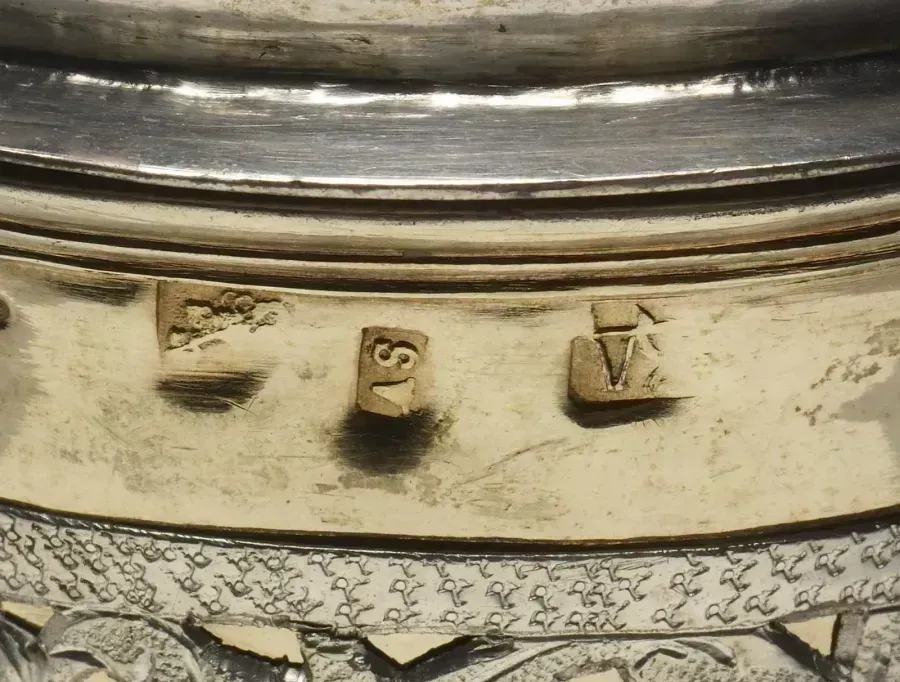
At Home (approximate)
Visual inspection. Take a loupe (10x magnification). Look for marks on the inside of a ring, on the clasp of a chain, on the post of an earring, on the plate of a bracelet clasp. Hallmarks are small: typically 1-2 mm. Without magnification, you may miss them entirely.
What you are looking for. On British silver: a small walking lion (lion passant) plus a letter or number. On British gold: a crown (on older pieces) or the fineness number (on modern pieces after 1999 when the crown became optional), plus an assay office symbol. On continental European pieces: a three-digit number (925, 750, 585) sometimes accompanied by a national symbol (star, eagle head, etc.).
Magnet test. Hold a fridge magnet near the piece. Gold, silver and platinum are not magnetic. If it sticks, it is not a precious metal (or contains a significant proportion of iron). But: 316L stainless steel is also weakly magnetic or non-magnetic. A magnet rules out crude fakes but not all of them.
Smell test. Silver and gold have no smell. Brass and copper have a characteristic metallic odour. If a ring smells of "old coins," it is not precious metal.
Sound test. Silver has a characteristic high, sustained ring (like a small bell). Steel rings more briefly and dully. Brass is duller still.
Weight comparison. Gold is very dense: 19.3 g/cm3 for pure gold, around 15-16 g/cm3 for 18K alloys. A gold ring feels noticeably heavier than an identical-looking brass or steel ring. Silver (10.5 g/cm3 pure) is heavier than steel (8 g/cm3). If a supposedly gold ring feels light, that is grounds for suspicion.
At a Jeweller (accurate)
Touchstone test. The jeweller rubs the piece against a black stone (Lydian stone), leaving a streak. Acid is applied to the streak. The reaction reveals the fineness. An ancient method (used for thousands of years) but reliable.
X-ray fluorescence (XRF). A device directs X-rays at the piece and analyses the reflected spectrum. Determines composition to tenths of a percent. Does not damage the piece. Takes 30-60 seconds. Most jewellers and assay offices offer this service.
Hydrostatic weighing. The piece is weighed in air and in water. The difference gives the density. A gold 585 ring has a density of about 13.1 g/cm3. Silver 925 is about 10.4 g/cm3. If the density does not match the claimed fineness, the composition is different. Accurate and requires only a precision scale with a water container.
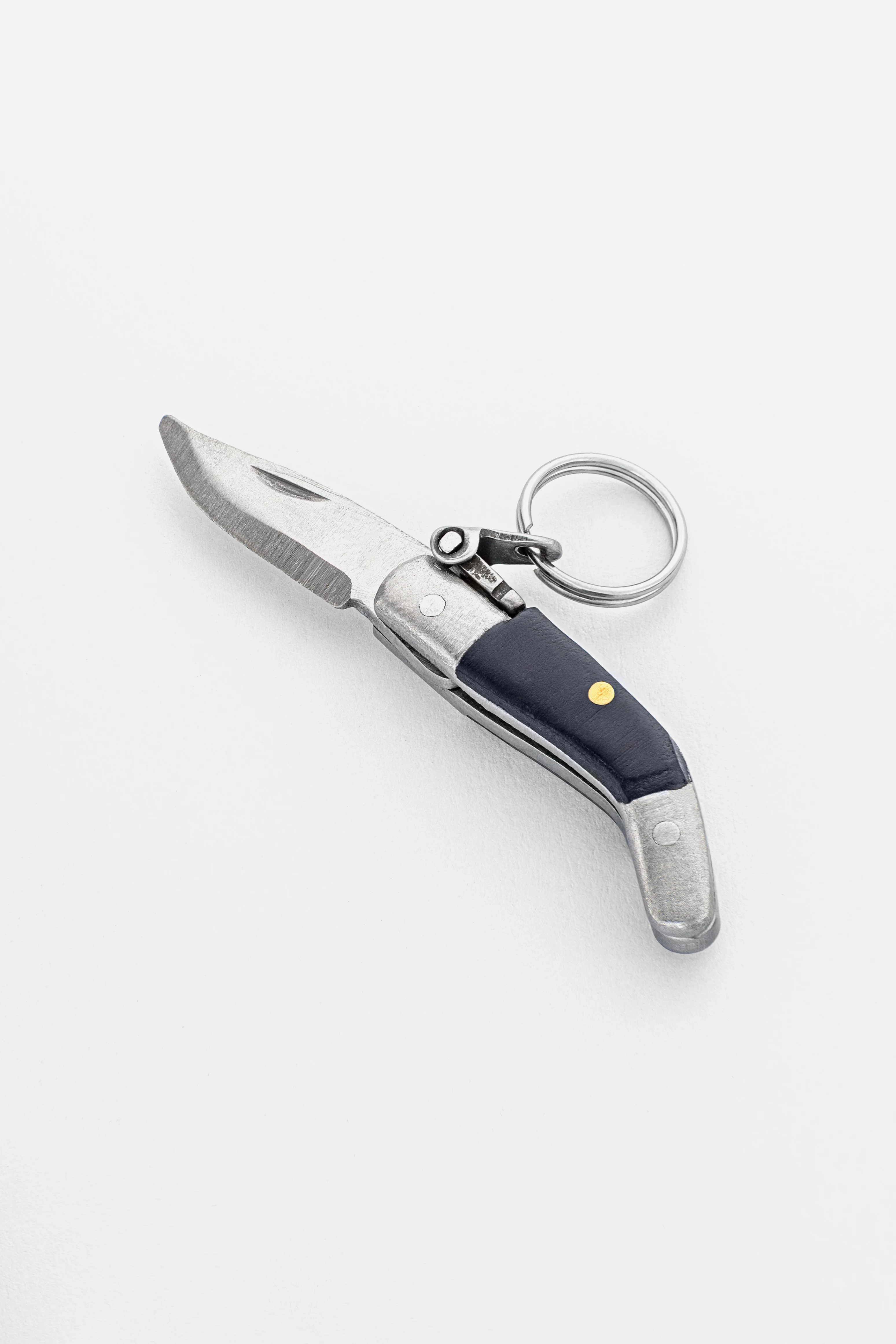
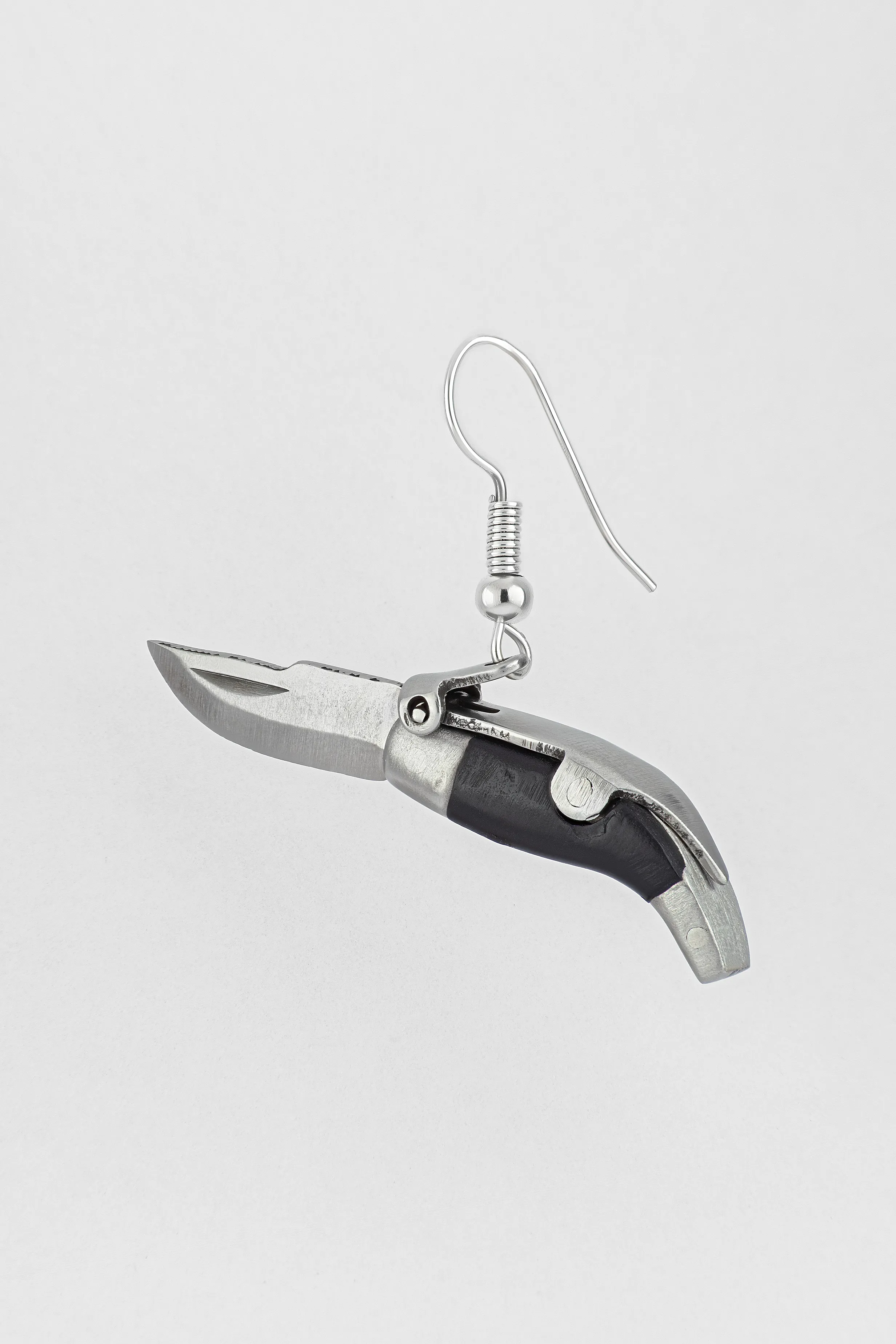
Artisan-crafted CAPAORA navaja pendant
A 40 mm stainless-steel navaja with a real folding mechanism and Palanquilla lock. An affordable gift to remember.
A code for blog readers:
10% off your first order
Authentic · Maker's guarantee · Ships from Spain
Fakes and How to Spot Them
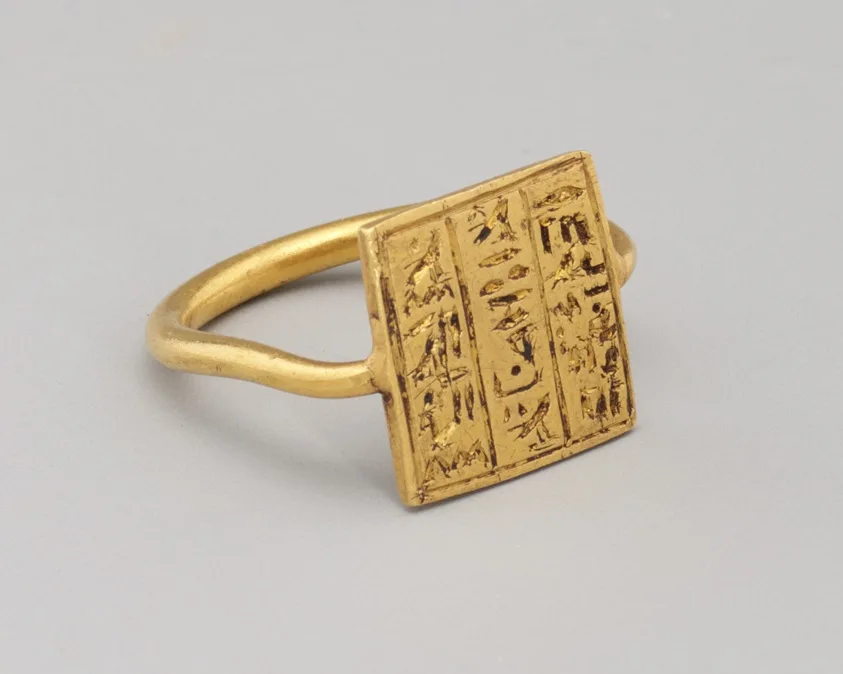
Gold-Plated Brass Sold as Gold
The classic fraud. A brass ring coated with a thin layer of gold. Visually it looks like gold. By weight, it is lighter (brass is less dense than gold).
How to spot it. Weight test: a gold ring is noticeably heavier than an identical brass one. Acid test: a drop of nitric acid on an inconspicuous area: brass turns green, gold does not react. This test should be done by a jeweller, not at home.
Silver-Plated Copper Sold as Silver
A copper item coated with silver. Visually it looks like silver. Over time, the plating wears off, revealing the copper (a reddish metal beneath the silver surface).
How to spot it. If a scratched surface reveals a copper colour underneath, it is not silver. Silver beneath a scratch remains silver.
"Jewellery Steel" Sold as Silver
Stainless steel visually resembles silver. Some sellers pass off steel pieces as silver. The difference is in weight (steel is lighter than silver), sound (steel rings differently, a more "hollow" sound) and hallmark (steel does not carry a 925 mark).
Clarification. Stainless steel is an excellent material. There is nothing wrong with a steel piece of jewellery. What is wrong is selling steel at the price of silver. The per-gram cost of steel and silver differs by 5-10 times.
Fake Hallmarks
A hallmark can itself be forged. Counterfeiters stamp fake marks onto lower-quality metal. Signs of a fake hallmark: blurred or asymmetrical outlines, the wrong shield shape for the claimed assay office, a fineness number that does not match the metal's colour or weight. Compare any suspicious mark against the reference images published by the UK assay offices. All four offices provide free online guides with photographs of genuine marks at every size.
If you are buying a significant piece and have doubts, submit it to an assay office. For a modest fee, they will test the metal and issue a certificate. This is the same process as the original hallmarking, and the result is authoritative.
History of Hallmarking
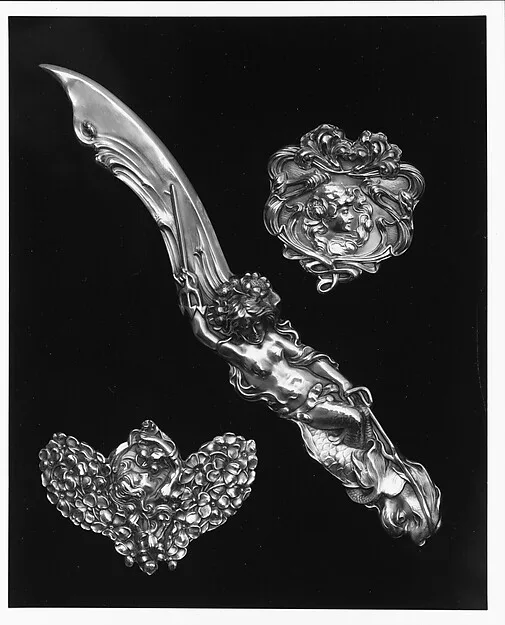
How It All Began
The world's first compulsory hallmarking system was established in England in 1300. King Edward I decreed that all silver sold in London must pass inspection at Goldsmiths' Hall. The word "hallmark" itself (literally "mark from the Hall") entered the English language from this practice.
The institution behind it, the Worshipful Company of Goldsmiths, is one of the 110 livery companies of the City of London. It was founded in the 13th century and received its first royal charter from Edward III in 1327. Since 1300, it has operated the London Assay Office without interruption, through the Black Death, the Great Fire of London, two world wars and every political upheaval in between.
Over 700 years, the system spread worldwide. Today, compulsory hallmarking operates in most EU countries, the UK, India, Japan and dozens of other nations. In the US and China, hallmarking is not compulsory: manufacturers mark items themselves and bear responsibility for accuracy.
France: The Poincon System
France introduced mandatory hallmarking in the 13th century under Philip the Bold, who in 1275 issued the first regulations on gold and silver content. The French system uses animal and mythological symbols rather than numbers to indicate fineness:
- Eagle head = 18K gold (750), French manufacture
- Owl = imported gold (any fineness)
- Horse head = 14K gold (585)
- Minerva's head = sterling silver (925)
- Dog's head = platinum 950
The eagle head for 18K gold has been used in France since 1838. It is one of the most recognised symbols in international jewellery. The Bureau de Garantie, which operates under the Direction Générale des Douanes, tests and stamps every piece sold in France.
Italy: The Stella System
Italy's hallmarking system is among the most structured in the world, governed by Law 251/1999. The mark consists of a five-pointed star (stella), followed by a two-digit province code and the maker's registration number.
The province code identifies where the manufacturer is registered: 52 = Arezzo, 6 = Alessandria (Valenza Po), 1 = Turin, 63 = Naples, 92 = Palermo. This system makes every Italian piece fully traceable to its maker. Arezzo (province 52) is the capital of industrial gold chain production: roughly 30% of the world's gold chains are made there. Valenza Po (province 6) is the centre of fine artisanal jewellery with gemstones.
Germany: Halbmond und Krone
The German system was codified with the Goldwarengesetz (Gold Goods Law) of 1884. The Halbmond und Krone (crescent and crown) mark identifies German-manufactured gold. Unlike the UK and France, German hallmarking is not compulsory, but any voluntary mark must be accurate, and falsifying a mark is a criminal offence under the Unfair Competition Act. Reputable German manufacturers always stamp their pieces.
Pforzheim in Baden-Württemberg has been the centre of German jewellery manufacturing since 1767, when Margrave Karl Friedrich von Baden established a watchmaking and jewellery manufactory there. Today over 350 companies in the Pforzheim area produce or process jewellery, watches and gemstones.
The Goldsmiths' Company
The Worshipful Company of Goldsmiths has operated the London Assay Office since 1300. It is one of the Great Twelve livery companies of the City of London. The Goldsmiths' Company both hallmarks precious metals and conducts the Trial of the Pyx, the annual testing of British coinage, a ceremony dating back to the 12th century.
The Vienna Convention
In 1972, several European countries signed the Vienna Convention on the Control of the Fineness and the Hallmarking of Precious Metals. Signatory countries (including Austria, the UK, Sweden, Finland, Ireland, the Netherlands, Switzerland, Portugal, Czech Republic and others) recognise each other's hallmarks. A piece hallmarked in Vienna does not need re-hallmarking in London.
Germany and France are not members of the Vienna Convention, although French poincons are widely recognised internationally through bilateral agreements.
Six fast checks, no tools. Leave your email, we'll send the PDF and a discount code.
No spam, unsubscribe anytime.
Maker's Marks: Who Made This Piece
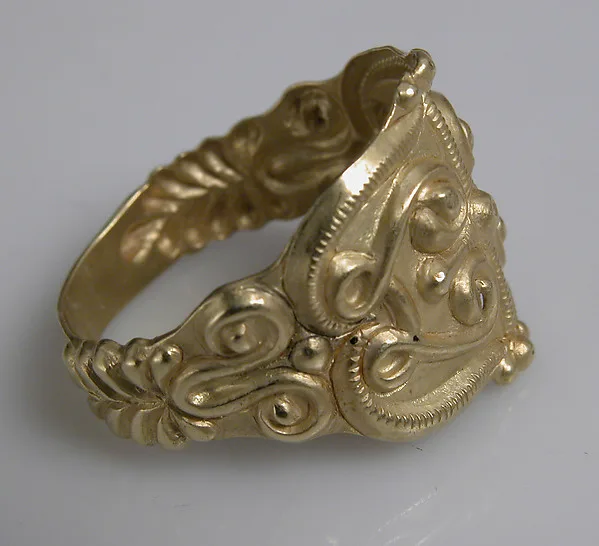
The maker's mark (sponsor's mark in UK terminology) identifies the individual or company who submitted the piece for hallmarking. It is not the same as the hallmark itself. The hallmark is applied by the assay office, the maker's mark by the maker.
In the UK, every maker must register a unique mark with an assay office before submitting work. The mark typically consists of initials set in a shaped cartouche. The cartouche shape varies by assay office: London uses a shield, Birmingham a circle or square, Sheffield a rectangular frame. A maker registered at London with initials "JH" in a shield is a different person from a maker registered at Birmingham with the same initials in a circle.
French maker's marks (poinçons de maître) are diamond-shaped for manufacturers and oval for importers. They must be registered with the Bureau de Garantie. In case of a dispute about a piece's composition, the maker's mark identifies who is legally responsible.
Italian maker's marks are embedded in the stella system itself: the number following the star is the maker's unique registration number within their province. The Chamber of Commerce for each province maintains the register.
For antique jewellery, maker's marks are of considerable historical interest. A piece bearing the mark of a documented Georgian or Victorian silversmith carries additional value as a documented artefact of the period, over and above its metal content. Specialist auction houses employ experts who can read marks from photographs and attribute pieces to specific workshops.
Hallmark and Allergy
Fineness affects allergenicity. The lower the gold fineness, the more alloying metals, and the higher the chance the alloy contains nickel.
585 yellow gold. Usually safe (alloy with copper and silver, no nickel).
585 white gold. Risky. Traditional white gold alloys contain nickel for the white colour. Modern versions use palladium instead, but not all. Ask.
375 gold. Higher risk. Lots of alloying metals = high probability of nickel.
925 silver. Usually safe. The alloy metal is copper, not nickel. But some manufacturers add small amounts of nickel.
316L stainless steel. Paradox: contains 10-14% nickel, but the nickel is bound in the crystal lattice and does not leach to the surface. Safe for most people with nickel allergies. But not all.
More detail in nickel allergy guide.
Hallmarks in Other Countries
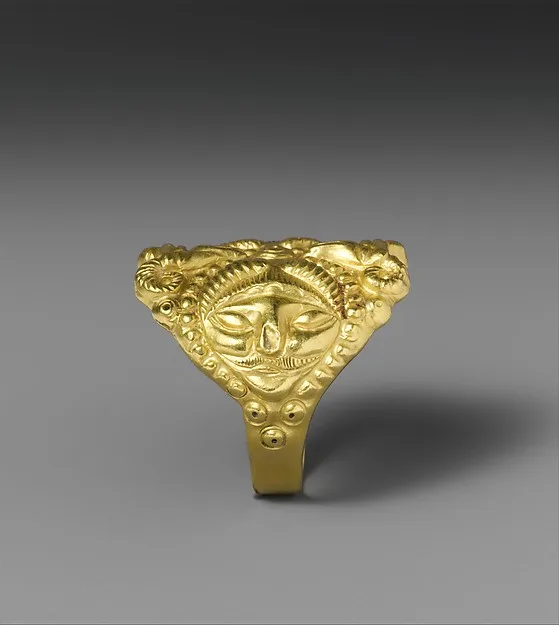
France
One of the most elaborate systems. The French poincon system uses animal heads to indicate metal and purity. Eagle head = 18K gold (French manufacture). Owl = imported gold. Minerva head = silver. More in the French-specific article.
Italy
The stella (star) system: a five-pointed star followed by the province number and the maker's number. Italy's hallmarking system is among the most structured in Europe.
Germany
The Halbmond und Krone (crescent and crown) mark indicates German-manufactured gold. The fineness number accompanies it. Pforzheim has been the centre of the German jewellery industry since the 18th century.
Spain
Spain's contraste system is governed by the Law on Objects Made of Precious Metals (Ley 17/1985) and subsequent decrees. The oficinas de garantia (guarantee offices) operate at regional level, each with its own identifying mark. The fineness number (925, 750, 585) appears alongside the maker's mark and the office mark. Spain is a signatory to the Vienna Convention, so Spanish hallmarks are recognised across member countries.
India
The Bureau of Indian Standards (BIS) hallmark became compulsory in 2021. Before that date, hallmarking was voluntary and fraud was widespread. Look for the BIS triangle logo, the fineness (916, 750 or lower), and the jeweller's code. The 2021 reform was a significant consumer protection measure in a country that is one of the world's largest gold jewellery markets.
United States
No compulsory hallmarking. Manufacturers are legally required to be truthful about fineness if they mark pieces at all, and marking is regulated by the National Gold and Silver Marking Act. But there is no independent verification body analogous to the UK assay offices. A piece marked "14K" from a US manufacturer carries the manufacturer's own guarantee of accuracy, not a government certification.
Hallmark and Resale
If you ever want to sell a gold piece, the fineness determines the price.
Gold buyers. Buyers pay for the weight of pure gold in the piece, not the weight of the piece itself. A ring weighing 5 grams at 585 fineness = 5 x 0.585 = 2.925 grams of pure gold. The buyer pays for those 2.925 grams at the market price minus their margin (usually 10-20%).
The craftsmanship counts for nothing. However much the jeweller's work cost at purchase, at resale it is worth zero. The buyer purchases metal, not design.
Stones usually don't count. Cubic zirconia and crystals have no resale value. Natural diamonds do, but a buyer will value them significantly below retail price.
Conclusion. Jewellery is not an investment (unless it is antique or rare artisan work). Buy jewellery for pleasure, not for resale. If you want to invest in gold, buy bars or coins at 999 fineness.
Hallmark and Price: How to Calculate
The price of a precious metal piece consists of:
1. Metal cost at market price x weight x fineness. For example: gold costs X per gram. Ring weighs 5 grams. Fineness 585. Metal cost = X x 5 x 0.585.
2. Workmanship. Casting, polishing, stone setting, assembly. Usually 30-100% of the metal cost for mass production. 200-500% for artisan work.
3. Stones (if any). From pennies (CZ) to fortunes (natural diamonds).
4. Brand. The premium for a name. A luxury heritage jeweller sells a silver ring for the price at which an independent jeweller sells a gold one. You pay for the brand, consciously or not.
Practical tip. When buying gold by weight (common in Turkey, India, UAE), check: price per gram x weight x fineness = metal cost. Everything above that is workmanship and margin. If the margin exceeds 50% of the metal cost for a simple piece without stones, you are overpaying.
Exotic and Rare Metals
Palladium
Fineness 500 or 950. A platinum-group metal, cheaper than platinum but with similar properties: white, strong, hypoallergenic. Used as an alternative to white gold and platinum. Palladium hallmarking became compulsory in the UK in 2010.
Titanium
Not hallmarked (not a precious metal). But marked: "Ti," "Titanium," "Grade 1-5." Titanium is hypoallergenic, lightweight and incredibly strong. Drawback: cannot be soldered (a broken titanium ring cannot be repaired) and cannot be resized.
Tungsten Carbide
Marked "Tungsten" or "WC." Incredibly hard, virtually impossible to scratch. But brittle: it can shatter from a strong impact (unlike steel, which bends). Tungsten rings cannot be resized. And they cannot be cut with a standard ring cutter in an emergency, so a special tool is needed.
What to Buy: Fineness vs Material
For daily wear without maintenance: 316L stainless steel. No hallmark, no tarnish, no allergy, no stress. Put it on, forget it.
For daily wear with minimal maintenance: 925 silver with rhodium plating. Beautiful, accessible, needs a wipe once a week and rhodium re-plating every year or two.
For special pieces (engagement ring, anniversary gift): 585 or 750 gold. Does not tarnish, does not peel, retains value.
For the ultimate: 950 platinum. If budget allows and you want "forever" without caveats.
What to avoid: 375 gold (little gold, lots of allergens), unhallmarked "gold" pieces from bazaars (unpredictable composition), "jewellery steel" at silver prices (overpaying for marketing).
Silver by day, gold for the evening. Don't you dare pass gilded brass off as gold, the green mark on your neck will rat you out.
Which Metal to Wear Every Day: A Stylist's Take
A hallmark tells you what a piece is made of; the metal decides whether it lands in your look. Once the stamp checks out, here is what actually works, occasion by occasion.
Which metal do you recommend for everyday? For everyday I recommend sterling silver 925 or stainless steel. Both sit happily in a cool palette: white, grey, denim, graphite. Steel forgives water, the gym and forgetfulness; silver asks for a wipe once a week but plays more beautifully in the light. Warm gold works daily too, just choose it matte so it speaks quietly.
Gold or silver for my skin tone? I look at the undertone. For warm skin (a golden cast, veins leaning green) I suggest gold 585 and yellow alloys. For cool skin (a pink cast, bluish veins) silver and steel are the match. If the undertone is neutral, both work, and then the colour of your clothes decides, not your skin.
What if my skin reacts to metal? If your skin goes green or itches, nickel or a cheap alloy is almost always the culprit. I recommend stainless steel 316L or gold from 585 upward, where allergens are minimal. Low finenesses and gilded brass are the ones to avoid here: they are exactly what leaves the green mark and the rash.
How do I build an evening look? For the evening I choose gold or platinum with a smooth fabric in a deep colour: wine, emerald, black. Warm metal catches lamplight and candlelight better than cool. Metal reads strongest on a bare neck near the collarbone, so I suggest a shorter length.
Can I mix metals? You can, and I love it. The rule is simple: one metal leads, the other supports. Silver as the base, say, with a single gold detail as the accent. What I would not do is push polished gold and matte steel right up against each other; they argue on texture. Space them out by length or across different hands.

Turn on your camera, pick earrings, a pendant or a ring, and see the piece on yourself in real time.
Switch items in one tap.
Everything runs in your browser: no photo or video is ever uploaded.
Send a friend a discount code, they save on their first order.
FAQ
How can I check the hallmark at home? Reliably, you can't. Home tests (magnet, vinegar, iodine) give approximate results. The only reliable method is XRF analysis at an assay office or jeweller. Costs little, takes minutes.
Can a hallmark be fake? Yes. Fake hallmarks are struck on counterfeits. But the quality of a fake hallmark is usually lower: blurred outlines, wrong shield shape, misaligned symbols. Compare with photos of genuine hallmarks published by the assay offices.
Why is there no hallmark on my piece? Possible reasons: the item is not precious metal (steel, brass, titanium are not hallmarked). Or it was made in a country without compulsory hallmarking. Or the hallmark wore off (happens on old pieces). Or the piece falls below the weight exemption threshold.
585 or 750: which is better? Depends on your priority. 585 is harder and cheaper. 750 is more beautiful in colour and more prestigious. For everyday wear, 585 is more practical. For special pieces, 750 is justified.
Can you wear 925 silver every day? Yes, but it will tarnish. Clean every 1-2 weeks. Or plate with rhodium and clean less often. Or switch to stainless steel, which does not tarnish at all.
What is "medical gold"? A marketing term. Usually means 316L stainless steel with gold plating or PVD coating. Contains no gold in meaningful quantities. Not a medical product. The name was invented for sales, not accuracy.
What does "vermeil" mean? Silver 925 coated with a layer of gold. Called vermeil if the gold layer is at least 2.5 microns thick and at least 10K fineness. Combines the look of gold with the affordability of silver. More in how long does gold plating last.
What does "EP" or "GP" on jewellery mean? EP = Electroplated. GP = Gold Plated. Both mean the item is not solid metal but coated with a thin layer. This is not a hallmark. It is a coating designation. The base metal may be brass, copper or steel.
What does "GF" on jewellery mean? GF = Gold Filled. The gold layer constitutes at least 5% of the total weight. Significantly thicker than GP (gold plated). Gold Filled lasts years and decades. Common in American jewellery. Not widely seen in the UK but increasingly available online.
What does "Nickel Free" on jewellery mean? It means the item contains no nickel or contains it below the EU REACH regulation limit (less than 0.5 micrograms per square centimetre per week). Important for allergy sufferers. But "Nickel Free" is the manufacturer's claim, not a government guarantee. Trust but verify, especially if the allergy is severe. More in nickel allergy guide.
Is 9 carat (375) worth buying? If budget is limited and you specifically want gold, 375 is better than plating (375 won't peel). But if the choice is between 375 gold and quality stainless steel, the steel is more practical, more durable and won't cause allergic reactions. The gold content in 375 is less than 40%, which many countries don't consider high enough to call "gold" at all.
What's the difference between a hallmark and a trademark? A hallmark is an independent verification of metal content, applied by an assay office. A trademark (or brand mark) is the manufacturer's own mark. A hallmark tells you what the metal is. A trademark tells you who made it. Both may appear on the same piece, but they serve different purposes. Only the hallmark is legally enforced as a guarantee of composition.
Why does my Zevira jewellery have no hallmark? Because Zevira jewellery is made from 316L stainless steel, which is not a precious metal and does not require hallmarking. This is not a deficiency. It is a different category. Stainless steel's value lies in its practical qualities (strength, hypoallergenicity, no tarnishing), not in the metal's per-gram cost.
What is the difference between assay and hallmarking? Assay is the process of testing the metal's composition. Hallmarking is the act of stamping the certified mark onto the piece. The assay office performs both: it tests (assays) the metal and then applies the hallmark. The two steps are inseparable in the British system.
I bought jewellery abroad: is the hallmark valid in the UK? It depends on where it was hallmarked. A piece from a Vienna Convention country (Austria, Sweden, Finland, Ireland, Netherlands, Switzerland, Portugal, Czech Republic) bears an internationally recognised mark and does not need re-hallmarking for personal use in the UK. For resale as precious metal in the UK, imported pieces must be hallmarked by a UK assay office.
Can I have an old piece re-hallmarked? Yes. Any of the four UK assay offices will test and hallmark an existing piece. The piece will be tested for its actual fineness, and if it meets a recognised standard, a fresh hallmark will be applied. If the actual fineness is lower than a previous mark suggested, the old mark may be removed.
What did the date letter on my antique ring look like, and when was it made? Each assay office published its own alphabet cycle with a specific font and shield shape. The London Assay Office, Birmingham Assay Office and Sheffield Assay Office all provide free online date letter guides. By identifying the assay office mark first, then matching the letter style and shield shape to the reference table, you can determine the year within the cycle. Most cycles run 20-25 years before starting again with a new font.
How to Verify a Hallmark: Step-by-Step
At Home
- Take a jeweller's loupe or magnifying glass (10x magnification works best).
- Look for marks on the inside of rings, on chain clasps, on earring posts, on bracelet clasps.
- Note any symbols you see: the lion passant (silver), the crown (gold), any letters or numbers.
- Compare what you find with the official hallmark guides published by the four UK assay offices (all available online).
- If you cannot see any marks, the item may not be precious metal, may be exempt by weight, or the marks may have worn away.
At an Assay Office
Any of the four UK assay offices (London, Birmingham, Sheffield, Edinburgh) will test and hallmark jewellery for a fee. You can also have existing pieces verified. The process is straightforward: submit the piece, the office tests it and either confirms the existing hallmark or reveals the actual composition.
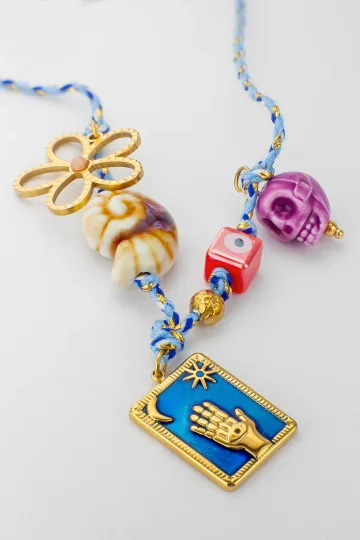
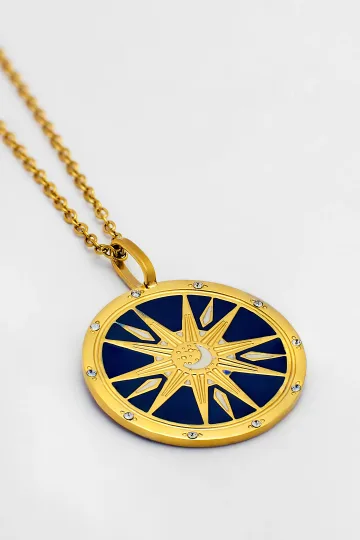
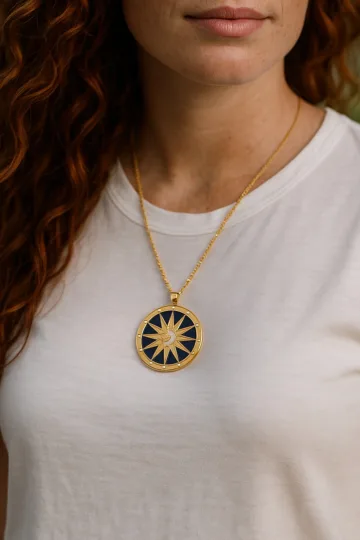
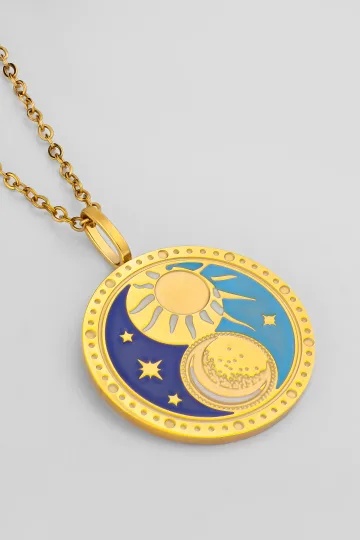
Silver and gold jewellery, wedding bands, symbolic pendants, paired sets.
Wear the symbol, don't just read about it. These are in stock:
The Bottom Line
A hallmark is a jewellery passport. It tells the truth about composition when marketing may not. "Gold ring" could mean anything from 37.5% to 99.9% gold. "Ring hallmarked 750" is a specific composition, verified by an independent authority.
You do not need to be an expert gemmologist to understand hallmarks. The basics are enough: 925 = silver, 585 = 14K gold, 750 = 18K gold. Everything else is nuance, and now you know that too.
Three tiny marks on the inside of a ring are not decoration. They exist so you know what you are paying for. Read them. Understand them. And if they are absent, ask why. The answer to "why is there no hallmark" will tell you more about the seller than any advertisement.
About Zevira
Zevira makes jewellery by hand in Albacete, Spain. Every precious metal piece we produce passes through the Spanish assay system and carries its proper mark: 925 for silver, 585 or 750 for gold. No "silver tone," no "silver-look plating" hiding behind a vague label. If a piece is steel, we say so. If it is gold, the hallmark proves it.
Here is what you will find with us:
- Silver 925 carrying the mark of the Spanish guarantee office
- Gold 585 (14K) and 750 (18K) with the official fineness stamp
- 316L stainless steel with a manufacturer's certificate
- Clear material labelling on the tag and in every product description
- Personal engraving placed next to the hallmark
Each piece is made by hand, with the option of personal engraving. We work with sterling silver and 14-18K gold, and we put the mark where you can read it.