Jewelry as a Gift for a Musician: The Complete Guide 2026
Physics and Identity in One Decision
From first touching an instrument to a first paid gig, the median path runs about 12 years. That is longer than medical school plus residency. Jewelry for a working musician is a compromise of physics and identity: a violinist will not wear a ring on the left hand because the fingers have to meet the fingerboard freely. The standard gift to a musician is gear, and gear goes obsolete in five years. A pendant engraved with the BPM of a favorite song does not.
This guide is about how to choose a piece for a musician. For any genre, any occasion, any budget.
Musician to Musician: Who Are You Giving To?
Before thinking about a specific piece, think about the specific person. Musicians occupy very different positions in the world of sound, and that shapes what will suit them. A symphony cellist and a touring punk bassist both make music, yet a single object can land beautifully for one and feel beside the point for the other. Start with the human, not the inventory.
Classical Musicians
Violinists, cellists, pianists, orchestral wind players. They combine academic discipline with a deep, almost private connection to the instrument. Many began playing at five or six and have spent more hours with music than with anything else in their lives. They value subtlety: jewelry that says something precise rather than something loud. A treble clef for a cellist, a pick for nobody here, a single note for a flutist. The lower the volume and the higher the craftsmanship, the closer it lands.
There is a separate story for left-hand string players. Violinists and violists do not wear rings on the left hand while playing because the fingers must press the strings against the fingerboard freely, and any metal in the way breaks the contact. This is not a ban on rings in general. When choosing a gift, simply aim for the right hand, or for a pendant and earrings, and you sidestep the problem entirely.
Rock, Metal, and Punk Musicians
A different aesthetic, a different conversation with jewelry. Here symbolism states a position: a pick on a chain as a guild badge, an ouroboros as an image of cyclical force, skulls, a miniature electric guitar. A rock musician wears jewelry as a manifesto rather than as a quiet detail. This holds for men just as much as women. In rock culture, men wearing jewelry has never needed a defense, and a heavy oxidized piece reads as part of the uniform.
Jazz Musicians
Jazz sits in its own corner of the hierarchy. Its players often feel themselves part of a living history: the club, the cigar smoke, the standards that were already old by mid-century. Pieces with a patina of age and authenticity work for them. Oxidized silver, a worn warm tone, something with a story rather than a showroom shine. Notes as engraving, the curved silhouette of a saxophone, a single flatted note on a chain that only a player would clock.
Indie and Alternative Musicians
Indie players usually value what does not look bought at a mall. Individuality is the whole point: an unusual form, a non-standard metal, a piece you will not find on ten of your friends. An ouroboros with fine engraving, a pendant carrying the notes of one specific melody, anything personalized. The piece that needs a sentence of explanation is often the piece they love most.
Producers and DJs
They work with sound but rarely take the stage in the traditional sense, and their aesthetic is no less defined for it. A sine wave on a bracelet, miniature headphones as a charm, a pendant shaped like a sound wave. Modern, technical imagery that speaks to people who think of music as something built rather than only performed.
Church Musicians and Choristers
Here restraint and depth of meaning matter most. A treble clef paired with a simple form, silver without excess decoration. A piece that works equally on Sunday at a service and on an ordinary Tuesday. The quieter the better, because the role itself is one of accompaniment rather than spotlight.
Music Teachers
Teachers usually carry several roles at once: educator, performer, mentor. For them, jewelry that names the profession with dignity rather than with display works well. Notes on a bracelet, a fine treble clef pendant, a thin band with an engraved bar of music. It should read as belonging, not as a billboard.
What the Gift Says About the Occasion
The same person deserves different things at different moments. A first concert and a fifteen-year band anniversary are not the same emotional event, and the jewelry should know which one it is marking. Below are the milestones that most often prompt a musical gift, with the register each one asks for.
First Concert
A first public performance, large or small, stays with a musician for good. A gift for this occasion should be small and personal, never loud. The day belongs to the musician, not to the giver's generosity. A fine pendant with a music symbol that can go on that same evening, and that later becomes a witness to the night, is what works best here.
Good options: a thin note on a silver chain, a treble clef in understated form, a small instrument miniature. If you can add engraving with the date, you put the story directly into the metal. More on that in our guide to jewelry engraving.
First Studio Album
A different scale entirely, because an album is not one evening but months of work. Something slightly more substantial fits: a fuller pendant, a heavier bracelet with symbolism, earrings with real detail. If you know the one song from the album that means the most, commission a pendant carrying its opening notes. That is a precise, considered gesture, and it shows you listened.
Graduation from Music School or Conservatory
Years of study, exams, a final program. This is an academic milestone, and the jewelry can carry that weight. A treble clef here functions as a symbol of the path traveled rather than as a casual music reference. A pendant to clasp on solemnly after the ceremony is a quiet, lasting choice.
Band Anniversary
A band has existed for five, ten, or fifteen years, and someone wants to mark it with a collective gift for the members. This is a strong occasion for matching or set pieces: one design in different variations for each person, or pieces carrying each member's initials. For more on this, see the initials and monogram jewelry guide.
Going on Tour
A long tour, months on the road. A piece that will travel the whole way carries an obvious symbolism. The infinity symbol reads as continuous movement, a road without an end, music that keeps going. A fitting image for sending someone off on the road.
"I Did It": A Gift to Yourself
An underrated category. A musician who has finished a major project, cleared a milestone, or come out the other side of a professional crisis has every right to mark it with something for themselves. Here the choice should be honest and exact: the thing that is actually wanted, not the thing that seems appropriate to want.
A Child Starts Music School: The First Instrument
When a child is six or seven and the parents enroll them, the moment is full of hope and a little nervousness on both sides. Jewelry for a young beginner has to clear three bars. First, safety: no sharp edges, no long dangling elements that snag during movement. Second, legibility for a child: a note, a small instrument, a treble clef, something the child can name. Third, durability enough to survive several years of being worn, dropped, and forgotten in a coat pocket.
A silver note pendant on an adjustable chain grows with the child in a real sense, since the chain can be lengthened over time. A small violin or piano miniature can become the first piece a child wears with pride, because it says one thing clearly: I am a musician. For a six-year-old, that sentence carries more than most adults remember.
A practical note: for young children, plain sterling silver 925 beats gold-plating or rhodium coating. Silver is hypoallergenic, easy to clean, and when scratches appear they can simply be polished out rather than wearing through a thin layer of plating.
The Music Teacher: How to Say Thank You
A good music teacher is one of those people whose influence a person feels for life. The one who taught you to hold the bow, who refused to let you quit when it felt impossible, who put on the right piece at the right moment and changed what you thought music could be.
A gift for a teacher should speak about the profession with respect. Jewelry with professional symbolism works well here precisely because it is neutral: not intimate, but not anonymous either. A treble clef, a row of notes, a bracelet with a musical motif. These are all markers of belonging to a craft the wearer chose in earnest.
A strong addition to the piece is a short note from the student carrying one specific memory. The jewelry stays on the body, the words stay in the head, and together they turn an object into a real gift. A teacher who reads "you taught me that bar nobody else could fix" will keep both forever.
For a Musician Partner: When You Love the Person and the Music
A gift for a partner who plays professionally or seriously is a particular conversation, because two languages meet: the language of love and the language of music. The best gifts in this category speak both at once.
A pendant with the infinity symbol carries love and career in the same shape: endless music, an endless road shared. The ouroboros as a protective ring works in a related way: cyclicality, completeness, a force that feeds itself. Something in that speaks of a musician who returns again and again to the instrument, by choice and by need.
For something more specific, do some quiet research. Find the song your partner considers their own. Not the most famous, not the obvious one, but the track they put on when they want to be alone, or hum without noticing while doing something else entirely. Commission a pendant with the opening notes of that melody. It takes effort to find, and that is exactly the point.
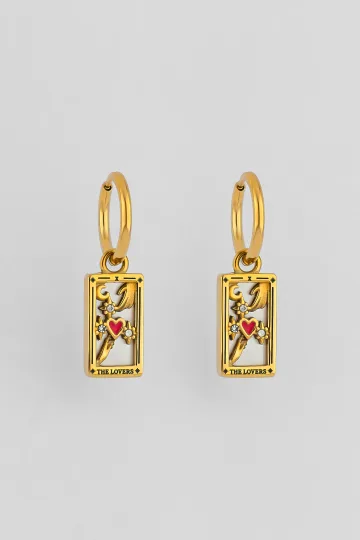
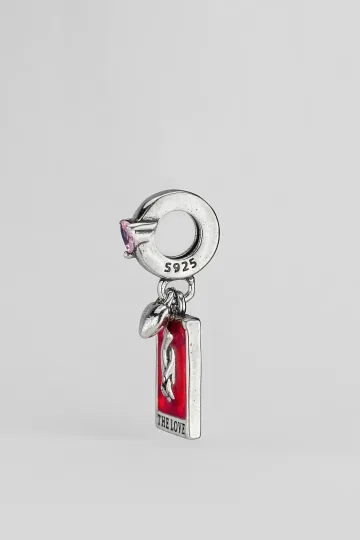
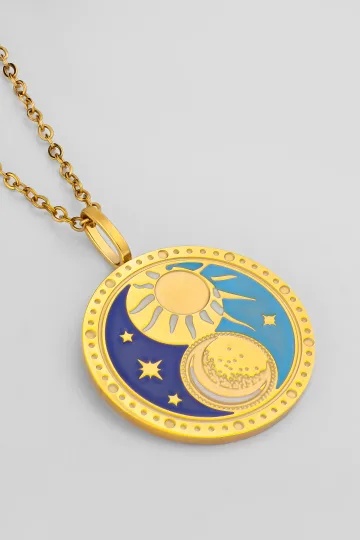
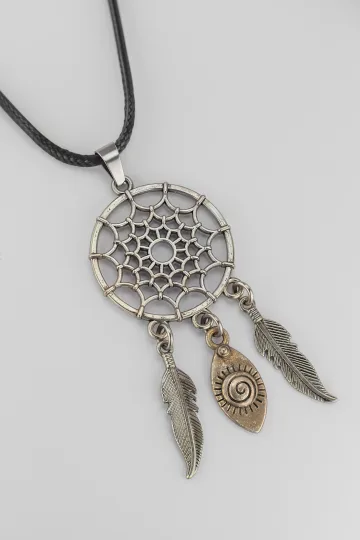
Wear the symbol, don't just read about it. These are in stock:
Jewelry by Instrument: Practical Constraints
A short section, but an important one. A piece that is beautiful in the abstract can be the wrong gift for this particular player, because their hands have non-negotiable jobs to do.
Violinists and Violists
Rings on the left hand are out during play; they physically block the fingers from pressing the strings cleanly. Earrings, pendants, rings on the right hand, a bracelet on the right wrist are all fully available. The near-ideal gift here is a pendant or a pair of earrings, neither of which touches the working hand.
Pianists and Keyboard Players
Rings are technically wearable, but many pianists slip them off before playing, not because they must but because the tactile feel of the key matters more than the metal on the finger. Bracelets that catch the lid or chime as the hand travels along the keyboard are a distraction. Earrings and pendants are completely free.
Guitarists
For acoustic and classical guitarists, a ring on the picking hand can interfere with the strings. For electric players there is more slack. A pick charm on a chain, a small guitar or plectrum pendant: a guitarist reads that symbolism instantly as their own, no caption required.
Drummers
Bracelets on the wrist can rattle, knock against the kit, or muddy the tactile read of the stick. Many drummers strip down to almost nothing while playing for exactly this reason. Pendants and earrings, on the other hand, stay out of the way and work well.
Wind Players
Flutists, oboists, clarinettists: their main constraint is hand articulation, so bulky rings and wide bracelets are poor choices. Pendants, earrings, and slim rings are all comfortable and unobtrusive.
Vocalists
Near-total freedom. A singer holds no instrument and presses no keys. A large pendant at the neck is fine, as long as it does not swing into the way during energetic movement, and some singers do remove long chains before a set. Earrings, bracelets, rings come with essentially no limits, which is why singers make such generous recipients.
Music Symbols in Jewelry: What to Choose and What It Means
A detailed breakdown of the symbols themselves lives in our guide to music symbols in jewelry. Here the focus is what to weigh when choosing a gift, and why one symbol beats another in a given situation.
When jewelry is the gift, it helps to split musical symbolism into two types. The first type reads to a broad audience: a treble clef, a note, a guitar. Anyone who has held an instrument or seen a sheet of music will get it. The second type reads only to the initiated: a pick, a bass clef, a specific articulation mark lifted from a score. These work as an inside code among players.
The distinction is practical. If you know the musician well, the second type lands harder and means more. If all you know is "they play something," the first type is the safer bet, because it will not misfire.
Treble Clef
The most recognizable music symbol there is, legible to musicians and non-musicians alike. It functions as a universal sign of belonging to music while staying elegant in form: the curved vertical, the balance, the grace. Well suited to classical players, teachers, choristers, and anyone beginning a musical path. Its one weakness is that it can feel too universal for someone who wants a more personal mark.
Pick Charm
Specific and tribal. A pick means something only to the people who have used one. For a guitarist or bassist it is a badge of belonging. A pendant or bracelet charm in the shape of a pick lands well in rock, indie, and jazz contexts. Add engraving, an initial, a date, the word "play," and it sharpens further into something only that person carries.
Single Note
A small eighth or quarter note on a chain: minimal and yet unmistakable. It reads to anyone who ever studied music, which makes it ideal as a first piece, for a child starting school or an adult just discovering an instrument. It promises nothing complicated and asks for nothing in return.
Note Phrase Engraving
A level above the standard symbols. On the back of a pendant or the inside of a ring you can engrave specific notes: the opening bars of a sonata, the first figure of a nocturne, the theme of a beloved piece. It requires real knowledge of the recipient's musical world, and it makes a strong impression precisely because it proves that knowledge. Full detail in the engraving guide.
Tuning Fork Pendant
A tuning fork is an instrument of calibration, and in jewelry it carries exactly that meaning: precision, finding the true pitch, returning to yourself. An interesting pick for a musician who values accuracy and metaphor in equal measure. Unlike the treble clef it is not widely known as a symbol, which is its charm: it speaks about music only to those who already understand, and to everyone else it reads as a clean abstract shape.
Musical Staff
A short fragment of staff with a few notes, engraved across the surface of a pendant or bracelet. Decorative and meaningful at the same time, and it looks especially good on a wide silver cuff. If the notes on the staff spell out a recognizable melody, it stops being decoration and becomes a coded message that the wearer can choose to explain or keep to themselves.
Microphone and Guitar Miniature Pendants
Instrument miniatures form their own category and work by direct naming. A microphone for a vocalist. A small acoustic guitar for a folk or classical player. An electric guitar for a rocker. These pieces name the profession outright, without metaphor, and some people prefer exactly that: not a hint, but a plain statement of who they are.
Engraving Note Quotes: From Bach to a Bar You Played Yourself
Engraving specific musical phrases onto jewelry is its own level of personalization, one that few people think of and that lands with unusual accuracy.
The idea is simple. You take the opening of a well-known work and ask the engraver to reproduce the first few notes on the surface of the piece. A handful of examples carry real weight.
The opening of Beethoven's "Moonlight" sonata: C-sharp, C-sharp, C-sharp, E. One of the most recognizable beginnings in the history of keyboard music. Anyone who has studied piano knows those notes by heart, and seeing them on metal triggers instant recognition.
The opening of the C major prelude from Bach's "Well-Tempered Clavier": C, E, G, C, E. The five notes of the first arpeggio, the same figure that Charles Gounod later draped a melody over and turned into his "Ave Maria." For a musician who loves the mathematics and order of Bach, that is a private code.
The first bars of Ravel's "Boléro" are another candidate, since that insistent rhythmic figure is one of the few patterns that engraves cleanly as a short fragment. A famous fanfare or a well-worn standard can serve the same purpose.
But the most personal, and the strongest, is the opening of a piece the musician played themselves. The graduation work from a conservatory exam. The first song they ever wrote. The theme they performed at their first public concert. Those notes mean nothing to a stranger and everything to the one person they were chosen for.
Technically, engraving a note fragment needs surface area, so a wide bracelet or a larger pendant, and a capable engraver. Not every jeweler takes on this kind of work, but it is entirely doable. Details in the engraving guide.
Customer reviews
Zevira is a real jewellery shop. Genuine payments, deliveries and customer thank-yous.
🥰🥰🥰 gracias
Ok, ¡gracias! 🙂
Genre Differentiation: The Same Symbols Read Differently
Classical Musician
Restraint, academicism, depth. Fine silver, clean casting, detail held in the form rather than shouted. Nothing flashy. A treble clef in high polish, a slim note in strict execution, an engraved fragment of a score. For something less obvious, a brass or gilded clef in an early twentieth century style carries the right academic weight.
Rock and Metal Musician
Contrast, mass, character. Oxidized silver with deliberate dark patina, bold forms, symbols of force. A pick as a charm on a leather cord. A miniature electric guitar with real detail. A skull paired with a note. An ouroboros: the snake biting its own tail as an image of cyclical force and endless return to the instrument. These are not quiet pieces, and that is correct.
Jazz Musician
The jazz aesthetic is subtle: not academic rigor, not rock aggression. Something warm, with a history to it, a hint of club light. Bronze or oxidized silver in a warm tone. A pendant with a saxophone silhouette. A note on a chain with an aged finish. A little detail is welcome here, so long as nothing is overloaded.
Indie Musician
Indie values the off-center. Look for a form that is not the first obvious reference to music but, on a second look, turns out to be exactly right. An ouroboros as the creative cycle, the things that return. A sine wave as a recorded sound. An abstract take on a note. An unexpected metal. A combination that needs explaining is itself already a story.
Musicians Who Write Their Own Music
A subgroup that cuts across every genre: singer-songwriters, the people who both play and compose. For them a piece tied to their own work means the most: a pendant with the opening notes of their best song, an engraving of the date a written piece was first performed live. That is the difference between "you are a musician" and "you made something new," and for authors the second message matters more.
Orchestra and Ensemble Players
Players in orchestras and chamber groups often carry a particular pride of belonging: holding the line with twenty other people, sitting among the first violins, hearing your sound dissolve into a larger one. Jewelry that speaks to that membership without grandstanding works well for them. A slim treble clef in an academic style, silver without superfluous detail, something that reads as quiet allegiance.
Symbols Beyond the Obvious: Ouroboros, Infinity, the Tempo Loop
Not every piece for a musician needs to shout "music." Sometimes the best gifts work through less direct symbols that still describe a person's relationship to their work with precision.
Ouroboros
The snake biting its own tail is one of the oldest symbols of cyclicality. For a musician there is something exact in it: a rehearsal that loops back to the start, a theme developed and returned to, rhythm as repetition without end. A working musician who has spent hours on a single bar understands the image without a word of explanation. As a ring or pendant, the ouroboros speaks of the power of repetition, of value found in returning rather than only in pushing forward.
Infinity Symbol
The lemniscate, the figure eight lying on its side, is the infinity symbol in its purest form. For a musician it reads as an endless career, continuous sound, music as the thing that does not stop. A strong choice for a tour gift or for the moment someone commits to music as a real profession. It also carries love symbolism, which makes it apt as a gift from a partner: eternal music, eternal devotion, the same shape doing both jobs.
The Tempo and Rhythm Loop
Put the ouroboros and infinity together and you get the image of a closed loop of time. Drummers and the rhythm section often think of rhythm exactly that way: a bar that repeats, a beat that does not stop. A piece carrying this symbolism speaks about music from the side that the people who hold the groove actually inhabit.
For Those Beginning or Returning
There is a particular moment in a musician's life that rarely gets the right gift. Not a graduation, not a big concert, just a beginning: a first lesson at five, a return to the instrument after a ten-year gap, a decision to sign up for guitar lessons at forty. These are small starts, and they call for small but exact gestures.
A note or treble clef in this context carries not achievement but intention. "You are starting something that matters." For a child it becomes the first piece with a personal meaning attached. For an adult coming back to music, it is a quiet acknowledgment of the courage it takes to begin again. The infinity symbol works differently here than on a tour: not "an endless road ahead," but "your relationship to music never broke, even in the years you did not play." A fine distinction, and a real one.
Jewelry for Singers: A Category of Its Own
Vocalists earn their own section because their relationship to jewelry is unusual. A singer has no instrument in the hands. The instrument is the voice, the body, the stage. That means a singer's jewelry can be maximally expressive, with almost no practical limits.
What singers wear on stage, and why it matters for choosing a gift, breaks down by piece.
Pendants. A popular choice, with one caveat: an overly long chain with a heavy pendant can swing awkwardly during active movement. The ideal length depends on how the singer moves. A fine chain with a modest pendant is the safe universal.
Earrings. One of the main pieces for a vocalist on stage. Earrings catch the stage light, and they become part of the face and the image. For formal performance, delicate and not too long tends to win. For small rooms or an indie set, you can go larger.
Bracelets. If the singer gestures a lot, a bracelet becomes part of the motion. A silver bracelet with note symbolism, glimpsed during an expressive gesture, is a considered detail rather than an accident.
Rings. Total freedom. A singer can wear as many rings as they like on both hands, and for those who lean into it, symbolic rings become a recognizable part of the stage image.
For a vocalist, a microphone pendant is a direct and weighty statement: the voice is the instrument. A treble clef speaks to a connection with the musical tradition. A single note says, plainly, "I am a musician." Which one fits depends on how the singer sees themselves.
Jewelry for Pianists and Keyboard Players
Pianists are one of the largest classes of musicians, and they have specifics worth knowing.
Working a keyboard demands very precise finger and wrist motion. Many pianists remove rings before playing, not because it is forbidden but because the tactile feel of the key beats any metal on the finger. Bracelets that brush the lid or chime as the hand travels along the keyboard pull focus.
The strongest options for a pianist:
- Earrings of any size: pianists often sit in profile to the audience, so earrings read clearly.
- A pendant on a medium chain: not so short it touches the hands, not so long it lands on the keys when the player leans forward.
- Rings on the right hand for those who wear them, or on the left only when they do not interfere.
- A slim bracelet on the right wrist that stays clear of the lid.
Symbolism for a pianist: a treble clef as the universal classical sign, notes as a direct statement, miniature piano keys as a decorative element, a staff fragment engraved on a bracelet.
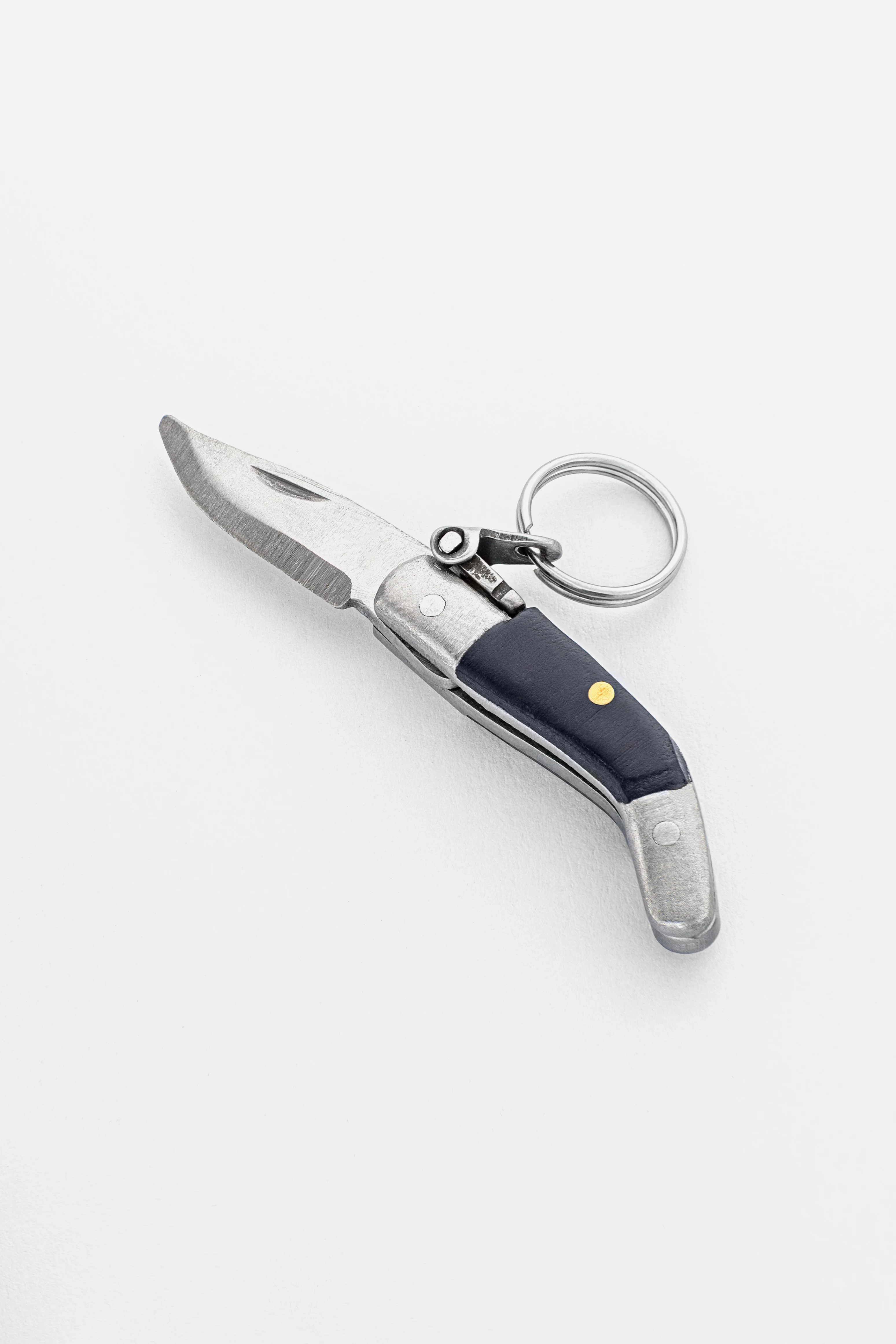
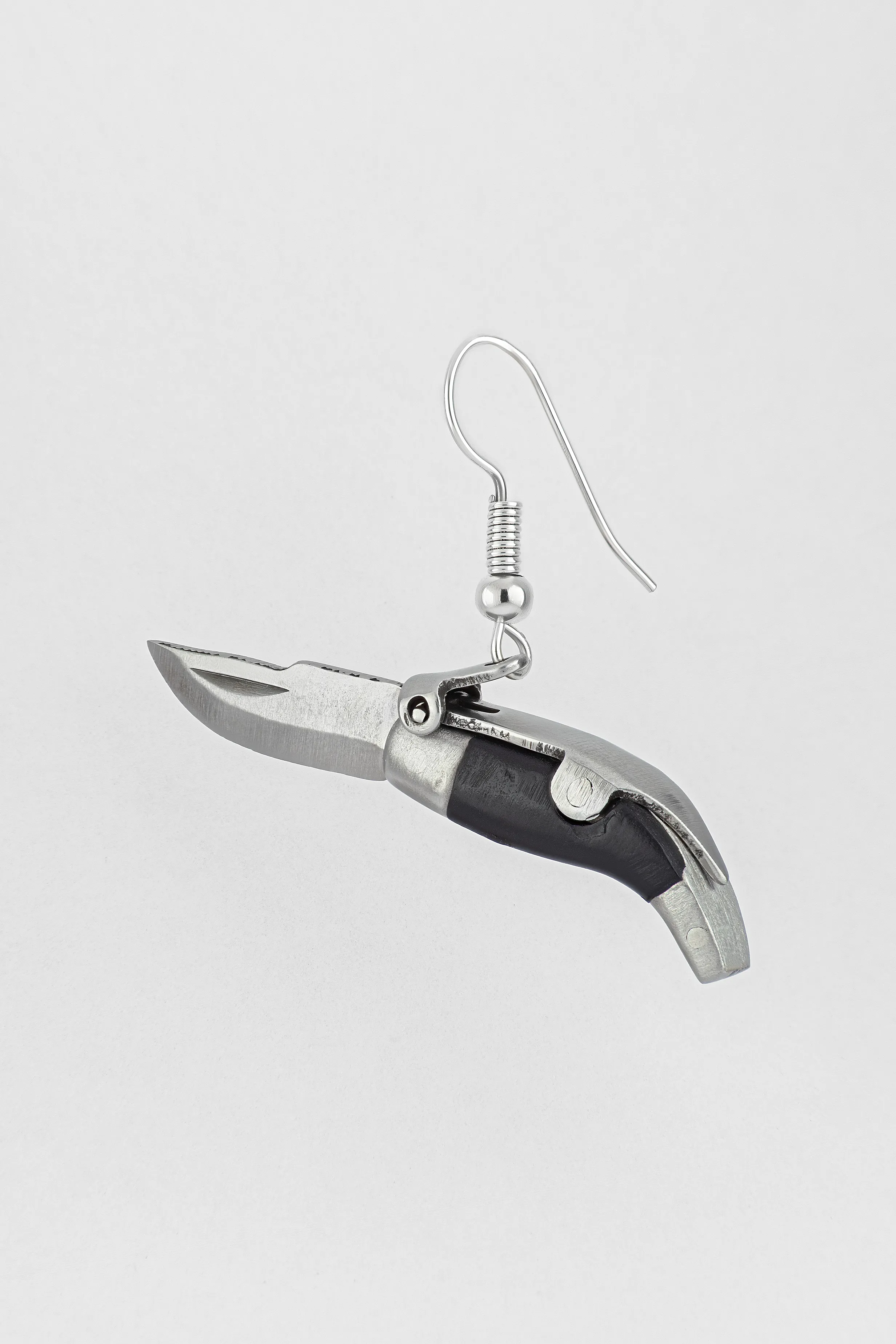
Artisan-crafted CAPAORA navaja pendant
A 40 mm stainless-steel navaja with a real folding mechanism and Palanquilla lock. An affordable gift to remember.
A code for blog readers:
10% off your first order
Authentic · Maker's guarantee · Ships from Spain
A Short History of Musical Jewelry
Jewelry with musical motifs is not an invention of recent years. Its history runs longer than it seems, and it is full of small surprises.
In medieval Europe, minstrels and troubadours wore jewelry that marked their standing at court. A silver pendant with a harp or a lute was a sign of the trade, a kind of identity document. Gold or silver indicated whose court you served, so the piece doubled as a credential.
In the nineteenth century, with the rise of Romanticism and concert culture, jewelry for musicians took on a new dimension. Admirers of Liszt and Paganini collected keepsakes tied to their idols, and the hysteria around a touring virtuoso was, by the standards of the day, genuine fan culture. Treble clefs on brooches and pendants became fashionable among music lovers and players alike.
The Victorian era brought sentimental jewelry with musical notes, given as a token of affection and friendship. A bar of music with the opening of a piece heard together, or learned as a duet, set into a locket split in two: that is a direct ancestor of today's engraving practice.
In the twentieth century, with the spread of rock and roll and pop culture, picks, guitars, and notes flooded into mass-produced jewelry. The underlying principle, though, was the same as it had been for the medieval minstrel: give the musician a symbol of the trade to wear on the body.
Engraving: How to Set a Date, a Melody, or a Dedication Into Metal
Engraving turns a beautiful object into a personal artifact. For a musical gift, that is especially true, because music itself is made of encoded marks on a page.
The date of a first concert. Simple and strong. "12.03.2026" on the back of a pendant. The person holds it and reads the numbers, and in ten years those numbers become archaeology.
The BPM of a favorite song. Unusual and exact. If the favorite track runs at 120 BPM, "120 BPM" on a pendant is an inside code only those who know will read.
The opening notes of a melody. Do, mi, sol, do, or in letter form C, E, G, C, on the inside of a bracelet. It requires knowing exactly which melody you want to encode.
A dedication from the band. If the gift comes from the whole band, the engraving can carry the band's name or its initials: a monogram, only collective.
A score marking. "Pianissimo," "Con fuoco," "A tempo": Italian remarks from notation that sound beautiful and carry meaning. "Very softly," "with fire," "in time": instruction and poetry at once.
Coordinates of a place tied to music. The coordinates of the hall where the first concert happened, or of the city where the first instrument was bought. A format that shows up more and more in personalized jewelry: modest, but very specific.
A phrase about music. You can skip the code and simply write something. "First album." "The year of music." "Your voice." Short phrases beat long ones, because they read in a single glance.
For more on how to order engraving, what fits on which pieces, and which typefaces hold up, see the jewelry engraving guide.
Music as Healing: For Those Who Return Through Sound
This is its own story and deserves its own paragraph. Some people lose music for a stretch, through illness, injury, or a hard turn in life, and then come back to it. Music therapy is a recognized medical discipline, and picking up an instrument after a long silence often arrives with intense emotion.
Jewelry given to such a person at the moment of return carries a double meaning: recognition of the road traveled (recovery, perseverance, return) and acceptance of identity (you are a musician again). A soft, unloud gesture. A light pendant with a note or treble clef means more here than its size suggests.
Music therapy is used in stroke rehabilitation, in work with anxiety disorders, in palliative care, and with children who have developmental differences. People who have been through it often describe the return to an instrument as the return of a part of themselves that seemed lost. A piece of jewelry marking that return is unusually precise in this situation, because it speaks to the part of the story that is hardest to put into words.
Leave your email, we'll send your discount code. No spam, unsubscribe anytime.
The code arrives by email, valid on your first order.
Jewelry as Part of the Stage Image
Many musicians deliberately fold jewelry into their stage presence. It is rarely an accident, and more often a considered choice.
For a classical player the stage image is strictly defined: black suits or tails, white blouses. Jewelry here serves as the single personal statement allowed inside a mandatory format. Earrings, a pendant, a bracelet on the right wrist, all visible from the seats, all saying something about the wearer beyond the printed program.
For a rock musician, jewelry is part of the stage manifesto. Bracelets, rings, chains, a pick on the neck: not accessories so much as an extension of the image and the stance.
For a jazz player, jewelry on stage creates exactly that club-evening atmosphere: something warm, with a past, not off an assembly line.
Giving a musician a piece with the thought "this will be on them when they perform" adds a layer of meaning. You give a beautiful object, and you give something that will be seen in the moment of performance, part of the very night that someone later writes up in a review or simply tells a friend about.
A Collective Gift for a Band Anniversary
A band marks ten years, or five, or twenty. It is a collective milestone, and the idea of giving every member something identical in different versions works well.
One form, different metals. Everyone gets the same design, but one in silver, one in gold, one in oxidized silver. The sameness underlines belonging to one team; the difference speaks to each person.
One form, different engravings. A single design, but each piece carries the name or initial of a member, optionally with the founding date. It reads as a personal mark inside a shared history.
Symbolism from the band's name or lyrics. If the band has a specific symbol, a logo, a letter, an image from the name, it can be translated into a jewelry motif. That takes custom work, but the result is one of a kind.
More on initials and monograms: the initials and monogram jewelry guide.
Modern Trends: Miniatures, Microphones, Headphones
Alongside the traditional music symbols, miniature pendants of specific objects have been steadily popular for the last several years.
Microphone pendant. For vocalists, podcasters, hosts. A miniature microphone on a chain reads instantly, and it works especially well for singers, for whom the voice is the instrument.
Instrument miniature. A small electric guitar, a grand piano, a trumpet. More literal symbolism that functions as a guild badge: the wearer is at once identified with the instrument. An exact choice when you know what they play.
Headphone pendant. For producers, sound engineers, DJs. Headphones are not a symbol of music in general but of a particular profession: working with sound behind the scenes.
A staff bracelet. A fragment of ruled staff with a few notes across a wide silver cuff. Decorative, recognizable, and roomy enough to carry an actual melody if you want one encoded.
A treble clef sits at the throat, not the belly, and one note at a time. A whole orchestra on a chain is bad taste, and I will not argue it.
What to Wear It With
After years of building both stage looks and everyday ones, I have put musical pendants into dozens of outfits. Here is what actually works, by occasion.
How do you wear a musical pendant every day? For everyday I suggest a fine note or a treble clef on a medium chain in silver. It sits calmly over a chunky knit, a basic tee, a flannel shirt, and reads as a personal detail rather than a declaration. The stricter the clothing, the more a single symbol stands out against the neutral ground.
And for the stage or an evening out? For the stage I choose something else. An open neckline and dark or deep-toned fabric give the pendant room, and a bolder form belongs here: oxidized silver with dark patina or a staff on a wide cuff. For a special occasion, a first solo concert or a conservatory graduation, I recommend a gold treble clef or a note in rose gold.
Can you layer musical pieces? Yes, musical pieces layer willingly. A thin note on a short chain and a clef a little lower is exactly what I suggest for indie and jazz styles. I mix metals on purpose: silver with a gold detail reads as a warm contrast, not an accident.
What should you consider for a specific instrument? I pick chain length to suit the movement. For an active singer or guitarist I recommend a short chain with a light pendant that stays out of the gestures. Note earrings plus a matching pendant I build into a set for anyone seen under the stage lights.
Silver or gold for daily wear? For daily wear I choose silver: it shrugs off rehearsals and scratches. I save gold for the evenings worth marking. That simple rule takes the doubt out of buying.

Turn on your camera, pick earrings, a pendant or a ring, and see the piece on yourself in real time.
Switch items in one tap.
Everything runs in your browser: no photo or video is ever uploaded.
A Gift for a Musician You Do Not Know Well
It happens: you need to give jewelry to a musician you only know in passing. A coworker, the partner of an old friend, your child's teacher whom you have barely met. You know only that the person plays, and maybe what.
In that case the strategy shifts. Instead of personal precision, you aim for professional precision.
Professional precision means this: you know the person plays violin, so a treble clef or a note is fitting. You know they sing in a choir, so a restrained treble clef is the right call. You know they are in a rock band, so a pick charm or oxidized silver with symbolism will be understood.
If you know nothing concrete about their music at all, the safest bet is a small note in a neutral finish or a treble clef. They read correctly in nearly any musical context. Not a deeply personal choice, but a fitting one, and fitting is enough when the relationship is light.
One more tip for this situation. Even when you do not know the person well, a short note with the gift, explaining briefly why you chose this, lifts the whole gesture. "I know you play, and this symbol felt right." That alone does the work.
Materials: The Brief Version
Musicians move a lot, and their jewelry leads an active life. Two paragraphs on the practical side.
Sterling silver 925 is durable, hypoallergenic, polishes back to shine when scratches appear, and is available across a wide price range. Oxidized silver with dark patina brings out relief detail, which matters especially for symbolic pendants. 14K gold barely tarnishes, reads as more formal, and suits the bigger occasions. Stainless steel is a sound choice for everyday wear, especially for people who sweat heavily during performance.
Avoid fragile inlays, enamel or decorative glass, for a musician who moves hard on stage. A solid cast silver or gold pendant survives a great deal. A leather cord stretches over time and needs replacing; a metal chain is more reliable for daily wear.
Silver or Gold: What Each Metal Says in a Musical Gift
This question is simpler than it looks, as long as you think about context rather than the raw value of the metal.
Silver, and sterling 925 first of all, is the metal of everyday closeness. It is worn daily, not babied, and it patinas over time into something more interesting. For a musician who wears a piece constantly, at rehearsals, at recording sessions, in ordinary life, silver is often the best choice. It takes the wear.
14K gold is the metal of formal moments. It goes on for the performance, the meeting, the special occasion. For a gift marking a first solo concert or a conservatory graduation, gold is fitting precisely for that formality. It says: this moment is serious.
Then there is oxidized silver, silver given a deliberate dark patina. It holds a special place in the rock and jazz aesthetic: a dark metal with character, neither shiny nor ordinary. For a pick charm or an ouroboros gifted to a rocker or a jazz player, it is often the best option available.
Rose gold, especially paired with musical symbolism, gives a lyrical, warm reading. A note or treble clef in rose gold for a vocalist or a young musician just starting out is a soft, exact image.
Five Common Mistakes When Choosing Jewelry for a Musician
Looking at the typical misses helps you avoid the situation where a gift turns out vaguely musical but somehow beside the point. A few stubborn myths have built up around musical jewelry, and it is worth clearing those before the practical errors.
Mistake one: buying something "about music in general" when the moment calls for something specific. A note pendant suits "any musician" in theory. In practice, a drummer who never reads notation and works by ear gets less from it than from a pick. Think about the person, not the topic.
Mistake two: ignoring the instrument when choosing a ring. A ring is a popular pick and, for many musicians, an excellent one. But a ring on the left hand is awkward for a violinist, and a pianist has to take one off before playing. Make sure you know how the person plays and with which hand.
Mistake three: choosing for size and beauty rather than meaning. "It is pretty and musical" is not the same as "it says something true about them." A musician's jewelry should know something about the person. If it knows nothing, it is just an ornament, not a gift.
Mistake four: forgetting about stage practice. Jewelry that rattles when the body moves, picks up noise in a microphone, or gets in the way of holding the instrument gets removed before a performance and then abandoned. A beautiful ring that cannot be worn while playing ends up in a box.
Mistake five: skipping personalization when it is available. Adding a date, a few notes, initials, or a name takes extra time and a concrete decision. But that is exactly what turns a generic piece into a unique artifact. Do not skip the step when you can take it.
Why Jewelry and the Musical Profession Resonate
There is something fundamental in the fact that jewelry and music pair so well as a gift theme. It is not a random overlap.
A musician pours something hard to name into the work. Skill and hours of practice, of course, but not only those. Something personal, intimate, often difficult to say out loud. For most serious players, music is not first of all a job, though it can also be one. It is a way of being in the world.
Jewelry as an object occupies a similar place. To its owner it is metal and stone with meaning poured into it. Meaning you can wear. A thing that sits quietly in a life and carries something that matters chiefly to the wearer.
That is why a piece with musical symbolism lands so precisely: two objects, both about the personal and the unsayable, line up. The jewelry speaks a language the musician already knows. When you give such a piece, you say: I understood that you have an inner language, and here is an object in it.
How to Present the Gift Well
Even the most exactly chosen piece can be handed over in a way that loses half its force, or in a way that adds to it.
If the piece carries engraving with a date or notes, explain at the handover what it says and why. Not because the person cannot work it out, but because your explanation becomes part of the object's story. "These are the opening notes of the piece you played last year" is a sentence they will recall every time they pick it up.
If the gift is tied to a specific event (a concert, a graduation, a first album), give it before or right after. Before, so they can wear it that evening. After, to seal the memory.
If you are unsure the form or size is exact, especially for a ring, leave room to swap it. An adjustable band that can be fitted beats a ring that will not go on. Most jewelers offer this option.
A small note with the piece, saying why this symbol, why now, and what the choice means to you, is not required, but when it is there, it doubles the weight of the gift.
Frequently Asked Questions
What jewelry should I give a violinist?
A pendant or earrings: no restrictions. Rings only on the right hand, since the left has to meet the fingerboard freely. A treble clef, a note, a fine pendant with a note phrase. To point at the specific instrument, a miniature violin or bow works well.
What jewelry suits a drummer?
Drummers tend to be minimalists with jewelry during play but wear everything offstage. A pick or note pendant, a bracelet with rhythm symbolism. An ouroboros, read as the eternal rhythmic cycle, is an excellent choice for someone who keeps time for a living.
How do I choose jewelry for a male musician?
Pendants on a leather cord or a thick chain, bracelets with symbolism, rings (except where the instrument rules them out). Oxidized silver, darker metal, and bolder forms beat thin and delicate ones. In rock, indie, and jazz, men wearing symbolic jewelry has been normal for a long time.
Can I give a musician a ring?
Yes, with awareness of their practice. String players do not wear rings on the left hand while playing. Pianists often take them off before sitting down. Vocalists and rhythm guitarists have almost no limits. If unsure, a pendant or earrings is the safer choice.
What does a pick charm mean as jewelry?
A pick charm is a guild badge for a guitarist: people who do not play will not know what it is. That is exactly why guitarists enjoy it. The signal lands with those who know, and the rest need no explanation. A good gift for a guitarist or bassist.
How do I personalize jewelry for a musician?
Several routes: engrave the date of the first concert or album, the opening notes of a meaningful melody, a band name or the BPM of a favorite song, initials, a dedication. Full detail in the jewelry engraving guide.
What should I give a child starting music school?
A small silver note or treble clef pendant on an adjustable chain, with no sharp edges. Plain sterling silver beats gold-plating for a child. The piece says: you are a musician now. For a six-year-old, that is a great deal.
What should I give a music teacher?
Jewelry with professional symbolism: a note, a treble clef, a staff fragment. Understated form, quality silver. Add a personal note with one specific memory from the student, and the piece becomes real rather than polite.
Send a friend a discount code, they save on their first order.
When a Musician Does Not Want to Talk About Their Profession
A less obvious but real scenario. Some musicians hold the music so privately that they have no wish to turn it into conversation with strangers. They do not want to explain what they play, where they perform, or why they are not more famous. They do not want a pick on the neck functioning as a small-talk starter.
For these people, the right symbolism is the kind that means something only to them. An ouroboros speaks of cyclicality, not of music. The infinity symbol speaks of a continuing path, not of a profession. The opening notes of a beloved piece engraved on the back of a pendant are visible only when the owner chooses to turn it over.
This is the introvert's jewelry. It says a great deal, but only to the people the wearer decides to tell. For musicians who keep the professional and the personal separate, it is an exact choice.
Jewelry as a Family Tradition Among Musicians
In families where several generations played, jewelry with musical symbolism sometimes passes down by inheritance or is given as a sign of continuing the line.
A pianist grandmother gives her granddaughter, newly enrolled in music school, the treble clef she wore from her own youth. A cellist father gives his son, just taking up guitar, a note pendant, saying, "Now you are a musician in this family too." A singer mother leaves her daughter the note bracelet she wore to every concert.
Gifts like these carry more than the jewelry. They pass down an identity. "We are musicians" becomes a family fact, now made solid in an object you can hold. If your family has such a story, a piece with a musical symbol for the next generation is a graceful gesture, and a thread in the family narrative.
Jewelry as a Language: When No Words Are Needed
There is a particular situation where jewelry speaks better than any sentence. A musician home after months on the road. A young violinist who has just played a first solo concert in a large hall. A singer who finally recorded the song she carried in her head for three years. A child trusted, for the first time, to play at the school concert rather than only listen.
In those moments the sum spent on the gift does not matter. What matters is that someone understood: something significant happened. Jewelry as a materialized "I saw, I know, this was important" says it precisely, and stays on the body as a constant reminder.
Musicians, especially those who have given most of their lives to it, often feel a gap between how much the work means to them and how much the people around them notice. A piece with a musical symbol, given at the right moment, closes that gap. It says: I understand that this is your life's work, in earnest.
What "the Right Metal" Means for a Musical Piece
There is no single correct metal for a musical gift. But each one sets a different tone for the conversation.
Plain sterling silver 925. The baseline. A neutral cool tone that sits well against the black-and-white palette of a concert image. Strong, hypoallergenic, easy to polish when scratches show. For a classical player and for a child's first piece, this is the optimal pick.
Oxidized sterling silver 925. The dark patina brings out relief and makes the form of a note or clef more expressive. It looks right in a rock or jazz context, in an autumnal palette. For those who value patina and character in their objects.
Yellow gold 14K. An academic, formal tone. Strong for occasions that call for weight: a conservatory graduation, a first professional contract, a performance in a major hall. The warmth of gold softens the strictness of musical symbolism.
Rose gold 14K. A modern, softer reading. A musical symbol in rose gold looks less academic and more lyrical. For vocalists, for a gift to a partner, for anyone who wants the piece as a personal object rather than a status marker.
To pull metals, symbols, and occasions into one picture, it helps to have a comparison in front of you.
Choosing the metal matters as much as choosing the symbol. The same note in oxidized silver and in rose gold makes two completely different offers.
How Not to Miss: One Simple Rule
There is a single rule that works almost every time. When you are unsure of the exact symbol or form, choose the thing that speaks most precisely about the recipient's instrument or genre, not the thing that is merely "pretty" or "musical in general."
A treble clef suits everyone, true. But a pick speaks more exactly to a guitarist. A small note speaks more exactly to a beginning pianist than something generic about music. A pendant with the opening notes of a specific piece speaks most exactly of all.
Precision beats beauty. Precision says: I know you. Beauty says: I spent money. The first stays in memory longer.
If you are genuinely unsure and afraid of missing, pick something that can be engraved and write something concrete about the recipient. A date. A name. The title of a song. Anything personal turns a generic object into a unique one.
Conclusion
Jewelry for a musician is good exactly when it knows who it is for. A violinist or a pianist, a rocker or a jazz player, a child or a teacher, someone at the moment of a great concert or a quiet personal victory: each of these calls for something of its own.
But across all the differences runs one shared truth: a musician lives in sound that vanishes. Jewelry stays. It holds a date no longer remembered in detail, keeps quiet about an evening that was special, and carries the mark of a moment that would otherwise dissolve into time.
That is exactly why it is given.
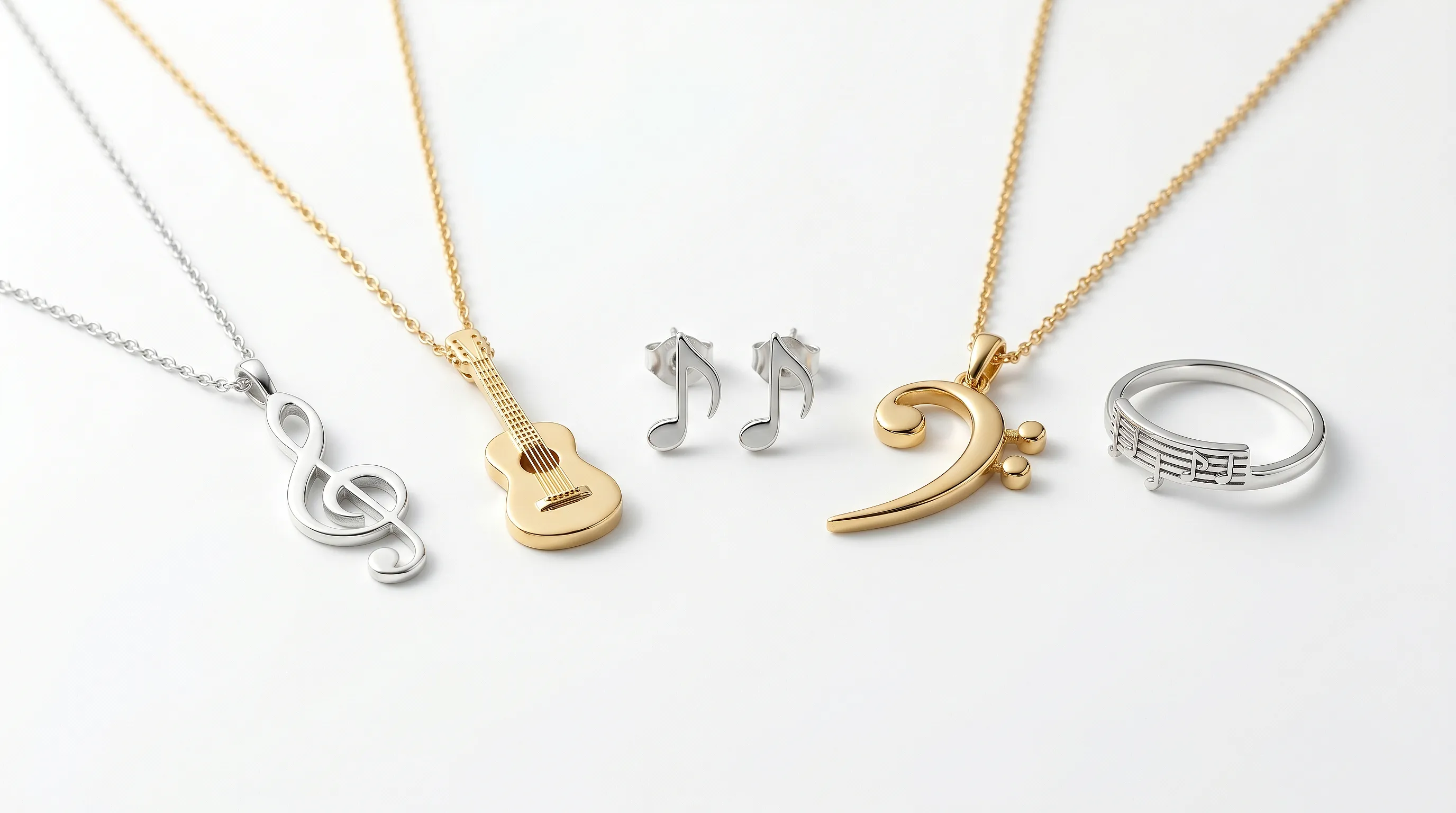
Treble clef, pick charm, notes, ouroboros, infinity symbol: handcrafted pieces in sterling silver 925 and 14K gold, with engraving available.
About Zevira
Zevira makes jewelry by hand in Albacete, Spain. Musical symbolism is one of the steady motifs in our collections.
What you can find here for a musician:
- Treble clef pendants in silver and gold
- A pick charm for a guitarist
- Note and note phrase pendants
- An ouroboros as a ring and a pendant
- The infinity symbol in various formats
- Bracelets with musical symbolism
- Engraving on any piece with your own text
Related reading: