Labradorite Jewellery: The Stone with Rainbow Fire, Meaning and Types
Introduction: The Aurora Borealis Captured in Stone
Labrador, Canada. 1770. Moravian missionaries travelling among Inuit settlements on the Labrador Peninsula encountered strange grey-black stones that flashed with peacock colours when turned in the light. Local tradition held that these were fragments of the Northern Lights, trapped in the rock by an Inuit shaman to shield them from malevolent spirits.
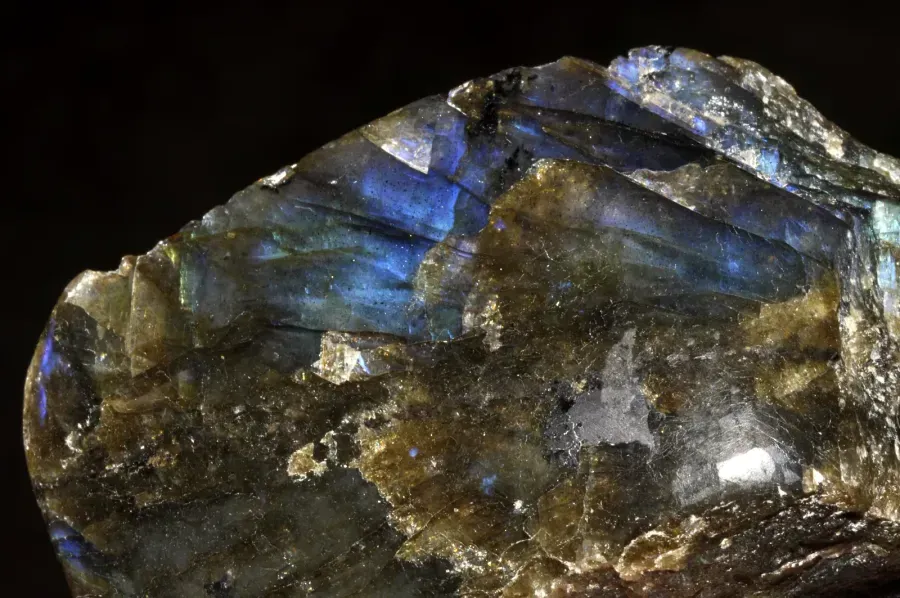
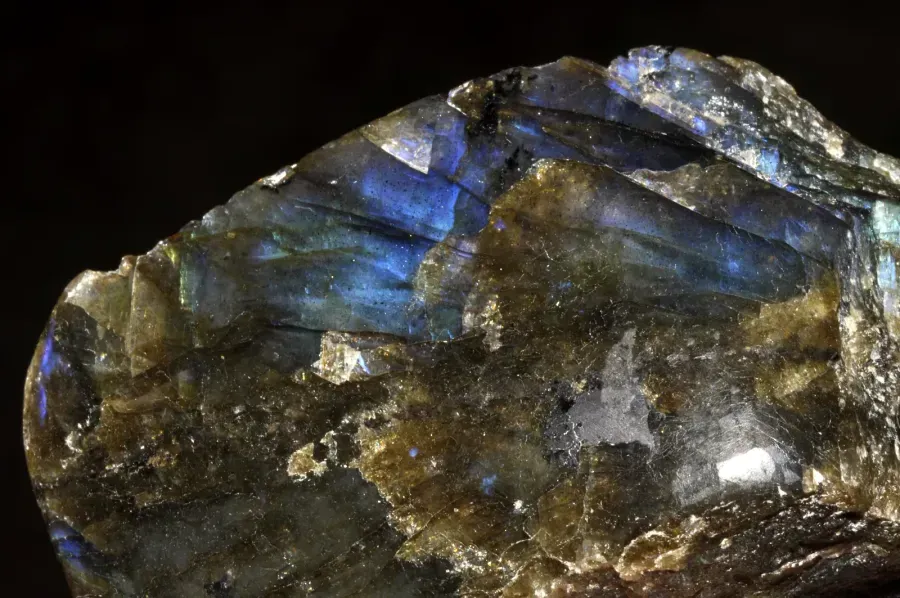
That discovery introduced labradorite to the wider world, and for more than two centuries this stone has remained the most visually arresting gemological find. Not in any metaphysical sense, but quite literally: the optical phenomenon known as labradorescence is genuinely astonishing. A stone can appear a dull grey one moment and then shift, suddenly, into blue, green, gold, violet or red depending on the angle of the light.
By the mid-nineteenth century, British mineralogists and gem dealers had taken a serious interest in the stone. The Geological Society of London catalogued specimens from Labrador and later from Finland, where an especially vivid variety was found in the 1940s and subsequently registered under the trade name spectrolite. That Finnish material remains the benchmark for colour intensity today.
In 2026, labradorite ranks among the three most searched gemstone terms globally, alongside moonstone and black tourmaline. Alternative bridal communities, wellness circles and the craft-jewellery market have all converged on it. This guide covers what labradorite is, how to assess it, what it is thought to represent, and how to choose the piece that suits you.
Labradorite Jewellery: What to Choose
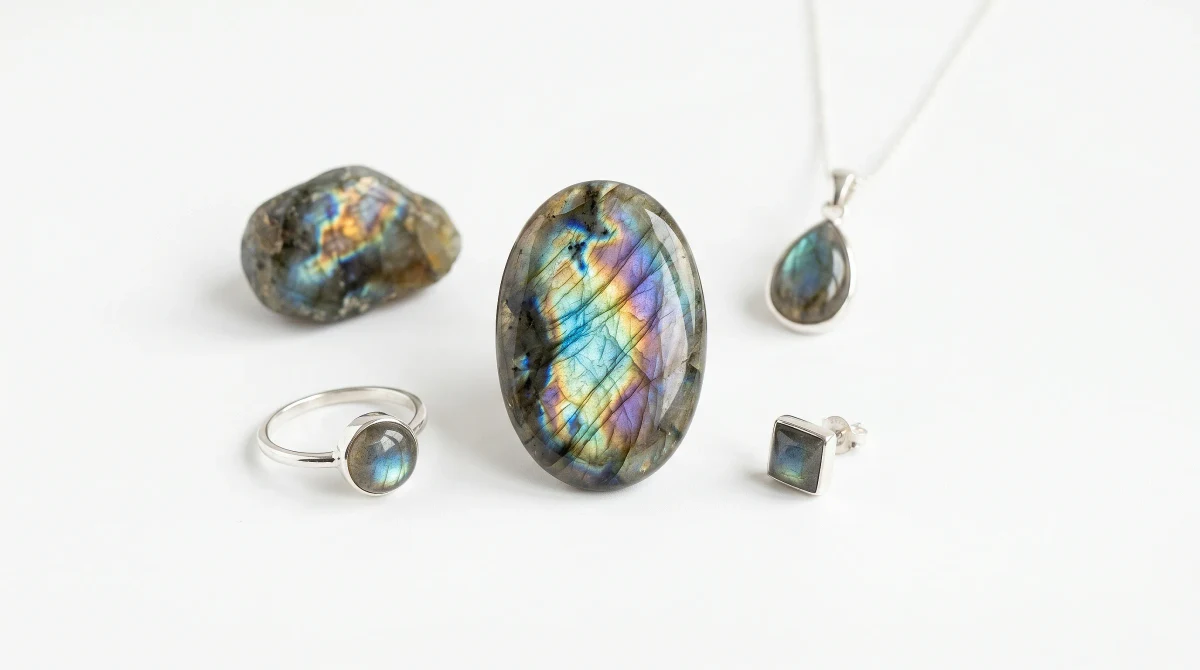
Rings with Labradorite
Rings are the principal showcase for the stone.
- Bezel-set ring with a large cabochon (12-18 mm): labradorite performs best in larger sizes where the colour play is clearly visible. Mid to premium segment.
- Freeform statement ring: irregular natural shape, bohemian aesthetic. Mid segment.
- Stacked rings with smaller labradorites: 6-8 mm stones in slim bands. Mid segment.
- Alternative engagement ring with labradorite: a dark, captivating flash in place of a diamond. Premium segment.
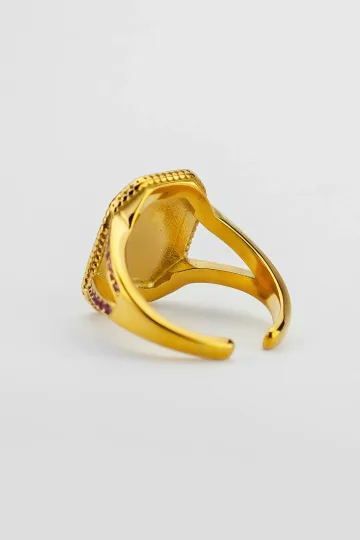
- Single-stone ring in a yellow-gold bezel: elegant minimalism. Premium segment.
Labradorite Earrings
- Drop earrings with elongated cabochons: a classic form; the stone catches light with every movement. Mid segment.
- Stud earrings, 8-10 mm cabochons: everyday wear. Budget to mid.
- Chandelier earrings: dramatic and striking. Mid to premium.
- Hoop earrings with small labradorites: contemporary minimalism. Mid segment.
Labradorite Pendants
- Simple cabochon on a chain: bohemian in spirit. Budget to mid.
- Large cabochon in a wire-wrapped setting: handcrafted, atmospheric. Budget to mid.
- Bezel-set pendant: modern minimalism. Mid segment.
- Teardrop labradorite in a gold setting: elegant. Mid to premium.
Labradorite Bracelets
- Bead bracelet: 8-10 mm round labradorites on elastic cord. Budget to mid.
- Tennis bracelet with cabochons: refined. Premium segment.
- Rigid bangle with a single central cabochon: a clear accent piece. Mid to premium.
Raw Labradorite
Often sold as a natural, unpolished stone for decorative or ritual use. Not strictly jewellery, but a related category.
Types of Labradorite
By Intensity of Colour Play
High flash (museum quality). Full rainbow spectrum, intense, visible at a distance. Most valuable. Premium to luxury segment.
Medium flash. Good colour play, typically one or two dominant colours. Mid to premium.
Weak flash. Faint and patchy. Budget segment.
No flash. Plain grey labradorite with no optical effect. Not used in jewellery.
By Flash Colour
Spectrolite: the Finnish trade variety with a full rainbow spectrum; synonymous with the strongest available flash.
Blue flash: pure blue spectrolite; the classic choice.
Golden flash: a warm gold tone; rare.
Rainbow flash: multicolour across the full spectrum.
Red flash: a red ground tone; uncommon.
Violet flash: particularly prized.
By Origin
Finnish (spectrolite). The most intense quality. The trade name has been registered since the 1940s.
Madagascan. The main commercial source. Good quality, accessible price point.
Canadian (Labrador). The historic source. Output is declining.
Russian (Kola Peninsula). Local production; variable quality.
Ukrainian. Was a significant source before 2022; supply has reduced.
Oregon, USA. A lighter-toned variety with a wide colour palette, popular with North American craft jewellers.
Indian. A growing source over the past decade, supplying mid-segment material in quantity.
By Form
Cabochon. A polished dome. The only practical cut for labradorite in jewellery (faceting does not enhance the optical effect).
Freeform. An irregular natural shape. Used in bohemian pieces.
Bead. Spherical, for bracelets. Often slightly matte, producing shimmer rather than full flash.
Raw. An unpolished fragment. For decorative and ritual use.
The Mineralogy: What Labradorite Actually Is
Labradorite belongs to the plagioclase group of feldspars, a continuous series of calcium-sodium aluminium silicates that runs between two end-members: albite (sodium-dominant) and anorthite (calcium-dominant). Labradorite sits in the middle of this series, at roughly 50 to 70 percent anorthite content. The group name plagioclase comes from the Greek for "oblique fracture," a reference to the stone's characteristic cleavage.
Feldspar is one of the most abundant mineral groups in the Earth's crust, but labradorite with pronounced labradorescence is a specific structural accident. During cooling, the mineral separates into alternating thin laminae of two slightly different feldspar compositions, each with a different refractive index. It is this sandwich of laminae, not any chemical colourant, that produces the optical effect.
The mineralogist Victor Goldschmidt coined the term labradorescence in 1908, though the phenomenon had been observed and described in earlier literature. The crystal classifier René-Just Haüy, considered the founder of modern crystallography, had systematically described feldspar optics in 1815. The German mineralogist Abraham Gottlob Werner, who founded the Freiberg school of mineralogy in the 1780s, laid the classification groundwork that made Haüy's later precision possible. Charles Lyell included labradorite in his Principles of Geology in the 1830s, distributing knowledge of the stone to an educated European readership well beyond the specialist mineralogy community.
Hardness on the Mohs scale is 6 to 6.5. Quartz, which is present in ordinary household dust, measures 7. This difference is practically significant: a labradorite cabochon exposed to dusty surfaces over time will develop fine scratches that gradually reduce the sharpness of the flash.
Rare Varieties
Spectrolite (Finland). The registered trade name for Finnish labradorite showing a complete rainbow spectrum simultaneously. Only Finnish origin qualifies for the name as commercially defined.
Andesine-labradorite. A variety with pink to copper-red flash, found in limited quantities. A contested category on the market: some specimens have been colour-treated, and buyers should ask for certification when the colour is unusually saturated.
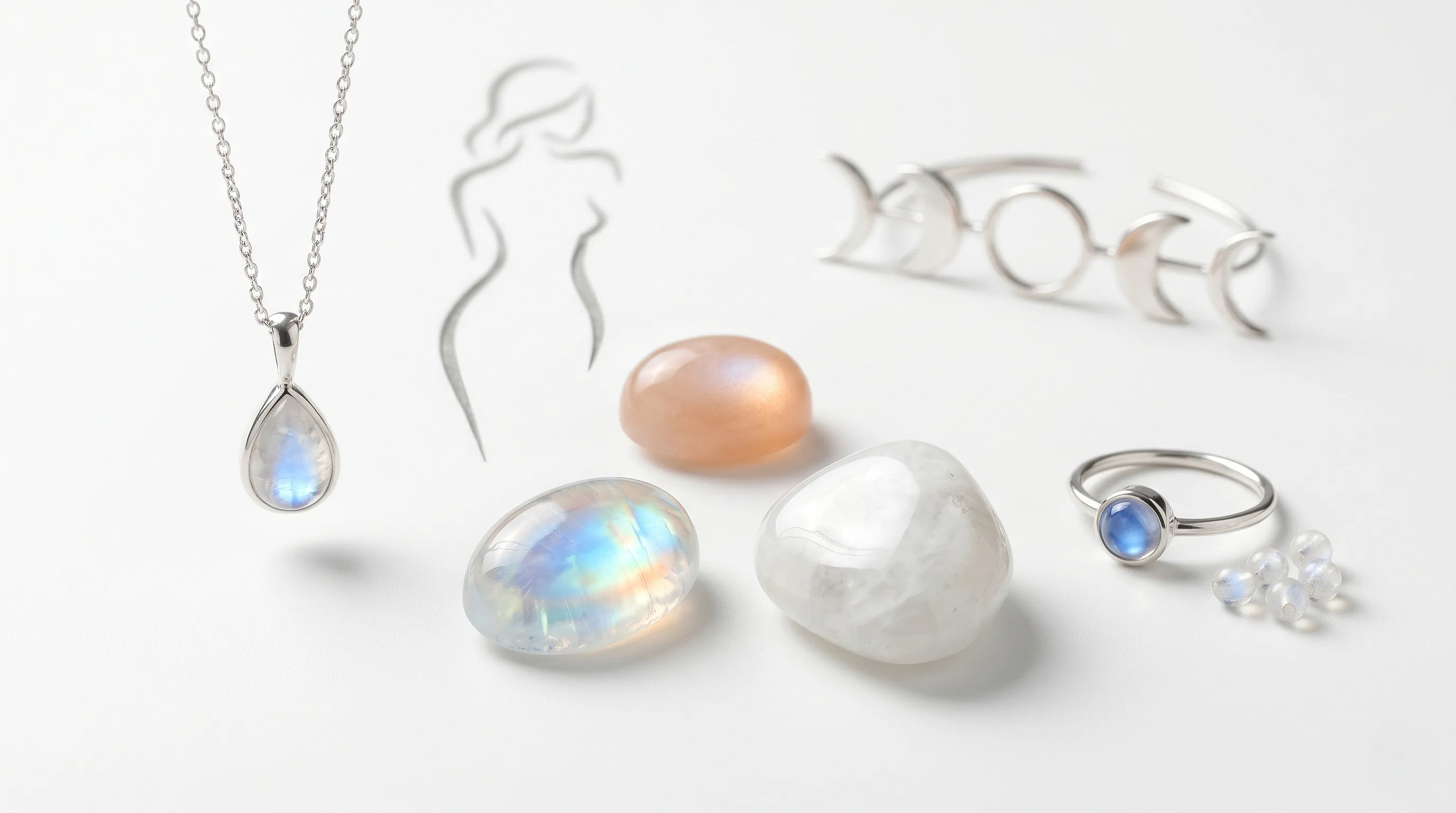
Rainbow moonstone. Technically white labradorite with a translucent body and a blue-to-rainbow adularescence. Sold as moonstone in trade, though mineralogically it belongs to the same feldspar family.
Black sun labradorite (Madagascar). An unusually dark body with vivid flash bursts. A collector's category rather than a standard commercial variety.
Cat's eye labradorite. Extremely rare. Chatoyancy (a light band) instead of a broad flash field. Only isolated specimens exist.
Customer reviews
Zevira is a real jewellery shop. Genuine payments, deliveries and customer thank-yous.
🥰🥰🥰 gracias
Ok, ¡gracias! 🙂
The Science of Labradorescence
The flash is an interference phenomenon, not a surface coating or dye. Inside the stone, alternating laminae of two compositionally distinct feldspar phases are stacked like sheets of glass with slightly different refractive indices. Each lamina is between 125 and 300 nanometres thick. When light enters the stone, it is partially reflected at each laminar boundary. Whether the reflected waves reinforce or cancel depends on their wavelength relative to the laminar thickness: waves whose wavelength matches the optical path length of the stack emerge reinforced, while others are suppressed. The result is a pure spectral colour: blue if the laminae are thin, gold or red if they are thicker.
Turn the stone and the geometry of the light path changes. The optical path through the stack changes, a different wavelength is reinforced, and the flash shifts colour or disappears entirely. This angle-dependence is what makes labradorescence different from the omnidirectional play-of-colour seen in opal, which arises from diffraction through silica spheres rather than from planar interference.
Opal and labradorite are sometimes confused by buyers, but the distinction is straightforward once understood: opal's colour plays in all directions and has a milky or jelly-like body; labradorite's colour plays from a specific angle and has a dark, opaque body. The physical mechanisms and the mineral families are entirely different.
How Labradorite Is Cut
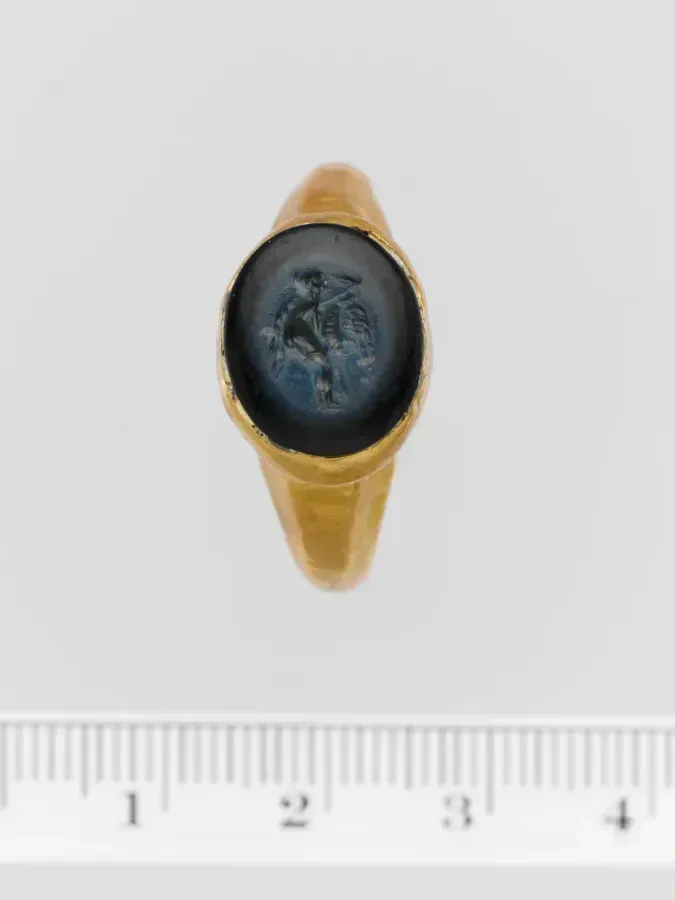
Orientation during cutting determines everything about the finished stone. The labradorescent laminae lie in a specific plane inside the rough. The gem cutter must identify this plane by rotating the rough under a directional light source and positioning the cabochon so that light entering from above strikes the laminae perpendicularly. A stone cut without this orientation may show only a faint stripe of flash or none at all.
The cabochon is the standard form. A smoothly convex dome focuses incoming light across the full face of the stone and presents the flash to the widest possible audience. Dome height matters: too flat and the flash condenses into a narrow stripe; too high and the intensity diminishes at the periphery.
Faceted cutting is occasionally used as an artistic decision but it is not standard. The facets break the surface uniformity required for coherent interference across the stone face, and labradorescence is largely lost. Some cutters use shallow rose-cut facets deliberately to create a fractured shimmer, but this is a design choice, not a quality indicator.
Tumbled and freeform stones retain their labradorescence if the orientation is reasonable, but the flash is less controlled than in a purpose-cut cabochon.
The gem-cutting tradition of Idar-Oberstein in Germany formalised these principles early. Cutters there recognised before most European workshops that labradorite required its own approach: find the flash plane first, build the dome around it, and sacrifice stone weight rather than flash quality.
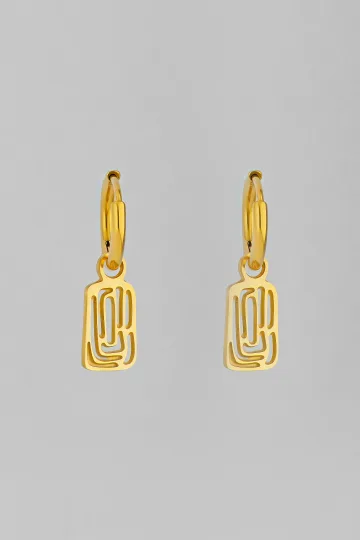
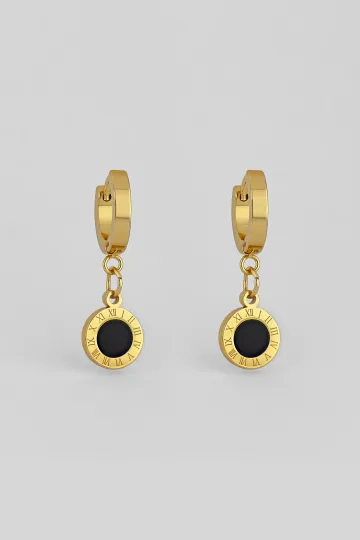
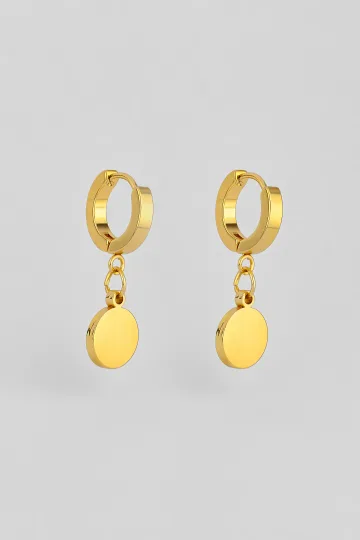
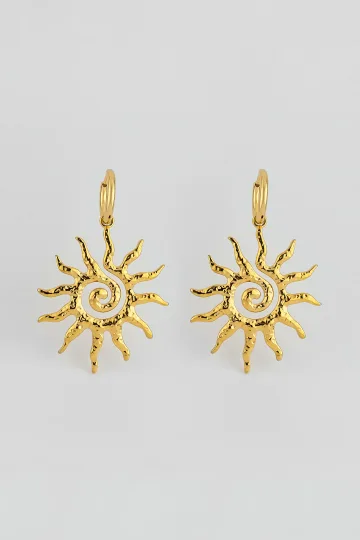
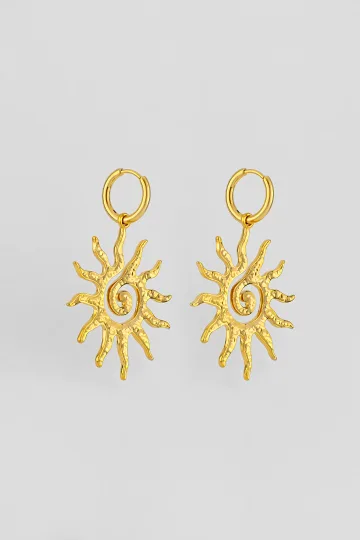
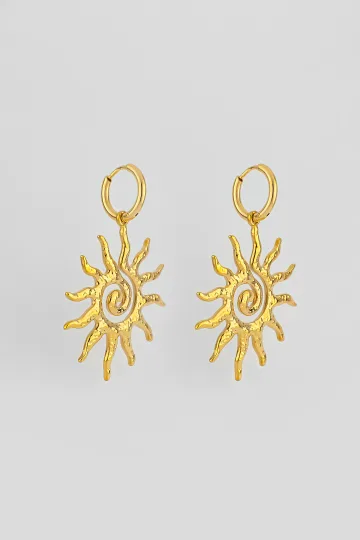
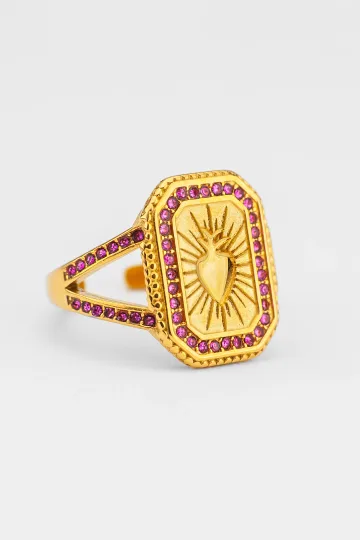
Wear the symbol, don't just read about it. These are in stock:
Where Labradorite Comes From
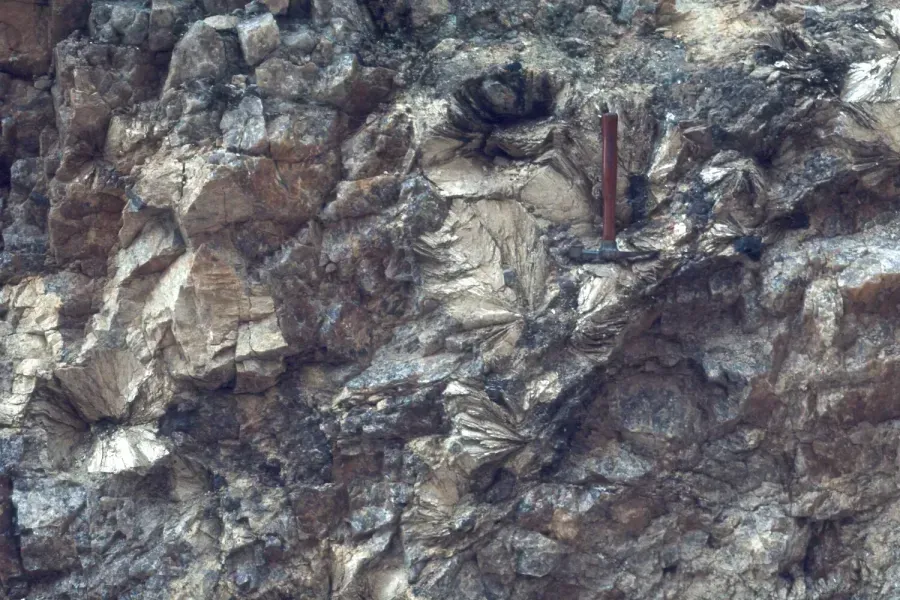
Canada (Labrador and Newfoundland)
The historic source and the stone's namesake. Large crystals with a dominant blue flash, often with secondary green. Commercial extraction has declined substantially; Canadian material is now a relatively scarce item at gem fairs compared to two decades ago.
Madagascar
Today the most important commercial source by volume. Material ranges from good mid-grade with solid blue-green flash to collector-quality pieces with near-spectrolite colour saturation. Accessible price point across a broad range of quality grades.
Finland (Ylämaa region)
Spectrolite. The benchmark for intensity. The deposit near Ylämaa in south-eastern Finland produces material that simultaneously shows the full visible spectrum. The Geological Survey of Finland confirmed this variety's uniqueness in the 1940s and the trade name was registered. The finest Finnish pieces are among the most expensive labradorites on the market.
Russia (Ural Mountains)
Ural production yields variable material; the best specimens have strong flash but the quality spread is wide. Currently supplying mid-segment material.
Oregon, USA
A lighter-ground variety sometimes marketed as rainbow labradorite. The transparent to semi-transparent body distinguishes it visually from the darker Canadian and Madagascan types. Popular in the North American craft jewellery market.
India
A rapidly growing supplier over the past decade. Large quantities of mid-segment material. Quality is consistent enough to supply commercial jewellery production.
How to Assess Labradorite
Labradorescence (the Flash)
The primary quality factor. The best labradorite:
- Displays a full rainbow spectrum
- Is visible at a distance of one to two metres
- Shows an even distribution, with no dark patches
- Covers most of the stone's surface rather than a narrow band
Lower quality: flash confined to a thin stripe visible only at a precise angle.
Body Colour
Grey to dark grey-black. The darker the ground, the stronger the contrast of the flash.
Transparency
Labradorite is not transparent. It is opaque to slightly translucent.
Cut
The cabochon is standard. A convex dome presents the colour play to its best advantage.
Size
Larger stones show the effect more clearly:
- 10 mm and above: flash readable from a normal viewing distance
- 15 mm and above: visually commanding
- 20 mm and above: collector grade
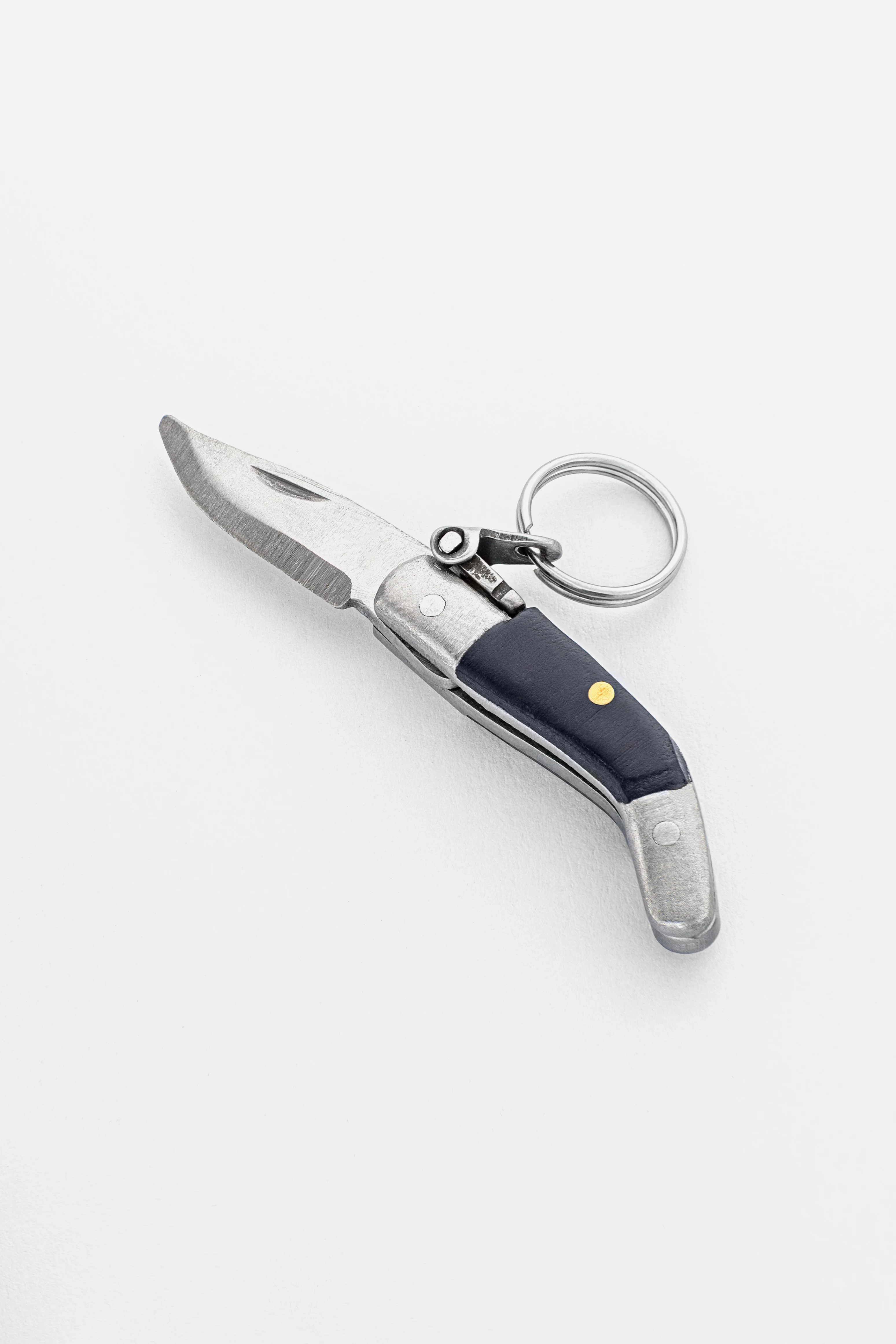
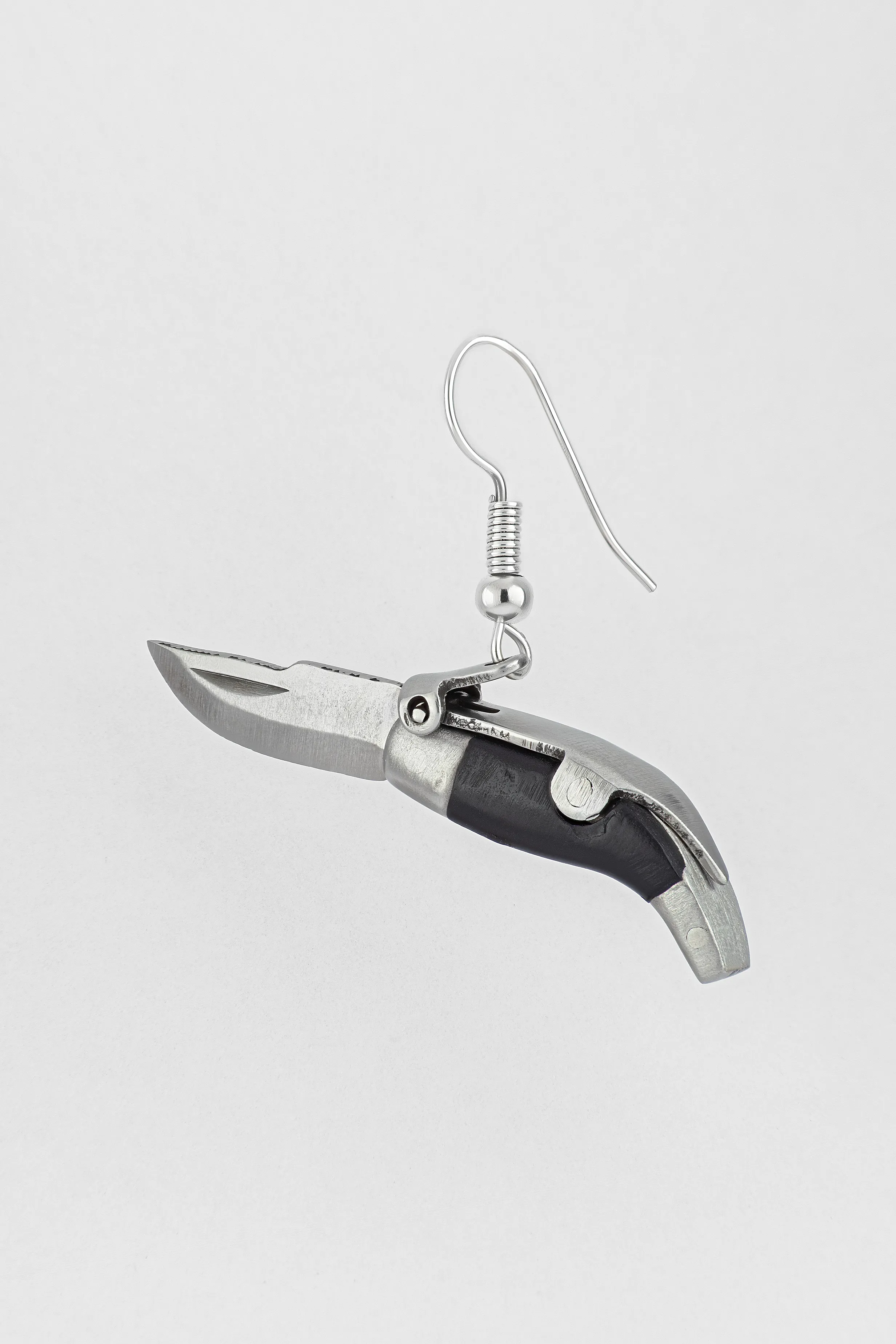
Artisan-crafted CAPAORA navaja pendant
A 40 mm stainless-steel navaja with a real folding mechanism and Palanquilla lock. An affordable gift to remember.
A code for blog readers:
10% off your first order
Authentic · Maker's guarantee · Ships from Spain
What Labradorite Is Thought to Represent
Transformation and Inner Change
In contemporary crystal culture, labradorite is widely described as a stone of transformation, associated with personal change during demanding periods of life. The visual metaphor is apt without requiring a metaphysical claim: a stone that looks unremarkable until seen from the right angle has an obvious resonance with the idea of hidden capacity.
The Northern Lights
The Inuit legend places the aurora borealis inside the stone. It functions as a symbol of wonder made tangible, a reminder that remarkable things can exist in the physical world. One version of the legend holds that a warrior struck the frozen aurora and freed most of the light into the sky, but some remained locked in the coastal rocks. Finnish folklore adds a parallel image: the stone fell from the night sky, a fragment of the stellar fabric. When the especially bright Ylämaa variety was found in the 1940s, the trade name spectrolite was partly a nod to this sky-stone tradition.
Protective Presence
In crystal-healing traditions, labradorite is said to protect the aura from external pressures and help prevent the energetic depletion that is often described by those in caring professions. These ideas rest on belief rather than scientific evidence, but many people find them meaningful. The Wiccan tradition, documented since the 1950s, incorporated labradorite as a stone of protection and intuition, giving the belief a modern but well-documented lineage.
Intuition and Inner Vision
Associated with the sixth chakra in those traditions. Thought to support intuition and inner clarity, particularly in meditative practices where the colour play of a held stone becomes a focus point.
A Stone for Thresholds
In Celtic and Scandinavian traditions, labradorite has been described as a stone of in-between spaces: visible and invisible, the ordinary and the extraordinary. It is often chosen by artists, therapists and others who work at the edge of different domains. The threshold metaphor is reinforced by the stone's own character: it exists between grey and colour, between opaque and lit, depending on the moment.
Self-Belief
A contemporary reading: labradorite is said to encourage the recognition of hidden abilities and strengthen confidence in one's own judgement. The metaphor is immediate, requiring no esoteric framework. The stone looks ordinary until it is seen correctly, and that observation maps naturally onto the idea of latent ability awaiting the right conditions.
Scorpio and Sagittarius
In astrological tradition, the stone is associated with Scorpio (transformation, depth) and Sagittarius (the quest for meaning, the long journey).
History of Labradorite
Inuit Tradition
Before European contact, Inuit communities on the Labrador Peninsula regarded the stone as embodying the Northern Lights. One version of the legend holds that a warrior struck the frozen aurora and freed most of the light into the sky, but some remained locked in the coastal rocks.
Labradorite was worn by shamans as a gateway between worlds. Unpolished pieces were placed in the graves of leaders as a form of protection. This is one of the very few cases in gemological folklore where the legend directly mirrors a physical property of the material: the stone does literally trap and release light.
European Discovery (1770)
Moravian missionaries brought specimens back from Labrador to Europe, where they were studied by mineralogists in Germany and Britain. The name labradorite derives directly from the location of discovery. German mineralogists, who had access to the Idar-Oberstein cutting tradition, began polishing specimens almost immediately.
The Nineteenth Century
Despite its striking appearance, labradorite remained a curiosity rather than a prestige stone in European fine jewellery during the nineteenth century. It appeared occasionally in brooches and pendants but was considered interesting rather than distinguished. The scientific community paid close attention: it was studied by Werner's students, catalogued by Haüy's contemporaries, and documented by Lyell. Commercial demand, however, remained limited relative to the stone's visual drama.
Finnish Spectrolite (1940s)
Finnish geologists identified a labradorite deposit near Ylämaa with particularly intense colour play. The Geological Survey of Finland confirmed its extraordinary quality and the name spectrolite was registered, quickly becoming closely associated with Finnish national craft jewellery. Finnish artisans developed setting techniques suited to the stone's strong flash and dark body.
The 1990s to 2000s: New Age Interest
Crystal-healing literature brought labradorite to a wider audience as a stone of magic and inner transformation. It became a staple of alternative jewellery makers. The Wiccan community's published tradition of stone attributes, which by this period had a substantial print bibliography, gave labradorite a documented role as a protective stone.
2010s: Bohemian and Festival Aesthetics
Festival fashion and yoga retreats drove labradorite into mainstream independent jewellery design. Many craft jewellers built their identity around the stone. Short-form video communities accelerated the aesthetic, and labradorite appeared consistently in visual vocabularies associated with witchcraft-adjacent spirituality.
2020 to 2026: The Mystical Revival
Alternative bridal communities, wellness movements and craft-jewellery platforms have positioned labradorite as one of the defining gemstones of the mid-2020s. Trade analysts have noted its consistent upward trend in search and sales data. The stone has moved from a niche alternative to a mainstream choice within the independent jewellery market.
Labradorite is a grey pebble until it catches the light. Wear it against black, not a limp beige, and do not argue.
How to Wear Labradorite
After years of working with difficult stones, labradorite is still one of the most temperamental and most rewarding on my bench. Here is what actually works, sorted by occasion.
What do I wear labradorite with every day? For daily wear I recommend a 10 to 12 mm cabochon on a mid-length chain over plain knitwear or a basic shirt. A grey, graphite or navy base works best: against that ground the flash reads instead of drowning. I suggest keeping everything around the stone calm, since it carries the look on its own.
Is it right for the office? Yes. For a business code I choose a single-stone ring in a closed bezel or cabochon studs in silver or white gold. They throw a spark of colour as your hand moves, yet never argue with a strict top. The sharper the outfit, the fewer pieces I add around it.
How do I build an evening look? For evening I suggest drop earrings and an open neckline in a deep black. With every turn of the head the stone flares blue and green, and that reads louder than any scatter of rhinestones. For a special occasion I take one large cabochon, 15 mm and up, in a ring or a collar, and leave the ears almost bare so the eye goes to a single focus.
Which metal should follow the flash? I match the metal to the flash I want. For blue and green I recommend white gold or silver; for gold and violet, yellow gold. For a dark, gothic or vintage mood I choose oxidised silver, which deepens the contrast. A mirror polish fights the matte shimmer, so a brushed or aged surface usually wins.
Who does labradorite actually suit? Anyone who likes depth and mystery in a look rather than open sparkle. Two rules that never fail. First: in a stack of rings or a set of chains, keep labradorite as the soloist and make its neighbours thin and plain. Second: remember movement, the livelier the form, the more often the flash fires.

Turn on your camera, pick earrings, a pendant or a ring, and see the piece on yourself in real time.
Switch items in one tap.
Everything runs in your browser: no photo or video is ever uploaded.
Who Labradorite Suits
Scorpios and Sagittarians (astrologically). Signs associated with depth and enquiry.
Therapists, counsellors and coaches. A stone described as protective for those who work closely with others' emotions.
Artists and creative practitioners. Associated with intuition and the flow of inspiration.
Empaths and those who feel things deeply. Said to help preserve personal energy.
During times of transition. Separation, relocation, career change, any significant threshold.
Those drawn to mystical aesthetics. Central to the visual language of the alternative spiritual communities.
Brides seeking a non-traditional engagement ring. A dark, enigmatic alternative to the diamond.
Scandinavians and Finns. Spectrolite is considered a national gemstone of Finland.
People fascinated by the aurora borealis. The visual connection is immediate and obvious.
As a gift for those who work with crystals. The principal stone of transformation in that tradition.
Leave your email, we'll send your discount code. No spam, unsubscribe anytime.
The code arrives by email, valid on your first order.
Labradorite for an Engagement Ring
An increasingly popular choice for couples who want something distinctive.
In its favour
- Genuinely unique (not the expected diamond)
- Carries a particular symbolic weight
- More accessible in price than a comparable diamond
- Immediately recognisable by its colour play
Worth knowing
- Hardness of 6 to 6.5 on the Mohs scale; softer than many everyday materials and needs a protective bezel setting
- Can be scratched by harder stones and metals
- Not an investment stone in the financial sense
- Not a traditional choice; some family members may have reservations
Practical recommendations
- A bezel setting is essential to protect the stone
- 10 to 14 mm is the optimal size: visible flash and practical for daily wear
- White gold or yellow gold both complement it; rose gold is a neutral option
- A full-metal setting, not claw prongs
- For daily wear, consider removing the ring during manual work, exercise and sleep
How to Tell Genuine Labradorite from Imitations
From Glass
- Flash: natural labradorescence cannot be accurately reproduced in glass or synthetic materials. A glass imitation may have colour swirled into it, but the colour will be visible from all angles rather than appearing and disappearing with rotation
- Weight: natural stone is noticeably heavier than glass of the same size
- Temperature: natural stone stays cool to the touch longer; glass warms in the hand within seconds
- Hardness: labradorite is 6 to 6.5 on the Mohs scale; glass is softer and scratches more easily
From Dyed or Treated Material
Some lower-grade material, particularly andesine-labradorite, has been reported in the trade as colour-treated to enhance pink or red flash. The treated colour tends to look unnaturally uniform and does not shift with rotation in the way natural labradorescence does. For any stone with unusual or very saturated colour, ask for a laboratory certificate specifying "no enhancement."
From Spectrolite
Finnish spectrolite is a genuine premium grade of labradorite. The trade name is registered. Material sold as spectrolite but originating outside Finland is often of lower quality; confirm origin where possible. Legitimate Finnish spectrolite dealers will provide provenance documentation.
From Opal
The two are occasionally confused. Opal produces a play of colour through microscopic silica spheres; labradorite produces its effect through thin mineral plates (a feldspar structure). The mechanisms and the minerals are different. Opal's colour appears omnidirectionally; labradorite's flash has a defined angle of maximum intensity and disappears when the stone is turned away from that angle.
Certificates
For higher-value purchases, a certificate from GIA, IGI or HRD is the appropriate assurance. The certificate should specify the mineral species (labradorite), origin where known, and confirm the absence of enhancement treatments.
Care
Labradorite is a moderately hard stone (6 to 6.5 on the Mohs scale) and requires some care.
What is fine
- Warm water with a mild soap and a soft brush
- A soft cloth for polishing
- Daily wear with reasonable care
What to avoid
- Ultrasonic cleaning (the vibration can cause splitting along cleavage planes, which in labradorite are quite pronounced)
- Steam cleaning
- Impact against hard surfaces (corners and edges are the most vulnerable points)
- Prolonged direct sunlight (can cause gradual fading of polish and surface micro-stress)
- Abrasive cleaning cloths or any cleaning product containing grit
Cleavage
Labradorite has two cleavage directions, both well-developed, at approximately 90 degrees to each other. This is the feldspar family's characteristic. A sharp blow at the wrong angle can split a stone cleanly along these planes. The risk is higher for freeform and cabochon stones in claw or prong settings than for those in full bezel mounts that protect the edges.
Storage
Keep apart from harder stones (diamond, sapphire, ruby). Store in soft cloth or a separate compartment. Stones stored loose in a jewellery box will rub against each other; the harder stones will scratch labradorite's polish over time.
Labradorite with Other Stones
Popular combinations in crystal culture:
- With moonstone: both belong to the feldspar family and share an internal play of light, which makes them a natural visual and symbolic pairing. Moonstone's adularescence is softer and milky-cool; labradorite's is directional and chromatic. Together they create a conversation between light qualities
- With black tourmaline: the classic protective duo, where the schorl grounds and the labradorite carries the colour
- With clear quartz: said to amplify the properties of other stones
- With amethyst: spiritual awareness
- With rose quartz: warmth and transformation together
- With haematite: grounding energy alongside the mystical quality
- With selenite: light and mystery in counterpoint
Send a friend a discount code, they save on their first order.
Frequently Asked Questions
What is labradorescence?
The optical effect specific to labradorite: light interferes as it passes through microscopic mineral plates inside the stone, producing spectral colours (the rainbow flash) that shift with the viewing angle. The phenomenon requires a specific internal structure, not any chemical pigment. It cannot be replicated exactly in glass, resin or synthetic stone.
What is the most valuable flash colour in labradorite?
A full rainbow spectrum (spectrolite quality) is the most prized overall. Among single colours, violet is the rarest, blue is the classic choice, and golden is uncommon. Red flash is also rare and collectable.
Why is labradorite so prominent in 2026?
Several trends have converged: interest in mystical wellness, the aesthetic of alternative spiritual communities, the growth of non-traditional bridal jewellery, and a broader shift towards organic materials and natural stones. The stone's strong visual identity across photography and video platforms has amplified all of these.
Is labradorite suitable for an engagement ring?
Yes, with the right setting. A bezel mount is essential to protect the stone. A cabochon of 10 to 14 mm, in yellow or white gold, is the recommended combination. Mid segment. Remove the ring during physical work and sport to extend its lifespan.
Is labradorite the same as rainbow moonstone?
Rainbow moonstone is technically white labradorite. The trade distinction is: moonstone is white and semi-translucent with a blue or rainbow sheen; labradorite is dark grey and opaque with a broader colour play. Both belong to the plagioclase feldspar group. The separation is a commercial convention, not a strict mineralogical boundary.
Does labradorite break easily?
It is a moderately soft stone with well-developed cleavage. It can chip or crack under sharp impact, particularly at corners and edges. Daily wear is possible with appropriate care and a protective setting. It is not fragile in normal use; the risk comes from impact rather than ordinary wear.
Can labradorite be worn in the shower?
Not recommended. Regular exposure to water and soap can, over time, reduce the quality of the polish. Hard water deposits can also accumulate on the surface and dull the appearance of the flash.
Where should one buy quality labradorite?
Finnish jewellery makers who specialise in spectrolite are a reliable source for the highest grades. Independent craft jewellers with transparent sourcing and verifiable provenance are preferable to anonymous mass-market listings. For premium pieces, a certificate from a recognised gemological laboratory is worth requesting.
What does labradorite cost?
Pricing depends on size, flash intensity and metal. Bead bracelets sit at the accessible end. A silver ring with a 10-12 mm cabochon is mid segment. Gold with a strong spectrolite stone moves into mid-premium. Labradorite is rarely found in the luxury investment tier; that is not its market.
Does labradorite need to be charged?
In crystal tradition: yes, by sunlight or moonlight. Labradorite is sometimes said to be self-renewing because of its continuous optical activity. The conventional recommendation is the full moon. Avoid prolonged direct sunlight for care reasons: the practice of moonlight charging suits the stone's maintenance requirements better.
Can labradorite be worn every day?
Yes, with some precautions. Hardness of 6 to 6.5 means that keys in a pocket, denim seams or rough countertops can scratch the polished cabochon over time. Practical rules: wear a labradorite ring in a full bezel setting rather than prongs; remove it for manual work; store it separately from harder jewellery.
Is there an allergy risk with labradorite?
No allergy to the mineral itself has been documented. Any skin reactions associated with wearing the stone are almost always traceable to the metal setting: nickel in budget alloys is the most common cause. Those with sensitive skin should choose 925 silver or 14-karat gold without nickel content.
Notable Labradorites
The Finnish spectrolite crown: a ceremonial piece held in Finland, set with large, intensely coloured labradorites from Finnish deposits.
The Labrador Rose: a 145-carat stone with strong rainbow flash in a private collection.
Historical speculation: some mineralogists have noted, with appropriate caution, that stones described as "star stones" in ancient accounts may have been labradorite, though the mineral was formally identified only in 1770. Alexander the Great's legendary "star stone" talisman is one reference that circulates in gem folklore, though no historical evidence connects it definitively to any specific mineral.
Building a Labradorite Collection
Entry level
One pendant or ring with a 10 mm cabochon in silver. Bohemian aesthetic. Mid segment.
Intermediate
- A statement ring in silver
- Drop earrings with teardrop cabochons
- A simple pendant on a fine chain
Mid segment overall.
Premium
- A Finnish spectrolite ring in 14-karat gold
- High-quality chandelier earrings
- An accent pendant necklace
- A rigid bangle with a central stone
Premium segment.
Mystical set
- Labradorite combined with moonstone and black tourmaline (the defining trio of 2026)
- Separate pieces designed to layer
Mid to premium segment.
Conclusion
Labradorite is a stone that photographs cannot fully capture. It requires physical presence. Hold it, turn it, and the grey stone ignites into a ribbon of colour: that moment explains why the Inuit read the aurora borealis in it.
The physics behind this is precise and well-understood: interference of light through nanometre-scale mineral laminae produces spectral colours that shift with geometry. The cultural meanings that have accumulated around it, from Inuit shamanic tradition to Finnish national identity to contemporary crystal wellness, are all independent responses to the same undeniable optical fact. A stone with no colour that suddenly has colour is a genuinely strange and compelling object.
In 2026, labradorite sits at the centre of a significant shift in jewellery taste: away from purely conventional choices and towards stones with visual depth, symbolic resonance and a connection to the natural world. That shift appears to have momentum beyond the immediate trend cycle.
For those who want an engagement ring that departs from convention. For those drawn to the idea of a stone that protects and grounds. For artists and creative people. For anyone tired of predictable gemstones and looking for something genuinely singular. Labradorite answers the brief.
About Zevira
Zevira is based in Albacete, Spain. Labradorite is part of our collection of stones with symbolic depth, alongside moonstone, amethyst and other minerals with a long cultural history.
Available with labradorite:
- Alternative engagement rings with labradorite in place of a diamond
- Statement rings with large labradorite in silver
- Bohemian pendants with spectrolite (the premium grade)
- Drop earrings for evening wear
- Paired sets combining labradorite and moonstone
- Labradorite in oxidised silver settings for a darker aesthetic
All pieces are handmade, with personalised engraving available. We work in 925 silver and 14-18 karat gold.