Coral in Jewelry: History of a Sea Stone and Modern Jewelry
Three thousand years ago, ancient Roman sailors didn't just believe that coral saved lives in storms. They placed branches of red coral in port pockets as insurance. Centuries later, Queen Victoria of England wrote in her diary about the beauty of coral bracelets, which were given to celebrate the birth of children. And in the 19th century, European jewelers paid enormous sums for the right to trade in red coral from the Mediterranean Sea. This is not glass and not plastic. It is a living organism that grows in the ocean depths and transforms into jewelry that you can wear for a lifetime.
Coral in jewelry is a rare case where beauty, history, and ethics intertwine into one material. But wearing coral correctly, with an understanding of its uniqueness and fragility, requires learning.
History of Coral in Jewelry: From Amulet to Precious Stone
Origin: What Grows on the Ocean Floor
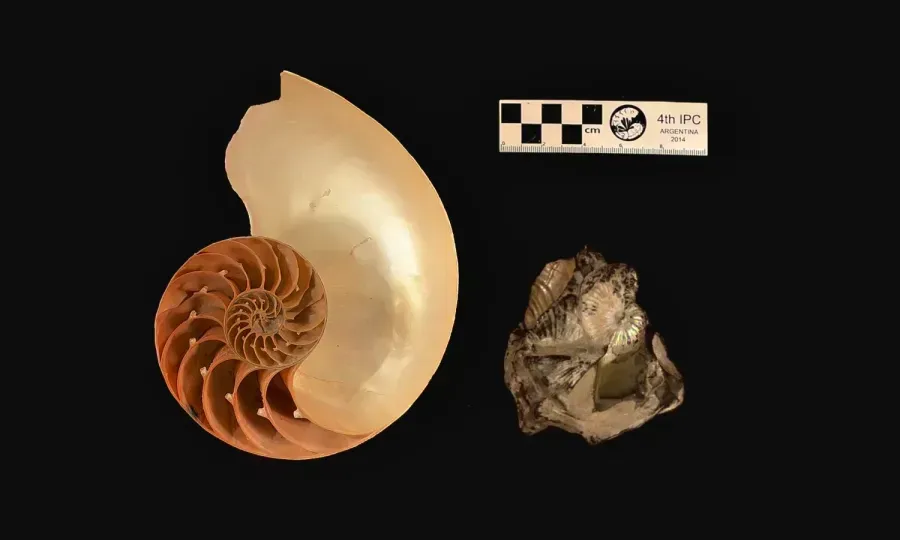
Coral is not a stone in the classical sense. It is the skeleton of a colonial polyp, a sea organism that lives in the ocean and secretes calcium carbonate, creating a hard structure. The color of coral depends on the pigments in the polyp's body: red comes from carotene, black from melanin, white from absence of pigmentation, and pink from a mixture of red and white shades.
The difference between coral and stone is that coral is an organic material, like pearl or amber. It doesn't grow for millions of years, but rather for several hundred years for a single colony. The main sources of commercial coral are the Mediterranean Sea, the Red Sea, the Sea of Japan, and the ocean around Europe.
From Ancient Civilizations to the Victorian Era
Ancient Egyptians valued coral more than gold by weight. In clinics in Dresden and Rome, coral amulets were recommended to pregnant women as protection against miscarriage. This tradition lived for two thousand years and reached the 19th century virtually unchanged.
In the Roman army, coral medals were worn exclusively by high-ranking officers, a symbol of power and military skill. Pliny the Elder in his "Natural History" wrote that coral hardens in air and becomes stronger from pain, which of course is not true, but reflects respect for the material.
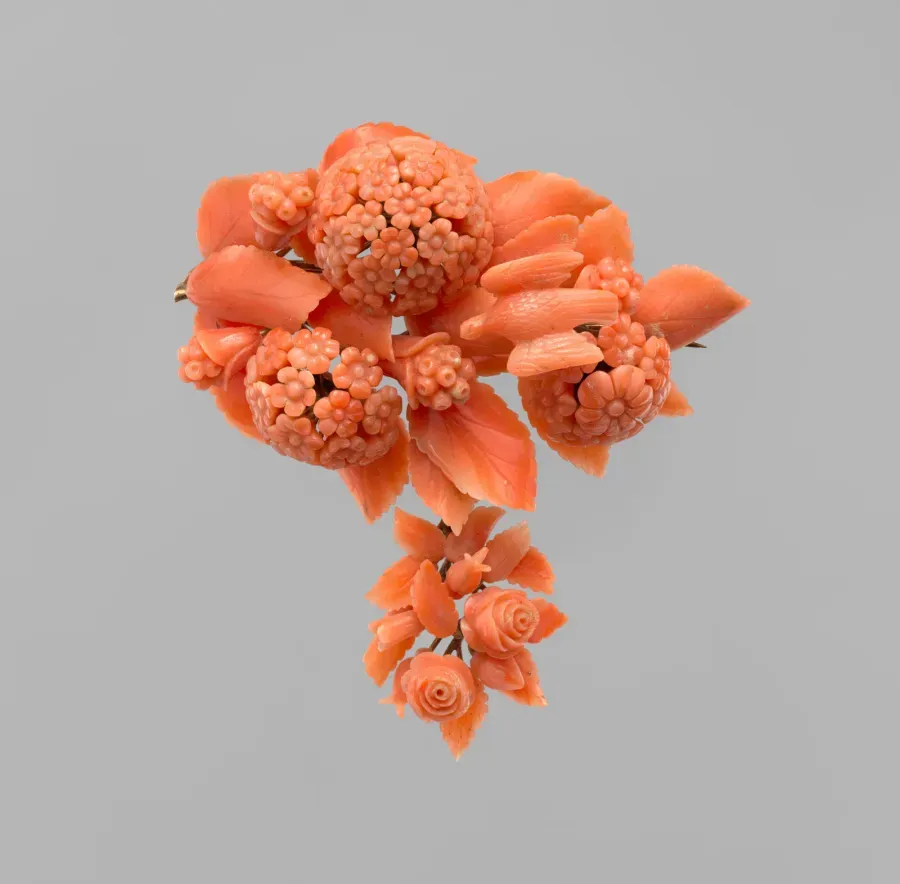
The Victorian era brought a flourishing of coral jewelry. Red Mediterranean coral was used in expensive jewelry for wealthy women. Bracelets, brooches, earrings: coral was woven into sets with gold and silver. Queen Victoria, after Prince Albert's death, wore mourning jewelry made of black coral, giving it the status of a symbol of eternal fidelity and memory.
20th Century: Mining, Fashion, First Environmental Questions
In the early 20th century, demand for coral reached its peak. Mining was conducted without restrictions. Divers literally tore pieces of reefs by hand. Shell collectors from Italy and Spain developed deposits in the Mediterranean Sea, working at depths where it was non-trivial to even survive.
By the mid-century, art deco jewelry with coral and mother of pearl became fashionable. Black coral, rare and expensive, was considered a symbol of sophistication. White coral was worn as an alternative to pearl, pink coral was an intermediate option.
After the 1970s, ecologists began raising questions: reefs are being destroyed. Coral reef ecosystems are homes to a quarter of all marine fish, even though the reefs themselves occupy less than 1% of the sea floor. Mining has since become controlled, and in some countries it is completely prohibited.
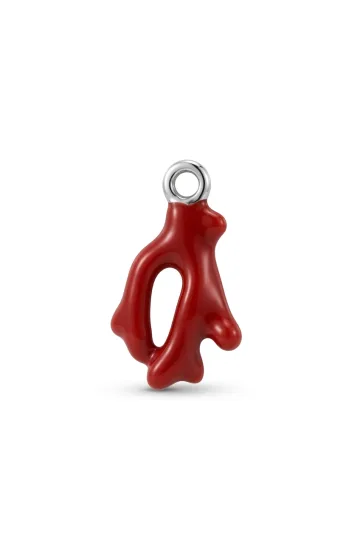
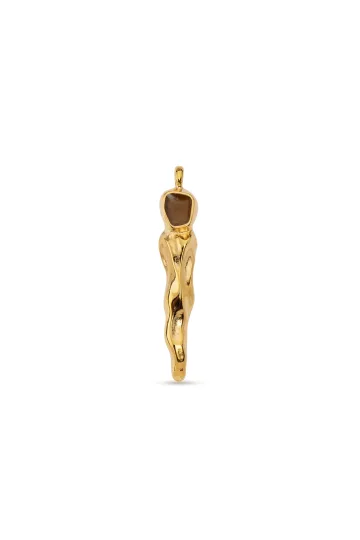
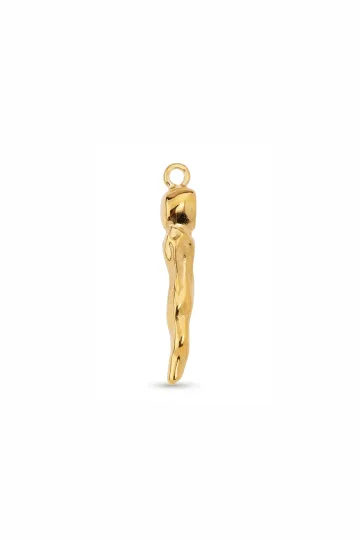
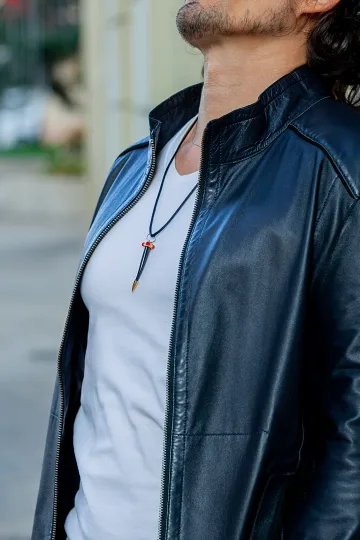
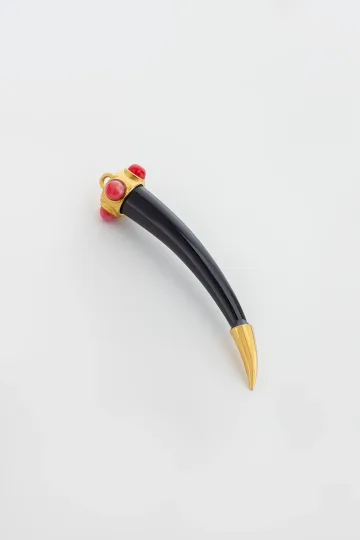
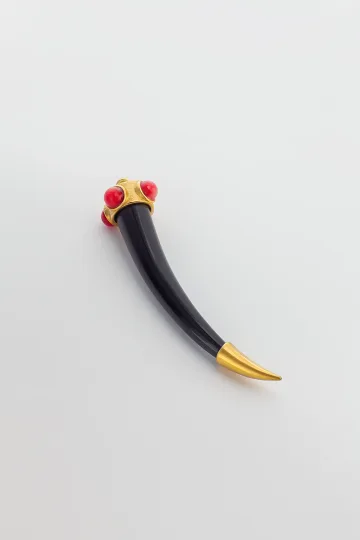
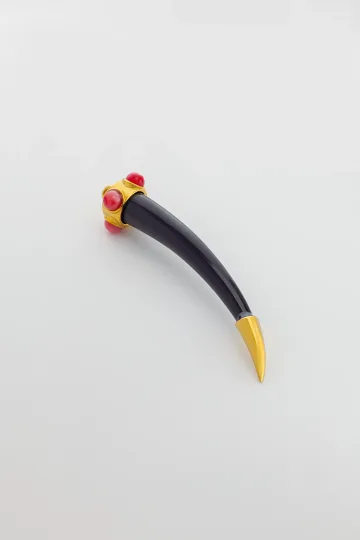
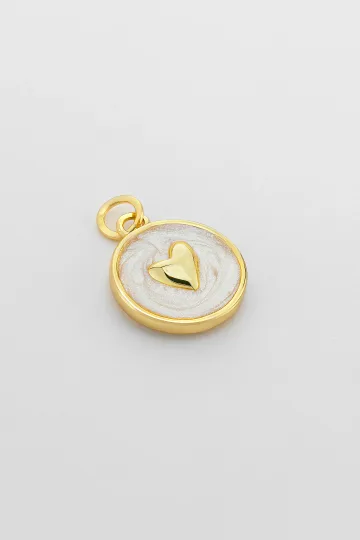
Wear the symbol, don't just read about it. These are in stock:
Types of Coral: Colors and Their Origins
Red Coral: Energy and Strength
Red coral is the classic. This is what you'll see in museums and at auction houses. The most valuable red coral is mined in the Mediterranean Sea, off the coasts of Italy, Spain, and Tunisia. The shade depends on the depth at which the polyp grows: at 200 meters the red is more saturated, closer to blood-red, at 400 meters there are pinkish streaks.
Red coral lightens with age. A red coral piece that you wear for 20 years will be lighter than it was at first. This is not a defect, but a natural change that speaks to the age of the piece.
The price of red coral is high, so it is often combined with silver or gold plating in jewelry. A bracelet made entirely of red coral is an extraordinary piece, usually custom work or an antique.
Black Coral: Symbol of Protection and Mystery
Black coral grows deeper than all others, at 600-900 meters. There is very little of it, and harvesting is technically difficult. It is a species protected under international law: black coral (Antipatharia) is listed in CITES Appendix II, and in the EU, UK, and US its trade is tightly restricted or, in many cases, prohibited. For this reason it is rarely seen in contemporary jewelry, and any item must come with full legal documentation appropriate to the country of sale.
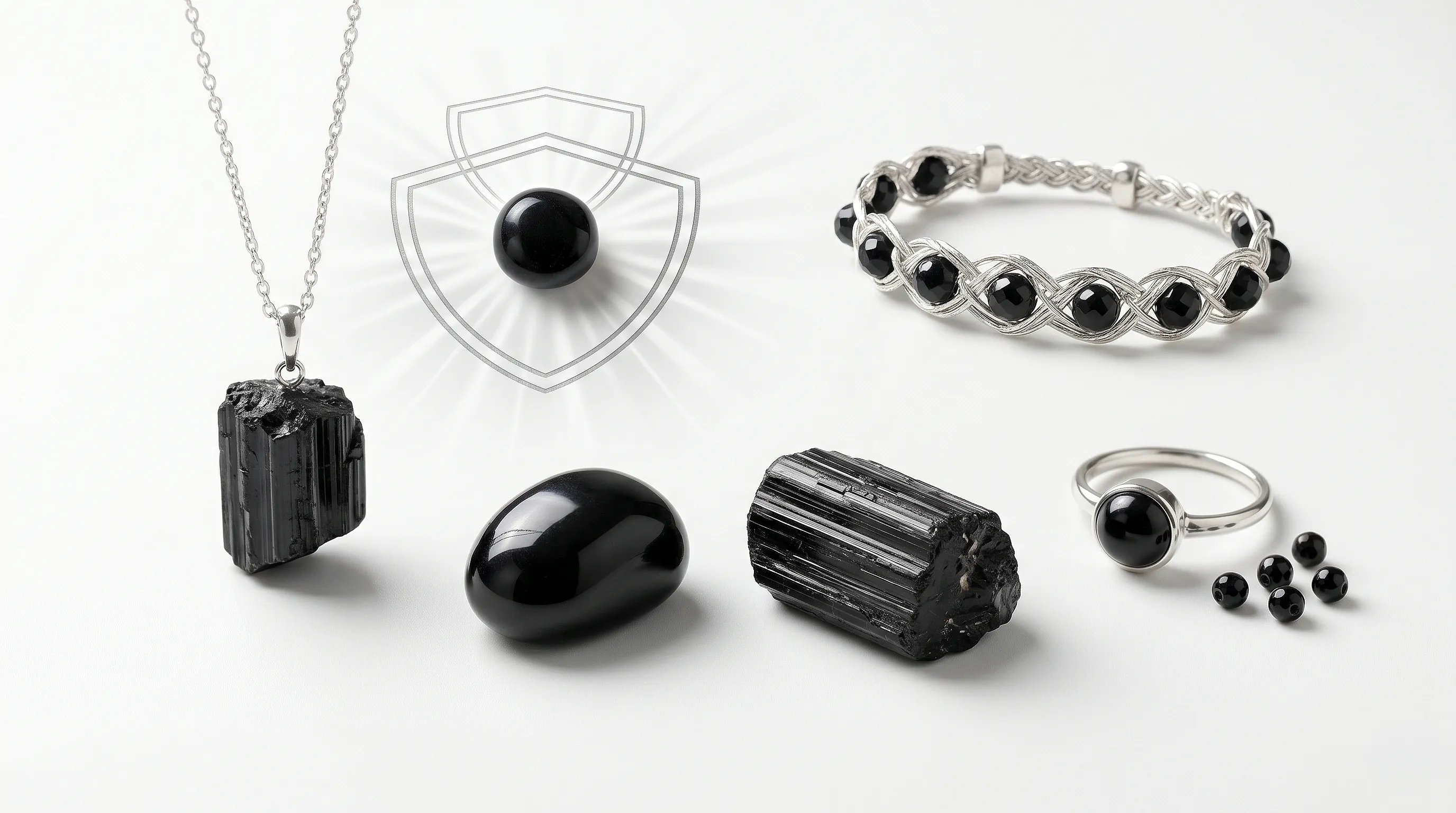
Black coral was never considered a funeral stone in European tradition, contrary to myth. It was used in ancient Egyptian amulets as protection from evil and black magic. Victorian mourning is different: it is red coral in a black setting, not black coral itself.
Because of these legal protections, black coral is best understood today as a historical and cultural material rather than something to buy casually. If you ever encounter a vintage or licensed piece, the rules around it differ from country to country, and selling or importing it may simply not be allowed.
Pink Coral: Balance of Energies
Pink coral is a transition option between red and white. It grows at medium depths in the Mediterranean Sea and the Red Sea. In jewelry tradition, pink coral is often called "peachy" or "angelic" because of its delicate shade.
Pink coral has softer energy than red, but is more active than white. A piece of pink coral jewelry is suitable for everyday wear because it is in the middle ground for both fragility and vibrancy.
Pink coral requires less care than red coral and costs less, making it more accessible for a first coral piece.
White Coral: Purity and Calm
White coral grows at great depths where there is almost no pigmentation. It is also called "ice coral" because of its cold, almost transparent shade. In jewelry, white coral is often combined with a black setting to create contrast.
White coral has softer energy. It is worn by those seeking calm, protection from excessive emotionality, and balance in life. In ancient times, white coral was not distinguished from red, but in modern jewelry it is a separate category.
White coral is also rare, but cheaper than black, because mining is more accessible.
Customer reviews
Zevira is a real jewellery shop. Genuine payments, deliveries and customer thank-yous.
🥰🥰🥰 gracias
Ok, ¡gracias! 🙂
Ecology of Coral Reefs: Why It Matters When You Wear Jewelry
Reefs as an Ecosystem: Numbers and Facts
Coral reefs occupy less than 0.1% of the sea floor, but house a quarter of all fish species on Earth. One cubic meter of reef is a city for hundreds of species. If a reef dies, an entire ecosystem disappears.
Over the past 30 years, reefs have been dying at an alarming rate. The causes include warming water (corals are sensitive to temperature and begin to "bleach", losing pigments and dying), ocean acidification, overfishing, pollution, and physical damage from mining.
By many scientific estimates, a large share of the world's coral reefs has been lost or severely degraded in recent decades, and in some regions of the tropical Pacific the losses are described as especially heavy. This is not metaphorical. It is a real loss of an ecosystem.
Ethical Mining: What It Means in Practice
If coral is mined in Russia (primarily red and black in the Sea of Okhotsk), it must be within the framework of the international CITES agreement (Convention on International Trade in Endangered Species of Wild Fauna and Flora). Coral trade is monitored, and each piece has a document of origin.
Ethical mining means:
- Harvest limits: only a certain percentage of the population per year is collected
- Mining depth is controlled, so surface reef layers are not destroyed
- Seasonality: mining is prohibited during polyp breeding season
- Alternative methods: some countries have switched to farms where coral is grown in shallow pools
In Europe and Israel, coral farms are developing actively. Farm coral grows for 5-7 years before it can be cut for jewelry. This is not as fast as plastic, and not as long as wild coral, but it is a compromise between beauty and responsibility.
Choosing Jewelry: How Not to Be a Predator of the Sea Floor
If you buy coral jewelry from a marketplace, pay attention to the origin. A good seller indicates:
- Country of origin of the coral
- Type of coral (red, pink, white)
- Depth of mining
- Appropriate legal documentation, including a CITES certificate where required
A CITES certificate is not a guarantee that trade is unproblematic. Import, sale, and ownership rules differ widely between countries, and some forms of coral may be banned outright in your jurisdiction regardless of paperwork. Check the local regulations before you buy.
If the origin is unknown, that is a red flag. It may be a copy or even plastic masquerading as coral.
Farm coral is cheaper than wild coral, but that doesn't mean it's worse. Visually they are indistinguishable. Farm coral is the choice of a person who wants beauty without guilt.

Turn on your camera, pick earrings, a pendant or a ring, and see the piece on yourself in real time.
Switch items in one tap.
Everything runs in your browser: no photo or video is ever uploaded.
Energy of Coral by Color: History and Modern Understanding
Red Coral: Activation and Protection
In Ayurveda, red coral (praval) is associated with the planet Mars and the energy of action. It is given to pregnant women as protection, but not from spirits. As a source of iron and calcium, it had real value, and people understood its beneficial properties long ago.
In the European magical tradition, red coral is protection from storms, accidents, and curses. Soldiers wore red coral in battle as an amulet. This is not superstition, it is a psychological anchor. When you know you've put on protection, you're in a more confident state, and this works.
Modern approach: red coral is worn by people who need to activate their energy. It is not a healing stone in the medical sense, it is a stone that helps you be in a more awakened, active state.
Black Coral: Protection from Excess
Silver, gold, engagement rings, symbolic jewellery, paired sets.
Black coral appears rarely in ancient texts because it is rare. But when mentioned, it is always in the context of protection from black magic, from envy, from the "evil eye."
Black coral in jewelry is the choice of a person who wants to separate from bustle, create an energetic shield, not be visible to other people's problems. Psychologically this works: a person wearing black coral can feel more protected and independent.
Men sometimes choose black coral for its masculinity. Black coral is jewelry that doesn't shout about strength, but is silent about it.
Pink Coral: Heart Balance
Pink coral is the balance between the activity of red and the calmness of white. In crystal therapy (a paramedical approach), pink coral is associated with the heart chakra, with the ability to love and be loved.
A pink coral bracelet is often given to young women as a symbol of entering a new phase of life, when you need a balance between activity and softness.
White Coral: Calm and Enlightenment
White coral in Eastern traditions is associated with the moon, calm, with feminine energy in its contemplative aspect. This is not passivity, but the ability to be at peace and observe.
People going through a stressful period often choose white coral. White coral jewelry is an anchor to calm when everything inside is boiling.
Leave your email, we'll send your discount code. No spam, unsubscribe anytime.
The code arrives by email, valid on your first order.
Coral in Jewelry: From Beads to Pendants
Coral Beads: A Classic That Never Gets Old
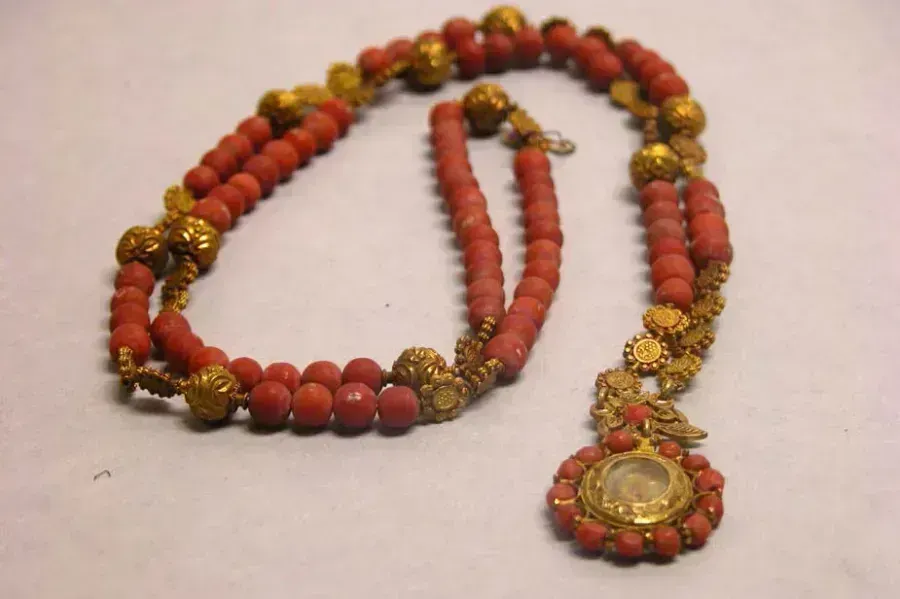
Coral beads are jewelry that was fashionable 200 years ago and remained fashionable now. Red beads with a gold fibula (clasp) hung on the necks of kings and peasants alike. This jewelry was universal.
Modern coral beads are usually a string of red or pink coral beads threaded on golden silk or monofilament, with a clasp of silver or gold plating. The stringing follows the same logic as any natural gemstone bead necklace, where the thread, the knots, and the matching of the beads matter as much as the material itself. Length varies from 40 (short necklace, to the collarbone) to 70 centimeters (long, to the solar plexus).
The problem with coral beads: they're fragile. Beads can crack if the string breaks and they fall. That's why coral beads need to be worn carefully: not in the gym, not in the shower, not in a crowd.
The cost of coral beads depends on the size of the beads, the quality of the coral, and the length of the string. From a medium bracelet (size of a coffee cup) to premium (size of a dinner out).
Coral Pendants: Less Fragility, More Expression
A coral pendant is a single piece of coral, cut and placed in a silver or gold setting. A pendant is less fragile than beads because the risk of falling is lower. It is one piece, not many.
A red coral pendant in the shape of a drop or heart is a classic piece of jewelry for a woman. A black coral pendant in the shape of a skull or cross is a darker choice, but very stylish.
The size of a pendant varies from 2 centimeters (discreet, barely noticeable) to 5-6 centimeters (assertive, expressive). Larger is no longer a pendant, but a medallion, jewelry for a formal occasion.
Coral Earrings: Risk of Loss, But Sometimes Worth It
Coral earrings are the most fragile option because there is a high risk of loss. Drop an earring on tile and it cracks or breaks. If an earring gets caught in hair, it may break.
But coral earrings look incredible. A red drop of coral by the ear is immediate style. A stud earring made of pink coral is delicate, feminine jewelry.
If you choose coral earrings, choose small ones (up to 2 centimeters) and wear with caution. Or choose an imitation. Modern plastic coral looks just as good and won't break if you accidentally hit your head on a door.
Coral Bracelet: Balance of Beauty and Practicality
A coral bracelet is a compromise between beauty and functionality. Soft bracelets made from coral beads are very delicate and can deform from pressure. Rigid bracelets made from solid coral are rare, expensive, and look like a masterpiece.
If you choose a coral bracelet, pay attention to the clasp. A good magnetic clasp doesn't press on the beads. A poor clasp made of thin wire can break, and the bracelet will be lost.
A coral bracelet is jewelry for a calm day, not for work, not for sports. It is jewelry for an evening, for visiting friends, for a date.
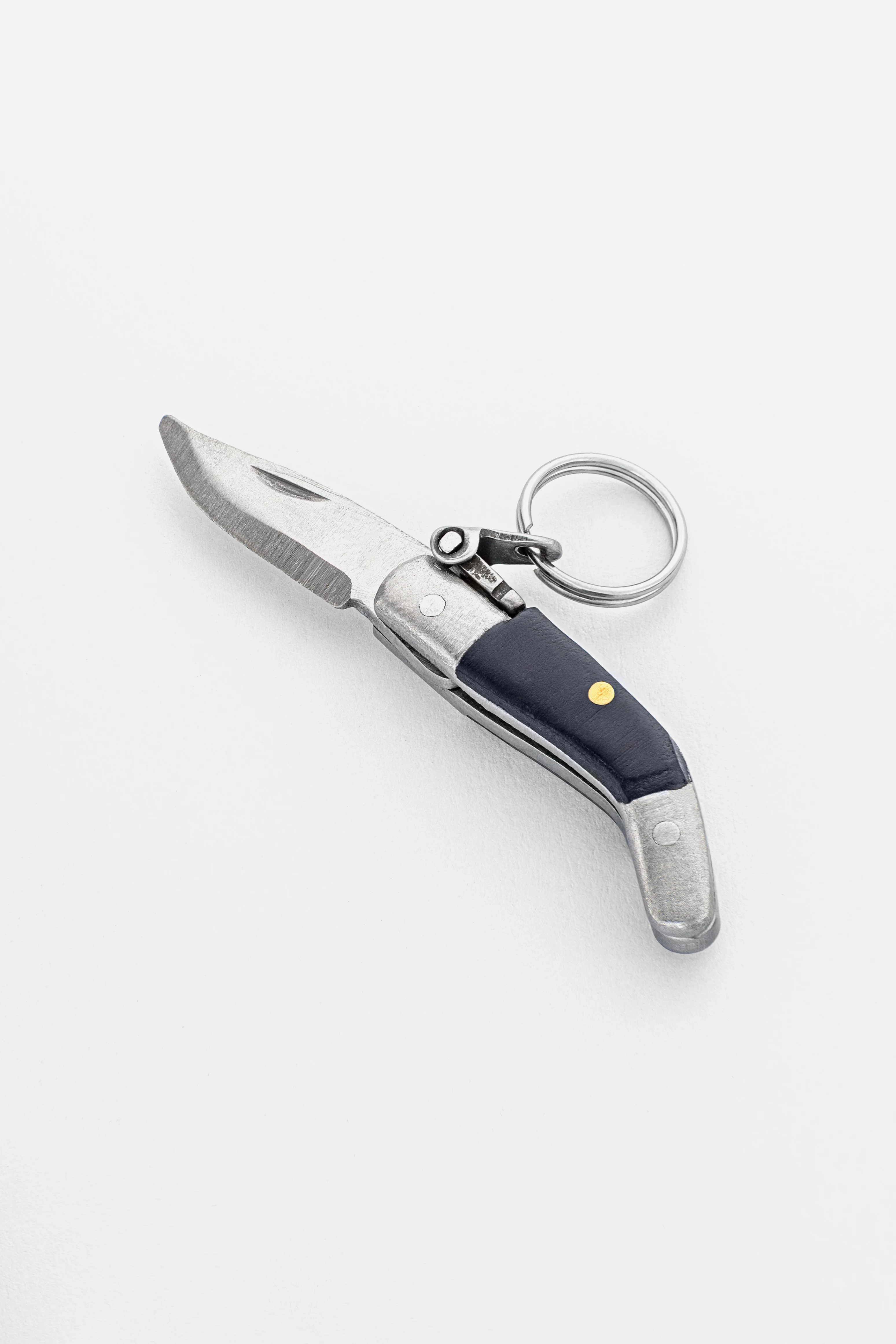
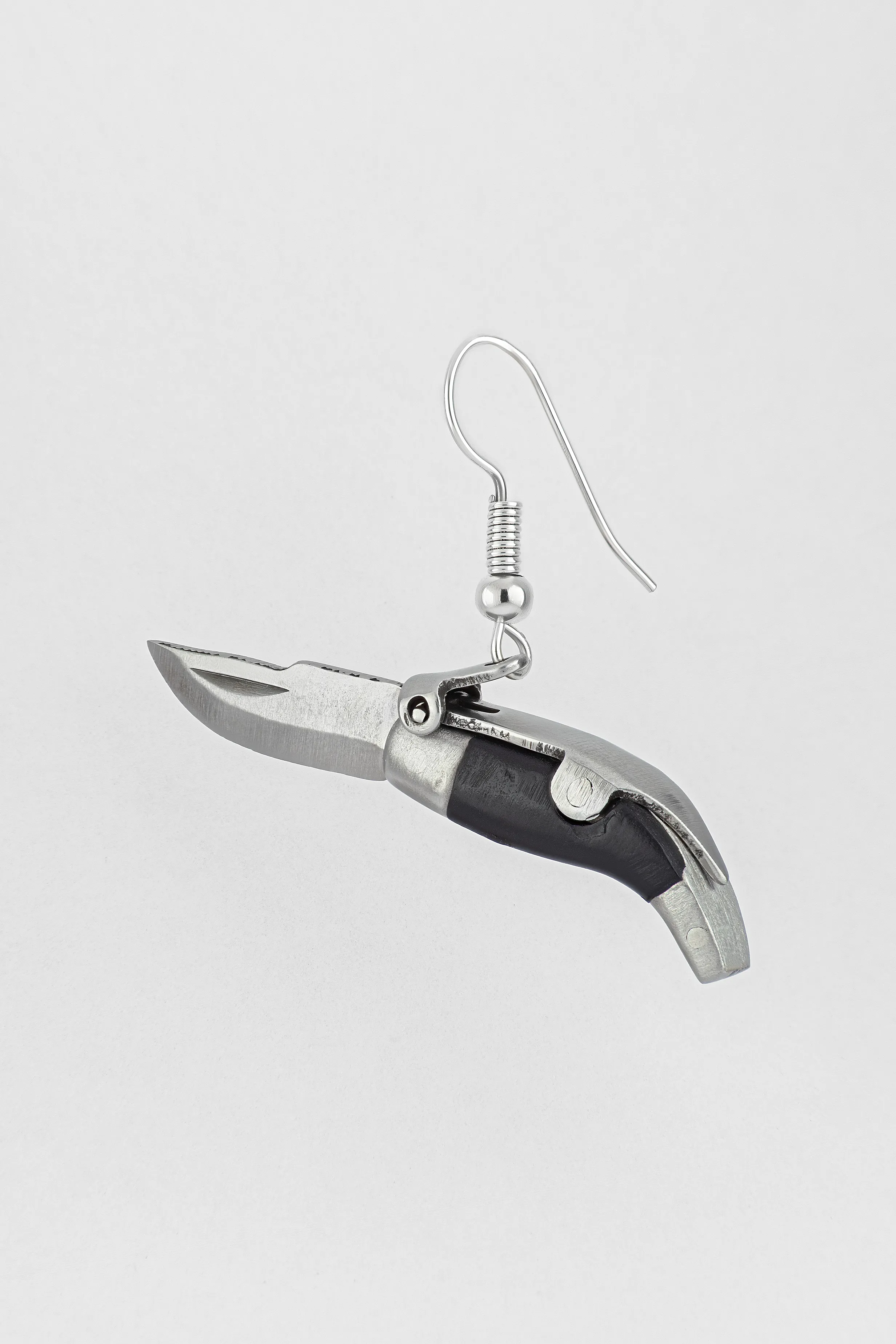
Artisan-crafted CAPAORA navaja pendant
A 40 mm stainless-steel navaja with a real folding mechanism and Palanquilla lock. An affordable gift to remember.
A code for blog readers:
10% off your first order
Authentic · Maker's guarantee · Ships from Spain
Caring for Coral: How to Keep Jewelry for Life
Enemies of Coral: Acid, Sunlight, Dryness
Coral is afraid of acid. Vinegar, lemon juice, hydrochloric acid dissolve coral. If you eat an orange and juice gets on your finger, and you have a coral bracelet on your finger, wash quickly with water and soap.
Coral is afraid of direct sunlight. In the sun, red coral lightens and loses brightness. If you have coral jewelry sitting on a window, move it away from the ray. Or accept this process as natural aging, which many people want.
Coral is afraid of dryness. If the air in the house is very dry (winter with central heating), coral can develop microcracks. That's why coral jewelry is stored in a box with slight moisture, not in a completely dry place.
Cleaning Coral: Gently and with Respect
Cleaning coral is simple: soft cloth, water with soap, gentle wiping. No ultrasonic cleaners, no aggressive cleaning agents.
If dirt gets on coral jewelry, soak it in warm water with liquid soap for 5-10 minutes, then gently wipe with a soft cloth. If the dirt is caked on, repeat the procedure.
Never use a brush, even a soft one. Coral is porous, and bristles can damage the surface.
Storage: Properly Put Away Jewelry So It Doesn't Lose Moisture
Coral is stored separately from other jewelry so it doesn't scratch against gold or silver. Wrap in soft fabric: natural cotton or linen, not synthetic.
Coral is stored in a cool place, protected from direct sunlight. A closed box is the ideal option. A dresser drawer, hidden from the window, works fine.
If coral jewelry will hang in the air for a long time without being worn, place a damp cloth next to it (not wet, damp). This will help the coral not dry out completely.
What to Do If Coral Cracks or Chips
If a small crack appears on coral, this is not the end of the jewelry's life. A crack will not widen on its own if you don't pull on the jewelry.
If a piece of coral chips off, don't throw away the jewelry. A jeweler can remake the pendant, reflow it into a new setting, or make an earring out of it.
If a coral string (beads) breaks, it's easy to reassemble. Take it to a workshop, they'll restring the coral on new silk for a small fee.
Frequently Asked Questions About Coral in Jewelry
Can I buy coral if I'm an activist protecting reefs?
Yes, if it's farm-raised coral or coral with a CITES certificate. Ask the seller about the source. If the origin is unknown, don't buy. Farm coral is not a compromise, it's a choice.
How much does real coral jewelry cost?
It depends on the type. A red coral bracelet costs about as much as an average trip (weekend budget size). A pink coral pendant runs like a nice dinner out. A piece made from black coral compares to a vacation abroad. Coral beads land around the price of a premium keyboard for a computer.
Can I wear coral in water, in the sea, in a pool?
Salt water can dry out coral. Chlorinated water can damage the setting. You can wear coral in water, but it's not recommended. If you're going swimming, take off the jewelry.
If I buy coral and later change my mind, can I sell it?
Coral jewelry is something to buy because you love it, not as an investment. Like most jewelry, it should not be expected to hold or grow in value, and resale prices depend entirely on the buyer, the condition of the piece, and the market at the time. Black coral in particular cannot be freely resold because of trade restrictions. If you want to part with a piece later, treat any return as a bonus rather than a plan.
Is coral superstition or real protection?
Coral is a material with a 3,000-year history in culture. The protection it gives is a psychological anchor, not magic. When you wear coral jewelry and know that long ago people wore the same, it creates a sense of connection to history. And this works.
How to distinguish real coral from fake?
Real coral is warm to the touch. Plastic is cold. Real coral has small pores and unevenness on the surface. Plastic is perfectly smooth or perfectly textured. If you're unsure, ask for a certificate or buy from a trusted seller.
Send a friend a discount code, they save on their first order.
About Zevira
In our collection of jewelry with sea energy, you'll find coral, pearls, sea symbols, and jewelry for people who feel a connection to the ocean. Each piece is selected with respect for the origin of the material and understanding that we wear a piece of sea history on ourselves.