Emerald Jewellery: Meaning, Types and How to Choose the Right Green Stone
Introduction: Cleopatra's Stone
Cleopatra wore emeralds. This is not a figure of speech, it is an archaeological fact. Pliny the Elder, writing in the first century AD, described her collection: rings, necklaces, brooches, jewellery boxes filled with emeralds from her own mines in Egypt's Eastern Desert.
Two thousand years later, this green stone remains one of the most coveted on earth. Gemologists place it in the "big three" coloured gemstones alongside the red corundum we know as ruby and sapphire, and in some classifications a "big four" alongside diamond. It is the greenest of the quartet, and the most delicate.
Every specimen is unique. Unlike a diamond or sapphire, an emerald is not clean in the conventional sense. It has a "garden", inclusions, fissures, internal lines. These imperfections are part of its beauty. Skilled jewellers read such stones like a text: the garden of inclusions reveals origin (Colombia, Zambia, Brazil, Afghanistan), authenticates the stone, and predicts behaviour under cutting.
This guide covers what emerald means in jewellery, how to select one, and why in 2026 bold solitaire rings are among the most sought-after settings for this stone.
Emerald as a Luxury Centrepiece: the Heart of a Collection
Emerald holds a singular place in the hierarchy of precious stones. Ruby and sapphire are often called the "big two." Emerald is a third pole of the same order of significance, yet it carries a completely different psychology of ownership.
Ruby reads as power, intensity, rarity pushed to an almost forbidding price. Sapphire reads as cool aristocracy, the timeless blue of royal regalia. Emerald is something else again: the queen rather than the king. It speaks of wisdom, fertility, the return to life. Strength without tension, rarity without hardness.
Women who choose an emerald over a diamond for an engagement ring rarely justify it by price (a fine emerald can cost more than a fine ruby). They justify it by philosophy. "I choose myself. I choose green. I choose living history rather than laser sparkle." In fine jewellery, emerald occupies the position of considered luxury: it appeals to those who understand that rarity and beauty can exist in another form. It is the choice of a collector, not a short-horizon investor.
Bands of Wealth: How the Stone Reads
If rose gold with a diamond reads as new money, and a black pearl on platinum reads as the intellectual elite, then an emerald on yellow gold reads as inherited wealth. It is jewellery that looks as though it has passed through three generations of women in one family, even when you are the first link in that chain.
A single large Colombian emerald (2 carats and up) set in a plain bezel of 18K yellow gold is arguably the most recognisable image of luxury jewellery in 2026. Spanish aristocracy reaches for exactly this. So do prominent British figures and Parisian collectors. A good 3-carat Colombian sits in territory that, for someone of middling means, equals a few hundred cups of coffee a month in lifestyle terms; four or five carats approaches a month of household groceries; ten carats matches the price of a mid-range new car. Not "insanely expensive," but serious enough that you do not forget it at home, because it means something.
Luxury and Fragility: the Emerald Paradox
Every luxury object is fragile in some sense. A diamond is fragile in reputation: one visible chip in a certain light can cut its value by a third. A ruby is fragile in provenance: one wrong certificate and the value collapses. An emerald is fragile in the most literal sense, it can be broken by a blow.
That is not a flaw but part of the luxury story. This is jewellery that asks for care, understanding and respect. You do not throw it in a safe and forget it, and you do not wear it like a pair of boxing gloves. Living with an emerald is part of the psychology of owning something genuinely precious: you handle it carefully, you know it, you could lose it. It is not a stone for carelessness. It is a stone for adulthood, attention and seriousness.
Heart Energy: Why Green
In Hindu cosmology, the anahata chakra is the heart centre, the point of balance between the material and the spiritual, the seat of love, compassion and acceptance. Green is its colour. In the Vedic tradition, emerald is among the most potent minerals associated with this centre. Chakra symbolism is one of the oldest surviving frameworks for how a person experiences the body. Linking green with the heart is a cultural idea, not a demonstrated physiological mechanism.
Women who wear a large emerald on the chest or on a ring often describe it as "the heart opening." This is a subjective experience: calmer breathing for some, more accessible emotions, an accepted vulnerability. The energy of green is the energy of a plant that roots into soil and reaches for the sky at once. Grounding and aspiration. Opening and protection. It is what emerald has symbolised for thousands of years, and what it still symbolises today.
Geology: Why the Emerald Is What It Is
Emerald is a variety of the mineral beryl (chemical formula Be₃Al₂Si₆O₁₈). Pure beryl is colourless. What makes an emerald green is the presence of chromium (Cr) and, in many stones, vanadium (V) atoms within the crystal lattice: these elements absorb red and blue light and allow green to pass through. The specific shade depends on the ratio of chromium to vanadium and the concentrations involved. Chromium alone tends to produce a warmer, more yellow-green; vanadium shifts the tone towards a cooler, bluer green.
The geological conditions required for emerald formation are uncommon. Beryllium, chromium and vanadium rarely occur together in the same geological environment. Emeralds typically form in pegmatites (coarse-grained igneous rocks) or at the contact zones between pegmatites and chromium-rich metamorphic rocks. This encounter of elements from very different geological sources is the reason emerald deposits are scattered and relatively rare worldwide. The process unfolds over tens or hundreds of millions of years.
The Beryl Family
Emerald belongs to a family of gemstones that all share the beryl crystal structure. Aquamarine, with its blue-green from iron, is beryl. Morganite, the peachy-pink variety prized in contemporary jewellery, is beryl. Heliodor, the yellow variety, is beryl. Red beryl, one of the rarest gemstones on earth, is beryl. The family shares the same hexagonal crystal system and similar hardness (7.5 to 8 on the Mohs scale), but each is a distinct gemstone with its own rarity profile, optical properties and market position. Emerald is the most commercially significant and the most studied member of the family.
Hardness, Brittleness and the Emerald Cut
The Mohs hardness of 7.5 to 8 is objectively high: ordinary glass sits at around 5.5, a stainless steel blade at approximately 6.5. In terms of scratch resistance, an emerald handles most everyday contact without difficulty. The complication lies elsewhere. Emeralds contain natural cleavage planes that coincide with the direction of their inclusions. A sharp blow at the wrong angle can fracture even a large, high-quality stone. This brittleness, distinct from hardness, is why the step-cut rectangular shape now called the emerald cut was engineered specifically for this gemstone: its broad table and cropped corners reduce mechanical stress at the most vulnerable points and protect the stone during setting and wear.
Emerald Jewellery: What to Choose
Emerald Ring
The principal application. A quality emerald in a ring is the natural centrepiece of the design.
- Solitaire in a bezel setting, the trend of 2026. A large stone in a minimalist yellow-gold bezel. Premium luxury segment.
- Classic single-stone ring 1-2 carats framed by diamonds. Luxury segment.
- Emerald cut on platinum or white gold, the timeless elegant choice. Luxury.
- Three-stone ring, two green stones flanking a central diamond. Premium segment.
- Vintage Art Deco ring, 1920s-1930s style. Original antique or fine replica. Premium luxury.
Earrings
- Studs 0.5-1 carat each, paired. Premium segment.
- Small hoop earrings with accent stones, contemporary minimalism. Mid-to-premium.
- Chandelier drop earrings with a cascade, for evening occasions. Luxury.
- Long drop earrings, for formal events. Luxury.
Necklace and Pendant
- Simple single-stone pendant on a fine 14K or 18K gold chain. Premium luxury.
- Rivière necklace with gradient stones, every link set with emerald. Luxury.
- Emerald-cut pendant in a bezel, modern minimalist approach. Premium.
- Drop pendant in Victorian style, classic. Premium luxury.
Bracelet
- Tennis bracelet, a classic. Luxury.
- Rigid bangle with one large stone, minimal accent. Premium luxury.
- Alternating diamonds and green stones, paired, refined. Luxury.
Brooch
Victorian and Art Deco brooches frequently feature emeralds. A returning trend in contemporary fine jewellery.
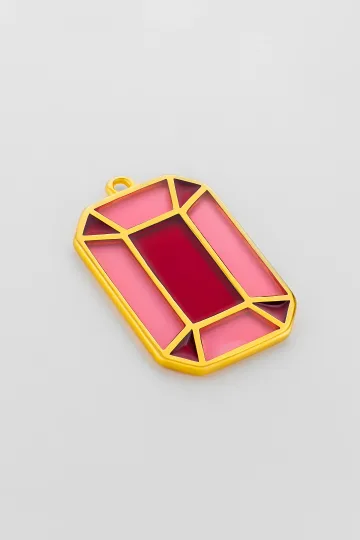
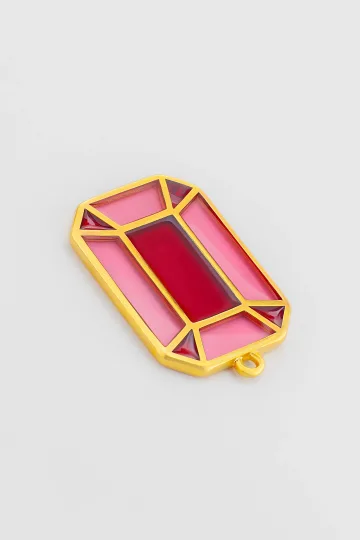
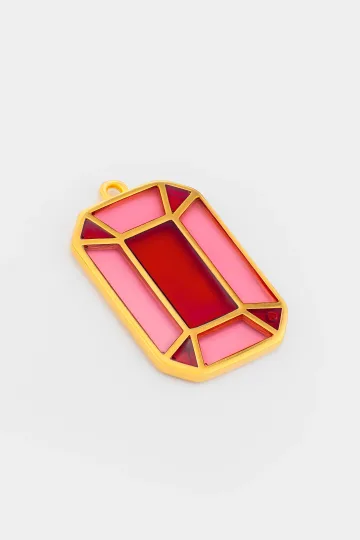
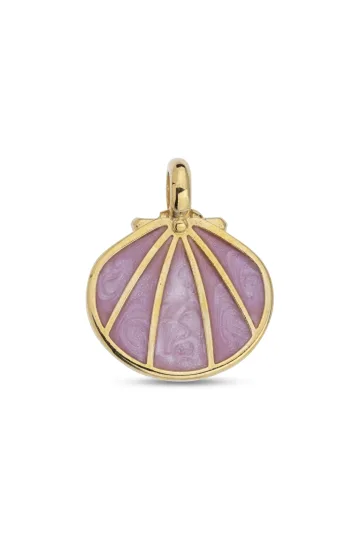
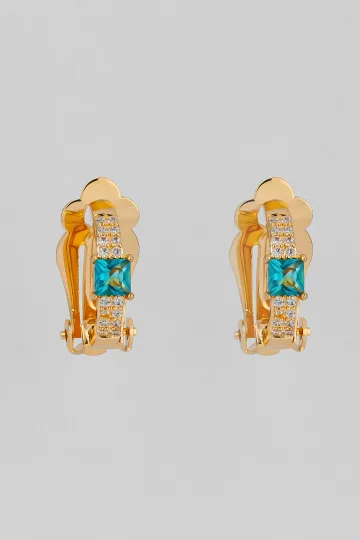
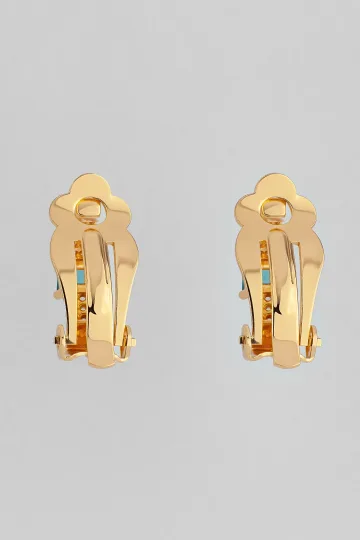
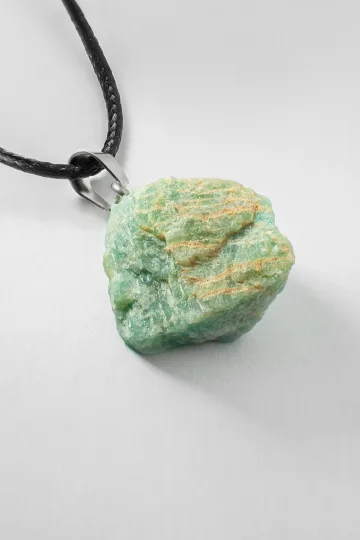
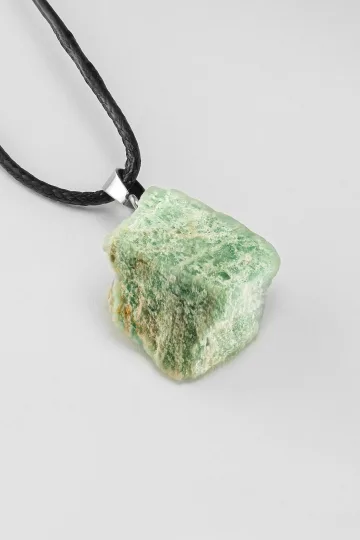
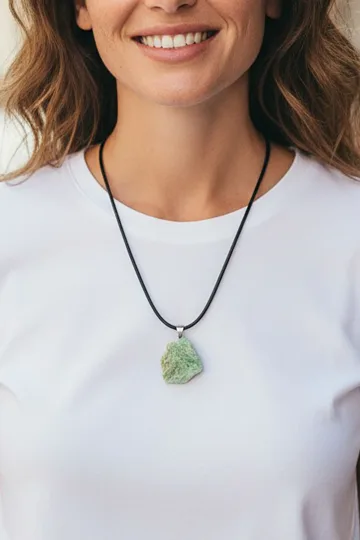
Wear the symbol, don't just read about it. These are in stock:

Types of Emerald by Origin
Emerald is not a single standardised stone but a category. Origin profoundly affects colour, clarity and value.
Colombian
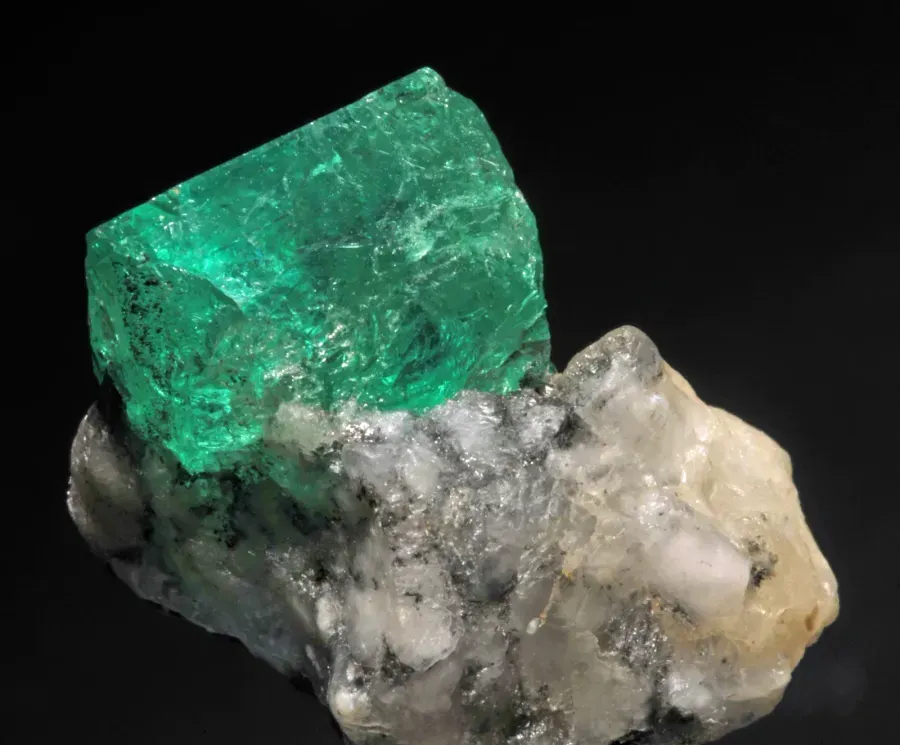
The benchmark of quality. Mined in the Andes near Bogotá; principal mines are Muzo, Chivor and Coscuez.
Characteristics:
- Pure "grass green" colour
- Occasional soft blue undertone
- Excellent transparency by emerald standards
- A characteristic "garden" of inclusions
- The most sought-after origin on the market
Muzo and Chivor produce stones with distinctly different characters. Muzo, the older of the two, yields deeply saturated stones with a warm, slightly golden undertone in the green: what gemologists describe as "warm Colombian green." Chivor, rediscovered by a Colombian prospector in 1896 after centuries of abandonment following the conquest, produces a cooler, slightly blue-green stone that many buyers consider the classical reference colour for emerald. Coscuez sits between the two in character.
The inclusion pattern of Colombian stones is diagnostic: they contain three-phase inclusions (a combination of liquid, gas and solid crystal, typically pyrite) that are virtually absent in stones from other origins. A trained gemologist can identify Colombian origin from the inclusions alone.
Specimens certified by leading independent gemological laboratories sit at the top luxury tier.
Zambian
The modern alternative benchmark. Principal mines: Kagem and Musakashi, in the Kafubu area southwest of Kitwe in the Copperbelt province.
Characteristics:
- Deeper, more saturated green with a blue undertone (higher iron content)
- Fewer inclusions than Colombian, with higher natural transparency
- Often larger crystals per individual stone
- More accessible pricing for comparable visual quality
- Ethically monitored supply chains
Zambian stones became the ethical-buyer's choice during the 2020s. Major mining companies operating in the Kafubu district actively implement traceability and certification systems, making Zambian supply one of the better-documented in the coloured stone market. In terms of size, Zambia regularly produces large eye-clean stones that would be exceptional from Colombian deposits.
Brazilian
Quality varies by mine. Principal states: Minas Gerais (the Itabira deposit) and Bahia (the Carnaíba deposit).
Characteristics:
- Lighter green
- Frequently a yellow undertone, sometimes grey
- Moderate transparency
- Accessible price point
- An excellent starting piece
Brazil has mined emeralds since the 1960s. Exceptional individual stones from Itabira approach Colombian quality, but the average production sits at a more accessible level. The yellow undertone found in many Brazilian stones is a natural consequence of their specific chromium-to-vanadium ratio, not a sign of lower authenticity.
Afghan (Panjshir)
From the Panjshir Valley, Afghanistan.
Characteristics:
- High transparency
- Vivid green, close to Colombian quality
- Limited availability due to political circumstances
- Rarity places them in the premium tier
The Panjshir Valley and adjacent areas in Pakistan have supplied fine-quality stones for decades, but extraction has always been small-scale. Political instability has made supply erratic. When Panjshir stones do reach the international market, their combination of transparency and vivid green draws serious collector interest.
Russian (Ural)
Historically significant. The Mariinsk deposit (formerly Malysheva) near Yekaterinburg.
Characteristics:
- Blue-green hue, often lighter than Colombian
- Transparent
- First discovered in the 1830s; the USSR accumulated strategic reserves in the twentieth century
- Rarely traded internationally today; locally prized within Russia
Ural emeralds have a characteristic cooler blue-green tone. During the Soviet period, the USSR mined significant quantities and released some onto the international market as polished stones and jewellery. Today, mining at Mariinsk continues but international supply is limited.
Egyptian (Cleopatra's Mines)
The sites of Sikait and Zabara in the Eastern Arabian Desert. Mining here is thought to have begun around the third century BC and continued until the fifteenth or sixteenth century AD. The stones are of low quality by modern standards: pale green, heavily included. Their historical and museum value is unmatched; their gemological application is limited. The mines are exhausted.
Other Origins
Zimbabwe (Sandawana deposit: small but vivid stones with an intense saturated green), Madagascar (a growing modern source), Pakistan, Ethiopia and Tanzania all have deposits, each with distinct colour and inclusion character.
The 4Cs for Emeralds
Like diamonds, emeralds are assessed on four criteria, though the priorities differ substantially from diamonds.
Colour
The most important factor by a wide margin. The ideal stone is:
- Medium to dark in tone (not so dark it reads black in lower light, not so pale it appears washed out)
- Highly saturated
- Green or slightly blue-green
Gemologists describe three dimensions of colour: hue (position on the colour wheel), tone (lightness to darkness) and saturation (intensity). For emerald, the optimal hue is pure green or slightly bluish-green; a strong yellow component significantly reduces value. The optimal tone is in the 60 to 75 range on a 0 to 100 scale. Saturation should be strong to vivid: the stones most prized on the international market are described as "vivid green." Pale or near-black specimens are worth considerably less. An overly yellow or grey cast reduces value significantly.
Clarity and the Jardin
Emerald "accepts inclusions": the jardin is part of its nature. It is assessed as:
- Eye clean, visually clear to the unaided eye. The benchmark for fine jewellery.
- Minor inclusions, small inclusions visible on close inspection.
- Moderate inclusions, inclusions immediately noticeable.
- Heavy inclusions, dense jardin, the stone is near opaque.
Unlike diamonds, where even a VS2 clarity grade draws considerable scrutiny, minor inclusions in an emerald do not sharply reduce price if colour and size are strong. What matters is whether the inclusions compromise transparency (reducing the stone's ability to transmit colour) and whether they create structural weaknesses.
A stone that appears completely clean under a 10x loupe is unusual and should raise questions: it may be laboratory-grown, heavily treated with polymer, or in rare cases a genuinely exceptional natural specimen. The natural inclusions of a fine Colombian stone, when visible under magnification, are part of its authentication: two- or three-phase inclusions with distinctive pyrite crystals are signatures that no treatment can replicate.
Cut
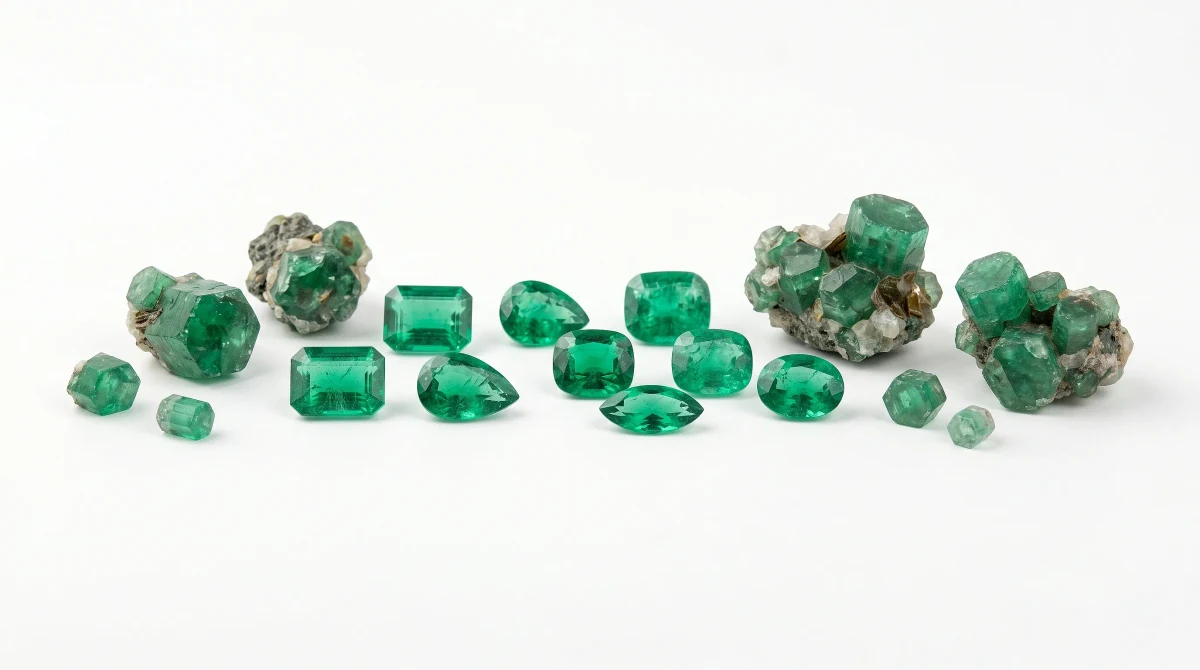
The emerald cut (step-cut rectangular, also called a table cut with broad step facets) was developed specifically for this stone. It:
- Maximises colour display through its large, open table
- Minimises stress on the fragile corners by cropping them to an octagonal shape
- Allows inclusions to be partially hidden within the steps of the cut
The geometry of the emerald cut is unusual among gemstone cuts in that it was designed with this specific mineral's structural properties in mind, rather than purely for optical brilliance. Other cuts, oval, round brilliant, pear, heart, are used for emeralds but are less common because they require more material removal from the rough, which is costly for a stone of this price per carat. Cabochon cut (a smooth, domed, unpolished surface) is used for opaque specimens, a rarity in fine jewellery.
Carat
Price per carat increases non-linearly as stones cross the thresholds of 1, 2 and 5 carats. Stones above 5 carats of high quality are rare collector pieces. 1 to 2 carats is the popular size for a ring centrepiece; 0.3 to 0.5 carats is the typical range for stud earrings. At very large sizes (above 10 carats) with strong colour and transparency, Colombian emeralds are among the most valuable objects per gram in the natural world.
Emerald Treatment
Almost every emerald on the market has been treated. This is neither a secret nor a scandal: it is disclosed, regulated and universally understood in the trade.
Oiling
The oldest and most accepted treatment. The stone is immersed in cedarwood oil (or, in modern operations, synthetic alternatives with similar refractive indices). The oil penetrates the microfractures in the jardin, filling them with a substance that has nearly the same optical density as emerald itself. This makes the fissures invisible or nearly invisible to the eye. Cedarwood oil's refractive index of approximately 1.516 is close enough to emerald's 1.565 to 1.600 to reduce the visual impact of surface-reaching fractures substantially.
Treatment grades, as described in certificates from leading independent gemological laboratories:
- None: genuine rarity, commanding a premium of 20 to 50 percent or more over treated stones of comparable colour and size
- Minor: small amount of filler, minimal impact on value
- Moderate: accepted by the market, disclosed, moderate value impact
- Significant: heavily treated; value reduced substantially relative to untreated stones of similar appearance
Purchasing without a certificate carries real risk because the grade of treatment cannot be determined by visual inspection alone.
Polymer Filling (Resin)
The modern alternative. Products such as Optikon penetrate fractures and harden in place, creating a more permanent fill than oil. Harder to wash out during cleaning. However, the gemological community regards polymer as a more aggressive intervention than oil, and it typically reduces market value relative to an oil-treated stone of equivalent appearance. Must be disclosed at point of sale.
Coloured Oil
Strictly prohibited. Some unscrupulous sellers use oil with added green dye to improve the apparent colour of a poor-quality stone. Reputable laboratories detect it. Never buy without a certificate from an established independent laboratory.
What Certificates Actually Say
Leading independent gemological laboratories assess treatment and issue opinions such as "no indications of clarity enhancement" (the premium grade), "minor clarity enhancement," "moderate clarity enhancement," and "significant clarity enhancement." The American Gem Trade Association (AGTA) and comparable bodies publish standard disclosure scales. A certificate for a natural emerald should always specify both origin and treatment grade.
Customer reviews
Zevira is a real jewellery shop. Genuine payments, deliveries and customer thank-yous.
🥰🥰🥰 gracias
Ok, ¡gracias! 🙂
What Does Emerald Symbolise?
Symbolism attached to emerald spans at least three thousand years of recorded history and at least a dozen distinct cultural traditions. The beliefs described here are historical and cultural in character: they explain why the stone has carried these associations, not claims about literal properties.
Growth and renewal. The green of vegetation, of spring, of new life. Its role as May's birthstone connects directly to this. In European traditions, May was associated with the return of fertility after winter, and green was the colour of that return. Emerald, as the most purely green of all precious stones, became the natural symbol of the season.
Wisdom and clarity. The ancient Egyptians called it the "stone of wisdom." Romans believed it literally refreshed the eyes, both physically (Pliny the Elder wrote that green was the most restful colour for the eye, and that looking at emeralds relieved eye strain) and metaphorically.
Faithfulness and love. The Victorian tradition of emerald engagement rings was rooted in this meaning: a symbol of constancy in affection. The pairing of emerald with diamond in the so-called "you and me" ring was specifically a declaration of enduring faithfulness.
Wealth and prosperity. Across the Inca empire, the Aztec civilisation and Indian Vedic traditions, the stone was associated with material abundance. In each case the association likely arose from the stone's great rarity and high value: it was a stone that only the very wealthy could possess, making it a natural symbol of prosperity.
Protection. Across multiple ancient cultures, emerald was believed to protect against evil, deception and harmful intent. It was placed in tombs, worn as an amulet, and set into the jewellery of rulers as a guardian stone.
Truth. An ancient belief, found in Roman sources, held that the stone "revealed lies." This is a metaphorical function: in the logic of lapidary symbolism, a stone associated with clarity and transparency was also associated with honesty.
Heart chakra and love. In the Hindu tradition, emerald is linked to the anahata, the heart energy centre. Texts associating specific stones with specific chakras developed over many centuries of Ayurvedic and tantric writing. The emerald-heart connection is among the most stable of these associations.
Mercury and commerce. In Vedic astrology, the emerald (panna) is Mercury's stone. Those born under Mercury's influence, particularly Gemini and Virgo ascendants, were historically advised to wear panna to support communication, commerce, learning and mental agility. This tradition remains active in contemporary Indian gemological practice.
Anniversary stone. In the Western tradition of anniversary gemstones, emerald is associated with the 55th anniversary and, in some versions, the 20th. It is one of the gifts that signals deep, enduring commitment.
History of the Emerald
Ancient Egypt
Cleopatra VII (first century BC) was famous for her passion for this stone. Her mines in Egypt's Eastern Desert supplied a distinctly Mediterranean quality. The sites of Sikait and Zabara in the Eastern Arabian Desert were mined for well over a thousand years: inscriptions on the mine walls date from the third century BC through to the late Roman imperial period. When the French Egyptologist Champollion described their ruins in 1822, the mines had been abandoned for centuries. By then, they had been worked to exhaustion.
Egyptians placed emeralds in the tombs of pharaohs as symbols of eternal life, and the stone appears in burial goods from the Middle Kingdom period onward. The associations between green stone, eternal vegetation and the afterlife were fundamental to Egyptian sacred symbolism.
Classical Rome
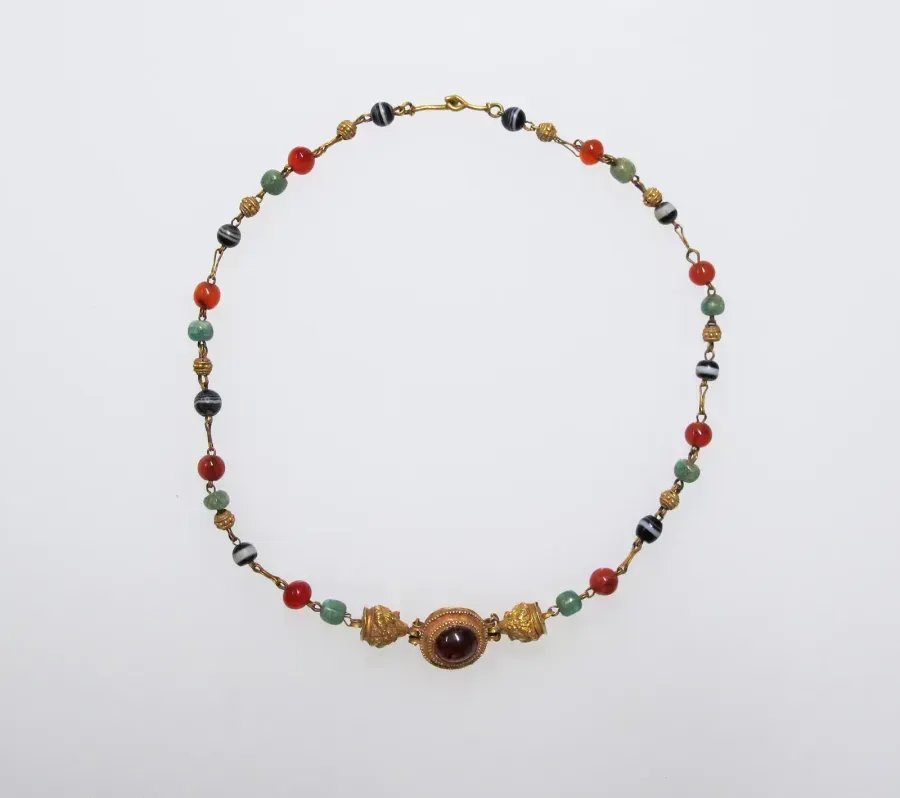
In Rome emeralds were prized as the most precious green stones. Pliny the Elder dedicated several chapters of his Naturalis Historia to them, describing three distinct properties: the intensity of green (restful and pleasing to the eye), the ability to sharpen vision by resting it, and a range of predictive functions attributed to the stone in popular belief. The Emperor Nero is said, by legend, to have watched gladiatorial bouts through an emerald lens, believing it sharpened his sight. Modern gemologists consider this unlikely: Egyptian stones of the period were too heavily included for such an application, and it was probably aquamarine, plain beryl, or coloured glass.
The Inca Empire
In the fifteenth and sixteenth centuries, the Inca controlled Colombia's mines. The stone was sacred, "Umiña," a mother goddess of rocks. Enormous specimens were kept in temples and used in religious ceremonies. Spanish chroniclers described emeralds "the size of a pigeon's egg" in the temples of Cusco.
Spanish Colonisation and the Galleons
From 1537, the Spanish seized the Colombian mines and began mass export to Europe. Spanish galleons carried holds filled with stones bound for Philip II and the Spanish court. The stones became diplomatic gifts, were worked into crowns and reliquaries. The galleon Nuestra Señora de Atocha sank in a hurricane off the Florida coast in 1622. Salvaged by treasure hunters in 1985, it yielded a significant quantity of Colombian emeralds. One large polished stone from the Atocha became a notable collector's artefact.
The Crown of the Andes (Corona de los Andes), a Spanish colonial-period piece set with 453 emeralds weighing approximately 1,500 carats in total, was reportedly created in thanksgiving for the city of Popayán being spared from a plague epidemic in the sixteenth century. It is one of the most significant historical ensembles of emeralds to survive.
Mughal India
The Mughals (sixteenth to eighteenth centuries) were extraordinary connoisseurs and arguably the most significant single group of emerald consumers in history. Shah Jahan, builder of the Taj Mahal, assembled a vast collection. The tradition of engraving prayers and floral motifs into polished emerald was distinctively Mughal: both sides of a stone would receive elaborate carving, one with Arabic calligraphy and one with botanical ornament. The famed Mughal emerald of 1695, weighing 217 carats with a prayer on one side and a floral pattern on the other, sold at Christie's in 2001 and is now in a private collection. Mughal-engraved emeralds remain among the most sought-after objects in the market for Islamic art.
The British Royal Connection
British royal collections accumulated significant emeralds across the centuries through imperial trade routes and diplomatic gifts. Among the most celebrated historic pieces are the Cambridge emeralds, originally acquired through the ducal collections of the nineteenth century and worn by British royals across generations. Large cabochon emeralds feature in several historic royal diadems held in the Royal Collection. The passage of these pieces through various royal households over two centuries illustrates the stone's durability as a symbol of dynastic status.
The Nineteenth Century: Engagement Rings
The Victorian and Edwardian eras made emerald a coveted choice for engagement rings. Green was associated with faithfulness and evergreen constancy. The "you and me" setting, diamond and emerald side by side, became a classic of British jewellery design and was taken up across Europe.
The Twentieth Century: Art Deco
The Art Deco era (1920s-1930s) was arguably the stone's finest hour in jewellery design. The great Parisian houses of high jewellery created cascading necklaces and bracelets of extraordinary ambition, typically combining vivid Colombian emeralds with diamonds and black enamel. The geometry of the emerald cut was ideally suited to the rectilinear vocabulary of the style. Notable Art Deco suites belonging to aristocracy and figures of the silent film era sold at major international auctions for luxury sums. In 1981, a well-known British engagement ring featuring a large emerald surrounded by diamonds was seen on a public platform and subsequently generated a new wave of interest in coloured stones for engagement rings.
The Twenty-First Century: Ethical Supply
Zambian production became the ethical alternative. Large, transparent mining operations in Zambia began major supply to first-tier fine jewellery houses. Laboratory-grown stones (hydrothermal process) offered a democratic option, visually identical, a fraction of the price.
2026: The Return of the Solitaire Bezel
The "monolith" ring is back: one large stone in a plain bezel of yellow gold, no surrounding diamonds. One of the defining engagement ring trends of 2026. The simplicity of the setting foregrounds the stone itself, making colour and character the sole focus.
Artisan-crafted CAPAORA navaja pendant
A 40 mm stainless-steel navaja with a real folding mechanism and Palanquilla lock. An affordable gift to remember.
A code for blog readers:
10% off your first order
Authentic · Maker's guarantee · Ships from Spain
The Energy of Green: the Heart Chakra in Detail
A section about the heart chakra can sound esoteric to a modern ear. This is the territory of cultural tradition and personal colour perception, not of medical fact.
In the Hindu system of seven chakras, anahata is the fourth energy centre, located in the region of the heart. In Sanskrit, anahata means "unstruck sound," the sound that resonates within without any external collision. It is a metaphor: the heart has its own inner rhythm, its own note, independent of the outside world. The colour of anahata in traditional yoga is green or pink. Green is linked with growth, healing, renewal and harmony. It sits at the centre of the spectrum, the balance point between the material (the red of the lower chakras) and the spiritual (the violet of the upper ones). Green is the meeting place, where you are rooted and open at once.
When you look at green, especially the saturated green of an emerald, your eye is receiving wavelengths around 500 to 560 nanometres. This is the central part of the visible spectrum, the band the eye is most sensitive to in daylight. Many people experience green as a calm, restful colour. It is one reason we drift towards a forest when we want to unwind, and why a muted green is so often chosen for the interiors of places designed for rest.
Add the psychological layer: green signals life, growth, the return after death (spring after winter). It is an archetype embedded in human awareness across evolution. Green meant water, plants, safety, nourishment. It is a deep signal the body reads almost without thinking. When you wear a ring with a large emerald and glance down at your finger, you see a colour that many cultures connect with life, growth and renewal. That is the power of association, not the magic of the stone.
Women who begin wearing a large green stone often describe the same thing: a sense of being more open. Not in the sense of naivety, but in the sense of presence, access to one's own feelings, the capacity for compassion towards oneself and others. That is not in the stone. It is in the way the stone reminds the body that green means safety, that growth is possible, that one can be vulnerable and strong at the same time. The emerald does not vibrate at the frequency of the heart (that would simply be untrue). It reminds your body that it is safe to be open, that there are enough resources to let the heart expand.
Emerald and Wellbeing: Traditional Beliefs
Historically, the green stone was associated with healing and recovery. In old medical treatises, from Egyptian to Ayurvedic, emerald was linked to the eyes, the nervous system and the heart. What follows is a record of historical belief, not medical advice; for real help, see a doctor.
For the Eyes
Pliny the Elder wrote in his Naturalis Historia that resting the gaze on an emerald relieved eye strain. Many people find green pleasant to look at, in contrast to a harsh red or blue. The green wavelength (500 to 560 nanometres) falls in the band of peak eye sensitivity in daylight. Gazing at a green stone for a few minutes feels calming to many. That is a subjective sensation, not a treatment.
For the Nervous System
In Indian Ayurveda, emerald (panna) was traditionally recommended to balance the Vata dosha. Many people perceive green as a calming colour, and for some an emerald ring becomes a visual cue to slow down and breathe out. This is a belief held by tradition, not a demonstrated effect on the body.
For Emotional Recovery
In historical herbalism and energy practice, emerald was tied to recovery after a shock. The explanation here is psychological: the colour recalls a plant, life, the return after the "winter" of loss. When you see a green stone, it can act as an anchor, a reminder that recovery is possible. Tradition suggests wearing emerald either at the heart (a pendant) or on the left hand, which in the energetic tradition is considered the receiving side. Jewellery is best removed at night so the body can rest, which lines up neatly with the practical advice not to sleep in your gems (risk of damage, increased perspiration). You can wear emerald as part of a wider routine of self-care, but never as a substitute for medical help. If something is genuinely wrong with your health, that is a matter for a doctor, not a stone. As a complement, a reminder that caring for yourself is a choice rather than a luxury, an emerald fits perfectly well. It is one reason women in the middle of healing so often reach for green.
Pairing Emerald with Other Stones
Emerald is rarely worn alongside other coloured stones in a single piece, but a few classic pairings work, historically and now.
Emerald and Diamond
The most classic combination of all. Green against colourless creates a contrast that lifts both stones. Historically this pair meant "you and me": the diamond as eternity, the emerald as life and growth. Victorian and Edwardian rings almost always used it. In contemporary design, a central emerald flanked by diamonds remains one of the most recognisable formats in fine jewellery.
Emerald and Black Pearl
An unexpected but powerful pairing. Green against black creates a dramatic contrast: jewellery for the evening, for an entrance, for someone ready to be noticed. It is rare, but when it appears it makes an impression. The mood is closer to Art Deco and contemporary alternative design than to classical convention.
Emerald and White Pearl
Softer than diamond, more organic than a solitaire stone. The pearl adds life and warmth, drawing out the natural character of the emerald. Together they tell a story of the sea and of growing things, joined in one piece. It is a choice for a gentle but deep aesthetic.
Leave your email, we'll send your discount code. No spam, unsubscribe anytime.
The code arrives by email, valid on your first order.
Laboratory-Grown vs Natural
Laboratory-Grown (Hydrothermal)
Laboratory emeralds grown by hydrothermal synthesis have the same chemical composition as natural stones (beryl with chromium), the same crystal structure and essentially identical optical properties. The process replicates the geological conditions of natural emerald formation, using high temperature and pressure in an aqueous solution, but condenses a process that takes millions of years in nature into a matter of weeks in a reactor vessel.
Advantages:
- Five to ten times less expensive for the same visual appearance
- Fully ethical: no mining, no land disruption
- Often visually cleaner (fewer inclusions), which can be aesthetically preferable
- Completely traceable origin
Disadvantages:
- Limited collector demand: laboratory stones are harder to sell on again
- No historical or provenance depth
- A thin secondary market compared with natural stones
The choice between laboratory and natural is not about which is "real": both are genuinely emerald by chemical definition. It is a choice about what the stone represents to you. If the stone is primarily about beauty and ethical sourcing at an accessible level, laboratory is a rational choice. If you want an heirloom or an object with genuine geological and historical character, only a natural stone carries those qualities.
Simulants and Imitations
Other green stones sometimes presented as emerald, either by misidentification or deception:
- Chrome diopside, a genuine gemstone with a vivid green from chromium. Visually similar to lower-grade emerald, but softer (Mohs 5.5 to 6.5) and significantly less valuable.
- Tsavorite (green grossular garnet), typically cleaner than emerald, sometimes more expensive per carat. Occasionally sold as "African emerald," which is misleading.
- Green quartz (prasiolite), significantly less expensive than any emerald. Much lighter in saturation.
- Glass and composite stones, including doublets (a slice of natural emerald bonded to a glass or synthetic base). Common in antique markets and tourist jewellery.
- Synthetic spinel or corundum with chromium, producing a green colour that superficially resembles emerald.
Always purchase with a certificate from an established independent laboratory.
How to Tell the Difference
- 10x loupe: a natural stone has an organic garden of inclusions, typically irregular, with two- or three-phase inclusions including pyrite; a laboratory stone often shows a wispy, veil-like or nail-head pattern, sometimes described as "comet" inclusions. The structure looks different from natural inclusions under magnification.
- Ultraviolet: natural Colombian emeralds sometimes show a weak red fluorescence under long-wave UV; other origins vary. Laboratory stones show different responses. UV is a screening tool, not a definitive test.
- Refractive index measurement: a refractometer gives a reading of 1.565 to 1.600 for genuine emerald. Glass and many simulants have different readings.
- Certificate from an independent international gemological laboratory: the definitive assurance and the only completely reliable method.
Emerald as a Long-Term Value
If you look at an emerald both as jewellery and as something that holds value over time, you are not alone: for many collectors, fine coloured stones are a purchase for the decades rather than a way to turn a quick profit. No promise of return can be made here. Price depends on the market, on fashion and on the individual stone.
What Affects the Price
A high-quality Colombian emerald certified as "vivid green" with "eye-clean" clarity is valued above most other coloured stones on the market. How its price moves in future is something no one can promise. The logic of supply and demand is clear enough: Colombian mines have historically yielded the finest material in the world, and through the 2000s regional output fell amid political instability. Fewer stones reaching the market while collectors, museums and workshops keep buying sustains their rarity. Zambian emerald rose to second place in the 2000s: a good stone at a more accessible price, which draws buyers who want value for money. The certified Colombian is prized above all for rarity and its recognisable hue.
Criteria of an Investment-Grade Stone
Not every emerald holds value equally well on the secondary market. A few criteria separate the stone that keeps buyers interested from the one that is harder to sell on.
- Origin. Colombian (Muzo, Chivor or Coscuez) with a certificate from a laboratory the auction houses recognise. A vague "house origin" is a pretty story that counts for nothing at resale.
- Colour. Saturated green or blue-green, from slightly cool to moderately warm. "Vivid green" or "intense green" in gemological terms. A stone that is too pale or too yellow is valued lower.
- Clarity. "Eye-clean" at minimum. "Slightly included" (faintly visible under a loupe) is better than "moderately included." Inclusions are part of the character, but if they are obvious to the naked eye, value drops substantially.
- Size. Two carats is the threshold for serious price movement. Three to five carats is the sweet spot: rare enough for appreciation, popular enough for resale. Very large stones (10 carats and up) become museum or collector pieces with unpredictable pricing.
- Cut. Emerald cut (step-cut) or oval. Good craftsmanship shows. A recut or amateur cut lowers value.
- Certificate. Only the leading independent international laboratories. No local "jewellery labs" that issue certificates for a fee. Without an internationally recognised certificate, a stone may fail to clear auction selection or lose a third to half its value.
Storage and Insurance
A valuable stone is kept carefully: away from direct sun, at a stable room temperature and moderate humidity. An insurance policy typically costs a small percentage of the stone's value per year. That is a reasonable price for peace of mind where a serious purchase is concerned.
The Risks
Like any investment, an emerald carries risk.
- Geopolitical risk. Colombian output depends on regional politics and security. Conflict or a change of regime can shift supply temporarily or for good. That same scarcity, of course, is what creates value.
- Revaluation risk. If fashion turns and people stop valuing green in jewellery, prices fall. Unlikely, but possible.
- Counterfeit risk. An expensive stone can be copied in a laboratory. It is distinguishable spectroscopically, but it has to be checked, at purchase and before sale.
- Damage risk. The brittleness of emerald means careless handling can split it. Value can fall by half or more, even if the stone can be recut.
- Liquidity risk. A buyer for your specific stone is not always waiting. At auction, the wait can run to six or twelve months.
The Long Horizon
If you treat an emerald as a purchase for the decades, a sensible horizon is ten years and more. A quality Colombian is considered among the stones that hold buyer interest best over time, but there is no guarantee of return: the stone market is unpredictable, and prices can rise or fall. The longer the horizon, the more the scarcity factor works in your favour: old mines deplete, and good stones do not become easier to find. That supports their status without guaranteeing any particular payoff. Keep the main thing in view: any calculation of future value is secondary. What comes first is the beauty of the piece and what it means to you. A stone kept thirty years in a safe and never worn brings zero joy. Better to wear it, insure it and live with it calmly.
How to Tell an Investment Stone Apart
- 10x loupe: a natural stone has an organic garden (two- or three-phase inclusions with pyrite); a laboratory stone shows wispy, veil-like or comet-tail inclusions of a different structure, clearly visible to a trained eye under magnification.
- Ultraviolet: natural Colombian stones sometimes give a weak red fluorescence; other origins and laboratory stones behave differently. UV is a screening tool, not an absolute test.
- Refractometer: the refractive index of genuine emerald reads 1.565 to 1.600. Glass and most simulants give other values.
- Certificate from an independent international gemological laboratory: the only definitive answer.
Caring for Your Emerald
A delicate stone to maintain, though by no means fragile in normal wear. Hard at 7.5 to 8 on the Mohs scale, but brittle owing to its natural cleavage planes and inclusions.
What You Can Do
- Warm (not hot) water, mild pH-neutral soap, and a soft toothbrush with gentle strokes
- A soft, lint-free cloth for drying and polishing
- Remove the ring before washing hands if you wear it daily, to reduce the cumulative effect of soap and water on the oil
What to Avoid
- Ultrasonic cleaning: dangerous. The vibration can propagate along existing inclusions and fractures, potentially splitting the stone. Never use an ultrasonic cleaner on emerald.
- Steam cleaning: the thermal shock from rapid heating or cooling can crack a stone at its inclusion planes.
- Harsh chemicals: bleach, acetone, chlorine-based cleaners and strong acids dissolve the oil or resin in the fractures, making them visible again. This applies to household cleaning products encountered during everyday activities.
- Prolonged soaking in soapy water: even mild soap, given enough time, washes out the oil.
- Perfume and hairspray applied directly to the stone: the solvents in these products degrade the oil treatment.
Daily Wear Considerations
In a ring, wearing it daily is entirely feasible with attention to circumstances. Remove it for physical work, gardening, sports or gym use. A bezel or closed setting protects the stone significantly better than a claw/prong setting for daily wear. In earrings or a pendant, the stone experiences far less impact risk than in a ring, and daily wear is generally unproblematic.
Regular Maintenance
The oil treatment is not permanent. Over years of normal wear, oil gradually leaches out of the fractures, and the stone may begin to look slightly less brilliant or develop faint white lines where fractures have become visible again. A specialist jeweller in coloured stones can re-oil the stone, roughly every five to ten years depending on how often it is worn and how it has been cleaned. This is a straightforward procedure that restores the stone's original appearance without affecting its weight or structure.
Storage
Keep separately from other jewellery. Diamond, sapphire and ruby can all scratch emerald through normal contact in a jewellery box. A small, separate soft pouch or cloth is adequate. Avoid prolonged exposure to direct sunlight, which can slowly fade some colour treatments over many years.
Silver, gold, wedding bands, symbolic pieces and paired sets.
Who Suits an Emerald?
May birthdays. The stone of the month, and one of the most distinctive entries in the traditional birthstone calendar.
Those seeking an alternative engagement ring. Green instead of diamond is a bold choice, particularly in a solitaire bezel setting.
Art Deco devotees. Necklaces and bracelets from the 1920s remain eternally relevant.
Collectors. A certified Colombian emerald with documented provenance is a piece many people choose to keep and pass down.
A gift for a mother or grandmother. A timeless classic.
Redheads and green-eyed wearers. The green tone complements both.
Astrologically: Gemini and Taurus. Particularly those born in May.
Those in commerce and business. The Indian astrological tradition links panna with Mercury, success in trade and communication.
Women who are healing. After illness, loss or the end of a relationship, emerald often becomes a symbol of returning to life. Green is the colour of growth and renewal, and its presence on the body can anchor an intention: "I am beginning again, I am growing again."
Writers and artists. For creative women with a sensitive intuition, a green stone often helps keep them grounded and open to inspiration at once: the balance of the material (yellow gold, the weight of the stone) and the spiritual (green, the symbol of life).
Women in positions of power. Politicians, executives, lawyers. Green is the colour of balance and wisdom, not aggression. It says: "I am authority, but I am fairness. I am a leader, but I listen."
Independent women. For those who treat jewellery not as half of a pair but as an expression of self, an emerald ring can be a kind of engagement with oneself, a promise of fidelity, wisdom and continuous growth.
An emerald refuses to share the stage. One green stone per look, the rest keeps quiet. No arguments.
What to Wear It With
I sort this green stone by occasion rather than by one blanket rule. After years with coloured stones, emerald taught me the main thing: it wants to be the only green in the frame and will not tolerate large rivals beside it. Here are the specifics.
What do I wear an emerald with every day? For daytime I recommend a small stone in studs or a fine pendant over a white shirt, a linen blouse or simple knitwear in sand, cream or grey. Green works as a single point of colour in a calm palette. With jeans and a beige trench I suggest exactly this format: as much character as the day calls for, no more.
Is an emerald right for the office? Yes, if you keep it restrained. I suggest a medium-length pendant under the neckline, or studs, with no layering. An emerald on yellow gold reads as an inherited piece rather than jewellery worn to be seen, which is the right tone for a professional setting. A cool suit in deep blue or graphite I pair alongside to strengthen the green by contrast.
How do I build an evening look? For evening I choose an open neckline, a black or wine dress and a large stone in a drop pendant or drop earrings. Dense dark fabric, velvet or satin, turns the green into a jewel-bright flash. In the evening I allow two accents at once, earrings plus a ring, but not three.
What do I wear for an engagement or anniversary? For the occasion I recommend a large stone in a bezel as the single focus. When the stone is large I subdue everything else: a fine chain without a pendant, a minimum of rings on the other fingers. Let the green have the whole stage.
Who does emerald suit most, and how do I choose the metal? On red hair and green eyes the green literally lights up the natural colour, on tanned skin the stone looks more saturated, on fair skin it gives a clean contrast. Yellow gold I suggest for a warm, heirloom look, white gold or silver I choose for the cool bluish undertone of Zambian stones. And the larger the stone, the longer and finer the chain should be.

Turn on your camera, pick earrings, a pendant or a ring, and see the piece on yourself in real time.
Switch items in one tap.
Everything runs in your browser: no photo or video is ever uploaded.
Emerald in Luxury Culture: Who Wears It and Why
Look at the social notes on fine jewellery, the specialist magazines and the auction reports, and a pattern emerges quickly: emerald is the stone of women who know their own worth. Not because it is "expected," but because it is a conscious choice.
Type one: the heiress. Her grandmother left her a 1960s ring with a Colombian emerald. She wears it not because it is an investment (though it is), but because it is a story: a record of how her family changed, how taste formed across generations. Inherited emeralds are often more complex than contemporary pieces, having seen the lives, loves and sorrows of several women.
Type two: the collector. She gathers emeralds the way some gather paintings. She has a safe holding several hundred carats of varied origin: Colombian Muzo for investment, Afghan for emotional pleasure, Zambian for daily wear. Her choices are not accidental but the result of study, travel and conversations with jewellers and gemologists. For her, each stone is its own story of origin.
Type three: the thoughtful bride. She declined the classic diamond and chose green. It is a choice that says: "I know myself. I know my taste. I am ready to be noticed, but on my own terms." Her ring often becomes a conversation, an opening to explain why she chose this, and what the colour means to her.
Type four: the strategic buyer. She attends the major international auctions, follows trends in the coloured-stone market, and builds her holdings thoughtfully and systematically. For her, emerald is a rare and meaningful stone you can wear and enjoy, knowing it is a purchase for the decades.
What unites these four? They do not seek approval. They do not think "this is beautiful because it is expensive." They think "this is beautiful because I see a beauty others may not." They accept that the jewellery demands knowledge (of origin, of care, of storage), and that knowledge is part of the pleasure.
Status and Recognition
In the world of fine jewellery there is a silent language. A diamond says "I am conventional, I made the correct choice." A ruby says "I am bold, I am the queen, I am the centre of attention." A sapphire says "I am classical, royal blood, timeless." An emerald says "I understand something you perhaps do not. I chose rarity not because everyone chooses it, but because I see it." It is jewellery for those whose position is already settled, who have nothing to prove to anyone. It is jewellery for quiet confidence. In a fine restaurant, when you slip the ring off before eating and set it on the napkin, a practised observer reads it at a glance: Colombian or not, certified or not, how large. One woman sees the ring and understands she is in the company of someone who invests in rarity, in history, in the wisdom of a choice.
Luxury as Investing in Yourself
The modern definition of luxury has shifted. Once luxury meant a display of wealth: "I can afford this expensive thing." Now it means a display of taste and knowledge: "I invested in this because I understand its value, its history and its quality." Emerald fits this redefinition perfectly. It is rare (true luxury), but not in a showy way. It is beautiful, yet it takes a certain knowledge to appreciate. It is valuable, yet the value does not scale linearly with size: two emeralds of equal weight can differ tenfold in price depending on origin, colour and treatment. You can invest in an emerald and feel the luxury not because it is expensive but because it is meaningful. It is luxury for those who already have everything, who seek depth rather than sparkle, who buy themselves (and a future heir) a piece of history.
The Philosophy of a Long-Term Choice
When you buy an emerald, you are not making a purchase so much as a decision. A decision to say you are grown enough to invest in yourself, that your taste matters, that you are ready for the responsibility of caring for, protecting and learning about a stone. The philosophy of the long-term choice is very different from the philosophy of quick pleasure. Quick pleasure is an impulse buy that delights for a week and is then forgotten. A long-term choice is a purchase you reassess after a year, that is more beautiful after five, that becomes an heirloom after thirty. Emerald is jewellery for the long-term choice. That does not make it dull; it means it works on another level, the level of history, of value, of self-knowledge. It is jewellery for the woman who knows that luxury is not "more expensive" but "better": chosen more carefully, studied more deeply, made to last, meaningful to the eye and to the heart.
How to Choose Your First Emerald: a Step-by-Step Guide
If you have reached this point and find yourself thinking "this sounds like my stone," the next thing is knowing how to choose one so you neither regret it nor throw money away.
Step 1: Set the Budget and the Form
Do not begin with "which emerald is best." Begin with "how much am I willing to spend" and "where will I wear it." Those are two separate questions. On a modest budget (the entry segment), consider a laboratory stone or a very pale Brazilian in a 0.5 to 1 carat ring, a natural Zambian in studs at 0.3 to 0.5 carats each, or a pale natural stone in a 0.7 to 1 carat pendant. On a middle budget you reach good natural material: a Zambian of 1 to 2 carats in a ring, a good Brazilian of 1.5 to 2 carats, or a light-to-medium Colombian of 0.5 to 1 carat. On a high budget you enter luxury: a quality Colombian of 1 to 3 carats in any form, or a certified investment-grade ring.
Step 2: Choose the Origin (If Natural)
Three main choices for a first piece. Zambian, if you want a good balance of price and quality, a maximally clean stone, and you are not too worried about investment value; its cooler, bluer tone looks lovely on medium or darker skin. Brazilian, if you want a first natural experience at the lowest price, are happy with a lighter or yellowish green, and prefer warmth in the stone; Brazilian often reads as more cheerful. Colombian, if you already know this is your stone, have the budget for a good example, and want either an investment or simply the best on the market; Colombian is "number one" for a reason, not from habit.
Step 3: Choose the Setting
This determines how the stone looks and behaves. Yellow gold (14K or 18K) is universal and beautiful with any origin, adding warmth and a sense of luxury. White gold or platinum wants a warmer stone (so it does not read cold) but looks very modern. 925 silver offers good value for appearance, but remember it tarnishes and needs cleaning, and reads as good rather than luxury. As for the mount itself: a bezel (the stone enclosed by metal all round) gives maximum protection, ideal for an investment or everyday ring; prongs give the classic look and maximum visibility but less protection, better for earrings and pendants than for a ring; a rub-over rim is a compromise of good looks and decent protection.
Step 4: View It Under Several Lights
Never buy a stone after seeing it in one place under one light. Ask the jeweller to show it in daylight (go to the window), under warm light (an ordinary bulb), under cool light (office lamps) and in low light (evening, candles). The stone should be beautiful in all of them. If it is only beautiful under a particular light, that is a sign of over-treatment or simply the wrong stone for you. In daylight, look through a 10x loupe if you can: pyrite particles and fluid inclusions point to a natural stone; an overly clean look, or wispy "cloud" veils, point to a laboratory origin (fine, but useful to know).
Step 5: Check the Certificate
For a natural stone above an entry price, ask for a certificate from a leading independent international laboratory. If the jeweller says "a certificate is a waste of money," that is a red flag. The certificate tells you whether the stone is natural or laboratory-grown, its origin if natural, the degree of treatment (from none to significant), and the colour and clarity on a gemological scale. It protects both you (you know what you are buying) and the jeweller (insured against later claims). It is the norm at the luxury level.
Step 6: Think About Actual Wear
The most beautiful stone you will not wear, for fear of breaking it, is money spent on stress. So: if you are active, sporty, working with your hands, choose either a laboratory stone (no financial worry) or a natural stone in a protected setting, in earrings or a pendant (fewer impacts). If you are calmer and careful, a natural stone in any form will do, once you have made the decision seriously. If you are unsure, start small with a laboratory stone, studs or a fine pendant. Live with it for a month, see how you feel, whether you want that green in your life, then move up to natural.
Step 7: Learn About Insurance and Care
If you have spent a serious sum on a natural stone, insure it. A policy usually costs a small fraction of the price per year. Find out what it covers (theft, damage, loss). Ask the jeweller where to have the piece restored if anything happens: repolishing, recutting, replacement of the stone if it breaks are all services a specialist can offer.
Your First Choice
A first emerald should not be an investment-grade Colombian if you have never worn coloured stones before. It should be a stone you will love, one that is beautiful and comfortable to wear, one that tells your story. Perhaps a small Zambian in silver studs at the entry segment. Perhaps a pale Brazilian in a gold pendant in the middle segment. Perhaps a laboratory stone in a minimalist setting at the most accessible price. There is no wrong choice. There is the choice that suits you, at this moment in your life, with this budget and this readiness for care and responsibility. Choose the one that makes your heart open.
Frequently Asked Questions
Why are emeralds so expensive?
A high-quality Colombian stone with strong colour and visual clarity is genuinely rare. The geological conditions that produce emerald require beryllium, chromium and vanadium to occur together in the same zone, which is geologically unusual. Of all the rough material extracted from a mine, only a small fraction reaches gem quality with acceptable transparency. Stones above 2 carats with good colour and clarity are disproportionately rare, and price per carat rises steeply at the thresholds of 1, 2 and 5 carats.
Hard or brittle?
7.5 to 8 on the Mohs scale, genuinely hard. But brittle owing to natural cleavage planes and inclusions. A sharp blow at the wrong angle can fracture even a large stone. The two properties are independent: hardness measures scratch resistance; brittleness measures resistance to impact along structural weaknesses.
Is a laboratory emerald "real"?
Chemically, yes, it is beryl with chromium. Visually, it is often indistinguishable to the naked eye. But spectroscopic analysis reveals the difference, and it commands a fraction of the market price. The choice depends on what you want from the stone: ethics and accessibility versus investment value and geological history.
What is the "garden"?
The "garden" (from the French jardin) refers to the natural inclusions characteristic of emerald: fluid-filled channels, pyrite crystals, hollow cavities. Every natural emerald has its own distinctive garden, from which trained gemologists can determine origin. Stones that appear completely clean under a 10x loupe should raise questions: they may be laboratory-grown or heavily polymer-treated.
Can it be worn every day?
In a ring, with care. A bezel or closed setting provides significantly more protection than claw prongs. Remove it for physical work, gardening, sport or gym use. In earrings or a pendant, daily wear is generally unproblematic since the stone experiences far less impact.
How do I identify a Colombian stone?
A certificate from a reputable independent international gemological laboratory. The colour (the characteristic grass green of Muzo or the cooler blue-green of Chivor) and the distinctive three-phase inclusions with pyrite are the key identifiers. Visual assessment alone is insufficient.
Does emerald need to be re-treated?
Yes, periodically. The oil treatment gradually washes out over years of wear. A specialist in coloured stones can re-oil the stone, typically every five to ten years. This restores transparency and lustre without affecting weight or structure.
How much should a good ring cost?
It depends on stone size, origin and treatment grade. A laboratory 1-carat stone is the accessible entry point. A natural Brazilian or Zambian stone in the mid-range sits in the premium segment. A certified Colombian 1-carat with minor treatment and strong colour is luxury. At the top tier, a certified Colombian 2-plus carats with vivid colour and minimal treatment is among the more valuable coloured gemstones available.
Is it suitable for an engagement ring?
Entirely. The historical tradition is substantial: Victorian, Mughal, Spanish colonial, twentieth-century British royal. Each stone is unique, which suits the symbolism of a one-of-a-kind relationship. Bear in mind the care requirements: a bezel or closed setting is preferable to open claws for daily wear, and the stone should be removed for physical activities.
What if it is scratched?
Take it to a specialist jeweller in coloured stones. Minor surface scratches can be polished out. Deeper chips or fractures require professional assessment: in some cases the stone can be recut with some weight loss, in others it needs replacement.
Yellow undertone: is it a fake?
No. Brazilian stones frequently carry a yellow undertone as a consequence of their specific chromium-to-vanadium ratio. It is a genuine stone at a lower quality grade, not a simulant or imitation.
What is the difference between emerald and green beryl?
This is a technical but commercially important distinction. The gemological community generally requires the presence of chromium or vanadium to classify a stone as emerald. A green beryl whose colour derives only from iron (which produces a paler, bluish-green) is not, strictly speaking, an emerald. The distinction matters at purchase: an "emerald" and a "green beryl" from the same deposit may look similar to the untrained eye but carry very different values.
Where do I start if I am choosing emerald jewellery for the first time?
Start by setting a budget, then choose the form. For studs or a small pendant, 0.3 to 0.5 carats of good quality is enough; for a ring, at least 1 carat for a visible effect. If this is a first try with a laboratory stone (more accessible), begin there and see how you feel with a saturated green. If you like it, move on to natural when you want an investment element. Find a jeweller who can show stones in different settings, because gold changes the perception of colour: white gold or platinum cools the stone and brings out the blue-green; yellow gold warms it and underlines the golden tones in the green.
Why do jewellers disagree, one recommending laboratory stones and another insisting on natural?
Because they are two products with two philosophies. A jeweller focused on ethics and value will steer you to laboratory. A jeweller who specialises in investment and history will insist on natural. Both are right; it is a question of priority, not truth. Ask yourself: do I want beauty and accessibility, or rarity and investment value? Do I have a safe and insurance? Will I wear it daily or on special occasions? The answers point the way.
Does emerald suit every skin tone?
Pure green works with all skin tones. On darker skin its vividness reads as more intense, which is striking. On pale skin it creates contrast, lifting the fairness. On tanned skin it looks warm and natural. On redheads it is simply magic, the green underlining the copper of the hair. The one exception is purely medical: if your complexion has a green cast from a health issue, a vivid emerald may emphasise it, but that is a matter for a doctor, not a jeweller.
Can a bride wear emerald, or will it look strange?
The opposite. History is full of brides who chose emerald: Victorian fashion, Spanish aristocracy, British royalty. If you are choosing the ring yourself, emerald says "I love myself, I love green, I love history," which is more interesting than the conventional script. If it is a gift from a partner, make sure you both want the same thing; some brides want a diamond, and that is their right. But if you both love green, it becomes your own story.
Why do some emeralds look almost black in certain light?
Either a very deep colour (a legitimate luxury grade, nothing wrong) or a deep stone seen in weak light. Oil filling is a factor: an oiled stone in low light can look very dark, because the oil shifts the way light is refracted as well as filling the fissures. In good light (daylight or neutral LED) the stone should read as clean green, not black. If it looks black even in good light, that is either too deep a tone (priced lower) or excessive treatment.
Can an emerald be blue, or any other colour?
No. By definition emerald is green, made so by chromium and vanadium. If a stone from the beryl family is another colour, it is not an emerald, though it may be just as valuable or more so. Blue beryl is aquamarine, pink is morganite, yellow is heliodor. One family, different minerals. You sometimes see "blue emerald" used as a name; that is a jeweller's or a marketer's error. True blue in the beryl family is aquamarine.
Is there an ideal size for an emerald?
It is taste plus physics. A very small stone (under 0.3 carats) is almost invisible from a distance, though it can be lovely up close. In a ring, at least 1 carat is recommended for a visible effect; in studs, 0.3 to 0.5 carats gives a clear green; on a pendant, 0.5 to 1.5 carats sits in good proportion. These are observations, not rules. If you love delicate pieces, 0.5 carats in a ring can be ideal; if you love a strong accent, 3 carats and up in the same setting is right.
Why is Colombian more expensive than Zambian when Zambian is often cleaner?
Because clarity is not everything. Colombian has a more stable, recognisable hue prized by collectors. Zambian is often cleaner but often cooler (bluer), which appeals to some and not others. Historically Colombian was the only source, so its tone became the benchmark, and that benchmark status has been priced in for centuries. It is a little like a famous wine region versus an unknown one: both can be excellent, but the famous name carries a premium held in place by tradition.
I have seen emeralds with a golden tone. Are they real or laboratory-grown?
Real, and a matter of origin. Stones from the Muzo mine in Colombia carry a characteristic warm, golden tone in the green, the result of the local chromium-to-vanadium ratio. Not treatment, not dye, not laboratory work, simply nature. Such stones are valued precisely because they are visually distinctive and known to collectors. If you see that tone, ask about origin and check the certificate.
Can an emerald be recut if it is scratched or chipped?
Yes, but be ready for loss. Recutting removes the damaged layer and reshapes the stone. For a small chip that might mean losing 10 to 15 percent of the weight; for a deep scratch or large chip, 30 to 50 percent. If you decide to recut, ask the jeweller how much weight will be lost and recalculate the value. Sometimes recutting makes sense (the stone is saved); sometimes it is better to accept the loss and buy another.
What does "jardin" mean, and how bad is it?
Jardin (French for "garden") is the natural inclusions. It is not bad; it is normal. Every natural emerald has its own garden, and the garden is the stone's passport, by which gemologists identify the deposit. A stone with no garden raises questions: either laboratory-grown or over-treated. Inclusions can be visible to the naked eye (light, moderate, heavy) or only under a loupe (eye-clean). The less an inclusion affects transparency, and the less it creates structural weakness, the higher the value.
Why are emeralds said to need "pampering"? Are they really as fragile as a child's crayon?
No, they do not crumble at a breath, but they ask for understanding. A hardness of 7.5 to 8 on the Mohs scale is high. Brittleness is a separate property: cleavage planes mean a blow in a certain direction can split the stone. That does not mean pampering; it means understanding. Do not drop the piece, do not knock it against hard surfaces, and it will last generations.
How does emerald react to temperature change?
Beryl is sensitive to sudden temperature swings. Going from hot water to ice-cold can create micro-fractures along the cleavage. So do not wash the piece in hot water then plunge it into cold; use warm (not hot) water at room temperature. For storage, a stable room temperature (15 to 25 degrees Celsius) is ideal. Large swings (coming in from winter cold to a heated room) are not critical, but it is better to let the piece adapt slowly.
Is there a best time of day to view an emerald?
Yes. Daylight is neutral and shows the true colour. The orange light of an incandescent bulb warms the stone, making it more golden; a cool LED can cool it, bringing out the blue tones. When buying, ask to see the stone under several light types. The truest colour is daylight, but remember you will wear the stone by candlelight at dinner and under office lamps too, so it should work in all of them.
Can I shower with my emerald on?
No. Soap, shampoo and any alkaline solution gradually wash the oil out of the micro-fractures, and the stone dulls over time. Remove emerald jewellery before any contact with water.
Is it true that emerald "radiates heart energy"?
The scientific answer: there is no special "heart energy." The psychological answer: many people experience green as calm and pleasant, and the sight of a green stone on the finger or chest can become a prompt for reflection, a reason to slow down and listen to yourself. That is the work of association and attention, not of the stone. Historically, green stones were chosen because the colour was pleasant and carried a clear symbolism of life. There is nothing naive in that.
Can emerald help with emotional closure or a blocked heart?
A green stone can be a reminder, an anchor for an intention. If you wear an emerald ring and, each time you see it, you remember that you want to be more open, that state is reinforced. It works because a visual anchor triggers memory, memory triggers emotion, and emotion triggers behaviour. That is not the magic of the stone but the magic of attention. All "magical" jewellery works this way: it helps you pause, recall your intention and act from that place.
Does emerald suit a woman over 50, or is it a "young" stone?
Quite the reverse. Green is one of the few colours that grows more beautiful with age. On mature skin, with the lines of experience, emerald looks deeper, wiser and more expressive than on the young. It is not a "young" stone; it is the stone of a woman who knows herself. Most of the very large, valuable investment emeralds sit in the collections of women over 50 who have built them up over decades. In the luxury world, a woman of that age with a large Colombian emerald ring reads not as a fantasy but as a queen.
Is it true that emerald should be "activated" at the new moon or on a birthday?
This belongs to energy practices that have no scientific backing. Psychologically, though, it makes sense: building a ritual around a piece means investing in it emotionally, which strengthens your attachment and your attentiveness in wearing it. If you are a believing or practising person, activation at the new moon or on a birthday can be part of your own spiritual practice. But the stone does not need it to be beautiful or to hold its value.
Send a friend a discount code, they save on their first order.
Famous Emeralds
The Mughal Emerald. 217 carats, carved on both sides with seventeenth-century calligraphy on one face and a floral pattern on the other. One of the largest known Mughal-engraved emeralds. Sold at Christie's in 2001 and now in a private collection.
The Patricia Emerald. 632 carats, an uncut double crystal found in Colombia in 1920. Named after the mine owner's daughter. Now in the American Museum of Natural History in New York. A rare example of a major gem-quality rough specimen remaining intact and on public display rather than being cut.
The Bahia. Approximately 380 kilograms of rough crystal in matrix, among the largest recorded uncut emerald masses. Subject to a protracted legal dispute with multiple claimants across several jurisdictions.
The Chalk Emerald. 37.8 carats, Colombian, in a ring surrounded by diamonds. Now in the Smithsonian Institution in Washington, D.C.
The Hooker Emerald. 75.47 carats, Colombian, set in a diamond brooch. Given to the Smithsonian Institution in 1977. One of the most significant emeralds in any public collection.
The Rockefeller Emerald. 18.04 carats, Colombian, in a ring. A Rockefeller family heirloom. Sold at Christie's in 2017 for a record per-carat price for an emerald.
The Chavin Emerald. A 1,759-carat crystal block. Held at the Children's Museum of Indianapolis.
The Atocha Emeralds. Colombian stones from the Spanish galleon Nuestra Señora de Atocha, wrecked in 1622 off the Florida Keys and salvaged in 1985. A portion has passed through auctions; others remain in private collections. They carry historical certification of origin through their documented archaeological recovery.
The Crown of the Andes (Corona de los Andes). Not a single stone but an ensemble: a Spanish colonial crown set with 453 emeralds totalling approximately 1,500 carats. Held in museum collections in the United States. One of the most significant surviving historical assemblies of Colombian emeralds.
Practical Tips for a First Purchase
Even if you have read the whole guide, the moment of an actual purchase can feel daunting. A few exercises help.
The visual anchor. Before buying, send yourself photographs of the emeralds you like. Look at them for a week. Check whether they stay attractive or the interest fades. Genuine desire usually does not pass within a week.
The social check. Show a photograph of the stone you have chosen to someone whose judgement you respect, but without context. Ask for an honest first impression. "That is beautiful" is a good sign. "That is not for you" is worth listening to, and to the reason behind it.
The sleep-on-it check. Go to sleep thinking about the stone. Wake and ask: do I still want it? Many hasty decisions fall apart overnight. If the decision survives the night, that is a signal.
The price check. Look at the price and ask: is this a sum I am willing to spend without regret, even if I never wear it? If not, look for something smaller.
When negotiating with a jeweller, ask for a written offer describing the carat weight, origin, degree of treatment, colour and clarity, and whether a certificate is included. Do not accept "I can find the same online," which is empty marketing. If the jeweller cannot or will not give a written description, that is a warning sign. Ask for a trial period of seven to fourteen days: take the piece home, live with it, and return it for a full refund if it does not suit. A serious jeweller will agree.
After the purchase, register the piece. Photograph it under different lights. Build a folder of documents: the certificate (if any), the written description, the jeweller's check. That is your record. If anything happens (loss, damage), you will have everything the insurer needs. And the main thing: if you do not love it within the first month, many jewellers will take the piece back for a modest fee. Do not stay stuck with jewellery that does not resonate. Find the one that makes your heart open.
How to Build an Emerald Collection
A collection grows in levels, from a first inexpensive stone to a certified Colombian. Here is what those steps usually look like.
Entry Level
A single piece with a laboratory stone. Studs or a small pendant. Mid-to-premium segment.
Intermediate
A natural Brazilian or Zambian, 0.5 to 1 carat, in a ring or pendant. Premium segment.
Advanced
A Colombian of 1 carat and up with a certificate. Premium luxury segment.
Collector Grade
A certified Colombian with vivid grass-green colour, 2 carats and up, with documented provenance. Top luxury tier.
The Strategy
Do not jump through every level at once. The ideal path runs like this. Begin with a single piece that resonates with you emotionally, laboratory or a light natural stone; the point is that you want to wear it every day. Live with it for a month and watch how it fits into your life and how it makes you feel. If you like it, add a second piece from a different category: if the first was a ring, make the second a pendant or earrings, since different pieces work in different contexts. If you find yourself collecting, start studying origin and quality, a separate kind of intellectual pleasure that draws in auction catalogues, gemologists and museum exhibitions. Invest in one certified stone only after you already understand what you like; that becomes the anchor of the collection, the base everything else can grow around.
Why Collect at All
Not every woman needs a collection. But if you have reached this point and find yourself thinking "perhaps I should start," here is why it can make sense. The emotional reason: each stone is a story of where it was found, who wore it before, which moment of your life you marked by acquiring it; over time the collection becomes a diary written in green. The intellectual reason: studying emeralds is a small science of geology, history, economics and design philosophy, a pursuit that never grows dull. The investment reason: a well-built collection can rise in value faster than individual stones, because the collection creates its own value. The practical reason: a good ring for work, a beautiful one for the evening, a small one for travel, a large one for special occasions; a collection is function folded into beauty. The legacy reason: with a collection you have something to pass on, and with it a way of life, a set of choices, a sense of priority. A daughter, or anyone close, receives green stones and, with them, the story of how you chose, the knowledge you invested, the moments they mark. That is intangible wealth.
From Collection to Purpose
Collecting is a process with a beginning but no end, and it often develops in phases. In the first year, spontaneous, emotional choices: you buy what you like because you like it. In the second and third year, conscious choices: you begin studying origin, quality and price, and you select rather than simply buy. In the fourth and fifth year, strategic choices: you have a vision ("I should have an investment-grade Colombian Muzo, a Zambian for daily wear, a laboratory stone for experiments") and you aim at specific stones. From the fifth year on, the hunt and its satisfaction: you catch the stones you are looking for and take pleasure in the search itself rather than in possession. At this stage the collection shifts from "jewellery I love" into "a portfolio of rarities," a different order of pleasure.
Conclusion
This is one of those stones that cannot be fully replicated. Every natural emerald is unique: its garden, its tone, its character, a fingerprint of geology and time. Cleopatra wore them; the Mughal emperors collected them; the great families of the nineteenth and twentieth centuries treasured them. Now it is your turn.
In 2026, the emerald is experiencing a revival. Bold solitaire rings in plain bezels are the defining engagement trend. Zambian supply has made the material ethically sound. Laboratories have made it accessible.
About Zevira
Zevira is based in Albacete, Spain. Emeralds hold a particular place in the Spanish jewellery tradition, through the colonial connections with Colombia, they entered Europe in the sixteenth century and became an attribute of the Spanish Crown.
What you can find at Zevira in emerald:
- Classic emerald earrings and pendants
- Bold engagement rings in bezel settings
- Laboratory emeralds for everyday wear
- Natural Colombian and Zambian stones for significant moments
- Emeralds paired with diamonds or pearls
- Certificates of origin for all natural stones
Every piece is made by hand by a master craftsman, with the option of personal engraving. We work in 925 silver and 14-18K gold.