What Metal Suits Your Skin Tone? Gold, Silver, or Both
A test that takes 30 seconds
Walk to a window. Daylight, not a lamp. Look at the veins on the inside of your wrist.
Blue or purple? You have a cool undertone. Silver-toned metal is yours.
Green or olive? Warm undertone. Gold-toned metal is yours.
Cannot tell, a mix? Neutral undertone. You are lucky: everything suits you.
This is not magic or astrology. It is colour theory, a system used by stylists, make-up artists, and clothing designers for decades. The colour of metal against your skin either "blends" with the undertone and highlights your face, or clashes and gives a sickly tint. The difference is subtle, but real. And once you see it, you cannot unsee it.
What Skin Undertone Is
Skin colour and undertone are different things. Colour is how dark or light the skin is (from porcelain white to deep ebony). Undertone is the tint BENEATH the colour. It comes in three categories: warm (yellow, peach, golden), cool (pink, bluish, lilac), or neutral (a mix of both).
A dark-skinned person can have a warm undertone (golden cast) or cool (bluish cast). A light-skinned person, the same. Undertone does not depend on race, tan, or season. It is innate, determined by genetics, specifically by the relative amounts of melanin (brown), carotene (yellow), and haemoglobin (red/blue) in your skin.
Why does this matter for jewellery? Because metal on skin works like a frame for a painting. The right frame makes the painting look more expensive, more vivid, more intentional. The wrong frame makes it look cheaper. A gold-toned pendant on warm-undertone skin "glows," as if the metal and skin are speaking the same language. The same pendant on cool undertone looks dull, slightly off. And vice versa: silver on cool skin is crisp and fresh, while silver on warm skin can look clinical.
This applies to everyone regardless of gender. Men tend to think colour theory is "a women's thing," but it works identically on male skin. A man choosing between a steel or brass pendant benefits from knowing his undertone just as much as anyone else.
Four Tests to Determine Your Undertone
1. Vein test (30 seconds)
Inside of the wrist, daylight. No make-up on hands. No self-tanner.
- Blue or purple veins means cool undertone
- Green or olive veins means warm undertone
- Blue-green, cannot tell means neutral
Why it works: everyone's veins are the same colour (dark red blood). But the skin above them filters the colour. Warm (yellow) skin plus red veins equals green tint. Cool (pink) skin plus red veins equals blue/purple tint. The veins have not changed, your skin is the filter.
Tip for darker skin tones: if veins are hard to see on the wrist, try the inside of the elbow or the area behind the ear. The principle is the same.
2. White paper test (1 minute)
Take a clean white A4 sheet. Hold it next to your face in daylight. Look in a mirror.
- Face looks yellowish against the paper means warm
- Face looks pinkish or reddish means cool
- Face looks greyish or indeterminate means neutral
The white paper acts as a neutral reference point. It makes your undertone visible by contrast. This test works regardless of skin colour or depth.
3. Gold and silver test (2 minutes)
The most direct method. Take two items: something gold-toned (ring, chain, chocolate wrapper foil) and something silver-toned (spoon, coin, foil). Hold each against your neck or wrist in daylight.
- Gold-toned item makes skin look fresh, alive means warm
- Silver-toned item makes skin look fresh, alive means cool
- Both look equally good means neutral
- Both look equally bad means you are doing the test under a lamp, go to the window
This test is the most reliable because it tests the exact thing you are trying to determine: how metal looks against your skin. Skip the theory and go straight to the evidence.
4. Tan and sun reaction test
How does your skin respond to sun?
- Easily, skin turns golden-brown means warm
- First you burn red, then tan (or you never tan) means cool
- Both, depending on intensity means neutral
This is the least reliable test (many factors affect tanning besides undertone), but it is a useful confirmation if the other tests agree.
Best approach: do all four tests. If three out of four agree, that is your undertone. If the results are split, you are likely neutral.
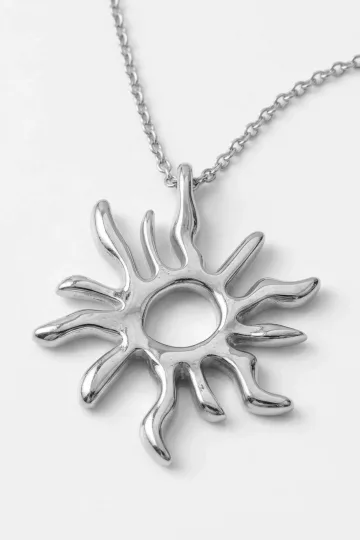
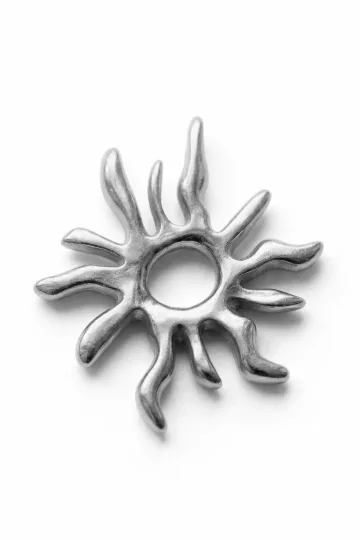
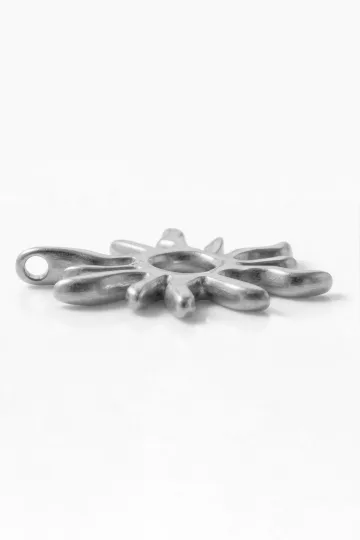
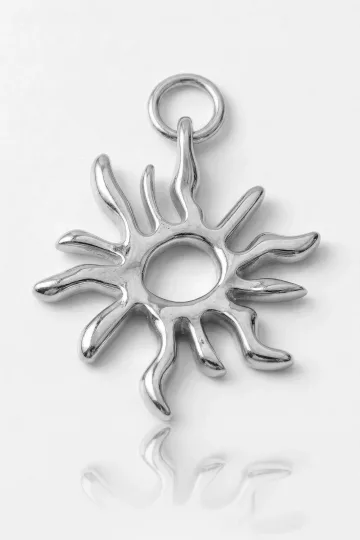
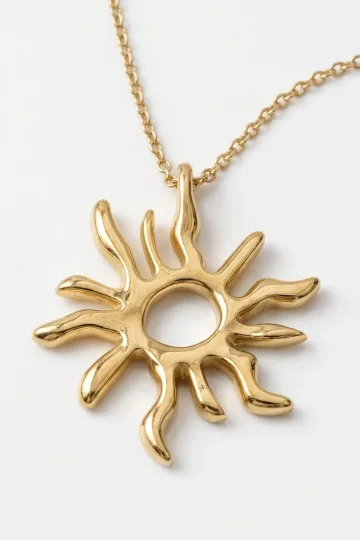
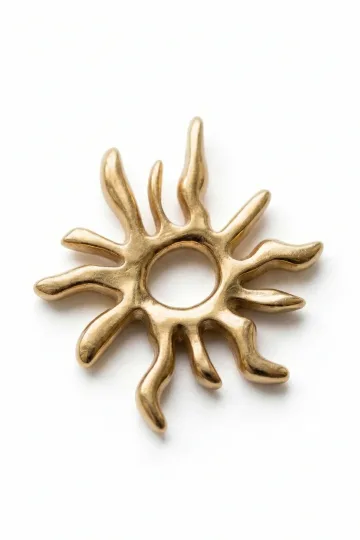
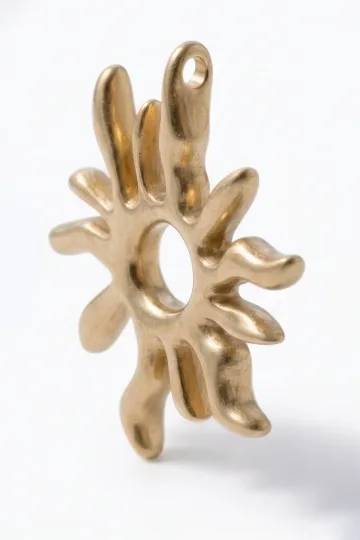
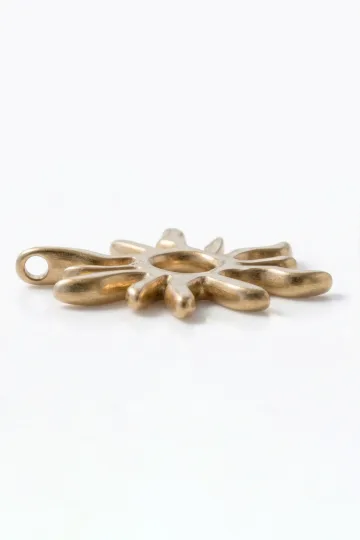
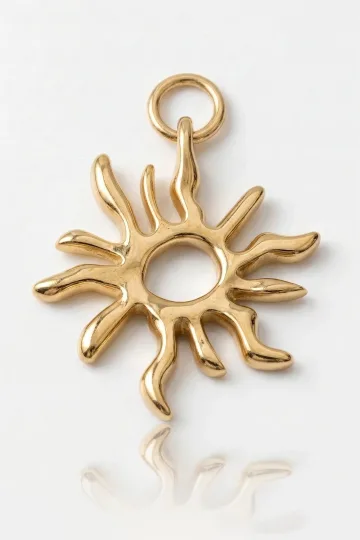
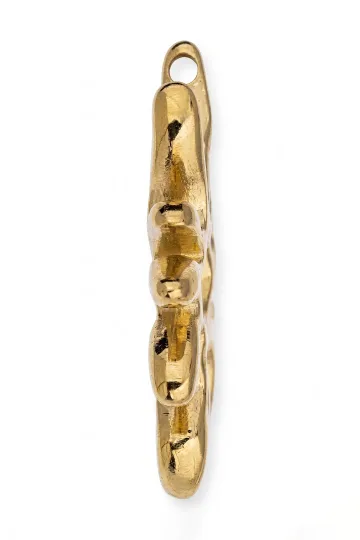
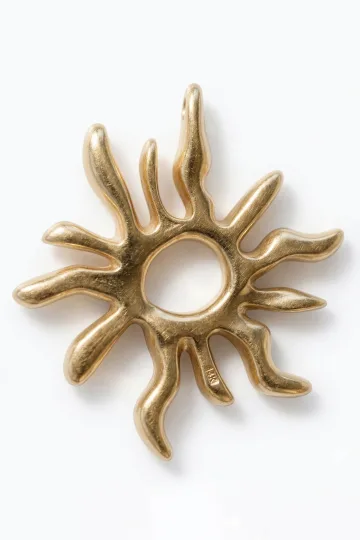
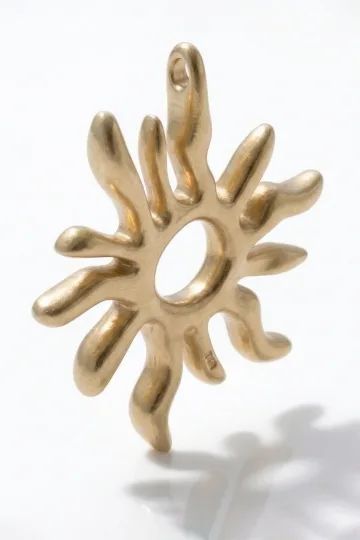
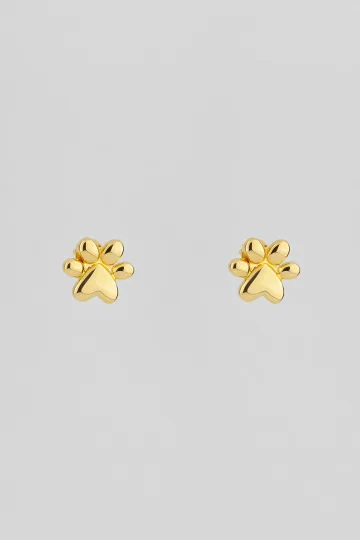
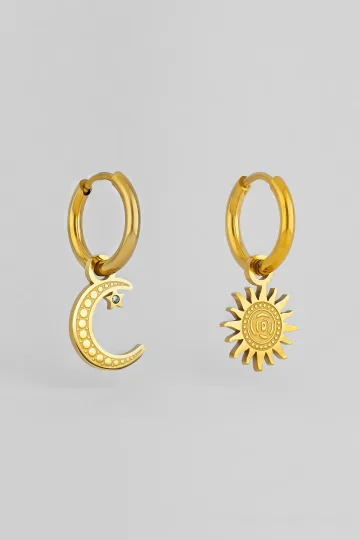
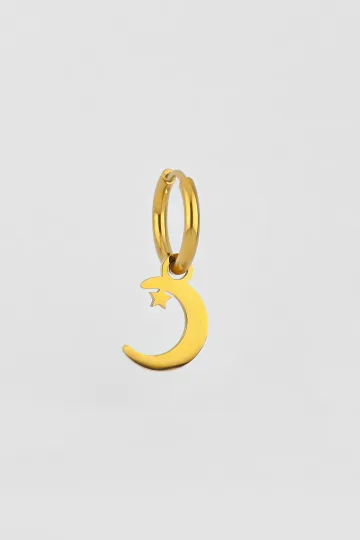
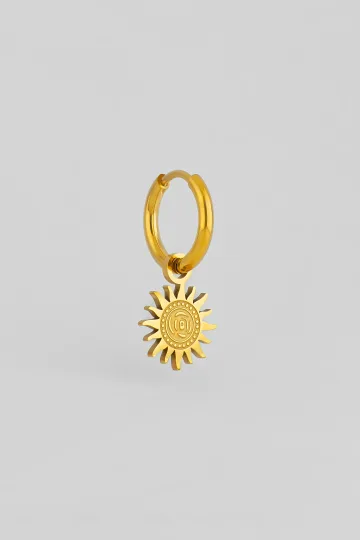
Wear the symbol, don't just read about it. These are in stock:
Undertone to Metal: Specific Recommendations
Warm undertone
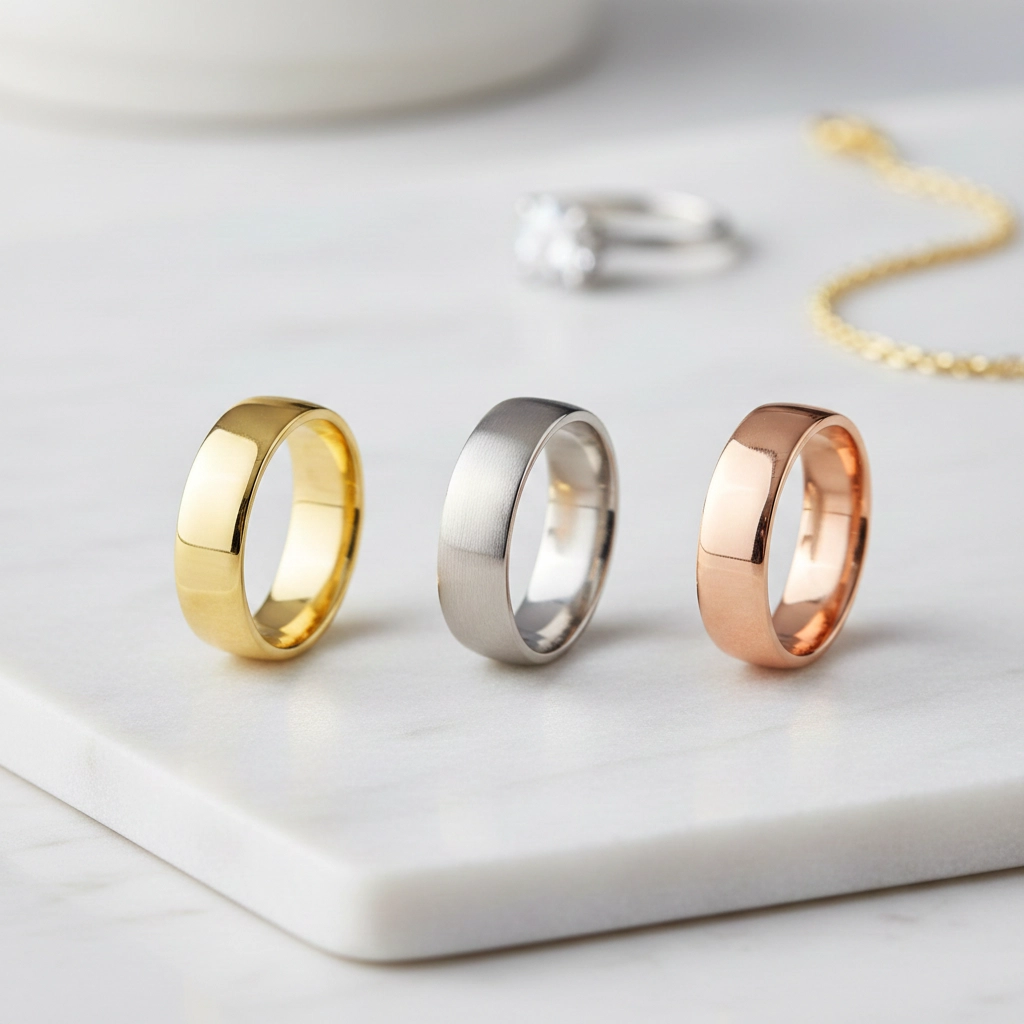
Your metal: gold-toned. Brass with coating, yellow gold, rose gold, bronze.
Why: gold-toned metal echoes the warm tint of the skin. They are on the same wavelength, literally (warm colours cluster on the same part of the visible spectrum). A brass pendant on warm skin looks as though it is part of the body: natural, organic, like it belongs.
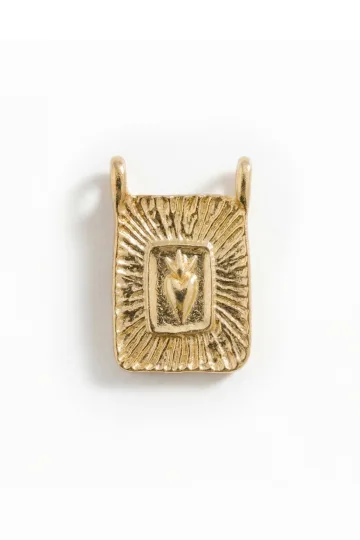
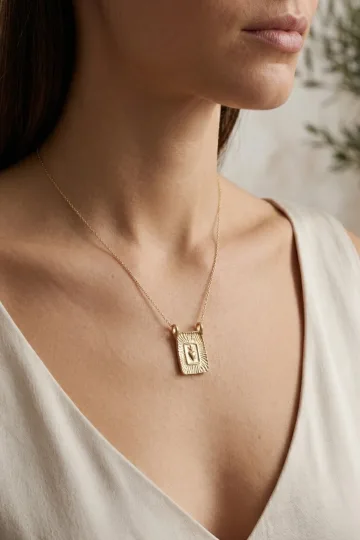
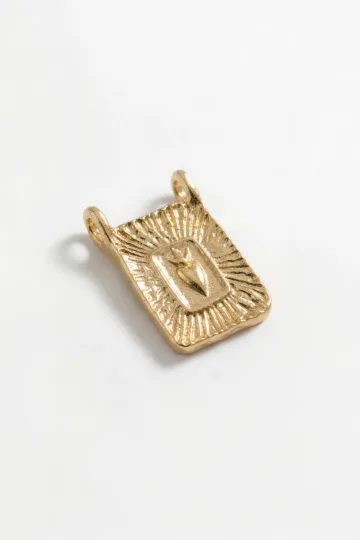
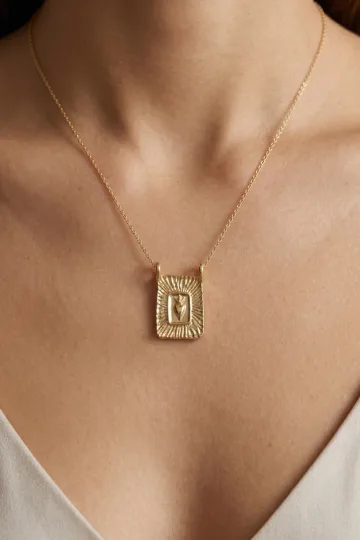
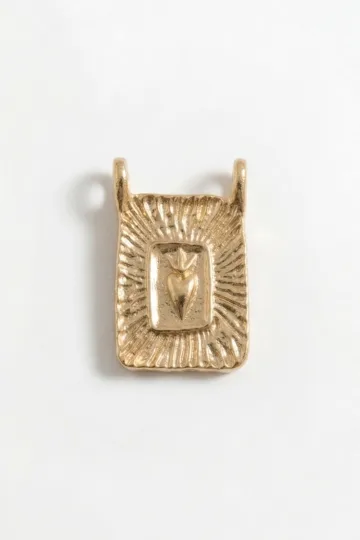
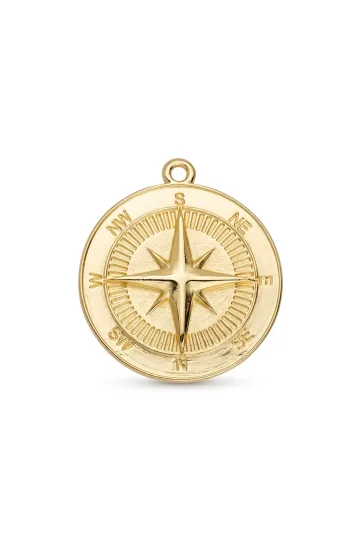
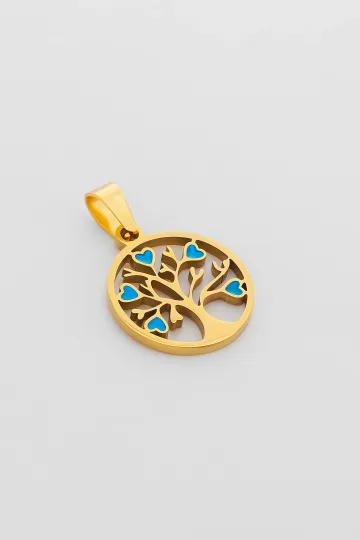
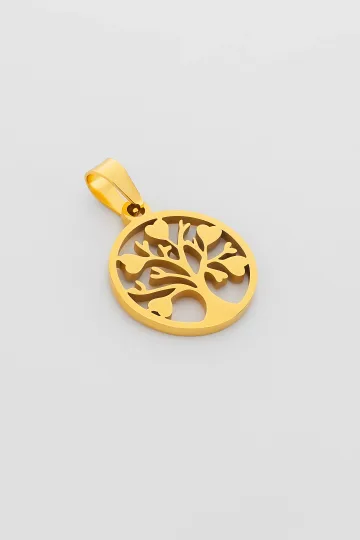
Zevira pendants in gold tone: sacred heart, nazar (brass plus blue enamel, the contrast is beautiful on warm skin), hamsa, jerezana in gold finish, compass gold, tree of life.
Avoid: pure silver tone (cool stainless steel without coating) can give a "clinical" effect on warm skin. Not disastrous, but gold-toned will look noticeably better in comparison.
Real-world example. Think of modern pop icons with warm golden undertones who almost exclusively wear gold-toned jewellery. Gold simply looks like it was invented for warm skin. Silver can appear in such choices but is typically paired with enough warm elements to balance it.
Cool undertone
Your metal: silver-toned. Stainless steel, white gold, platinum, rhodium-plated silver.
Why: silver-toned metal highlights the pinkish or bluish tint of the skin. Creates an impression of clarity, freshness, precision. On cool skin, a silver chain looks as though it has always been there.
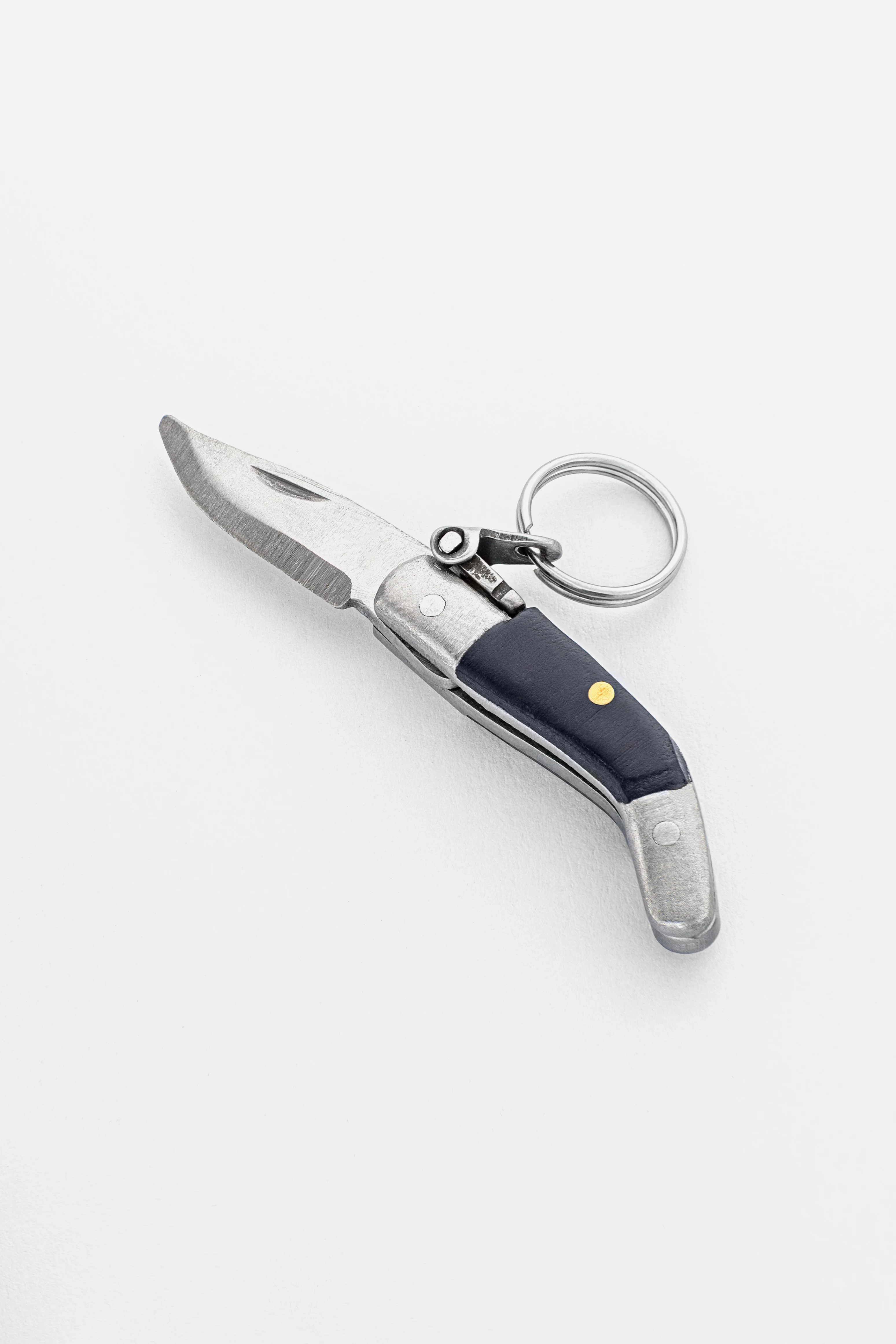
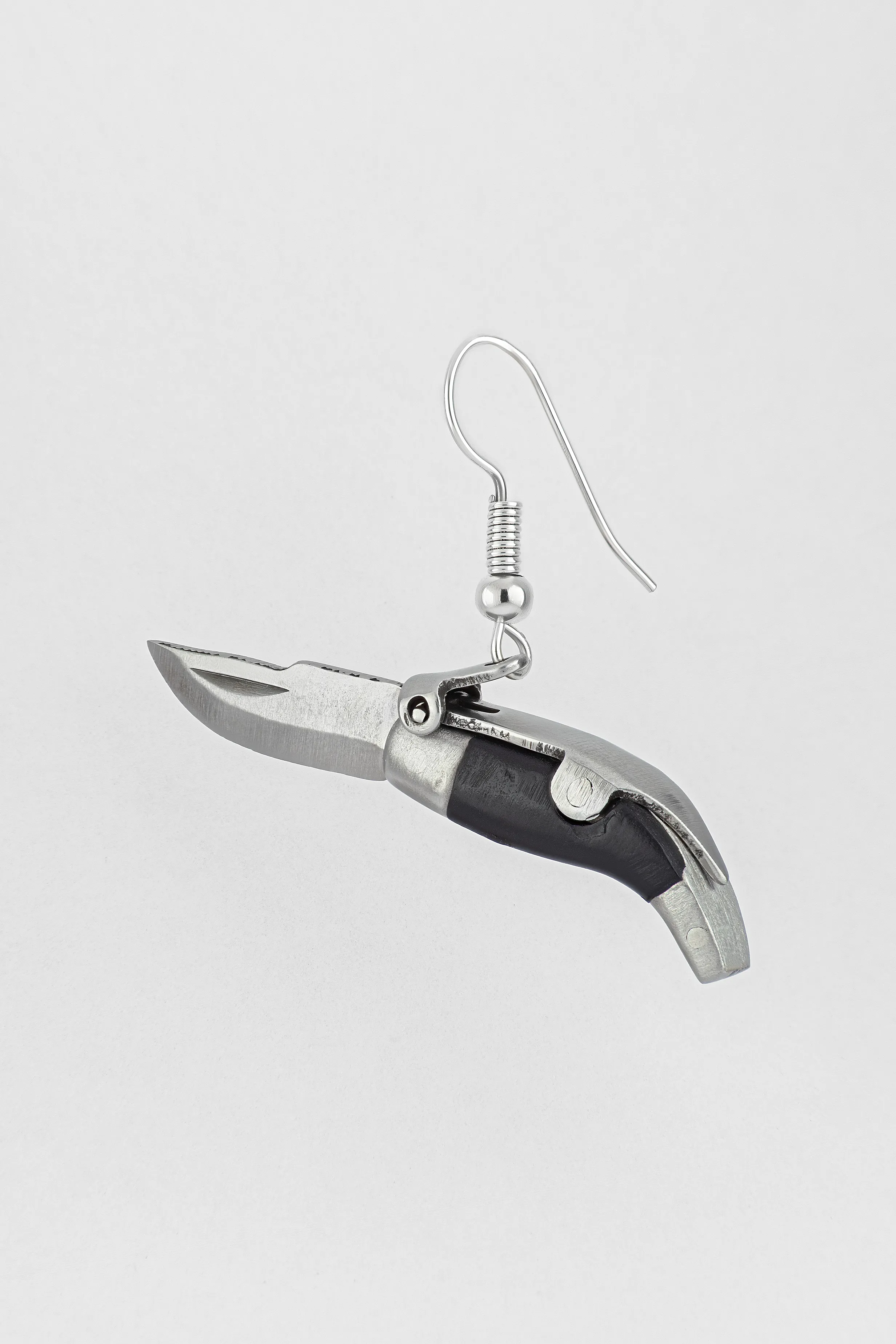
Zevira pendants in silver tone: navajas in stainless steel (the cool steel gleam of a navaja is a natural fit for cool undertone), anchor, punta de espada, compass steel.
Avoid: yellow gold tone on cool skin can look "dingy" or yellowed. Rose gold is an exception: it often works on cool undertone as well (the pink overtone in rose gold matches the pinkish skin undertone).
Real-world example. Picture someone with a classic cool undertone: fair skin with a pinkish or bluish cast. Platinum, white gold, and silver look sharp, clean, and elevated against that kind of skin. Gold would warm the face in a way that fights its natural coolness.
Neutral undertone
Your metal: any. Genuinely, any.
Why: neutral skin is a balance of warm and cool. Both gold-toned and silver-toned look good. You can mix tones without conflict: a silver chain plus a gold pendant on neutral skin looks like a deliberate contrast, not a mistake.
That is roughly 20 to 30% of people. If you cannot determine your undertone after all four tests, you are most likely neutral. Congratulations: your palette is the entire catalogue.
Real-world example. Someone with a neutral undertone can wear gold, silver, emeralds, rubies, everything works because the skin does not pull strongly in either direction.
Seasonal Colour Types: A Deeper System
Stylists have taken undertone theory further, dividing people into four "seasons" based on the combination of hair colour, eye colour, and skin tone. This is more refined than undertone alone and can help you choose not just metal tone but also stone colours and enamel accents.
Spring (warm, light, clear)
Light to medium skin with peachy or ivory tint. Light or reddish hair (strawberry blonde, golden brown, light auburn). Green, blue, light brown, or hazel eyes.
Metal: light gold-toned. Not heavy antique gold, but fresh, gleaming, polished. Brass with coating in light gold tone. Rose gold works beautifully on spring types.
Stones and enamel: turquoise, coral, peridot, light blue. The nazar with blue enamel on a gold base is ideal for spring: the blue is vivid without being heavy, and the gold is fresh.
Avoid: dark, heavy metals (gunmetal, antique bronze). They overpower the lightness of spring colouring.
Typical look: fair-complexioned people with peachy or ivory skin and light, warm-toned hair. They tend to suit lighter gold tones and rose gold.
Summer (cool, muted, soft)
Light or medium skin with pinkish tint. Ashy blonde, mousy brown, or light grey hair. Grey, blue, grey-green, or soft hazel eyes.
Metal: silver-toned, muted. Stainless steel with a matte or brushed finish. Rhodium-plated silver. Not too shiny: summer is not about sparkle, it is about softness. A polished mirror finish can look harsh on summer colouring.
Stones and enamel: rose quartz, lavender, pale blue, grey. Soft, muted tones that do not shout.
Avoid: bright, shiny gold. Too much warmth overwhelms summer's cool softness. If you want gold as a summer type, stick to rose gold or matte brass.
Typical look: people with light or medium skin in a pinkish, muted range and ashy or soft-toned hair. Silver and understated metal finishes suit them best.
Autumn (warm, deep, muted)
Medium or olive skin with golden tint. Chestnut, red, dark auburn, or deep brown hair. Brown, green, amber, or dark hazel eyes.
Metal: dark gold, bronze, aged brass. Autumn is the only type for whom patina on brass looks completely at home. Do not polish the brass pendant: let it darken. It will look like an ancient artefact, and that is beautiful on autumn skin. Antique finishes, oxidised metal, and warm browns are perfect.
Stones and enamel: amber, carnelian, garnet, olive green, burnt orange. Rich, earthy tones.
Avoid: cool, bright silver. It can look jarring against autumn's warmth. If you must wear silver-toned metal, choose an oxidised or antiqued silver rather than bright polished.
Typical look: people with golden or olive skin and chestnut, auburn, or deep brown hair. Warm, rich metals and earth tones are their natural territory.
Winter (cool, deep, high-contrast)
Very light or very dark skin with bluish undertone. Black, dark chestnut, or platinum blonde hair. Dark brown, black, bright blue, or vivid green eyes. The key is contrast: winter types have strong differences between hair, skin, and eye colour.
Metal: bright silver-toned. Polished stainless steel, white gold, platinum. Winter is about contrast and impact. Silver metal on high-contrast skin creates a dramatic effect. Punta de espada in polished steel on dark skin is visually powerful. Bright, clean, no patina.
Stones and enamel: deep red, emerald green, sapphire blue, black, white. High-saturation colours that match winter's intensity.
Avoid: muted, antiqued metals. They look faded and washed out on winter colouring. Winter needs shine, polish, and definition.
Typical look: people with high contrast between skin, hair, and eyes, such as very dark or very fair skin paired with black or platinum hair. High contrast, high polish, high impact.
Customer reviews
Zevira is a real jewellery shop. Genuine payments, deliveries and customer thank-yous.
🥰🥰🥰 gracias
Ok, ¡gracias! 🙂
Skin Tone + Symbol: Specific Combinations
| Undertone/Season | Best Zevira pendants | Why |
|---|---|---|
| Warm | Sacred heart gold, nazar, hamsa, jerezana gold | Gold tone plus warm symbols |
| Cool | Navajas steel, anchor, punta de espada, compass steel | Cool steel plus clean lines |
| Neutral | Everything. Mix freely | Freedom of choice |
| Spring | Nazar (blue + gold), bee gold, lotus | Fresh, light |
| Summer | Compass steel, feather silver, moon phases | Muted, soft |
| Autumn | Tree of life patina, ouroboros brass, scarab | Warm, deep, antique |
| Winter | Punta de espada polished, all-seeing eye steel, skull | High-contrast, dramatic |
Men's Section: Why This Applies to You Too
If you skipped to this section because you thought colour theory was not for you, welcome. Everything above applies to men identically. The physics of light reflecting off metal onto skin does not care about gender.
The difference is practical. Men typically choose between fewer metal tones (steel or brass/gold, rather than the full spectrum), which simplifies the decision.
For men with warm undertone: brass or gold-toned pendants. A compass in gold tone or a sacred heart in brass. The warmth of the metal complements warm skin without looking like "too much." More on first jewellery for men.
For men with cool undertone: stainless steel. The default "masculine" metal is already your best match. A punta de espada, an anchor, or a vegvisir in brushed steel on cool skin looks sharp and deliberate.
For men with neutral undertone: lucky you. Mix freely. A brass ring plus a steel chain is not a mistake on neutral skin, it is a style choice.
The watch test. Most men already own a watch. Is it silver/steel or gold-toned? Whichever you gravitated toward instinctively is probably your undertone match. Your subconscious knew before you did.
Beards and undertone. A thick beard covers the jawline and neck, which reduces the area where metal and skin interact. If you have a full beard, the metal tone matters most at the chest (where the pendant sits) and the wrist (where a bracelet sits). Test on those areas specifically.
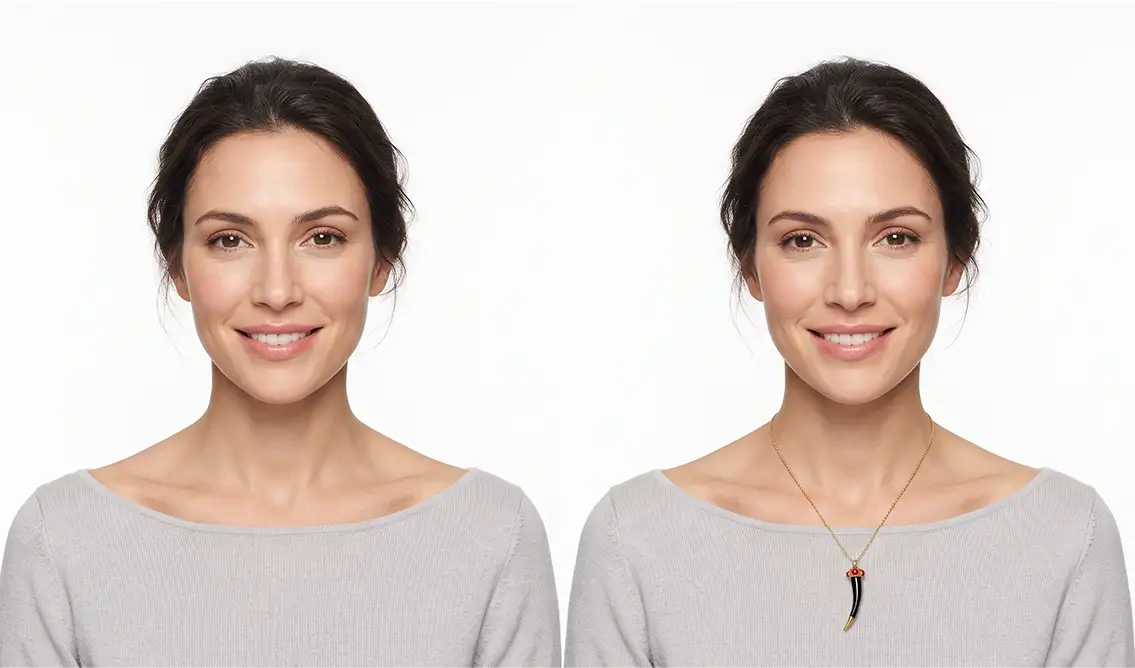
Turn on your camera, pick earrings, a pendant or a ring, and see the piece on yourself in real time.
Switch items in one tap.
Everything runs in your browser: no photo or video is ever uploaded.
Mixing Metal Tones: The Rules and When to Break Them
The two-tone rule
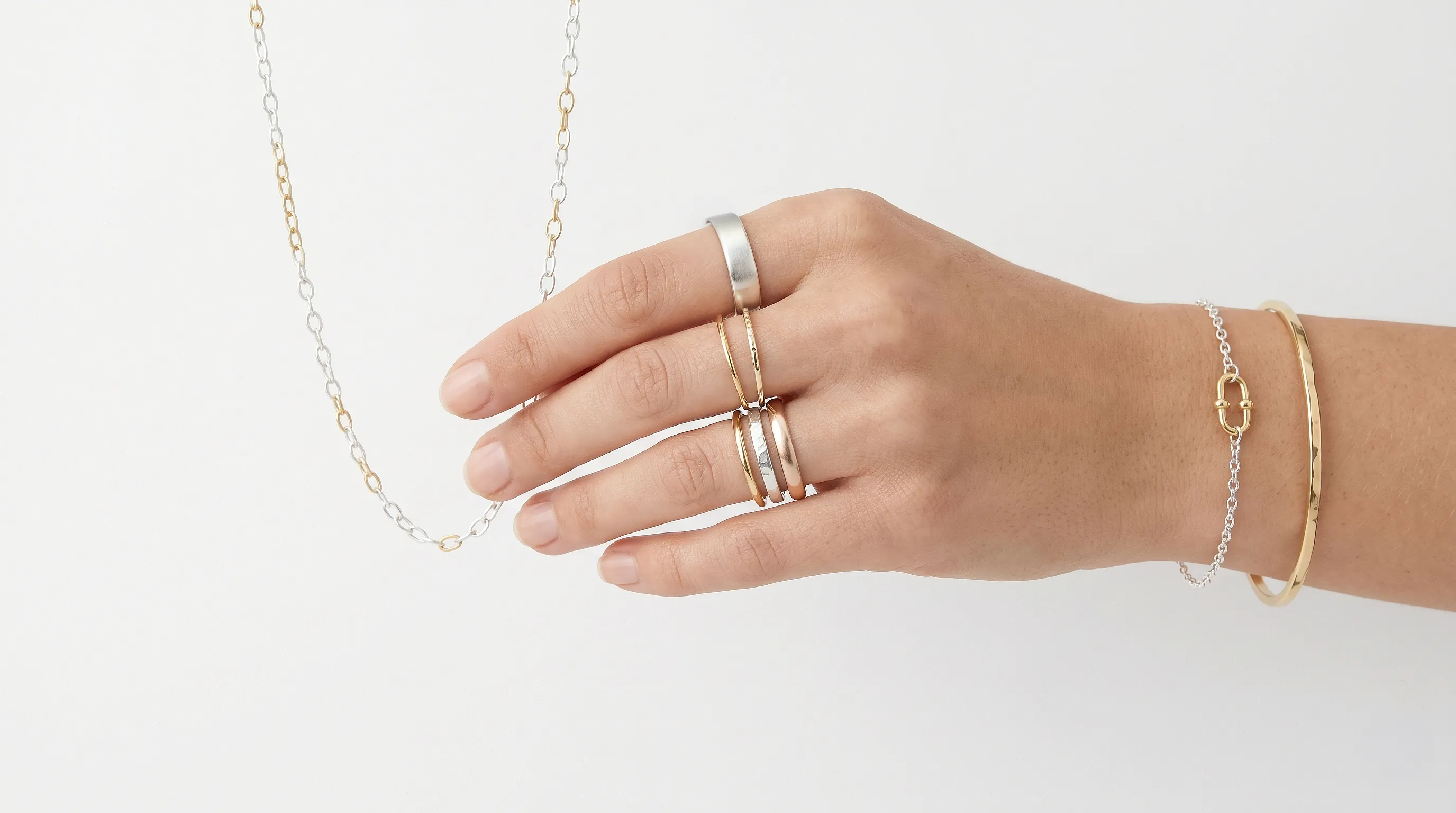
Silver plus gold on the same neck is fine. Silver chain plus gold pendant equals contrast. Gold bracelet plus silver ring equals acceptable. The key: no more than two tones at once. Three or more (silver plus gold plus rose gold plus gunmetal) equals visual noise.
The "bridge" technique
If wearing two tones, use a "bridge": a piece that contains both tones. A pendant with a gold base and silver details. Or earrings where one element is gold, the other silver. The bridge "explains" the mix and makes it look intentional rather than accidental.
Who mixing suits best
Neutral undertone, naturally. But anyone can mix tones with the right bridge piece. The trend toward mixed metals has been growing since the 2010s, and the old "rule" of matching all metals is largely dead in modern styling.
Mixed metals in practice
Start with your dominant tone (the one that matches your undertone) and add the secondary tone as an accent. If you are warm: gold chain, silver pendant detail. If you are cool: silver chain, gold-toned pendant. The dominant tone carries the look, and the accent adds interest.
How Lighting Changes Everything
This is the part most guides skip, and it matters enormously for anyone who works indoors.
Warm light (candles, incandescent bulbs, golden-hour sunlight). Silver metal looks warmer and almost golden. Gold metal looks even richer and warmer. Under warm light, almost any metal looks good on any skin. This is why candlelit dinners are universally flattering.
Cool light (office LEDs, fluorescent tubes, overcast daylight). Gold metal dulls and can look brassy or sallow. Silver metal shines and looks clean. If you spend eight hours a day under cool office lighting, silver may look better on you even if you have a warm undertone. The lighting overrides the skin.
Mixed light (typical indoor environment). Most rooms have a mix of warm and cool sources. The effect shifts depending on where you are sitting. In these environments, both metal tones work reasonably well.
Screen light (video calls). Laptop cameras under typical home or office lighting tend to wash out warm tones and amplify cool ones. On a Zoom call, silver jewellery reads more clearly than gold. If you are on camera frequently, this is worth considering.
The practical takeaway. If you work in a cool-lit office all day and spend evenings in warmly lit restaurants, consider owning two versions of your favourite pendant, one in steel, one in brass. Switch by context. Or wear the tone that matches your skin and accept that it will look slightly different under different lights.
Artisan-crafted CAPAORA navaja pendant
A 40 mm stainless-steel navaja with a real folding mechanism and Palanquilla lock. An affordable gift to remember.
A code for blog readers:
10% off your first order
Authentic · Maker's guarantee · Ships from Spain
When the Rules Do Not Work
Tan changes everything (temporarily)
After a holiday the skin darkens and the warm undertone intensifies, even on naturally cool-toned people. A silver pendant that sat perfectly in January may look pale against bronzed July skin. Gold-toned will shine more. Some people swap metal tones by season. Two pendants, one steel and one brass, solve the issue. Think of it as having a summer and winter wardrobe for jewellery.
Clothing matters more than skin (sometimes)
Metal tone should work both with skin and with clothing. A gold pendant plus a white shirt equals classic on any undertone. Silver plus black equals drama on any undertone. A navy suit calls for silver or white gold. A brown leather jacket calls for brass or gold.
In professional settings, where clothing is more uniform, the clothing-metal match may outweigh the skin-metal match. A lawyer in a charcoal suit looks sharper with silver regardless of undertone.
Hair colour affects perception
Hair colour frames the face, and the metal tone interacts with it. Golden or strawberry hair amplifies warm metals. Ash blonde or silver-grey hair amplifies cool metals. Black hair works with either but particularly shines with high-polish silver or bright gold (high contrast).
If you have recently changed your hair colour significantly (e.g., from brown to platinum blonde), your "best" metal tone may shift.
Personal preference beats theory
Every rule above is a recommendation, not a law. If you like gold tone on cool skin, wear it. If silver on warm skin, wear it. The rules exist for those who do not know where to start. Once you know your style, the rules become guidelines that you can choose to follow or ignore.
Six fast checks, no tools. Leave your email, we'll send the PDF and a discount code.
No spam, unsubscribe anytime.
Testing at Home
Not sure after all the theory? Here is the empirical approach.
Order two affordable pieces: one in steel tone, one in brass or gold tone. Put each on in daylight, by a window, not under a lamp. Photograph them. Compare the photos.
The difference is often more visible in photos than in a mirror: the camera does not flatter. Look at the skin around the pendant. Does it look healthy, even, alive? Or does it look grey, sallow, or washed out? The metal that makes your skin look better is your match.
The cost of the experiment is about two cups of coffee. But after that, every future jewellery purchase will be precise. You will never stand in a shop wondering "gold or silver?" again.
Metal and Tattoos
If you have tattoos, the ink on your skin becomes part of the equation. Tattoos interact with metal in ways that most guides overlook.
Black and grey tattoos harmonise with silver-toned metal. The cool tone of steel or white gold sits cleanly against monochrome ink, creating an industrial, cohesive look. A stainless steel pendant resting on a blackwork tattoo sleeve becomes part of the composition rather than a separate element.
Coloured tattoos are trickier. Warm colours in the ink (red, orange, gold, amber) pair well with gold-toned metal. Cool colours (blue, purple, green) pair better with silver. If your tattoo has both warm and cool tones, you are back to the neutral undertone rules: either tone works, or mix deliberately.
Placement matters too. A bracelet sitting over a wrist tattoo creates a layered visual. A pendant on a bare chest reads differently from a pendant resting on tattooed skin. Neither is better, but they are different, and being aware of the interaction helps you make intentional choices rather than accidental ones.
For heavily tattooed skin, the metal tone matters most where skin is still visible: the face, the hands, the neck above the tattoo line. Those bare patches of skin are where the undertone shows through, and that is where the metal-skin interaction happens most visibly.
Metal and Eyeglasses
This is the factor most people forget entirely: your glasses frame is the dominant metal element on your face. It is there all day, every day, and it interacts with earrings, necklaces, and even rings more than you might think.
A silver-toned metal frame calls for silver-toned jewellery. A gold frame harmonises with gold-toned pieces. Tortoiseshell frames (brown-amber tones) pair naturally with warm metals. Black frames are neutral and work with either tone.
If you wear glasses daily, your frame colour should guide your earring choice, not the other way around. A gold earring next to a silver frame creates visual noise. The clash is subtle, but once you notice it, it bothers you. Matching them creates a seamless line from ear to eye.
Contact lens wearers do not have this constraint. But for the millions of people who wear glasses every day, the frame is a silent partner in every jewellery decision.
If you recently switched from a gold frame to a silver one (or vice versa), you may find that your favourite earrings suddenly look off. The earrings did not change. The context did.
Metal Tone in Professional Settings
The metal tone of your jewellery communicates subtly in the workplace. Silver reads cooler, more professional, more restrained. Gold reads warmer, more approachable, but also more noticeable. In formal work environments (finance, law, consulting), silver-toned jewellery tends to draw less attention and is therefore "safer." In creative environments (design, media, advertising), both tones work equally well.
A practical note for anyone who presents regularly: consider the lighting of the meeting room. Cool office lighting (LED panels, fluorescent tubes) makes gold look dull and silver look sharp. Warm lighting (halogen, warm-white LEDs) makes gold glow and look inviting. If your presentation room has cool lighting, a silver pendant will read more clearly on camera and in person. If the room has warm lighting, gold will shine.
For video calls specifically, the laptop camera combined with typical home or office lighting tends to wash out warm tones and amplify cool ones. Silver jewellery reads more clearly on screen. Gold can look muddy unless your lighting setup is deliberately warm. If you spend significant time on camera (remote work, content creation, teaching), factor this into your metal choice.
Send a friend a discount code, they save on their first order.
Metal Tone and Occasion
The situation can influence your metal choice just as much as your skin tone.
Formal events. Silver and white gold project professionalism and restraint. Gold projects warmth but also draws the eye. For a job interview or business meeting, silver-toned pieces are the "quieter" choice, which may be exactly what you want.
Evening and social events. Warm artificial light (candles, incandescent bulbs, restaurant lighting) makes gold glow. A gold-toned pendant in candlelight looks rich and alive. Silver loses nothing under warm light either, it just takes on a warmer cast. Both work, but gold thrives here.
Summer and outdoors. A tan intensifies warm undertones. Gold harmonises with sun-kissed skin particularly well. A brass pendant on tanned summer skin is a combination that works effortlessly. Silver on deeply tanned skin can create a striking contrast, which may be exactly what you want, or it may feel too sharp.
Winter and cold weather. Paler skin, cooler light, darker clothing. Silver and steel read crisp and precise. Gold needs warmer clothing tones (camel, burgundy, mustard) as support, otherwise it can feel orphaned against a grey sky and grey coat.
Some people own two versions of their favourite pendant for this reason: one in steel for winter, one in brass for summer. That is not extravagance. That is practical colour theory applied to real life.
Seasonal Adjustment in Practice
Your effective metal match can shift with the calendar, and it is worth paying attention to this if you wear jewellery daily.
In summer, skin darkens from sun exposure, and warm undertones intensify, even on people who are naturally cool-toned. A silver pendant that looked perfect in January may look pale and clinical against bronzed July skin. Gold-toned metal will pop more. The shift is temporary but real.
In winter, skin lightens, undertones become subtler, and cool tones emerge more clearly. Silver and steel look sharp. Gold needs warmer clothing colours as a counterpoint, or it can feel lost against pale skin and grey skies.
The practical solution is simple. If you notice your jewellery looking "off" at certain times of year, try swapping the metal tone for a season. Two affordable pendants, one in each tone, let you rotate by season without spending much.
Colour Psychology: Why Metal Tones Trigger Feelings
One last point that rarely gets mentioned: metal tones trigger unconscious psychological associations.
Gold is subconsciously associated with warmth, generosity, success, and tradition. People who wear gold-toned jewellery tend to be perceived as more approachable and warmer.
Silver is associated with coolness, precision, modernity, and restraint. Silver wearers are perceived as more professional and slightly more reserved.
These associations are cultural, not universal. In India, gold is the standard metal for all occasions. In Scandinavia, silver dominates. In the United States, both are equally common. But in any given cultural context, the metal tone on your body is communicating something nonverbally, whether you intend it to or not.
What this means for you: the metal tone of your jewellery speaks before you do. It is worth choosing consciously, not just based on skin tone, but also based on the impression you want to make.
Weight Changes and Metal Perception
Significant weight changes can slightly shift how your skin tone reads. This is less about your undertone changing and more about skin thickness and blood flow affecting colour perception.
If you lose weight, skin tends to become lighter and the undertone becomes more visible. A cool undertone that was subtle at a heavier weight may become more pronounced. Similarly, weight gain can make more skin surface appear warmer, even on people with cool undertones.
This does not mean your fundamental type changes. Your DNA has not changed. But the perception can shift enough that a metal tone that looked good before may look slightly different after a significant body change. If your rings feel different and your favourite pendant looks off after losing or gaining weight, it may not be your imagination. Try the gold-silver test again. Your answer may have shifted slightly.
Silver and gold jewellery, wedding bands, symbolic pendants, paired sets.
Wear the symbol, don't just read about it. These are in stock:
FAQ
Does skin undertone change with age? Marginally. The basic undertone is innate. But with age, skin can become slightly more yellow (warm) or pink (cool) due to changes in blood vessels and pigmentation. The fundamental type does not change drastically.
Do dark-skinned people always have a warm undertone? No. Dark skin can have both cool (bluish) and warm (golden) undertones. The vein test works on any skin colour. One person with deep skin may have a cool, bluish undertone that suits silver; another with equally deep skin may have a warm, golden undertone that suits gold. Same depth of skin, different metal palettes.
Is rose gold warm or cool? Transitional. It contains gold (warm) and copper (pink, which leans cool). It works on most undertones. If you cannot decide between gold and silver, rose gold or brass with pink coating is a safe bet.
Can I wear a tone that is "not mine"? Yes. The rules are guidelines, not laws. If you like it, wear it. Many stylists recommend "your" tone for daily wear and the "contrasting" tone for evening, since contrast draws attention.
How do I determine my undertone if I am deeply tanned? Wait for the tan to fade. Or do the vein test on the inside of the forearm, where tanning is minimal.
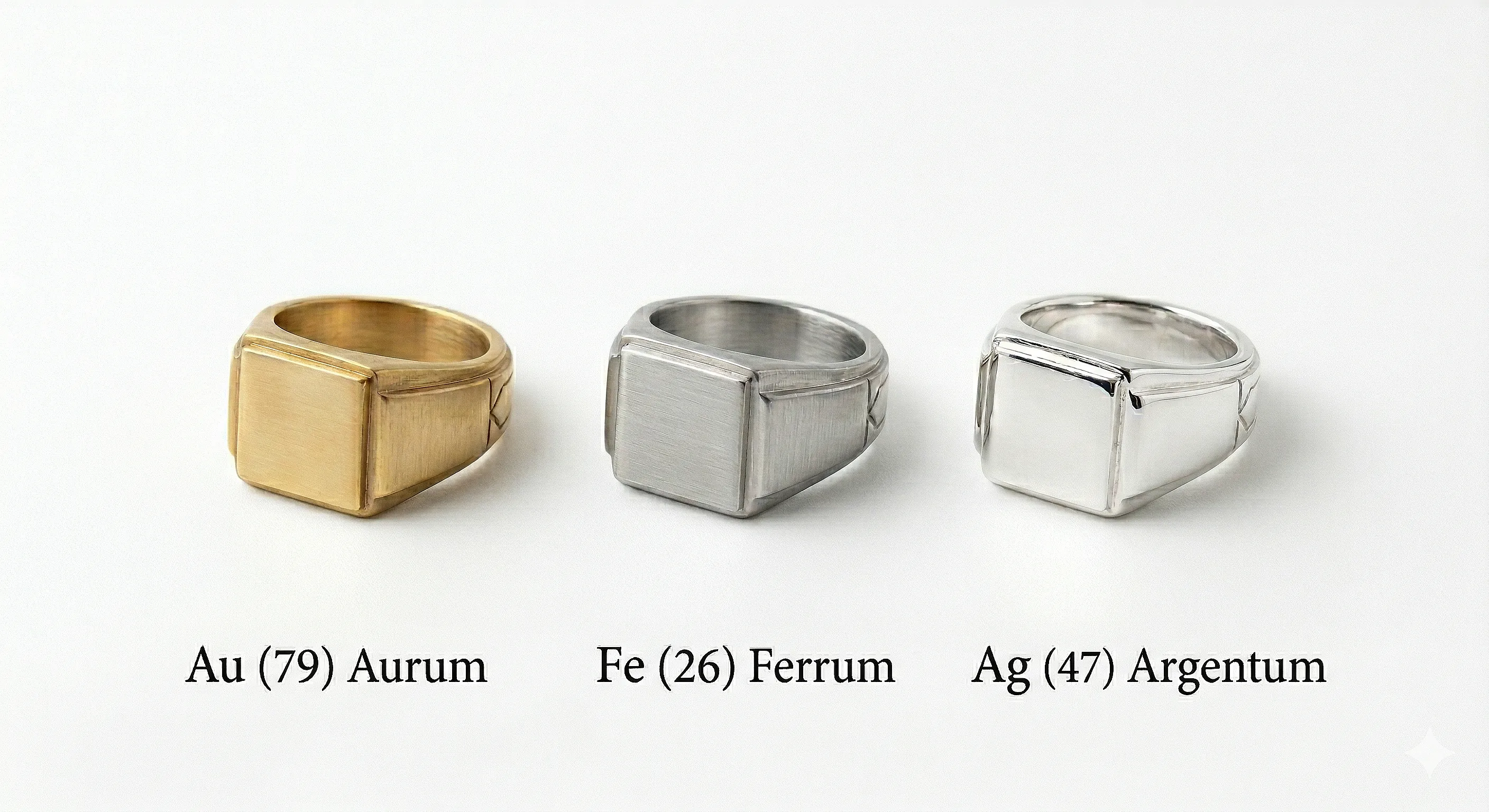
Is stainless steel always silver-toned? Without coating, yes. With PVD coating it can be gold, rose, or black. But the base tone of steel is cool silver.
Do different metals look different on camera for video calls? Yes. Laptop cameras under cool office light tend to make gold look slightly dull and silver look bright and crisp. If you are on camera regularly (remote work, content creation), silver-toned pieces may photograph better. Gold can look great on camera too, but it needs warmer lighting.
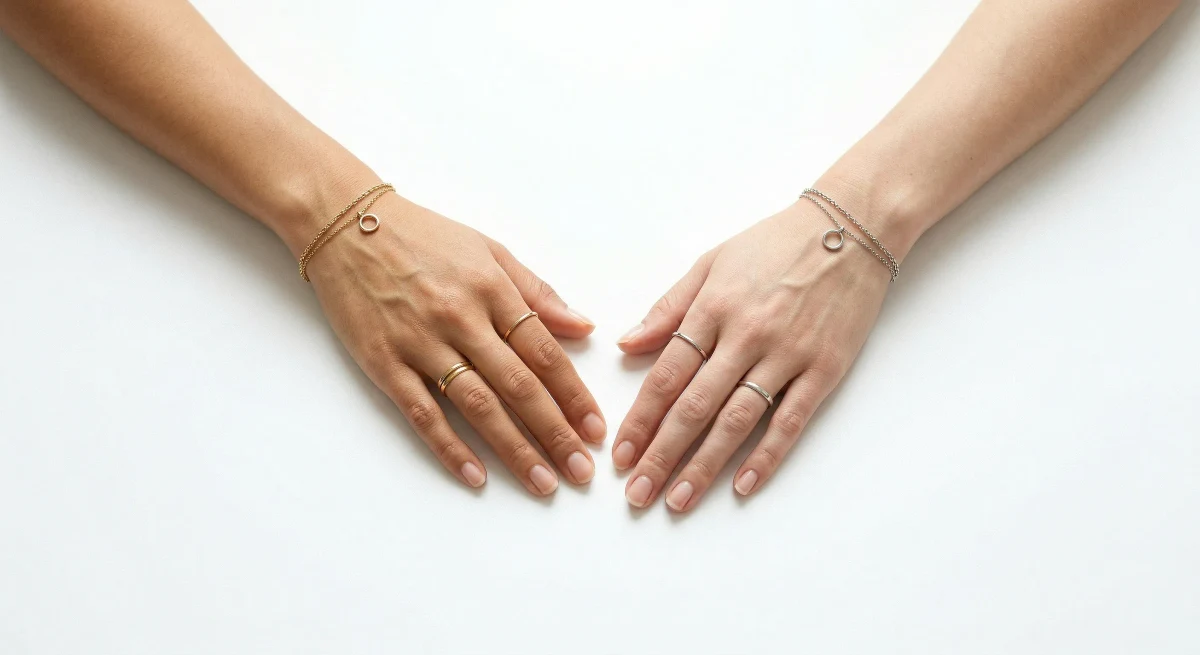
My partner and I have different undertones. Can we wear matching jewellery? Yes. Choose a symbol you both connect with and get it in different metal tones. A compass in gold for the warm partner and a compass in steel for the cool one. Same meaning, optimised for each person.
About Zevira
Zevira makes jewellery by hand in Albacete, Spain. We release one symbol in several metal tones at once, so you can match a pendant to a warm, cool, or neutral undertone without giving up the meaning.
What you can find with us on the topic of metal tone and skin undertone:
- Gold-toned pieces (brass, yellow and rose plating) for warm undertones
- Silver-toned pieces (stainless steel, rhodium-plated silver) for cool undertones
- Paired sets in two metals: one tone for a partner with warm skin, another for cool
- Hypoallergenic options (316L steel, 925 silver) for sensitive skin
- The same symbol in different tones, so you can switch by season and by tan
- Minimalist shapes for mixing two tones on one neck
Every piece is made by hand by a craftsman, with the option of personal engraving. Sterling 925 silver and 14 to 18K gold.