Knife Pendants and Knife Earrings: Jewelry with Character for the Bold
Brutal Jewelry: When Blade Form Becomes Art
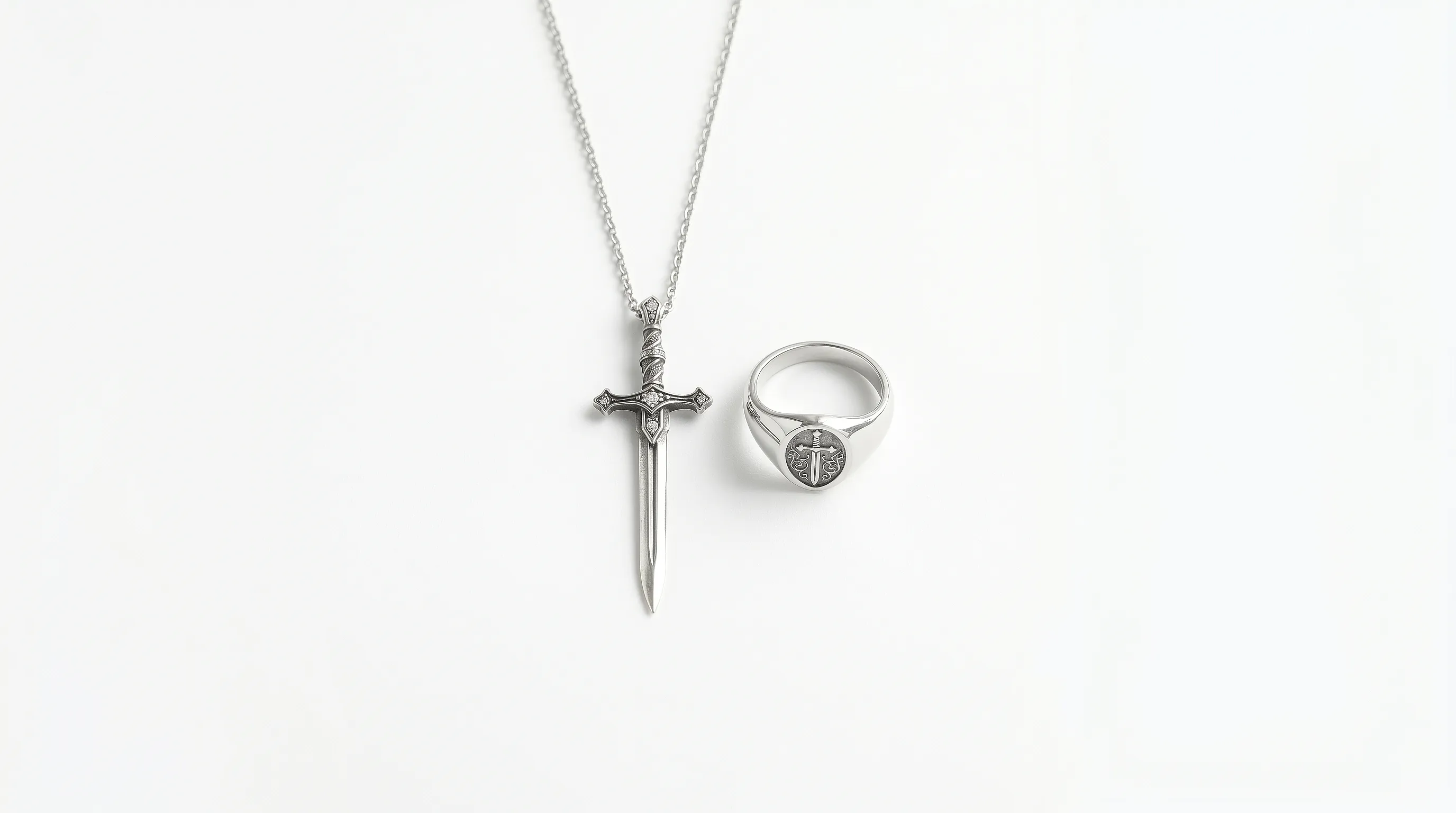
In the world of modern jewelry, a special trend is gaining popularity: knife-shaped pendants and knife earrings. These are stylish accessories inspired by the forms of historical blades, worn by both men and women who appreciate non-standard aesthetics and symbolism.
If you were looking to "buy knife pendant," "knife earrings," "blade earring," or "miniature knife pendant," you’ve come to the right place.
What Are Knife Pendants?
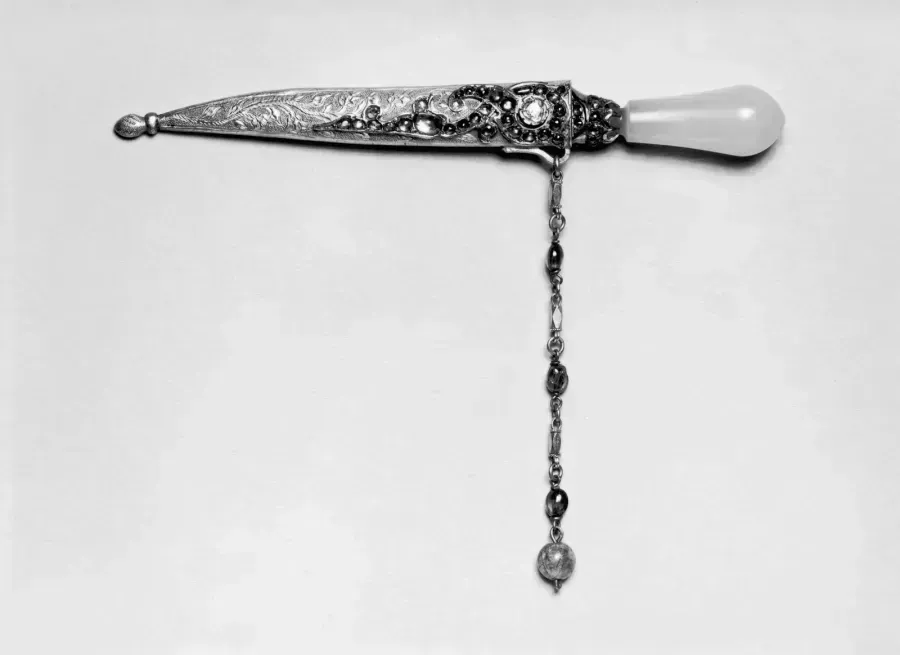
A knife pendant is a piece of jewelry made in the shape of a miniature knife or blade. The silhouette of a blade is one of the most recognizable and aesthetically powerful forms in design history. Elongated proportions, sharp geometry, and the play of light on the edges make these pieces memorable and expressive.
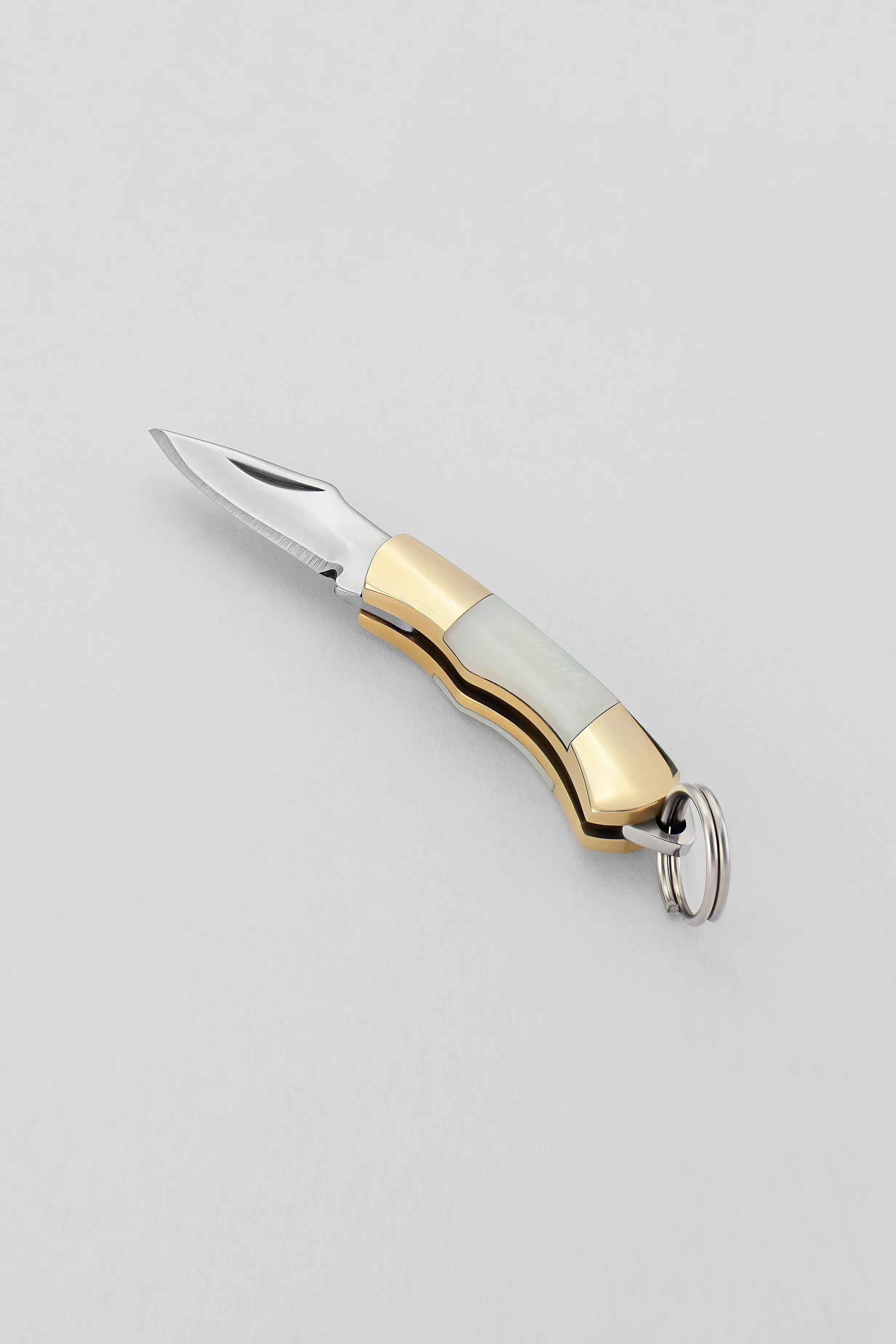
Knife pendants come in many varieties. Simple decorative pendants made of brass, knife steel, or silver are perfect for a first introduction to this aesthetic. More complex options include detailed miniatures with moving parts, reproducing historical examples of Spanish navajas or Japanese tanto. These items represent true jewelry art and traditions of manual labor.
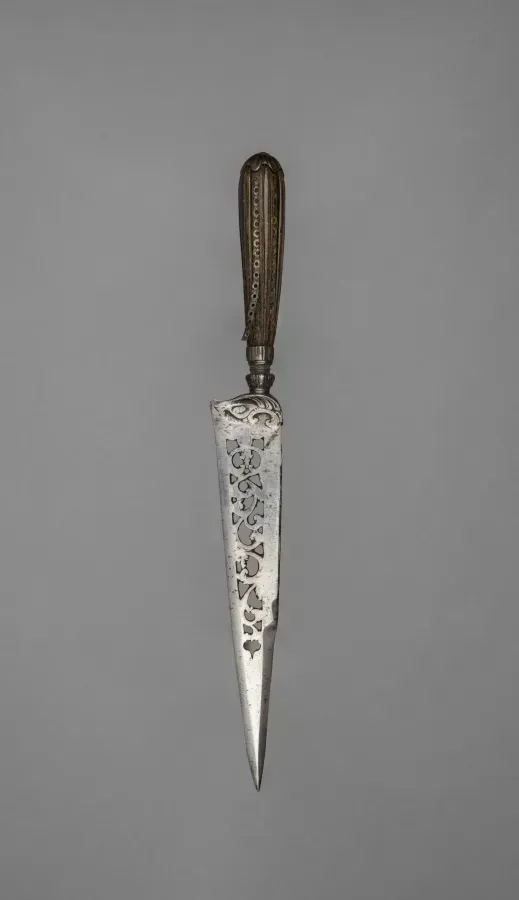
The premium segment consists of handmade historical replicas, exact copies of museum specimens from the 18th and 19th centuries. They are crafted using traditional technologies from high-quality materials and often hold the status of cultural heritage.
Knife Earrings: A Universal Trend
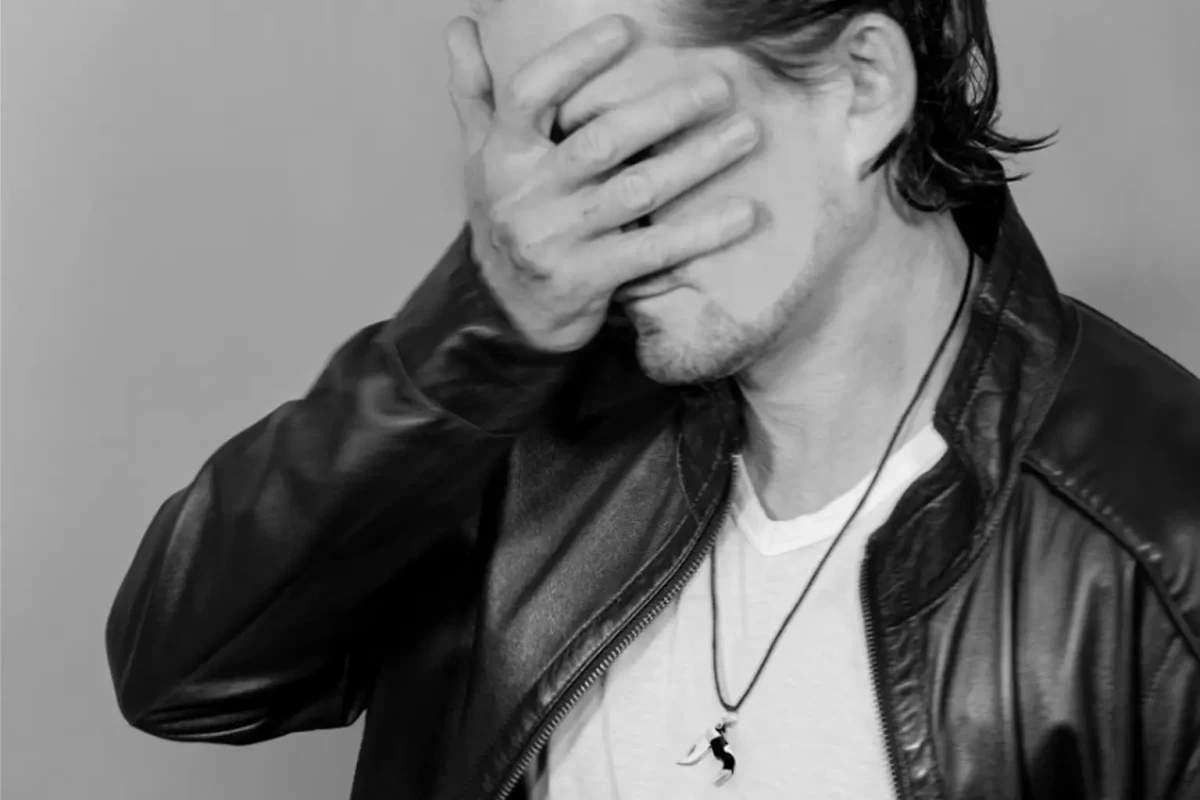
Knife-shaped earrings were once an attribute of biker and rock culture, but today they are worn by people of all styles, from office workers to creative individuals. These are universal pieces of jewelry that suit anyone who isn't afraid to be themselves.
Undoubtedly, this is a very bold and provocative ornament that says you are not afraid to stand out.
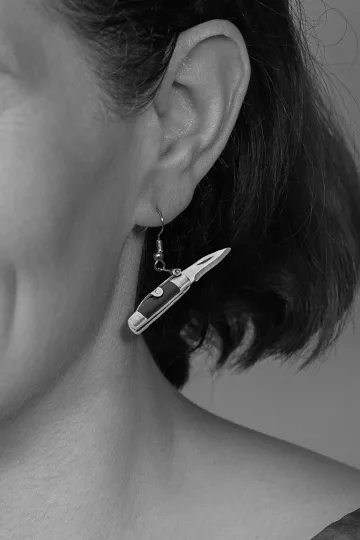
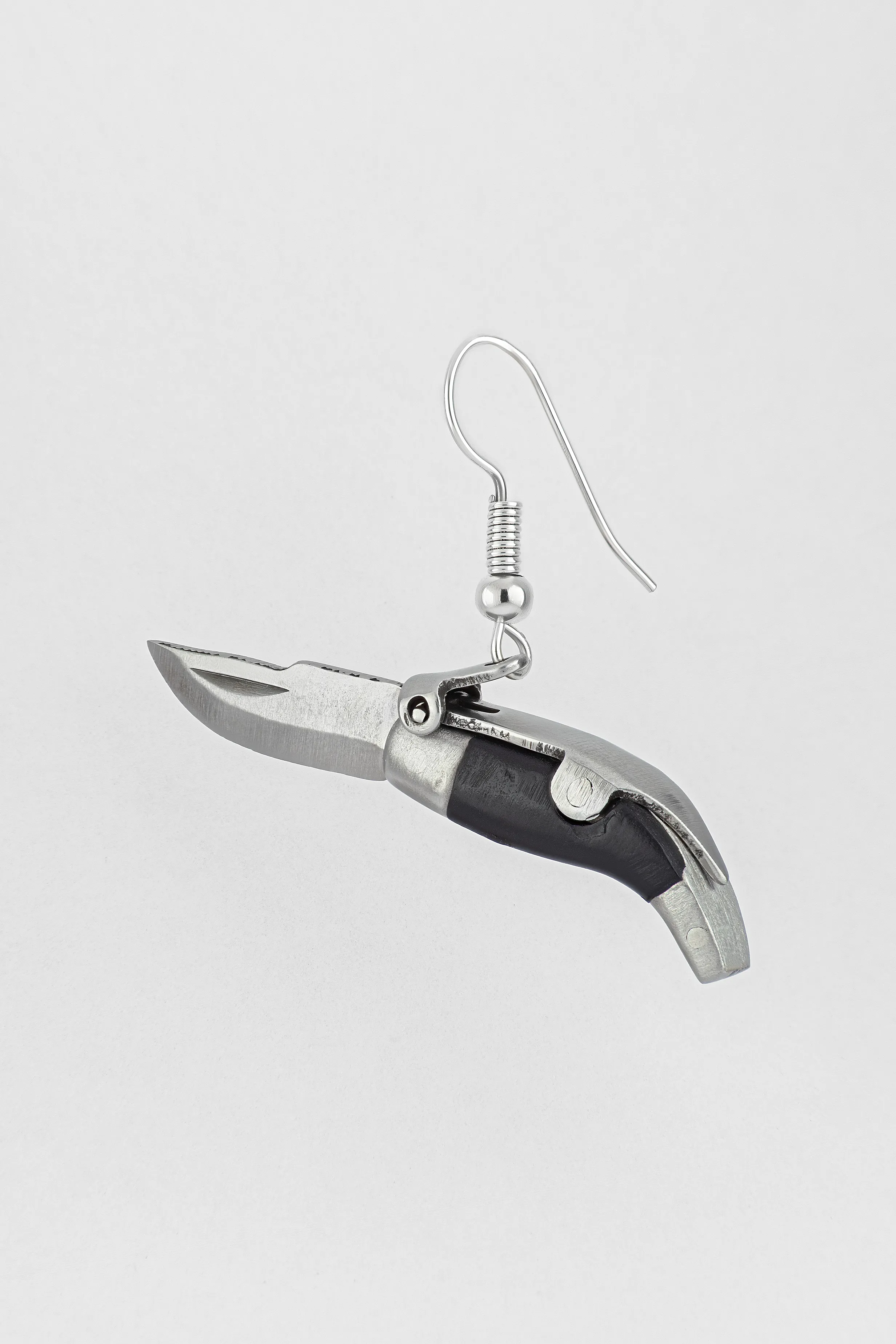
They vary greatly in shape and style. Dangle dagger earrings, 2 to 6 cm in length, look spectacular in motion and create a dramatic image. Minimalist studs in the shape of a small blade are suitable for everyday wear and look discreetly elegant. Ear cuffs wrap around the entire ear to create an "armor" effect, particularly popular in gothic aesthetics. There are also asymmetric pull-through earrings that pass through the piercing, a choice for lovers of modern minimalism.
These earrings are worn by everyone: with short haircuts, they emphasize the neckline and cheekbones; rock and gothic fans choose them as a genre classic; minimalists use them as the single bright accent in an outfit. They look especially interesting in contrast combinations. Brutal earrings with a feminine dress or an elegant blouse with knife earrings create a memorable mix of styles.
Types of Jewelry:
1. Decorative Pendants
- Cast jewelry in blade form
- Flat or 3D pendants
- Made from jewelry alloys (silver, bronze, brass)
- Stylization of different eras
- Affordable price
2. Functional Miniatures
- Detailed copies of historical knives
- With moving parts (folding mechanism)
- Reproduce specific historical models
- Collectible value
- Medium price
3. Premium Historical Replicas
- Exact reproduction of museum pieces
- Traditional materials and technologies
- Cultural authenticity
- Cultural heritage status
4. Designer/Artisan Pieces
- Unique works by master craftsmen
- Precious metals and stones
- One-of-a-kind specimens
- Objects of art
The classic Spanish archetype that most decorative knife pendants quietly reference is the Albacetena navaja, with its virolas, rebajo and the unmistakable click of the carraca. If you want to understand the original before choosing a miniature of it, read the guide to the Albacete navaja.
Knife Earrings: A Universal Trend
For All Who Aren't Afraid to Be Themselves
Knife-shaped earrings were once the domain of biker and rock culture, but today they are worn by people of various styles, from office workers to creative minds.
Types of Earrings:
Dangle Dagger Earrings
- Length from 2 to 6 cm
- Moving or static
- For single or double piercings
- Look spectacular in motion
Stud Earrings
- Minimalist option
- Shape of a small blade
- Suitable for daily wear
- Understated elegance
Ear Cuffs
- Wrap around the whole ear
- Don't always require a piercing
- Dramatic effect
- Popular in gothic aesthetics
Threader/Pull-through Earrings
- Pass through the piercing
- Often asymmetric
- Length can be adjusted
- Modern style
Who Suits Knife Earrings?
These are universal ornaments:
- With short haircuts: they highlight the neck and cheekbones
- Rock, Gothic, and Alternative fans: a classic of the genre
- Minimalists: one bright accent in the look
- Maximalists: part of a layered look
- Creative individuals: a statement of non-standard thinking
- Lovers of contrast: brutal jewelry + feminine look or vice versa
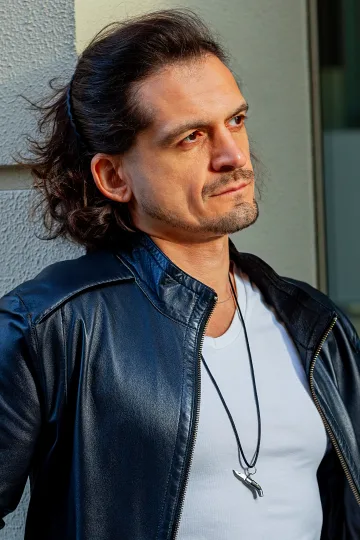
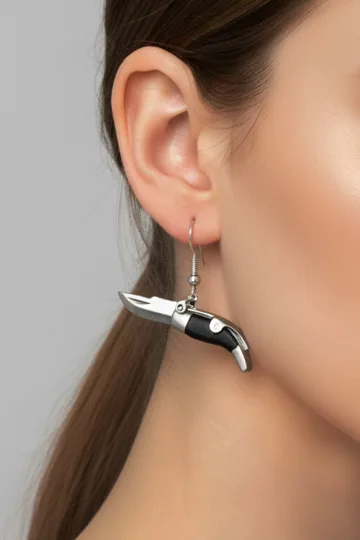
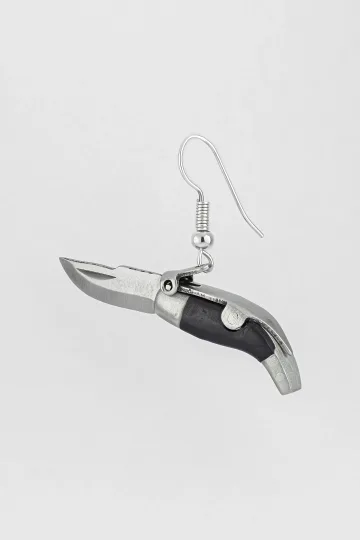
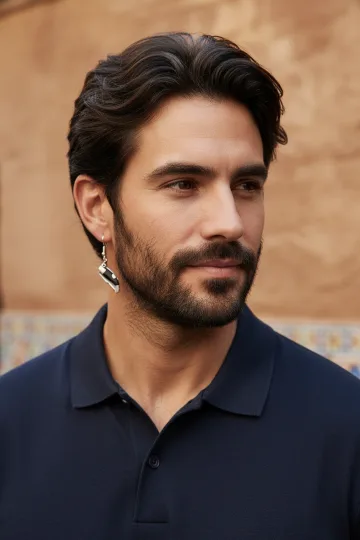
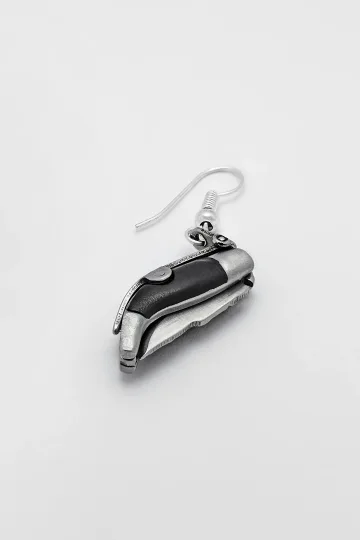
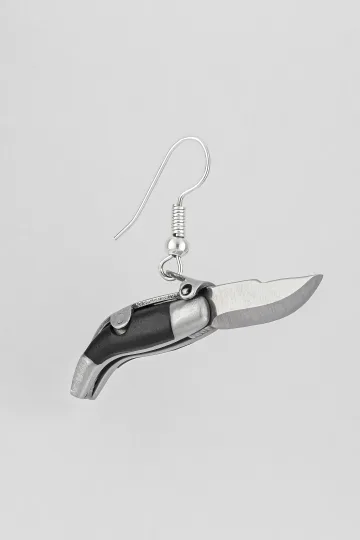
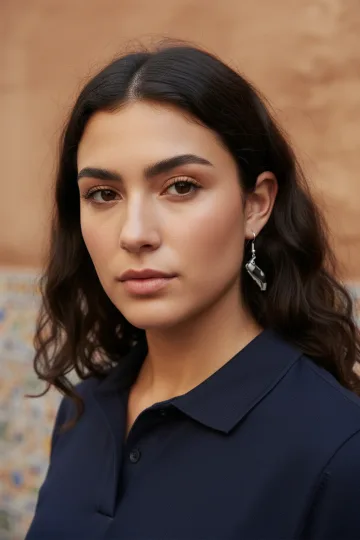
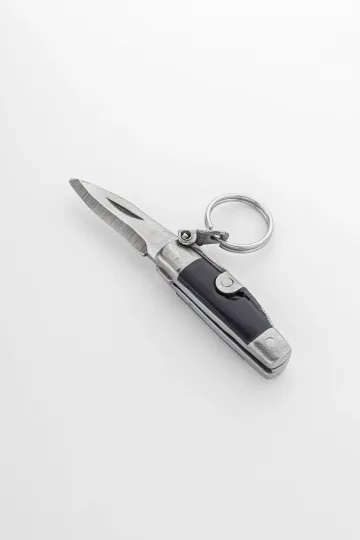
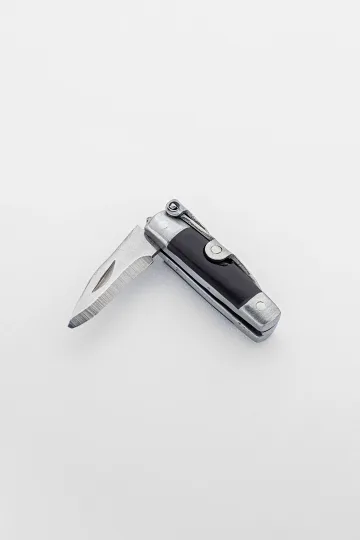
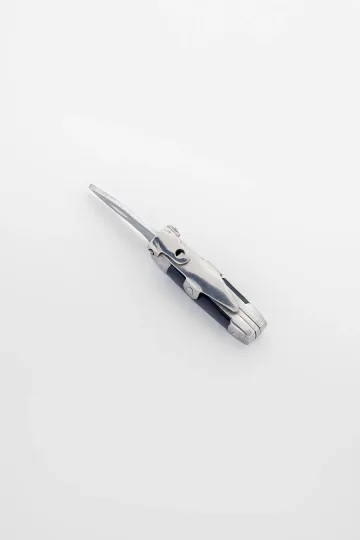
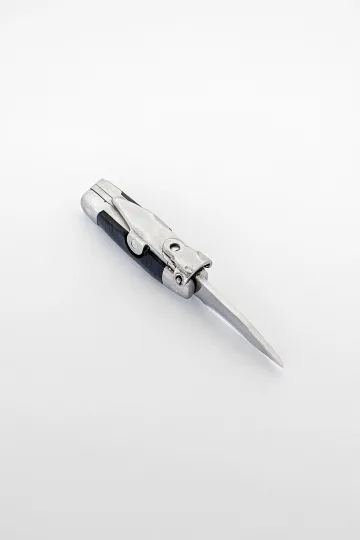
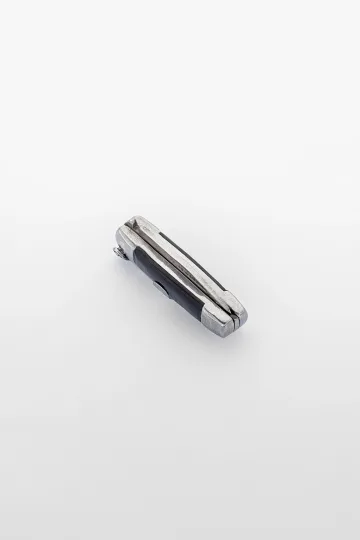
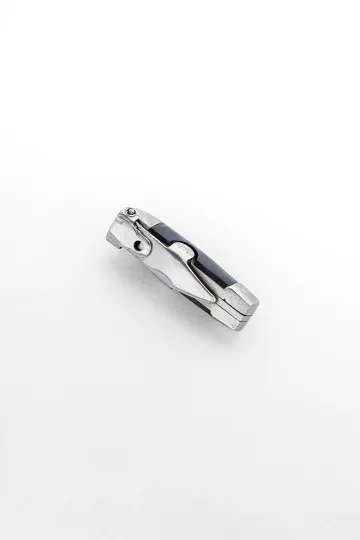
Wear the symbol, don't just read about it. These are in stock:
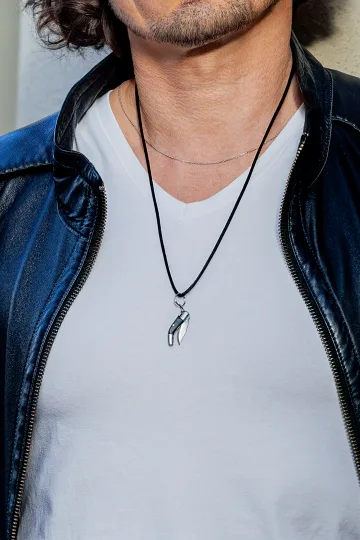
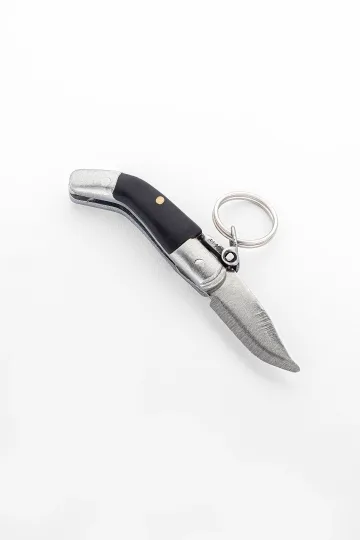
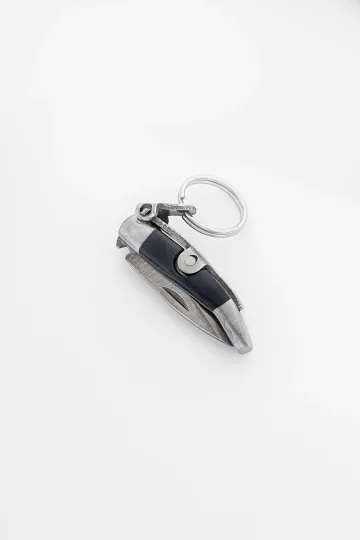
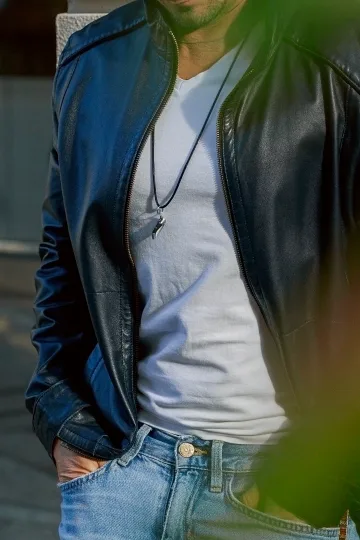
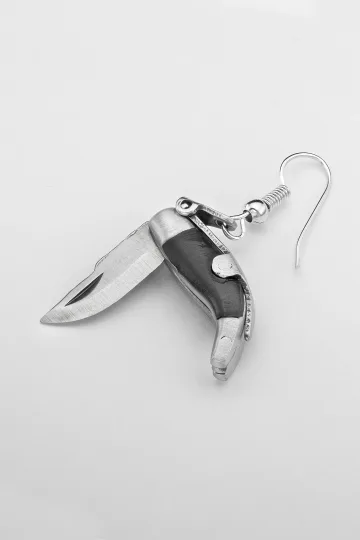
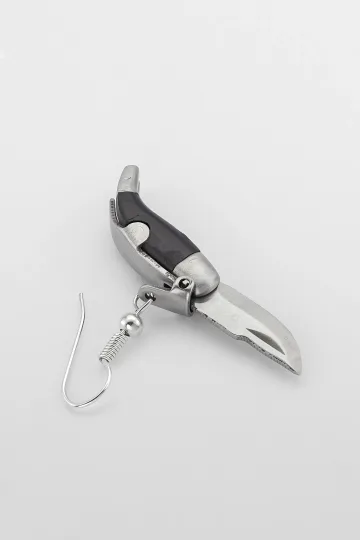
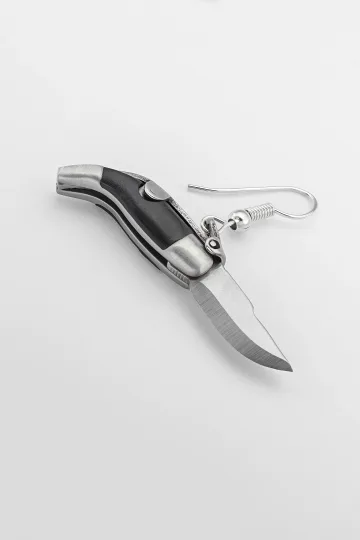
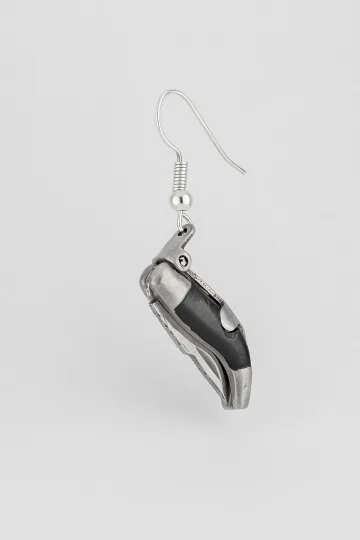
History: From Symbols of Power to Fashion Statements
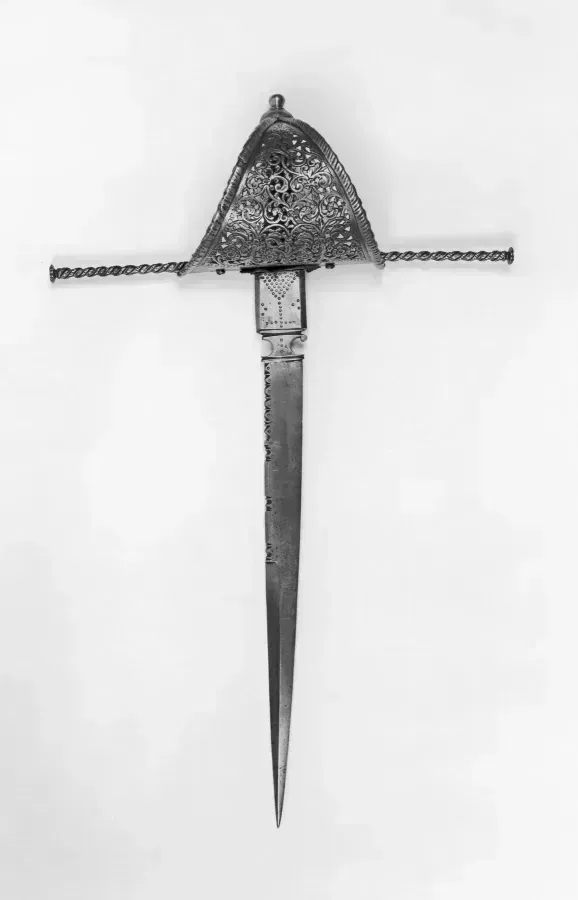
Ancient Traditions
Wearing miniature objects in the shape of tools and blades as ornaments has an ancient history:
Scandinavia (Vikings):
- Miniature axes as amulets
- Symbol of bravery and protection
- Passed down through inheritance
- Worn by everyone, regardless of gender
Japan:
- Kozuka, a decorative element in the katana scabbard
- Richly decorated with inlays
- Symbol of samurai status
- A work of art
Spain:
- Miniature navajas as jewelry
- Part of the national costume
- Family relics
- Jewelry work with inlays
Spain's case is the deepest of the lot, with five centuries of folding-knife craft, the Moorish inheritance, the bandolero legend and the way Carmen carried the form into European literature. We trace all of it in the history and symbolism of the Spanish navaja.
Caucasus:
- Miniature daggers with filigree
- Silver finishing
- Wedding jewelry
- Amulets for the whole family
Scotland:
- Sgian-dubh, part of the national costume
- Miniatures as brooches
- Clan symbolism
20th-21st Century: From Subcultures to Mainstream
1950s-60s, Bikers: Knife-shaped jewelry as a symbol of freedom and rebellion.
1970s-80s, Rock and Metal: Musicians popularized brutal accessories.
1990s-00s, Gothic: Dagger earrings became a mass trend.
2010s, Unisex: Knife-shaped jewelry moved beyond subcultures.
2020-2026, Mainstream: Knife pendants are worn by bloggers, actors, and everyday people. Premium collections from jewelry brands have emerged.
Why Wear Knife-Shaped Jewelry?
Aesthetics
1. Unique Form The blade silhouette is one of the strongest forms in design:
- Elongated proportions visually lengthen the neck
- Geometric clarity of lines
- Play of light on the edges
- Dynamics in motion
2. Contrast A blade-shaped ornament creates:
- A visual accent in the look
- Contrast with the soft lines of the body
- A dramatic effect
- A memorable image
3. Versatility Pairs well with:
- Minimalist clothing (basic wardrobe)
- Leather jackets
- Evening wear (contrast of brutality and elegance)
- Casual looks
Symbolism
1. Strength and Determination The blade form has for centuries symbolized:
- Inner strength
- Decisiveness
- Independence
- Self-sufficiency
2. Cultural Connection A historical replica provides:
- A link to cultural heritage
- Respect for traditions
- Interest in history
- A conversation starter
3. Individuality Jewelry shows that you:
- Are not afraid to stand out
- Value the non-standard
- Have your own style
- Are interested in symbolism
4. Collecting Miniature replicas are:
- A wearable collection
- Growing in value
- Unique in every specimen
Customer reviews
Zevira is a real jewellery shop. Genuine payments, deliveries and customer thank-yous.
🥰🥰🥰 gracias
Ok, ¡gracias! 🙂
Popular Jewelry Styles
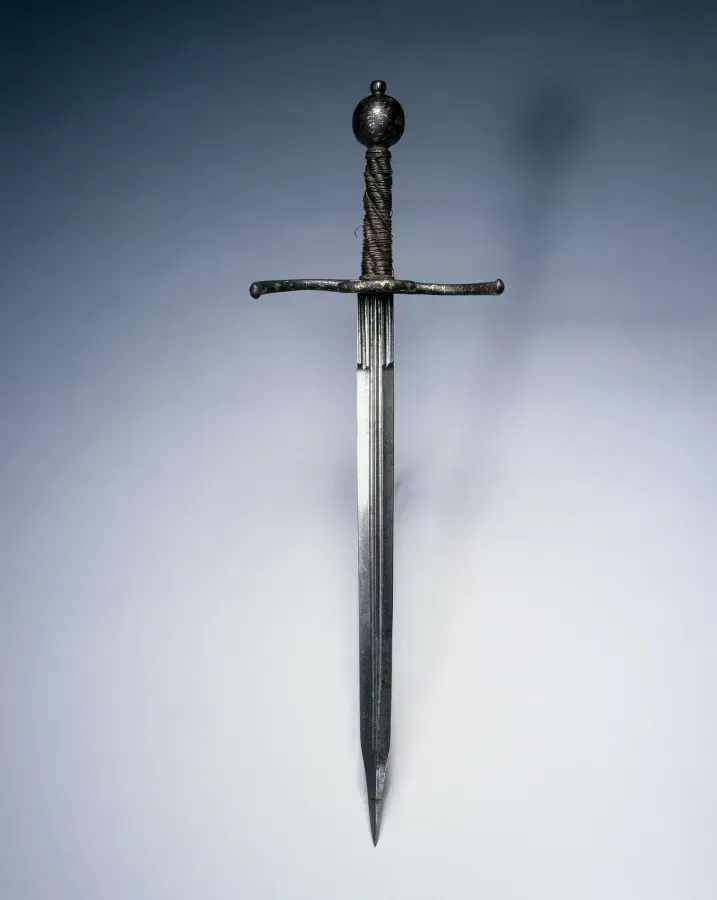
1. Viking / Scandinavian
Characteristics:
- Straight lines
- Runes and Celtic patterns
- Silver, bronze, bone
- Natural aesthetics
- Often oxidized (blackened) silver
How to wear:
- Layering
- Leather cords
- With ethnic jewelry
- Minimalist clothing
For whom: Lovers of Scandinavian aesthetics, minimalism, reenactors.
2. Japanese Style
Characteristics:
- Katana, tanto in miniature
- Precise geometry
- With tsuba (guard)
- Steel, brass, precious metals
How to wear:
- On a long chain
- Minimalistically
- Monochrome clothing
- As a central element
For whom: Fans of Japanese culture, minimalism, anime.
3. Gothic
Characteristics:
- Dramatic dagger shapes
- Blackened silver
- Red stones (garnet, glass)
- Skulls, crosses, roses
- Victorian motifs
How to wear:
- With black clothing
- Layered
- Velvet chokers
- Lace and leather
For whom: Goths, lovers of dark aesthetics, Victorian style.
4. Rock / Biker
Characteristics:
- Massive forms
- Stainless steel
- Chains, leather
- Skulls, flames
- Brutal aesthetics
How to wear:
- On a thick chain
- Leather jacket
- Rugged boots
- Denim clothing
For whom: Rockers, bikers, heavy music fans.
5. Historical Replicas (Premium)
Characteristics:
- Exact reproduction of historical specimens
- Traditional materials
- Cultural authenticity
- Collectible value
- Handcrafted
For whom: History buffs, collectors, people with an interest in a specific culture.
6. Steampunk
Characteristics:
- Brass, copper, bronze
- Gears, screws
- Victorian + industrial aesthetics
- Patinated metal
- Leather elements
How to wear:
- With vests
- Goggles
- Pocket watch chains
- Layered
For whom: Creative individuals, cosplayers, designers.
7. Minimalism
Characteristics:
- Clean lines
- No decoration
- Functional beauty
- Matte or polished surface
- Premium materials (925 silver, titanium)
How to wear:
- As the sole ornament
- Thin chain
- Monochrome clothing
- In professional environments
For whom: Minimalist enthusiasts, architects, designers.
8. Fantasy
Characteristics:
- Fantastic geometry
- Dragons, elven motifs
- Bright inserts (enamel, rhinestones)
- Large sizes
How to wear:
- At festivals
- In cosplay
- With fantasy clothing
- Layered looks
For whom: Gamers, fantasy fans, cosplayers.
Knife Pendants as Conversation Starters
One of the most practical functions of a knife pendant is social. It reliably generates questions. "What is that?" or "Is that a knife?" or "Where did you get that?" These openings lead to stories about Albacete, about the 1563 sword ban, about how a castrating knife became jewellery, about the connection between moonlight and blades. Every navaja type carries a different story, and every story creates a different conversation.
For networking events, conferences, or first dates, a knife pendant is more effective than a business card. Cards get lost. The pendant stays, and the story it generates stays longer. People remember "the person with the tiny Spanish knife" more easily than "the person from accounting."
Materials: What Knife Pendants Are Made Of
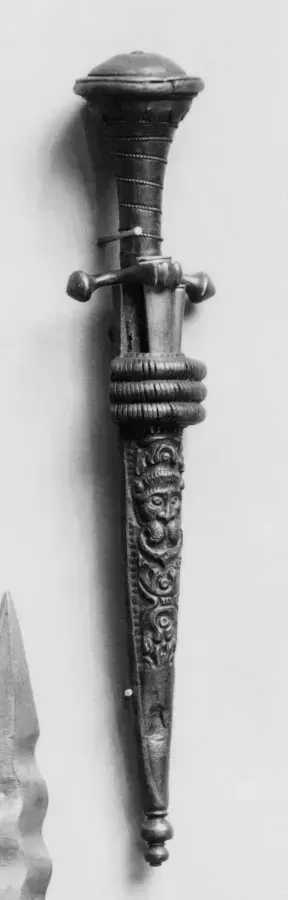
Sterling Silver Knife Pendants
A silver knife pendant in 925 sterling silver is the sweet spot for most people. It has the weight and cool lustre that makes a miniature blade look serious, not like a toy. Silver takes detail well, which matters when you are reproducing the lines of a navaja or the curve of a machete at pendant scale.
Sterling silver knife pendants can be oxidised (blackened) to bring out the texture of the handle and the edge of the blade. An oxidised silver navaja pendant looks like it has been carried for decades. Polished silver gives a cleaner, more modern feel.
Silver 925 is also the material that bridges everyday wear and special occasions. A stainless steel pendant is strictly casual. A gold knife pendant is a statement. Sterling silver works everywhere.
Look for the 925 hallmark on the bail. If there is no stamp, it is likely plated, not solid silver. Plated pieces look fine at first but the coating wears off at the edges within months.
Gold and Platinum Knife Pendants
A knife pendant in gold is rare, and that is the point. When everyone else is wearing stainless steel or brass, a gold miniature navaja stands out without shouting. Yellow gold gives the piece a Mediterranean warmth. White gold or platinum keeps it cooler, sharper, more modern.
Gold knife pendants sit in the premium segment. They are collector pieces, gifts for significant occasions, heirloom items. A gold jerezana or a platinum punta de espada is not something you buy casually. It is something you commission or find and keep for years.
Rose gold works surprisingly well on knife silhouettes, softening the aggressive lines into something that reads as elegant rather than edgy. For people who want a knife pendant that does not look like a knife pendant at first glance, rose gold is the answer.
Stainless Steel
The workhorse. Stainless steel knife pendants are practically indestructible. They do not tarnish, do not scratch easily, survive showers and swimming pools and years of daily wear without a thought. If you want a miniature knife necklace that you put on and forget about, stainless steel is the material.
The trade-off: less prestige than silver, less warmth than brass, less weight than gold. But for everyday carry, nothing beats it. Our stainless steel jewellery style guide covers how the material wears and pairs across a wardrobe.
Brass and Bronze
Warm tones, vintage feel. Brass knife pendants develop a natural patina over time that gives them character. A brass navaja pendant that has been worn for a year looks like it was pulled from an old leather pouch. Some people polish it off, others let it build. Both are valid.
Brass is also the traditional material for navaja handle fittings (virolas), so a brass knife pendant has historical accuracy going for it.
Blackened Silver
- Dramatic look
- Highlights details
- Requires no polishing
- Gothic aesthetic
Decorative Elements
Stones:
- Garnet: red, gothic
- Onyx: black, minimalism
- Swarovski: sparkle
- Turquoise: ethnic
- Agate: natural patterns
Enamel:
- Color accents
- Traditional technique
- Vibrant motifs
Natural Materials:
- Wood: carving, naturalness
- Bone: tradition
- Horn: unique patterns
- Leather: biker aesthetic
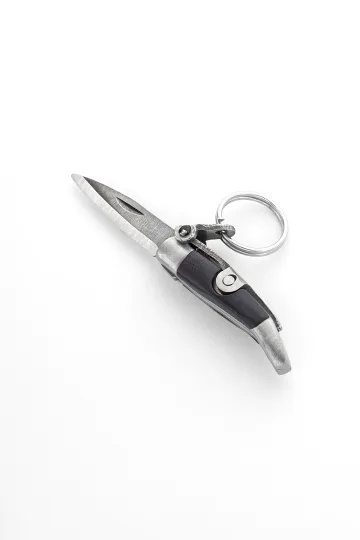
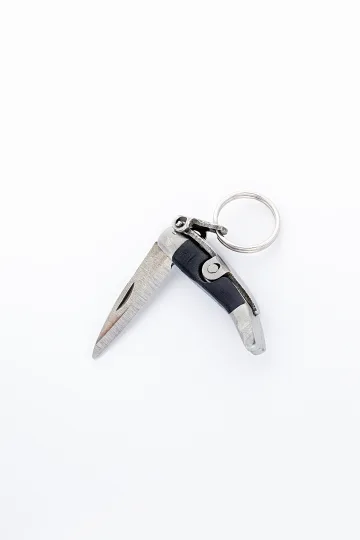
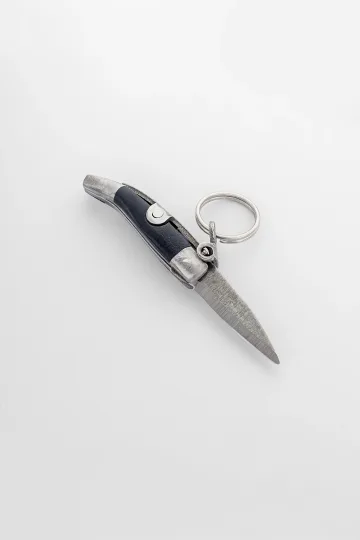
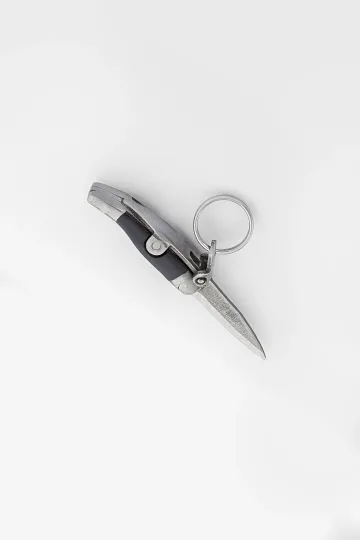
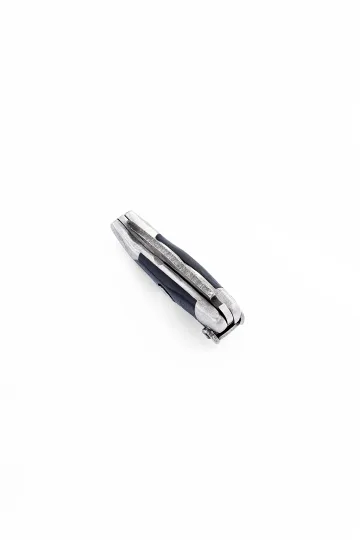
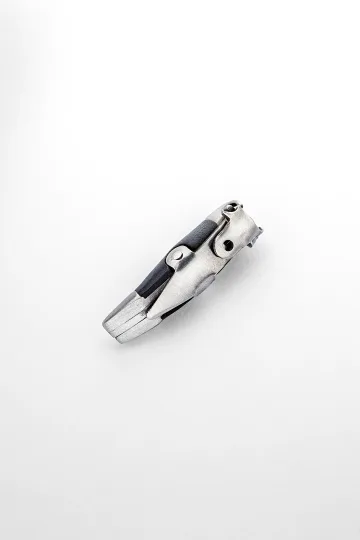
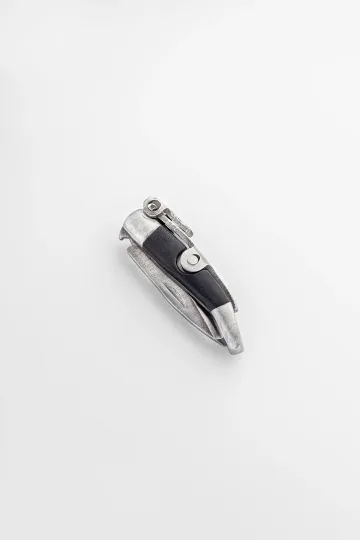
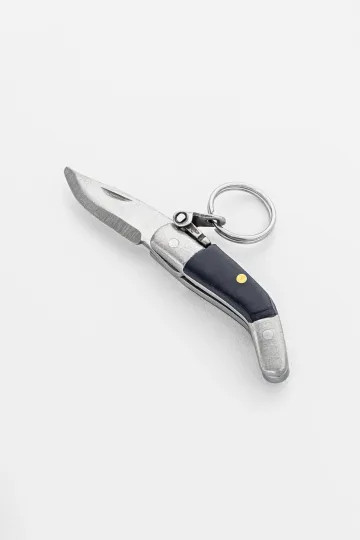
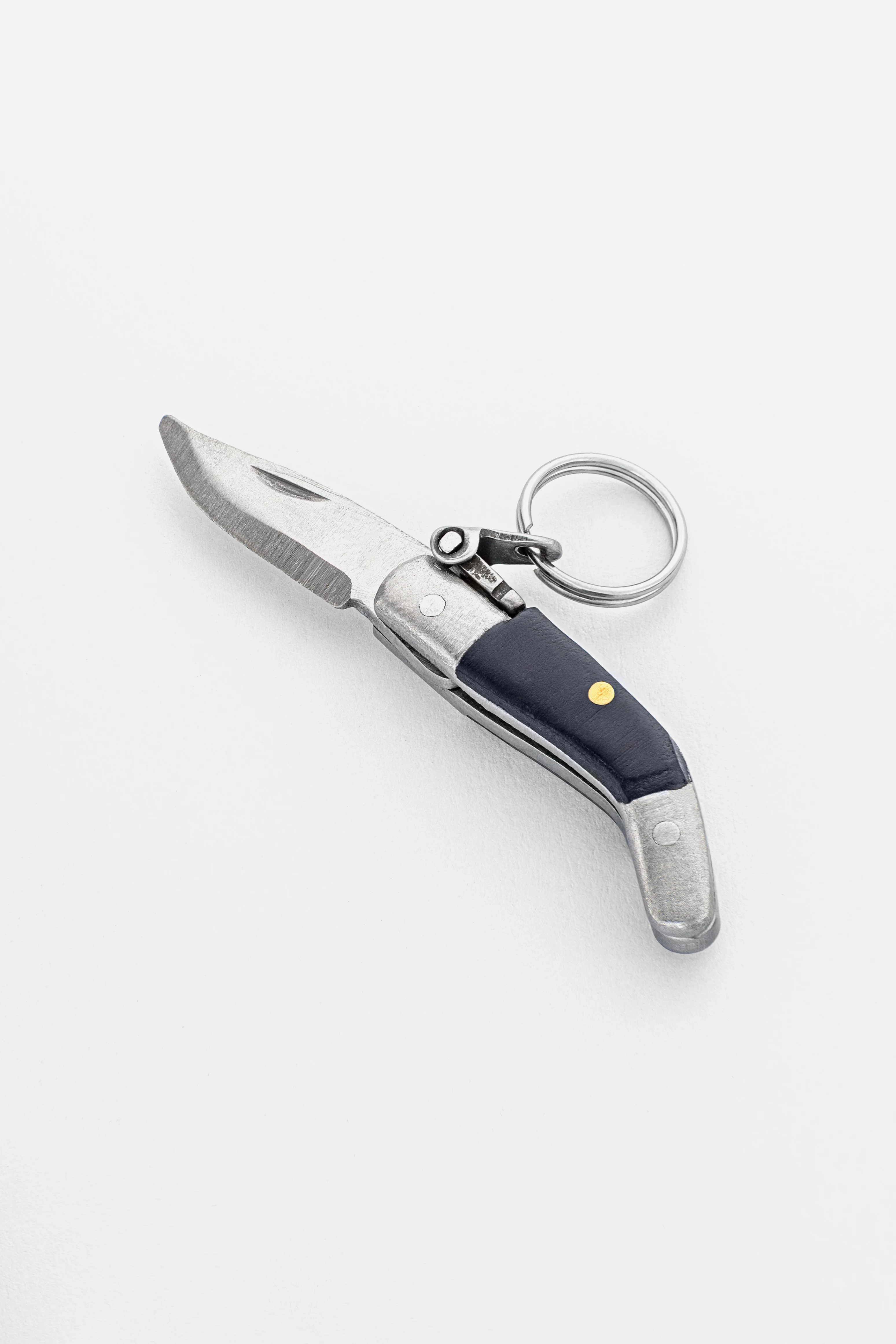
Artisan-crafted CAPAORA navaja pendant
A 40 mm stainless-steel navaja with a real folding mechanism and Palanquilla lock. An affordable gift to remember.
A code for blog readers:
10% off your first order
Authentic · Maker's guarantee · Ships from Spain
How to Choose?
By Style
For daily wear:
- Small size (up to 4 cm)
- Lightweight
- Minimalist design
- Durable materials
For special occasions:
- Large models
- Precious metals
- Decorative elements
- Eye-catching design
By Budget
Basic Budget:
- Steel, brass
- Simple forms
- For a first experience
Medium Budget:
- 925 Silver
- Medium detail
- Optimal price/quality ratio
Premium Budget:
- Historical replicas
- Handcrafted
- Collectible specimens
- Premium materials
By Size
Miniature (up to 2 cm):
- Understated
- For work
- Easy to wear
Medium (2-4 cm):
- Universal size
- Noticeable but not loud
- Popular choice
Large (4-7 cm):
- A statement piece
- Center of the look
- For those confident in their style
Knife Pendants and Gender: Who Wears What
The old assumption that knife jewellery is "for men" has been fading for years. Blade aesthetics work across gender lines. But the way different people wear them tends to differ.
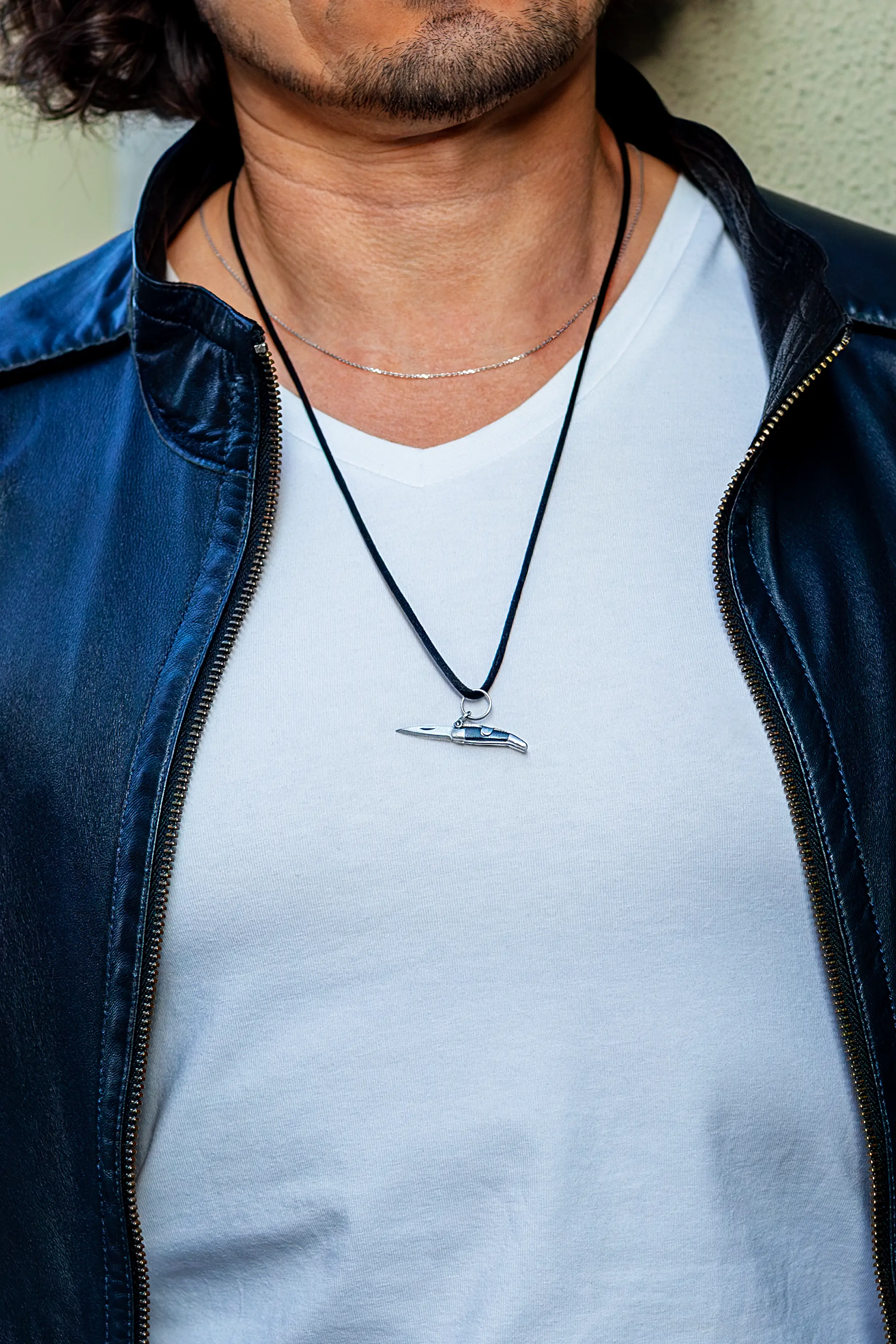
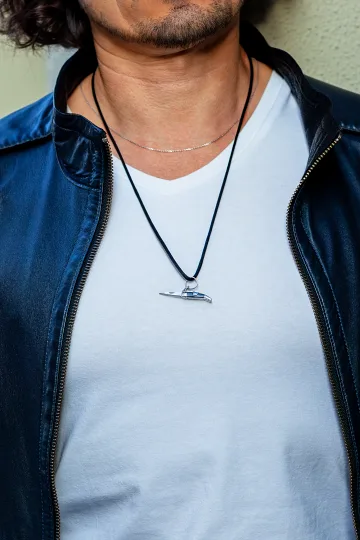
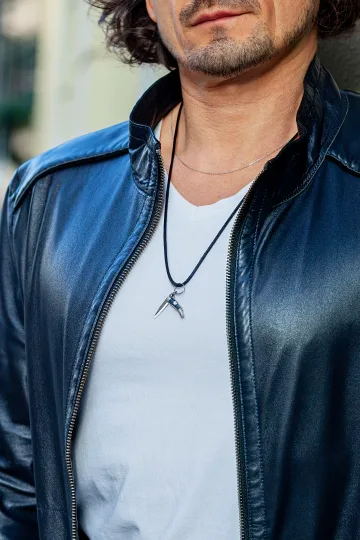
Men often choose knife pendants as their first piece of jewellery. A pendant that does not feel like "jewellery" in the traditional sense makes the entry easier. The straight, austere lines of a punta de espada or the chunky silhouette of a capaora sit closer to a military medal than a mall pendant. On a thick chain or leather cord, worn under or over a shirt, this becomes functional style rather than decoration.
Women gravitate toward the more flowing forms. The lunar knife with its crescent curve, the Curva Helada with its Moorish sweep. On a thin chain at 42-45 cm, these pieces read as elegant and powerful simultaneously. The duality is the point: beautiful and dangerous, soft and sharp.
A dagger rides point down, on one clean chain, on bare collarbone. Five pendants at once is a yard sale, not a look.
How to Wear Knife Pendants and Dagger Earrings
I have styled the blade across hundreds of shoots, and the same lessons keep proving out. Here is what actually holds up, sorted by occasion.
How do I wear a knife pendant every day? For daily wear I recommend a medium stiletto or a small navaja on a thin chain. A plain top beats a busy one: cool silver sits cleanly on grey, graphite, white and black, while I suggest showing brass and bronze against warm fabrics like linen and ochre. The blade reads all the stronger against a quiet background.
Does it work at the office? It does, as long as you keep it restrained. I recommend a silver pendant of 2-3 cm under the shirt, catching the light as you move, plus tiny micro-blade studs. In a strict setting that is character you only notice up close, and it commits you to nothing.
How do I build an evening look? For evening I go for contrast: a brutal shape on soft or formal fabric. Blackened silver with a garnet on a white silk blouse, a long dagger earring beside a black dress. Under a V-neck the blade falls right along the neckline, its best position, and I keep the chain shorter, 40-45 cm.
How do I wear knife earrings without overloading the look? I choose asymmetry: a long dagger in one ear, a small stud in the other. It suits cropped hair and open necks especially well. With hair worn down I choose polished pieces, since they catch the light in the gaps between strands.
Who does a blade at the throat actually suit? Anyone who loves a clean line and quiet nerve. A cool complexion leans toward silver and blackened silver, a warm one toward gold, brass and bronze, but black steel suits absolutely everyone. Two rules to close on: pick the chain length for the neckline, not the other way round, and never more than one focal point at a time. One blade, everything else quiet.
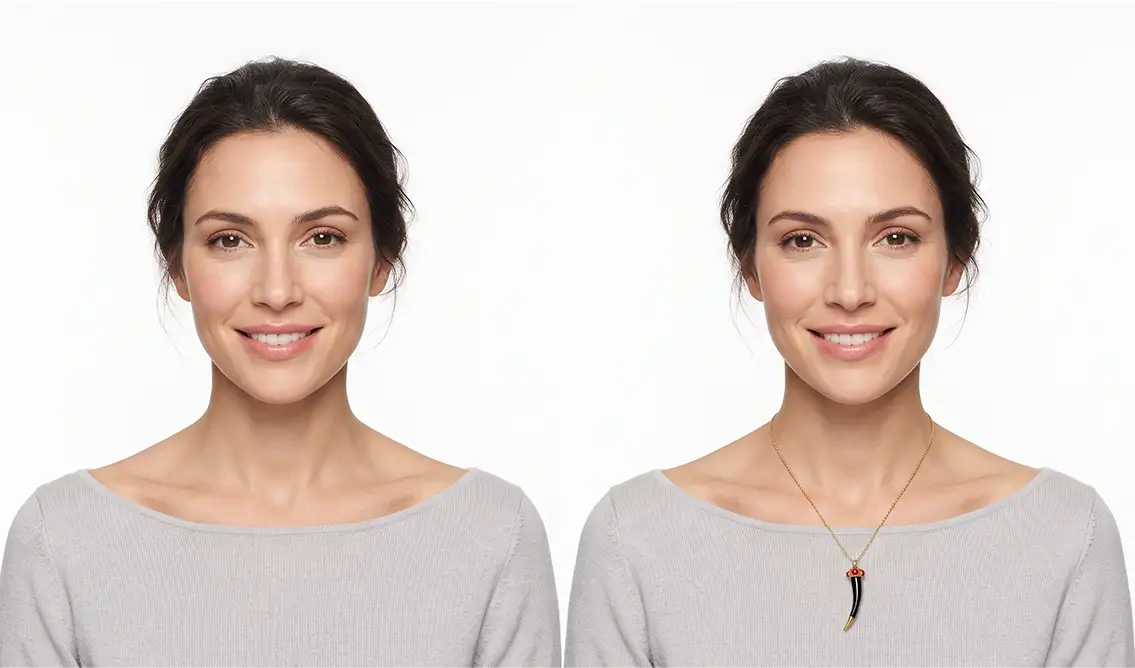
Turn on your camera, pick earrings, a pendant or a ring, and see the piece on yourself in real time.
Switch items in one tap.
Everything runs in your browser: no photo or video is ever uploaded.
Leave your email, we'll send your discount code. No spam, unsubscribe anytime.
The code arrives by email, valid on your first order.
Navajas: A Premium Example
Spanish Heritage in Miniature
Spanish Navaja:
- Folding miniatures of the 18th century
- "Lengua de Vaca" (Cow's Tongue) shape
- Horn, stainless steel, brass
- Traditional Palanquilla mechanism with the characteristic "carraca" sound
- Status of Cultural Heritage of Spain (BIC)
Jerezana Navaja:
- Origin in Andalusia, 17th century
- Elongated elegant silhouette
- Symbol of personal strength and status
- Associated with Jerez, Cádiz, and Seville
- Status of Cultural Heritage of Spain (BIC)
Punta de Espada Navaja:
- Straight and sharp blade
- Geometry inspired by the sword
- Restrained and precise aesthetics
- Traditional form from Albacete
- Status of Cultural Heritage of Spain (BIC)
Bandolera Navaja:
- Linked to Andalusian bandoleros
- Pronounced curved line
- Practical and protective purpose
- Symbol of freedom and independence
- Status of Cultural Heritage of Spain (BIC)
Sevillana Navaja:
- Graceful decorative profile
- Urban and everyday form
- Emphasis on aesthetics along with function
- Local artisan tradition
- Status of Cultural Heritage of Spain (BIC)
Navaja Capaora Mini is a functional miniature of the historical 18th-century Spanish navaja. An ideal example of how jewelry can be simultaneously:
- Historically accurate: reproduces the "Lengua de Vaca" shape
- Culturally valuable: linked to a craft with BIC status
- Functional: with a moving Palanquilla mechanism
- Aesthetically strong: recognizable silhouette
- Collectible: limited edition (edición limitada)
How to wear historical replicas:
- Standalone ornament
- Leather cord or silver chain
- With modern classics or ethnic clothing
- A conversation piece
Average Characteristics:
- Size: ~40 mm total, ~17 mm blade
- Weight: ~4.3 g (comfortable wear)
- Material: knife steel
- Mechanism: Palanquilla with the characteristic "carraca" click or other functional working mechanism.
Why Is It Worth the Money?
Historical Value: Albacete has been the capital of Spanish knife-making for over 600 years. The tradition is state-protected.
Quality: Handcrafted, exact reproduction of 18th-century museum specimens.
Uniqueness: Limited series; each item is individual.
Sound: The "carraca" mechanism is the "voice of steel," the audio signature of Spanish craft.
Collectible appeal: Limited edition pieces are valued by collectors for their craft and rarity.
Gift Tradition
Ritual of Friendship
In Spanish folklore, there is a beautiful tradition: a knife-shaped ornament is not simply given. The recipient must "buy" it for a symbolic coin (usually of the smallest denomination).
This ritual turns the exchange into a meaningful ceremony that strengthens friendship and trust. When you buy such a piece as a gift, you aren't just getting an object, but the opportunity to create a significant moment.
Knife Earrings: The Bold Statement
Knife earrings deserve special attention because they occupy the most visible position of any jewellery piece: right beside the face. A knife pendant can hide under a shirt. An earring cannot. It is always visible, always in the frame of conversation, always part of how your face is perceived.
The navaja earring that actually folds open is a unique category within knife earrings. It is interactive. Every opening and closing is a small performance. During conversation, while waiting, while thinking: the deliberate unfolding becomes a ritual. People who fidget with their earrings, twisting studs or pulling hoops, find the navaja earring channels that energy into something deliberate and satisfying.
Wearing a knife earring in one ear only (asymmetry) creates a stronger statement than wearing a pair. One ear carries the blade. The other ear carries a small stud for balance, or nothing at all. The asymmetry draws the eye to the knife side.
Jewelry Care
Simple Rules
925 Silver:
- Special silver polishing cloths
- Soft brush + soapy solution
- Store in a closed jewelry box
Stainless Steel:
- Low maintenance
- Soapy solution
- Microfiber polishing
Blackened Silver:
- DO NOT polish aggressively
- Soft damp cloth
With Moving Parts:
- Occasional drop of oil on the mechanism
- Do not overload
General:
- Remove before sleep
- Remove before sports
- Store separately from other jewelry
Frequently Asked Questions
Q: Can I wear it to work? A: Depends on the dress code. In creative professions, usually yes, especially minimalist models.
Q: Is it unisex? A: Yes! Both men and women wear them. Choose the style that fits you.
Q: Can I swim with it? A: Titanium and stainless steel, yes. Silver is better removed.
Q: How do I choose the size of the earrings? A: Start with small ones (2-3 cm), then experiment.
Q: How do I distinguish quality from a cheap fake? A: Check for hallmarks, weight, detail, and read the material description. A quality miniature has heft in the hand, like a thick coin. The details (clip point, handle texture, blade-to-handle transition) should be readable even at miniature scale. If it looks like a generic pointed stick, the maker did not know what they were reproducing.
Q: Can I wear several pendants at once? A: Yes! Combine different sizes and chain lengths. A short chain with one navaja type, a longer chain with another. The key is that each piece should belong to the same aesthetic universe. Two Spanish navajas together: coherent. A navaja plus a cartoon character: chaos.
Q: Are knife pendants legal to wear everywhere? A: Rules vary by country, by venue and by the specific piece. Most jewellery miniatures are decorative rather than functional, but laws and security policies differ between jurisdictions, and metal accessories can sometimes draw attention at screening points. For places like airports, schools or events with their own security checks, it is best to confirm in advance with the organisers or the local rules that apply.
Q: What is the best knife pendant for someone who does not wear jewellery? A: The jerezana for versatility, or the punta de espada for minimalism. Both read as objects with purpose rather than decoration, which makes them easier for jewellery newcomers to accept. The punta de espada in particular sits closer to a military medal than a fashion accessory, which helps men who resist the idea of "wearing jewellery."
Knife Pendants and Face Shape: Does It Matter?
With earrings, face shape guides the choice. With pendants, it matters less because the piece sits on the chest, not beside the face. But chain length changes how a knife pendant interacts with your neckline and overall silhouette.
Short neck: Avoid very short chains (under 45 cm) with large knife pendants. The combination crowds the neck area. Go for 50-55 cm, letting the pendant drop below the collarbone.
Long neck: Short chains work beautifully. A navaja at 40-45 cm sits right at the collarbone and becomes part of the neckline rather than an isolated piece lower on the chest.
Broad shoulders: Larger pendants (4-5 cm) balance the proportions. A tiny pendant on a broad-shouldered frame can look lost. The capaora, with its chunky silhouette, works well here.
Petite frame: Smaller pendants (2-3 cm) and thinner chains. A massive machete pendant on a small frame overwhelms. The jerezana, with its balanced proportions, scales well.
The Psychology of Knife Jewellery
Why do people wear miniature weapons? Psychologists who study adornment behaviour point to several motivations.
Control symbolism. A knife represents agency, the ability to act, to cut through problems, to defend oneself. Wearing one symbolically is a portable reminder of personal power. Not literal power. Metaphorical. "I can handle what comes."
Boundary setting. Blade jewellery subtly communicates that the wearer is not passive. Without aggression, without threat, the shape says: there are limits, and I know where mine are.
Identity anchoring. For people connected to blade cultures (chefs, outdoors enthusiasts, history buffs, martial artists), a knife pendant is an identity marker. Like a musician wearing a treble clef or a sailor wearing an anchor. It says: this is my world.
Conversation engineering. Unusual jewellery creates social openings. A knife pendant reliably generates the question "what is that?" and the answer becomes a story, a connection point, a way to steer conversation toward something meaningful.
None of this is conscious for most wearers. They just like how it looks. But the psychology underneath explains why knife pendants resonate with such a wide range of people, from office workers to chefs to collectors.
Send a friend a discount code, they save on their first order.
Knife Pendants at Work
The question comes up constantly: can I wear a knife pendant to the office?
Creative industries: Almost always fine. Design studios, advertising agencies, media companies, tech startups. Nobody blinks. The pendant might even be a networking tool.
Traditional corporate: More nuanced. Under the shirt, invisible: no issue. Visible on a business-casual day: depends on the company culture. A jerezana reads as design. A machete reads as provocation. Know your audience.
Client-facing roles: If the client is conservative (banking, law), tuck it under the shirt. If the client is creative, let it show. Match the pendant to the meeting, not to some abstract rule.
Healthcare: Under the scrubs, usually fine. A pendant that falls forward during patient care is not. Short chains and compact pendants (capaora, punta de espada) work better than long chains with large pieces.
The honest advice: wear what you want, but be strategic about when it shows. A knife pendant is not offensive. But it is unusual, and unusual draws attention. Sometimes that is exactly what you want. Sometimes it is not.
Pairing Knife Pendants with Other Jewellery
Knife pendants have a strong visual presence. They do not need much company. But they can work in combinations if you follow a few principles.
Knife plus symbol. A navaja on one chain, a nazar or compass on another. Two different types of meaning, two different visual weights. This creates depth without competition.
Knife plus knife. Two navajas on chains of different lengths. A jerezana at 45 cm, a punta de espada at 55 cm. The shorter one reads first, the longer one adds a layer. Both from the same "universe" (Spanish knives), so the combination is coherent, not chaotic.
Knife plus ring. A sun and moon ring on the hand, a navaja on the chest. Different body zones, different visual stories, unified by the overall aesthetic of meaningful, non-generic jewellery.
What to avoid. Knife plus delicate floral pendant. The aesthetic clash is too sharp. Knife plus skull pendant. Too heavy in one direction, tips into costume territory. Knife plus nothing. Often the best choice. Let the blade speak alone.
Collecting Knife Pendants: Building a Set
For collectors, knife pendants offer something most jewellery does not: systematic variety within a coherent family.
The navaja collection alone includes seven distinct types, each with a different blade shape, a different history, and a different character. Collect them all and you have a wearable encyclopaedia of Spanish blade culture. Wear a different one each day and you have a week's worth of conversation starters.
Start with the type that resonates most. The jerezana for elegance. The capaora for rawness. The punta de espada for precision. The lunar knife for mystique. Add the others over time. Each one deepens the understanding of the collection as a whole, and each one changes how you see the others.
For display at home, a velvet-lined tray or a dedicated hook strip keeps the collection visible and accessible. These are not pieces that should live in a drawer. They are miniature works of blade craft, and they deserve to be seen even when they are not being worn.
Silver and gold jewellery, wedding bands, symbolic pendants, paired sets.
Conclusion
Knife pendants and knife earrings are a statement of style, a link to history, and a symbol of individuality. By choosing a blade-shaped ornament, you become part of an ancient tradition of people who value craftsmanship, symbolism, and the beauty of functional forms.
About Zevira
Zevira makes jewelry by hand in Albacete, Spain. We live in the city that has been the capital of knife craft for more than five centuries, and we carry the shape of the blade into jewelry scale: from a miniature navaja with a working carraca mechanism to a clean stiletto pendant and dangling dagger earrings.
What you can find with us in the world of blade jewelry:
- Knife pendants: decorative pieces, functional miniatures with a folding mechanism, historical replicas of Albacete navajas
- Knife earrings: dangling daggers, micro-blade studs, ear cuffs and threaders
- Blade-shaped silhouettes: stiletto, navaja, tanto, dagger, sword
- Materials to match your life: 925 silver, blackened silver, 14 to 18K gold
- Stones and inlays: garnet, black onyx, agate for gothic and minimalist looks
- Paired pendants and gift sets with a coin for the buying ritual
Every piece is made by a craftsman by hand, with the option of personal engraving. 925 silver and 14 to 18K gold.